Email: info@mambogorillasafarisuganda.com | Call: +256772666331
Best Time for Gorilla Trekking in Uganda 2026: Complete Month-by-Month Guide

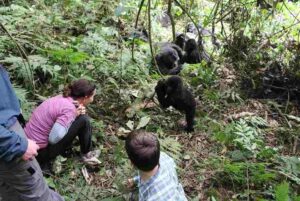
Planning a gorilla trekking adventure in Uganda and wondering when to go? The best time for gorilla trekking in Uganda is generally during the drier months of June to September and mid-December to February. During these periods, forest trails are usually less muddy and slippery, making trekking more comfortable.
However, gorilla trekking in Uganda is available throughout the year. The rainy seasons can also be rewarding, particularly for travelers who want fewer visitors, greener scenery and potentially lower accommodation costs.
This guide explains the best months for gorilla trekking in Uganda, what the weather is like throughout the year, the advantages and disadvantages of each season, and how to choose the right time for your Uganda gorilla safari.
Quick Answer: What Is the Best Time for Gorilla Trekking in Uganda?
If your priority is more manageable trekking conditions, consider:
- June to September: Main dry season
- Mid-December to February: Shorter dry season
- March to May: Wetter period
- October to mid-December: Short rains
The dry seasons generally provide firmer trails and lower chances of prolonged rainfall. However, Bwindi Impenetrable National Park is a rainforest, so rain is possible even during the traditionally drier months.
Uganda’s gorillas live in mountainous rainforest environments, so weather conditions can change quickly. You should therefore pack for both sunshine and rain regardless of when you travel.
Where Can You Go Gorilla Trekking in Uganda?
Gorilla trekking in Uganda takes place in two protected areas:
1. Bwindi Impenetrable National Park
Bwindi is Uganda’s best-known gorilla trekking destination and has several trekking sectors, including:
- Buhoma
- Ruhija
- Rushaga
- Nkuringo
The sector shown on your permit determines where your trek starts.
2. Mgahinga Gorilla National Park
Mgahinga is part of the larger Virunga conservation landscape and provides another opportunity to trek mountain gorillas in Uganda.
Uganda Wildlife Authority guidelines identify Bwindi and Mgahinga as Uganda’s gorilla trekking destinations and list the designated visitor entry points for tracking.
Best Months for Gorilla Trekking in Uganda
June to September – Best for Drier Trekking Conditions
June, July, August and September are generally among the most popular months for gorilla trekking.
The main advantage is the relatively drier weather. With less frequent heavy rainfall, forest paths can be easier to navigate.
This can be particularly useful because Bwindi’s terrain is mountainous, steep and often challenging even when conditions are dry.
Advantages:
- Generally drier trekking conditions
- Less muddy and slippery trails
- Good conditions for combining gorilla trekking with other Uganda safaris
- Popular period for international visitors
Things to consider:
- This is a popular travel period
- Accommodation can be in high demand
- You should reserve your gorilla permit and accommodation well ahead of your trip
Mid-December to February – Another Excellent Period
The period from around mid-December through February is another popular window for gorilla trekking.
Rainfall can still occur because Bwindi is a tropical rainforest, but trekking conditions are often more favorable than during the wetter periods.
This period can also work well for travelers who want to combine gorilla trekking with a wider Uganda safari.
Advantages:
- Generally drier conditions
- Good trekking opportunities
- Suitable for combining gorillas with wildlife safaris
- Excellent period for a multi-destination Uganda itinerary
Gorilla Trekking During the Rainy Season
Many travelers assume that the rainy season is a bad time to see gorillas.
That’s not necessarily true.
Gorilla trekking takes place throughout the year. The main difference is usually the condition of the trekking environment, rather than whether gorillas are present.
During rainy periods, trails may become muddy and slippery, and heavy rainfall can make a physically demanding trek more challenging.
On the other hand, the rainforest can look particularly lush and vibrant, and some travelers prefer the quieter atmosphere.
March to May – Long Rainy Season
March, April and May are traditionally associated with Uganda’s longer rainy period.
You should expect a greater possibility of rainfall and wetter trails.
For travelers who don’t mind challenging hiking conditions, however, this can still be a rewarding time to visit.
Potential advantages:
- Lush green forest
- Fewer tourists than during peak periods
- Possible accommodation savings
- Excellent photographic conditions when the weather clears
Potential disadvantages:
- Muddy trails
- Slippery terrain
- Rain can make trekking more demanding
- Weather can be unpredictable
October to Mid-December – Short Rainy Season
October through part of December can also experience increased rainfall.
The same principle applies: gorilla trekking remains possible, but you should prepare for wet and slippery conditions.
A waterproof jacket, waterproof backpack cover and suitable trekking footwear become particularly important.
Best Time for Gorilla Trekking in Uganda by Month
| Month | Weather tendency | Trekking conditions | Visitor levels |
|---|---|---|---|
| January | Generally drier | Good | Moderate/High |
| February | Generally drier | Good | Moderate |
| March | Wetter | Muddy at times | Lower |
| April | Wet | More challenging | Lower |
| May | Wet | More challenging | Lower |
| June | Drier | Very good | High |
| July | Drier | Very good | High |
| August | Drier | Very good | High |
| September | Generally drier | Good | Moderate/High |
| October | Wetter | Muddy at times | Moderate/Lower |
| November | Wetter | More challenging | Lower |
| December | Variable/drier toward mid-month | Good later in month | Moderate/High |
Important: This is a general seasonal guide, not a guarantee of daily weather. Mountain rainforest weather can change quickly.
Is Gorilla Trekking Possible All Year Round?
Yes.
Gorilla trekking in Uganda is not restricted to the dry season. Permits are available for different dates throughout the year, subject to availability.
The real question is not simply “Can I trek during the rainy season?” but rather:
“Am I comfortable trekking through a wet, muddy and sometimes slippery rainforest?”
If the answer is yes, you can consider traveling outside the main dry seasons.
Is Gorilla Trekking Better in the Dry Season?
For many travelers, the dry season is preferable because the trails can be easier to navigate.
However, “dry season” does not mean “no rain.”
Bwindi is a rainforest, and rainfall can occur even during traditionally dry months. Follow Alice likewise notes that travelers should expect some rain and recommends planning around the drier periods rather than assuming completely dry conditions.
Your decision should therefore consider more than weather alone.
Think about:
- Your preferred trekking conditions
- Your travel dates
- Permit availability
- Accommodation availability
- Budget
- Other activities you want to combine with gorilla trekking
Cheapest Time for Gorilla Trekking in Uganda
Travelers looking for a more budget-conscious Uganda gorilla safari often consider the wetter months.
Accommodation providers may offer lower rates during quieter periods, although this varies by lodge and travel date.
Gorilla permit prices are a separate consideration and should always be checked against the current Uganda Wildlife Authority tariff rather than relying on old blog posts.
UWA currently publishes its official conservation tariffs and advises travelers to use official booking/payment procedures.
Tip: If you’re planning a budget gorilla safari, compare the total package price rather than looking only at the gorilla permit. Accommodation, transport, meals, park fees and the number of safari days can significantly affect the final cost.
Best Time for Gorilla Photography
There is no single month that guarantees perfect gorilla photographs.
Photography conditions depend on:
- Weather
- Forest light
- Gorilla behavior
- Where the gorilla family is located
- Visibility through vegetation
- Your camera equipment
Overcast conditions can actually produce soft natural light inside the forest, while rain can create atmospheric photographs.
For photography, the most important preparation is often having the right equipment rather than simply choosing a particular month.
Bring:
- Camera with a suitable lens
- Spare batteries
- Waterproof camera protection
- Lens cloth
- Dry bags
- Extra memory cards
What Is the Weather Like During Gorilla Trekking?
Gorilla trekking takes place at high elevations in southwestern Uganda.
Although Uganda generally has a warm tropical climate, the mountainous areas around Bwindi and Mgahinga are cooler.
Follow Alice reports significantly cooler temperatures in the mountain gorilla areas than in much of the country and notes that June and July can be particularly chilly.
This means you should not pack only for hot African weather.
A typical trekking morning can feel cool, especially before you start hiking.
What Should You Wear for Gorilla Trekking?
Regardless of the month you visit, prepare for wet forest conditions.
Recommended clothing includes:
- Long-sleeved hiking shirt
- Long hiking trousers
- Waterproof hiking boots
- Waterproof rain jacket
- Warm fleece
- Gardening or trekking gloves
- Hat
- Comfortable hiking socks
- Lightweight backpack
Your footwear is particularly important.
Bwindi can be steep, muddy and slippery, so shoes with good grip can make a significant difference.
How Long Does Gorilla Trekking Take?
Gorilla trekking does not have a fixed duration.
The amount of time spent walking depends on where the gorilla family is located and the terrain you need to cover.
Some treks are relatively short, while others can require several hours of hiking.
Because of this uncertainty, avoid scheduling a major activity immediately after your trek.
Give yourself enough time to return to your lodge, rest and enjoy the experience.
When Should You Book a Gorilla Trekking Permit?
If you already know your travel dates, it is sensible to begin planning early.
Your permit is linked to a particular date and designated trekking entry point. UWA’s guidelines state that permits are booked according to the date and designated entry point, while gorilla families are allocated to visitors on the day of tracking.
Foreign non-resident travelers should also pay particular attention to the official booking process. UWA’s advisory states that foreign non-resident gorilla and chimpanzee tracking permits are sold through tour operators licensed by the Uganda Tourism Board.
Always verify current permit availability, prices and booking requirements before paying.
Dry Season vs Rainy Season: Which Should You Choose?
The answer depends on your priorities.
Choose the dry season if you want:
- More manageable hiking conditions
- Less muddy trails
- A popular travel period
- Easier combination with other safari activities
Consider the rainy season if you want:
- A quieter travel experience
- Lush green scenery
- Potentially lower accommodation rates
- More flexibility with travel dates
- An authentic rainforest experience despite wet conditions
There is no universally perfect month.
The best time for your gorilla trek depends on your budget, schedule, hiking preferences and overall Uganda itinerary.
Best Time for a Gorilla Safari and Wildlife Safari Combined
One of the advantages of choosing Uganda is that you can combine gorilla trekking with other wildlife experiences.
A longer Uganda itinerary could include:
Entebbe/Kampala → Kibale Forest → Queen Elizabeth National Park → Bwindi → Lake Mburo → Entebbe
Depending on your interests, you can combine gorilla trekking with:
- Chimpanzee trekking
- Tree-climbing lions
- Game drives
- Boat safaris
- Bird watching
- Cultural experiences
- Batwa community experiences
The drier months can be particularly convenient for travelers combining gorilla trekking with traditional wildlife safaris.
Frequently Asked Questions About the Best Time for Gorilla Trekking in Uganda
What is the best month for gorilla trekking in Uganda?
June, July, August, September, January and February are among the months commonly chosen for relatively drier trekking conditions. Mid-December can also be a good option.
Is December a good month for gorilla trekking?
Yes. December can be a good month, particularly from around the middle of the month, although rainfall remains possible because Bwindi is a rainforest.
Is July a good month for gorilla trekking in Uganda?
July is within the main dry season and is generally considered a favorable month for trekking conditions. It can also be a busy travel period.
Can I trek gorillas in Uganda during the rainy season?
Yes. Gorilla trekking takes place year-round. The main difference is that trails can become wetter, muddier and more slippery during rainy periods.
What are the rainy months in Uganda for gorilla trekking?
The traditional wetter periods are approximately March to May and October to mid-December, although rainfall patterns can vary.
Are gorillas easier to see during the dry season?
Dry-season trekking can be more comfortable because trails are often less muddy. However, gorilla sightings are not guaranteed to become easier simply because it is dry.
How cold is Bwindi during gorilla trekking?
Bwindi’s mountainous environment is considerably cooler than many lower-lying parts of Uganda. Early mornings can feel chilly, so warm layers are recommended.
How far in advance should I book a Uganda gorilla safari?
Book as early as possible once your travel dates are confirmed, particularly if you want specific trekking dates, accommodation or a particular Bwindi sector.
Final Verdict: When Should You Go Gorilla Trekking in Uganda?
For travelers who prioritize more manageable trail conditions, the best periods to consider are June to September and mid-December to February.
But don’t dismiss the rainy season.
Gorilla trekking in Uganda is a year-round experience, and visiting during wetter months can offer lush scenery, a quieter atmosphere and potentially lower accommodation costs.
The most important thing is to choose a date that fits your budget, schedule, trekking ability and overall safari plans.
Whether you choose a dry-season adventure or a green-season trek, Uganda offers the opportunity to experience mountain gorillas in their natural rainforest habitat.
Ready to Plan Your Uganda Gorilla Trekking Adventure?
Start planning your Uganda gorilla safari early to secure your preferred trekking date, accommodation and itinerary.
A well-planned gorilla safari can combine the unforgettable experience of meeting mountain gorillas with Uganda’s wildlife, landscapes and local communities.
Contact us today to plan your Uganda gorilla trekking adventure and receive a customized safari itinerary.