Email: info@mambogorillasafarisuganda.com | Call: +256772666331

Best Time to Visit the Gorillas in Uganda: Complete 2026 Guide

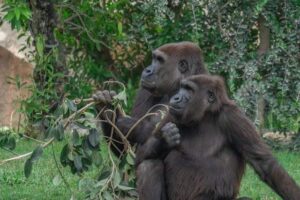
Planning a Uganda gorilla trekking safari and wondering about the best time to visit the gorillas in Uganda?
For many travelers, June to September and December to February are attractive periods because trekking conditions are generally drier. However, gorilla trekking is possible throughout the year, and Uganda’s tropical mountain forests can experience rainfall even during the dry seasons.
The right time for your gorilla safari depends on more than weather. You should also consider gorilla permit availability, trekking conditions, accommodation, road conditions, safari prices, photography and the other destinations you want to visit.
With Mambo Gorilla Safaris Uganda, your gorilla trekking dates can be planned around your preferred travel season, trekking sector, accommodation and wider Uganda safari itinerary.
Quick Answer: What Is the Best Time to Visit the Gorillas in Uganda?
The most popular periods for gorilla trekking are:
- June to September
- December to February
These months are generally associated with drier conditions and can make forest trails more comfortable to navigate.
However, there is no completely rain-free season in Bwindi or Mgahinga. Both destinations are high-altitude tropical forest environments.
The wetter periods are generally:
- March to May
- October to November
These months can bring wetter and muddier trails, but gorilla trekking continues throughout the year.
Therefore, the best time to visit the gorillas in Uganda is ultimately the period that matches your weather preferences, budget, permit availability and overall safari plans.
Where Can You See Gorillas in Uganda?
Uganda has two national parks where visitors can track mountain gorillas:
- Bwindi Impenetrable National Park
- Mgahinga Gorilla National Park
UWA confirms that both parks offer gorilla trekking. Bwindi has four principal trekking sectors: Buhoma, Ruhija, Rushaga and Nkuringo, while Mgahinga provides another gorilla trekking experience in the Virunga Mountains.
This is important when choosing your travel dates because your gorilla permit is connected to a specific trekking date and designated entry point.
UWA’s current gorilla management guidelines state that permits are booked according to the date and designated entry point, while visitors are allocated to specific gorilla families on the day of tracking.
Is Gorilla Trekking in Uganda Open All Year?
Yes.
Gorilla trekking can be done throughout the year.
The mountain gorillas do not migrate away from Uganda during the rainy season, so there is no closed season simply because of rainfall.
The main difference is the condition of the forest trails.
During wetter periods you may encounter:
- Muddy paths
- Slippery slopes
- Wet vegetation
- More difficult hiking conditions
- Rain during the trek
During relatively drier periods, trails may be easier to navigate.
UWA describes gorilla trekking as requiring moderate fitness, with treks potentially lasting approximately 2–7 hours, depending on the location of the gorilla family.
Best Time to Visit Gorillas in Uganda by Season
June to September: Main Dry Season
June through September is one of the most popular periods for Uganda gorilla trekking.
Travelers often choose these months because trekking conditions are generally more favorable.
Advantages
- Generally drier trails
- Reduced likelihood of prolonged rainfall
- Easier hiking conditions
- Good conditions for photography
- Suitable for combining gorilla trekking with wildlife safaris
- Popular period for first-time gorilla trekkers
Things to Consider
Because these months are popular, you should plan ahead for:
- Gorilla permits
- Accommodation
- Safari vehicles
- Flights
- Airport transfers
If you want to travel during July or August, booking early can give you more flexibility.
December to February: Another Popular Gorilla Trekking Season
December, January and February are another generally favorable period for gorilla trekking.
This period is particularly attractive to travelers planning:
- Christmas holidays
- New Year holidays
- Winter escapes
- Uganda wildlife safaris
- Gorilla and chimpanzee combinations
December can be busy around Christmas and New Year, so travelers should plan early if they have fixed dates.
March to May: Long Rainy Season
March to May is generally wetter.
Gorilla trekking remains possible, but you should prepare for:
- Muddy trails
- Slippery terrain
- Rain
- Wet vegetation
- More challenging hiking
However, there are also advantages.
The forest can be exceptionally green and atmospheric, and travelers who are flexible with dates may find this season appealing.
If you do not mind getting wet and want a quieter rainforest experience, this can still be a rewarding time to visit.
October to November: Short Rainy Season
October and November are also generally wetter months.
The forest becomes lush, and rain can make some trails more challenging.
However, the gorilla trekking experience itself continues.
For travelers visiting during this period, good waterproof clothing and footwear are particularly important.
Best Month-by-Month Guide to Gorilla Trekking in Uganda
January
January is generally part of the drier period and is popular for gorilla trekking.
Conditions: Generally favorable
Rain: Possible
Demand: Moderate to high
February
February continues the relatively favorable trekking period.
It can work well for travelers combining gorilla trekking with Queen Elizabeth or Kibale National Park.
Conditions: Generally favorable
Rain: Possible
Demand: Moderate to high
March
March generally brings increasing rainfall.
Conditions: Wetter
Trails: Potentially muddy
Demand: Generally lower
April
April can be one of the wetter periods.
Expect potentially muddy and slippery trails.
Conditions: Wet
Rain: Higher
Landscape: Very green
May
May remains part of the wetter season, although conditions can vary.
Conditions: Variable
Rain: Moderate to high
Landscape: Lush
June
June marks the beginning of the main drier period.
Conditions: Generally favorable
Demand: Increasing
July
July is one of the popular months for gorilla trekking.
Conditions: Generally favorable
Demand: High
August
August remains within the main dry season.
Conditions: Generally favorable
Demand: High
September
September can provide generally favorable trekking conditions, although rainfall patterns can vary.
Conditions: Generally favorable
Demand: Moderate to high
October
October generally becomes wetter.
Conditions: Variable
Rain: Increasing
November
November is generally among the wetter months.
Conditions: Wetter
Trails: Potentially slippery
December
December begins another generally favorable period and is particularly popular around the Christmas and New Year holidays.
Conditions: Generally favorable
Demand: High around holidays
Best Time for Gorilla Trekking in Bwindi
Bwindi is Uganda’s most established gorilla trekking destination and has four principal trekking sectors:
Buhoma
Located in the northern part of Bwindi, Buhoma is the historic gorilla trekking area and offers access to forest walks and other activities.
Ruhija
Ruhija is located in eastern Bwindi and is known for its forest environment, birding opportunities and gorilla trekking.
Rushaga
Rushaga is in southern Bwindi and is also associated with gorilla habituation experiences.
Nkuringo
Nkuringo is another southern sector and is known for its mountainous terrain and dramatic views.
UWA confirms these four main Bwindi trekking sectors.
The best sector for you may depend on permit availability, accommodation, your route into Bwindi and your wider safari itinerary.
Best Time for Gorilla Trekking in Mgahinga
Mgahinga Gorilla National Park provides an alternative to Bwindi.
The park lies within the Virunga Mountains and offers mountain gorilla trekking alongside other activities such as golden monkey tracking and volcano hiking.
UWA describes Mgahinga as an alternative gorilla trekking destination and notes that the park issues a limited number of gorilla permits each day.
Mgahinga can be particularly convenient for travelers staying around Kisoro or Lake Mutanda or those arriving through southwestern Uganda.
Does Rain Affect Gorilla Trekking?
Yes, rainfall can affect the difficulty of trekking.
Rain can make the forest:
- Muddy
- Slippery
- Steep
- More physically demanding
However, rain does not necessarily make the experience worse.
A rainy Bwindi forest can be incredibly beautiful, with:
- Mist
- Lush vegetation
- Water droplets on leaves
- Dramatic forest scenery
- Fresh rainforest atmosphere
The most important thing is to prepare properly.
Is the Dry Season Always the Best?
Not necessarily.
The dry season is often preferred because trails can be easier to navigate, but it is also a popular travel period.
This can mean:
- Higher demand for permits
- Greater demand for accommodation
- Less flexibility with fixed dates
- More advance planning
The rainy season can provide an alternative for travelers with flexible schedules.
Therefore, rather than asking only “When is the best weather?”, ask:
“Which season works best for my complete Uganda safari?”
Best Time for Gorilla Photography
If photography is important to you, both dry and wet seasons have advantages.
Dry-Season Photography
Potential advantages include:
- Easier trekking
- Less rain on equipment
- More predictable trail conditions
- Comfortable conditions for longer photography sessions
Rainy-Season Photography
Wet weather can create:
- Misty forest backgrounds
- Deep green vegetation
- Atmospheric scenes
- Dramatic natural light
- Unique rainforest photographs
Regardless of the season, wildlife photography depends on the gorilla family’s location, behavior and the conditions on the day.
How Long Does Gorilla Trekking Take?
Gorilla trekking is not a fixed-length hike.
UWA states that treks can last approximately 2–7 hours, depending on where the gorilla family is located. Visitors are allowed one hour of observation once they locate the habituated gorilla family.
This means you should avoid scheduling an important activity immediately after your gorilla trek.
A longer trek can involve significant elevation changes and uneven terrain.
What Should You Wear for Gorilla Trekking?
Regardless of when you travel, appropriate clothing makes a significant difference.
Pack:
- Waterproof hiking boots
- Long trousers
- Long-sleeved shirt
- Waterproof jacket
- Rain trousers
- Warm fleece
- Gardening or trekking gloves
- Gaiters
- Hat
- Sunglasses
- Insect repellent
- Sunscreen
- Small backpack
- Water bottle
A waterproof backpack cover or dry bag is particularly useful.
What Happens If It Rains During Your Gorilla Trek?
Rain is normal in Bwindi and Mgahinga.
If rain begins during your trek:
- Follow your guide’s instructions.
- Put on your waterproof jacket.
- Protect your camera and electronics.
- Use your backpack rain cover.
- Watch your footing on slippery sections.
- Continue at a safe pace.
Your guides and trackers are familiar with the forest environment and will guide you through changing conditions.
Best Time to Visit Gorillas in Uganda for Different Travelers
For First-Time Gorilla Trekkers
June to September and December to February are generally attractive because of the relatively favorable trekking conditions.
For Budget-Conscious Travelers
Consider being flexible with travel dates and accommodation. Rather than assuming a particular season guarantees a lower gorilla permit price, ask Mambo for the applicable rates and availability for your dates.
For Photographers
Both dry and wet seasons can work.
The dry period can offer easier trekking, while the wet season can produce atmospheric rainforest photography.
For Families
The relatively drier periods may be more comfortable for travelers who want easier trail conditions, although physical ability and age requirements should always be considered before booking.
For Adventure Travelers
The wetter season can provide a more challenging forest hike and a particularly lush environment.
Can You Trek Gorillas During the Rainy Season?
Yes.
Gorilla trekking continues during rainy periods.
The main difference is that trails may become more slippery and hiking can be more challenging.
If you are comfortable with rain and properly equipped, the rainy season can still provide a memorable experience.
Do Gorilla Permits Cost Less During the Rainy Season?
Do not rely on outdated online articles claiming that gorilla permits automatically become cheaper during rainy months.
Permit tariffs can change, and the applicable price depends on the traveler’s category and the current UWA tariff.
UWA’s published tariff documents have different categories for foreign non-residents, foreign residents, East African Community citizens and other travelers.
For your exact travel date, Mambo Gorilla Safaris can help you confirm the applicable permit requirements and current cost before booking.
How Far in Advance Should You Book?
If you want to travel during a popular period such as July, August, Christmas or New Year, it is sensible to start planning well in advance.
Your safari needs to coordinate:
- Gorilla permit
- Trekking sector
- Accommodation
- Vehicle
- Driver-guide
- Flights
- Airport transfers
- Other national parks
UWA’s current guidelines emphasize booking gorilla permits according to the tracking date and designated entry point.
This is one reason it is useful to have your safari operator coordinate the entire itinerary.
Why Book Your Gorilla Safari With Mambo Gorilla Safaris?
Mambo Gorilla Safaris Uganda specializes in arranging East African safari experiences, with a strong focus on Uganda gorilla trekking and wildlife adventures.
For a gorilla safari, Mambo can help coordinate the major components of your trip, including:
- Gorilla permits
- Trekking sector
- Accommodation
- Safari transportation
- Driver-guide
- Airport transfers
- Uganda wildlife safaris
- Chimpanzee trekking
- Cultural experiences
- Multi-country East African itineraries
This is particularly useful if your gorilla trek is part of a longer Uganda itinerary.
Instead of arranging each component separately, you can build the entire trip around your preferred gorilla trekking date.
Combine Gorilla Trekking With a Uganda Wildlife Safari
One of the biggest advantages of choosing Uganda is the ability to combine gorilla trekking with classic wildlife and primate experiences.
A Mambo itinerary can potentially combine:
Bwindi Impenetrable National Park
Gorilla trekking
Kibale National Park
Chimpanzee trekking
Queen Elizabeth National Park
Game drives and Kazinga Channel boat trips
Murchison Falls National Park
Game drives and Nile boat safari
Lake Mburo National Park
Zebra, antelope and walking safari experiences
Mgahinga Gorilla National Park
Gorilla trekking, golden monkeys and volcano hiking
This makes your gorilla permit date the central point around which the rest of the itinerary can be organized.
Example 7-Day Uganda Gorilla and Wildlife Safari
If you have more time than a simple gorilla trekking trip, consider an itinerary such as:
Day 1: Kampala/Entebbe – Kibale
Travel toward Kibale National Park.
Day 2: Chimpanzee Trekking
Enjoy chimpanzee trekking and explore the surrounding area.
Day 3: Kibale – Queen Elizabeth
Continue to Queen Elizabeth National Park.
Day 4: Queen Elizabeth Safari
Enjoy a game drive and optional Kazinga Channel boat trip.
Day 5: Queen Elizabeth – Bwindi
Travel toward Bwindi through southwestern Uganda.
Day 6: Gorilla Trekking
Spend the day tracking mountain gorillas.
Day 7: Bwindi – Entebbe/Kampala
Return toward your departure point.
The exact itinerary can be changed according to your flight schedule, trekking sector, permit date and interests.
Gorilla Trekking and Conservation
Gorilla tourism plays an important role in conservation and surrounding communities.
UWA states that it shares 20% of annual park revenue with communities around national parks and also shares funds from gorilla tracking permits at Bwindi with neighboring communities. These funds support household and community projects.
By taking part in a properly managed gorilla trekking experience, travelers contribute to an ecosystem in which conservation, tourism and community development are connected.
Plan Your Gorilla Trekking Safari With Mambo Gorilla Safaris
The best time to visit the gorillas in Uganda depends on your priorities.
For generally easier trekking conditions, June to September and December to February are popular choices.
For travelers who are flexible and comfortable with rain, the wetter months can also provide an unforgettable experience in Uganda’s lush mountain forests.
Whatever season you choose, the most important steps are to secure the appropriate gorilla permit, choose the right trekking sector, arrange suitable accommodation and build enough time into your itinerary for the trek.
Mambo Gorilla Safaris Uganda can help you organize your gorilla trekking adventure around your travel dates and combine it with Uganda’s wildlife, chimpanzee and cultural experiences.
Ready to Plan Your Uganda Gorilla Safari?
Contact Mambo Gorilla Safaris for a customized gorilla trekking itinerary based on your travel dates, group size, preferred trekking sector and budget.


