Email: info@mambogorillasafarisuganda.com | Call: +256772666331

How to Avoid Being Scammed When Planning Your Kenya Safari Online

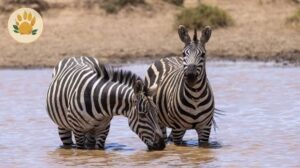
Planning a Kenya safari online should be exciting. You should be thinking about watching lions in the Maasai Mara, seeing elephants beneath Mount Kilimanjaro in Amboseli, exploring the landscapes of Tsavo, or combining your Kenya adventure with gorilla trekking in Uganda.
But before you book, there is one important question to answer:
How can you make sure the Kenya safari company you are booking with is genuine?
Online safari scams can involve fake tour operators, copied websites, misleading safari prices, fake accommodation reservations, fraudulent payment details and social media impersonation. Fortunately, travelers can greatly reduce these risks by knowing what to verify before making a payment.
This guide from Mambo Gorilla Safaris Uganda explains how to safely plan and book a Kenya safari online, what warning signs to look for, what questions to ask a tour operator and how to protect yourself before, during and after booking.
Quick Answer: How Do You Avoid Kenya Safari Scams?
The best way to avoid being scammed when planning a Kenya safari online is to verify the safari company before paying.
Before booking your safari:
- Research the tour operator thoroughly.
- Check its website, contact details and online presence.
- Look for genuine independent reviews.
- Compare safari quotations from different operators.
- Be cautious of prices that appear unrealistically cheap.
- Request a detailed day-by-day itinerary.
- Confirm the names of your hotels, lodges or camps.
- Ask what is included and excluded from the price.
- Verify payment instructions before transferring money.
- Request an official quotation and invoice.
- Check current park and conservation fees through official sources.
- Keep copies of your booking documents and payment receipts.
- Do not allow pressure or urgency to make you pay before you are satisfied.
A trustworthy safari company should be comfortable answering your questions and explaining exactly what you are paying for.
Why You Should Be Careful When Booking a Kenya Safari Online
Kenya is one of Africa’s leading safari destinations. Every year, travelers from Europe, North America, Asia, Australia and other parts of the world search online for Kenya safari companies and packages.
The popularity of destinations such as the Maasai Mara, Amboseli, Lake Nakuru, Tsavo and Samburu means that there is a large market for online safari bookings.
Unfortunately, this can also attract fraudsters.
A scammer may create a website that looks like a legitimate safari company and advertise attractive packages. They may use wildlife photographs copied from other websites and provide convincing itineraries to make the offer appear genuine.
Some fraudulent operators may even send professional-looking invoices before disappearing after receiving a deposit.
This does not mean that booking a Kenya safari online is unsafe.
It means that you should verify the company before you pay.
1. Research the Kenya Safari Company Before You Book
Your first step should be researching the company you are considering.
Do not choose a safari operator simply because its website appears attractive.
Look for evidence that the company is actively operating safaris and communicating with real travelers.
Check:
- The company name
- Official website
- Business email address
- Telephone numbers
- Physical or business presence
- Social media accounts
- Customer reviews
- Safari itineraries
- Destination information
- Previous traveler experiences
A professional tour operator should be able to explain its safari packages clearly and answer questions about your trip.
Check that the information is consistent
The company’s name, email address, telephone number and payment information should make sense together.
Be cautious when:
- Different people provide different company names.
- Payment details suddenly change.
- A company website uses one name while the invoice uses another.
- The person selling the safari refuses to provide proper documentation.
- You cannot find any independent information about the business.
One unusual detail does not automatically mean that a company is fraudulent, but several inconsistencies should encourage you to investigate further.
2. Do Not Choose a Kenya Safari Simply Because It Is the Cheapest
Safari travelers naturally want good value for money.
However, an unusually cheap Kenya safari should make you ask questions.
The cost of a safari depends on several factors, including:
- Safari duration
- Number of travelers
- Accommodation category
- Park and conservation fees
- Safari vehicle
- Private or shared safari
- Meals
- Professional guide
- Airport transfers
- Domestic flights
- Travel season
- Activities included
For example, a luxury private Maasai Mara safari cannot realistically be compared with a budget camping safari simply because both are advertised as “3-day Kenya safaris.”
What should you do when one price is much lower?
Ask the operator:
“What exactly is included in this price?”
The cheapest quotation may exclude accommodation upgrades, park fees, transportation or other important services.
A genuine safari company should be able to explain the price rather than simply promising you an extraordinary deal.
3. Compare Kenya Safari Packages Before Making Your Decision
Getting two or three safari quotations can help you understand the market.
But do not compare only the total price.
Compare the services included in each quotation.
For example:
| Safari feature | What to compare |
|---|---|
| Duration | Number of safari days |
| Accommodation | Budget, mid-range or luxury |
| Transport | Safari van or 4×4 Land Cruiser |
| Park fees | Included or excluded |
| Meals | Which meals are included |
| Guide | Professional driver-guide |
| Game drives | Number and duration |
| Transfers | Airport and hotel transfers |
| Activities | Any additional experiences |
| Flights | Domestic flights included or excluded |
This gives you a much more accurate picture of the value of each safari package.
4. Ask for a Detailed Kenya Safari Itinerary
Never book an expensive safari based only on a short WhatsApp message or a few lines on a website.
Ask for a detailed itinerary.
A proper itinerary should tell you:
- Where you will go.
- Where you will stay.
- How you will travel.
- What activities are planned.
- How many game drives are included.
- What happens on each day.
- What is included in the price.
For example:
Day 1 – Nairobi to Maasai Mara
Travel from Nairobi to the Maasai Mara, arrive at your lodge or camp and enjoy a game drive depending on your arrival time.
Day 2 – Full-Day Maasai Mara Safari
Spend the day exploring the reserve with game drives and opportunities to see lions, elephants, buffaloes, giraffes and other wildlife.
Day 3 – Maasai Mara to Nairobi
Enjoy a morning activity before returning to Nairobi.
Your actual itinerary may be different depending on your interests, accommodation and travel schedule.
If an operator refuses to provide a clear itinerary, consider this a warning sign.
5. Verify Your Kenya Safari Accommodation
Accommodation can significantly affect the cost and quality of your safari.
Before paying, ask for the names of the hotels, lodges or camps included in your package.
Then research them independently.
Check:
- Location
- Accommodation category
- Recent traveler reviews
- Official website
- Contact information
- Room type
- Distance from the park
- Services provided
If you are paying for a luxury safari, but the operator cannot tell you where you will stay, ask for clarification before making payment.
A professional operator should clearly identify the accommodation included in your itinerary.
6. Check Independent Reviews
Reviews can help you understand what previous travelers experienced.
However, do not rely only on testimonials published on the safari company’s website.
Look for independent feedback and pay attention to repeated comments about:
- Safari guides
- Vehicles
- Accommodation
- Communication
- Airport transfers
- Customer service
- Whether the advertised itinerary was delivered
- Whether travelers received what they paid for
A single negative review does not necessarily mean a company is fraudulent.
Look for patterns across multiple reviews.
7. Check the Safari Company’s Email Address Carefully
Before sending money, examine the email address used by the person handling your booking.
Ideally, the email should be clearly connected to the safari company’s official business identity.
Be particularly careful when someone using one email address suddenly asks you to communicate through another unrelated address.
Also look for subtle changes in spelling or domain names.
For example, a fraudulent email may be designed to look almost identical to a legitimate business address.
When money is involved, small details matter.
8. Never Trust a Sudden Change in Payment Details Without Verification
This is one of the most important rules when booking a safari online.
Suppose you have been communicating with a tour operator and receive a message saying:
“Our bank account has changed. Please send your deposit to this new account.”
Do not immediately transfer the money.
Contact the company using a telephone number or communication channel that you previously verified.
Confirm:
- The account name
- Bank details
- Payment amount
- Payment deadline
- Reason for the change
Do not rely solely on the message containing the new payment information.
9. Understand Exactly What Is Included in Your Kenya Safari
Before paying, ask for a clear list of inclusions and exclusions.
Depending on the package, your safari may include:
- Accommodation
- Meals
- Park entrance fees
- Safari vehicle
- Professional driver-guide
- Game drives
- Airport transfers
- Drinking water
- Government taxes
- Activities listed in the itinerary
Possible exclusions may include:
- International flights
- Visa costs
- Travel insurance
- Personal purchases
- Alcoholic beverages
- Laundry
- Tips
- Optional activities
Never assume that “all-inclusive” means absolutely everything.
Ask the operator to define it in writing.
10. Verify Current Kenya Park and Conservation Fees
Kenya’s protected areas have official fees and payment procedures.
If you are organizing a safari independently, check current information directly through the relevant wildlife authority.
If you are booking through a tour operator, ask whether park fees and conservation fees are included in your quotation.
Do not rely on an old blog post, social media screenshot or outdated price list when calculating your safari budget.
Fees and regulations can change, so current official information should always take priority.
11. Watch Out for Fake Kenya Safari Websites
A professional-looking website does not automatically prove that a safari company is legitimate.
Fraudulent websites can copy:
- Wildlife photographs
- Safari descriptions
- Lodge information
- Tour itineraries
- Company profiles
- Customer testimonials
Before booking, look beyond the design of the website.
Ask yourself:
Does this company have a consistent and verifiable online presence?
Check whether its website, social media profiles, contact details and customer reviews tell the same story.
12. Be Careful With Kenya Safari Offers on Social Media
Facebook, Instagram and other social media platforms are useful for discovering safari companies.
However, they can also be used by people pretending to represent legitimate operators.
A social media account may have:
- Beautiful wildlife photographs
- Hundreds or thousands of followers
- Promotional videos
- Positive comments
- Attractive discounts
These things alone do not prove that the person behind the account is authorized to sell safaris.
Before paying through social media, verify the company independently and request official booking documents.
13. Do Not Allow Pressure to Make You Pay
Be cautious if someone repeatedly tells you:
- “Pay now.”
- “This offer ends today.”
- “There is only one place remaining.”
- “You must send the deposit immediately.”
- “The price will double if you wait.”
Some genuine safari availability can become limited during peak seasons.
However, a reputable operator should still allow you enough time to understand your itinerary and verify payment details.
Pressure should never replace verification.
Common Kenya Safari Scams Travelers Should Know
Fake Tour Operator Scams
A person creates a website or social media profile pretending to be a safari company and collects deposits from travelers.
Fake Accommodation Scams
A scammer advertises a lodge, hotel or camp that either does not exist or has not actually been reserved.
Unrealistic Discount Scams
A traveler is attracted by a safari price that is far below comparable market quotations.
Fake Payment Details
A fraudster provides a bank account or payment number that does not belong to the genuine safari company.
Fake Safari Websites
A fraudulent website copies content and images from a legitimate tour operator.
Social Media Impersonation
A fake account uses the name, photographs or branding of an established safari company.
Fake Invoices
A fraudulent invoice may contain genuine-looking safari information but direct payment to an unauthorized account.
How to Safely Book a Kenya Safari Online
Use this checklist before making your deposit.
Kenya Safari Booking Checklist
1. Research the company
Find out who you are booking with.
2. Check independent reviews
Look for genuine traveler experiences.
3. Compare quotations
Understand why different companies charge different prices.
4. Request a detailed itinerary
Know what you are buying.
5. Confirm accommodation
Check where you will stay.
6. Understand inclusions and exclusions
Avoid unexpected costs.
7. Verify payment details
Never blindly follow a changed payment instruction.
8. Request an invoice
Keep proper documentation.
9. Check official information
Verify current park fees and regulations.
10. Avoid pressure
Take time to make an informed decision.
Why Book Your Kenya Safari With Mambo Gorilla Safaris Uganda?
Choosing the right safari company is about more than finding the lowest price.
You want a company that understands East African travel, listens to your interests and can help you build a practical itinerary.
Mambo Gorilla Safaris Uganda specializes in East African safari experiences, including gorilla trekking, wildlife safaris and customized travel itineraries.
For travelers interested in Kenya, Mambo can help plan a safari around destinations such as the Maasai Mara and other wildlife areas, while travelers interested in a broader East African experience can also consider combining Kenya with Uganda.
A Kenya safari can therefore become part of a larger East African adventure.
Combine a Kenya Safari With Uganda Gorilla Trekking
For many international travelers, visiting Kenya and Uganda on the same trip offers an opportunity to experience two very different sides of East Africa.
You can combine:
Kenya savannah wildlife + Uganda mountain gorillas
For example, your trip could include:
Kenya
- Nairobi
- Maasai Mara
- Amboseli
- Lake Nakuru
- Tsavo
followed by:
Uganda
- Bwindi Impenetrable National Park
- Mountain gorilla trekking
- Queen Elizabeth National Park
- Kibale Forest
- Chimpanzee trekking
The ideal itinerary depends on your available time, budget, preferred activities and international flight arrangements.
Mambo Gorilla Safaris Uganda can help you create a customized East African safari rather than forcing you into a standard itinerary.
Best Kenya Safari Destinations to Consider
Maasai Mara National Reserve
The Maasai Mara is one of the most iconic wildlife destinations in Africa.
It is famous for its large populations of:
- Lions
- Leopards
- Cheetahs
- Elephants
- Buffaloes
- Giraffes
- Zebras
- Wildebeest
It is also associated with the annual Great Migration.
Amboseli National Park
Amboseli is particularly famous for its elephants and spectacular views of Mount Kilimanjaro.
Lake Nakuru National Park
Lake Nakuru is known for its diverse wildlife and opportunities to see rhinos, buffaloes, giraffes and other species.
Tsavo East and Tsavo West
The Tsavo ecosystem offers vast landscapes and excellent wildlife experiences for travelers looking for a more expansive Kenya safari.
Samburu National Reserve
Samburu offers a distinctive northern Kenya safari experience with beautiful semi-arid landscapes and specialized wildlife.
Nairobi National Park
Nairobi National Park is ideal for travelers who want to experience an African safari close to Kenya’s capital.
What to Do If You Think You Are Being Scammed
If something about your safari booking does not feel right, stop before sending more money.
Step 1: Stop the payment
Do not send additional funds until you have verified the situation.
Step 2: Contact the company independently
Use a previously verified telephone number, official website or another trusted channel.
Step 3: Verify your accommodation
Contact the hotel, lodge or camp directly if you are unsure whether a reservation exists.
Step 4: Verify official fees
Check the relevant wildlife authority for current park fees and payment information.
Step 5: Save your evidence
Keep:
- Invoices
- Payment receipts
- Emails
- WhatsApp messages
- Itineraries
- Booking confirmations
Step 6: Contact your payment provider
If you believe you have sent money to a fraudulent party, contact your bank or payment provider as quickly as possible.
Frequently Asked Questions About Kenya Safari Scams
Is it safe to book a Kenya safari online?
Yes. Thousands of travelers book Kenya safaris online. The important thing is to verify the tour operator, understand the itinerary and confirm payment details before making a deposit.
How do I know if a Kenya safari company is genuine?
Research its business presence, website, contact information, independent reviews, safari itineraries and customer history. Ask questions and verify payment details before paying.
Why is one Kenya safari cheaper than another?
Prices can differ because of accommodation, safari duration, vehicle type, park fees, group size, travel season and included activities.
Should I book the cheapest Kenya safari?
Not necessarily. A cheaper safari may offer different accommodation, transportation or inclusions. Compare the complete package rather than only the advertised price.
How can I identify a fake Kenya safari website?
Look for inconsistencies in company names, contact details, payment information and business information. Also check independent reviews and the company’s history.
Can I combine a Kenya safari with Uganda gorilla trekking?
Yes. Kenya and Uganda can be combined into a longer East African itinerary, subject to your travel dates, flights, border arrangements and safari preferences.
What is the biggest warning sign of a safari scam?
A combination of an unusually low price, pressure to pay quickly, unclear company information and suspicious payment instructions should be treated as a serious warning sign.
Plan Your Kenya Safari With Confidence
A Kenya safari should begin with excitement—not uncertainty about whether your booking is genuine.
Take time to research your safari company. Compare quotations. Request a detailed itinerary. Verify your accommodation. Understand what is included. Confirm payment information before transferring money.
Most importantly, do not choose a safari company simply because it offers the lowest price.
Choose an operator that communicates clearly, provides a detailed itinerary and gives you confidence from the moment you make your inquiry.
Whether you want to experience the Maasai Mara, Amboseli, Lake Nakuru, Tsavo or Samburu, or combine a Kenya wildlife safari with Uganda gorilla trekking, Mambo Gorilla Safaris Uganda can help you plan an unforgettable East African adventure.
Start planning your Kenya safari with Mambo Gorilla Safaris Uganda today.


