Email: info@mambogorillasafarisuganda.com | Call: +256772666331

Top 5 Famous National Parks in Kenya: Best Places for an African Safari

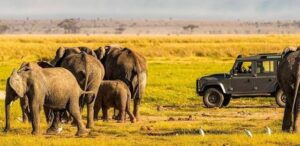
Planning an African safari? Kenya is one of East Africa’s most exciting wildlife destinations, offering vast savannahs, large elephant herds, endangered rhinos, spectacular landscapes and unforgettable game drives. From the dramatic scenery of Amboseli National Park to the immense wilderness of Tsavo East, Kenya’s national parks offer different experiences for first-time visitors, families, couples, photographers and experienced safari travellers.
At Mambo Gorilla Safaris Uganda, we understand that choosing the right destinations is an important part of planning a memorable African adventure. Whether you are interested in wildlife viewing in Kenya, mountain gorilla trekking in Uganda, or a longer East African holiday, understanding what each destination offers can help you build a rewarding itinerary.
In this guide, we explore five famous national parks in Kenya, their major attractions, the best time to visit and how to plan a safari that suits your interests.
Quick Answer: What Are the Top 5 Famous National Parks in Kenya?
Five famous national parks worth considering for a Kenya safari are:
- Amboseli National Park – famous for large elephant herds and views of Mount Kilimanjaro.
- Tsavo East National Park – known for its expansive wilderness, red-dust elephants and open landscapes.
- Tsavo West National Park – popular for Mzima Springs, volcanic scenery and diverse habitats.
- Lake Nakuru National Park – renowned for its rhino conservation, birdlife and scenic lake.
- Nairobi National Park – a unique wildlife destination close to Kenya’s capital city.
These parks are not an absolute ranking; the best choice depends on your wildlife interests, travel dates, available time and preferred safari style.
1. Amboseli National Park: Best for Elephants and Mount Kilimanjaro Views
Amboseli National Park is among Kenya’s most recognisable safari destinations. Located in southern Kenya, it is famous for its elephant herds, open plains, wetlands and spectacular views of Mount Kilimanjaro across the border in Tanzania.
The combination of wildlife and mountain scenery makes Amboseli particularly attractive to photographers and travellers seeking classic African safari photographs.
Top attractions in Amboseli National Park
Elephant watching: Amboseli is particularly well known for its elephants. Visitors may see elephants feeding, crossing open plains or moving between water sources.
Mount Kilimanjaro views: On clear days, the mountain provides an impressive backdrop for wildlife photography. Visibility varies with weather and cloud cover.
Birdwatching: Wetlands and other habitats support diverse birdlife, making the park appealing to bird enthusiasts.
Observation Hill: This viewpoint offers broad views over parts of the park and its surrounding landscape.
Maasai cultural experiences: Travellers may be able to arrange respectful, community-led cultural visits in the surrounding area.
Best time to visit Amboseli National Park
Amboseli can be visited throughout the year. The drier periods are often attractive for wildlife viewing, while the rainy seasons can bring greener scenery and changing photographic conditions. Mount Kilimanjaro is not guaranteed to be visible, so allowing more than one morning or evening can improve your chances of a clear view.
Who should visit Amboseli?
Amboseli is an excellent option for elephant lovers, wildlife photographers, couples and families looking for a classic Kenya safari experience.
2. Tsavo East National Park: Best for Vast Wilderness and Red Elephants
Tsavo East National Park is one of Kenya’s largest national parks. Its expansive, semi-arid landscape, open plains, scrubland and river systems create a safari experience that feels spacious and wild.
The park is famous for its distinctive red-dust elephants. Their colour comes from the reddish soil they cover themselves with during dust bathing, rather than being their natural skin colour.
Top attractions in Tsavo East National Park
Red elephants: Elephants coated in the park’s red soil are among Tsavo East’s best-known wildlife sights.
Galana River: The river provides an important water source and creates a contrasting landscape within the dry surroundings.
Yatta Plateau: This remarkable geological feature is associated with an ancient lava flow and adds to the park’s distinctive scenery.
Wildlife game drives: Visitors can search for elephants, lions, giraffes, buffaloes, zebras, antelopes and numerous bird species. Sightings vary depending on season, location and animal movements.
Birdwatching: Tsavo East supports a wide range of birdlife, making it worth considering for travellers interested in more than large mammals.
Best time to visit Tsavo East
The drier months are often favourable for wildlife viewing because vegetation can be less dense and animals may gather near available water. The greener seasons offer beautiful scenery, although rainfall may affect road conditions and visibility.
Who should visit Tsavo East?
Tsavo East is well suited to travellers who enjoy extensive wilderness, long game drives, wildlife photography and combining several parks in one Kenya safari.
3. Tsavo West National Park: Best for Scenery, Springs and Diverse Landscapes
Tsavo West National Park offers a different atmosphere from the more open terrain of Tsavo East. Its landscape includes volcanic features, rocky hills, bushland, springs and areas of lush vegetation.
The park is a good choice for visitors who want a combination of wildlife viewing, natural scenery and geological attractions.
Top attractions in Tsavo West National Park
Mzima Springs: These clear-water springs are among the park’s best-known natural attractions. The surrounding habitat supports wildlife and birdlife.
Shetani Lava Flow: This striking volcanic landscape illustrates the region’s geological history.
Rhino conservation: Tsavo West includes a rhino sanctuary, although sightings of these endangered animals are never guaranteed.
Scenic viewpoints: Rocky hills and elevated viewpoints offer opportunities to appreciate the park’s varied terrain.
Wildlife viewing: Depending on conditions, visitors may encounter elephants, buffaloes, giraffes, zebras, antelopes and predators.
Best time to visit Tsavo West
Tsavo West can be visited year-round. Dry conditions can make some wildlife easier to locate, while greener months bring attractive landscapes and opportunities for photography. A knowledgeable guide can help visitors navigate the park’s varied habitats.
Who should visit Tsavo West?
Tsavo West is ideal for travellers who enjoy landscapes as much as wildlife, nature photography, geological features and a safari itinerary with more than one type of attraction.
4. Lake Nakuru National Park: Best for Rhinos and Birdwatching
Lake Nakuru National Park, in Kenya’s Rift Valley region, is known for its scenic lake, rich birdlife and important role in rhino conservation. The park combines water, grassland, woodland and rocky terrain, creating a varied environment for wildlife viewing.
Although flamingos are closely associated with Lake Nakuru, their numbers and distribution can change with water conditions and food availability. Visitors should not assume that the lake will always be covered in pink flamingos.
Top attractions in Lake Nakuru National Park
Black and white rhinos: The park is an important sanctuary for both species, making it a strong choice for travellers interested in rhino conservation.
Birdwatching: The lake and surrounding habitats support many bird species, attracting birdwatchers throughout the year.
Lake scenery: The lake provides beautiful photographic opportunities, especially when the light is soft in the early morning or late afternoon.
Woodland and grassland wildlife: Game drives may reveal giraffes, buffaloes, zebras, antelopes and other wildlife.
Scenic viewpoints and waterfalls: Selected viewpoints and natural features add variety to a visit beyond the main game-drive routes.
Best time to visit Lake Nakuru
Lake Nakuru can be visited throughout the year. Wildlife viewing is often rewarding during drier conditions, while rainfall can transform the scenery and influence bird distribution. Check current park conditions when arranging your trip.
Who should visit Lake Nakuru?
Lake Nakuru is a strong option for birdwatchers, wildlife photographers, rhino enthusiasts, families and travellers looking for a compact park experience within a wider Kenya itinerary.
5. Nairobi National Park: Best for a Safari Near the City
Nairobi National Park is one of Kenya’s most distinctive wildlife destinations because it lies close to the capital city. Its open grasslands and wildlife habitats contrast with Nairobi’s urban skyline, creating a setting that is unusual among major African safari destinations.
Its location makes it especially useful for travellers with limited time or those who want a wildlife experience before or after an international flight.
Top attractions in Nairobi National Park
Wildlife viewing close to the city: Visitors can enjoy a game drive without travelling far from Nairobi’s main urban areas.
Rhino conservation: The park is an important refuge for endangered rhinos.
Predators and plains wildlife: Depending on conditions, visitors may see lions, giraffes, buffaloes, zebras and other species.
Birdwatching: A variety of habitats supports diverse birdlife.
City-skyline photography: The contrast between wildlife and Nairobi’s skyline provides a memorable photographic subject.
Best time to visit Nairobi National Park
The park is open to visitors throughout the year, subject to current park rules and operating conditions. Early morning game drives can be worthwhile because wildlife is often more active during cooler hours.
Who should visit Nairobi National Park?
This park is suitable for short-stay visitors, business travellers, families and safari enthusiasts who want to experience wildlife without committing to several days of travel outside Nairobi.
Bonus: Is Maasai Mara One of Kenya’s Famous National Parks?
The Maasai Mara is one of Kenya’s most famous wildlife destinations, but it is a national reserve, not a national park.
It deserves a mention because many travellers searching for the best national parks in Kenya are also interested in the Mara’s wide-open grasslands, large wildlife populations and seasonal wildebeest migration.
Why visit the Maasai Mara National Reserve?
- Big Five wildlife: The reserve is a popular destination for searching for lions, elephants, buffaloes, leopards and rhinos, although sightings are not guaranteed.
- Wildebeest migration: During the seasonal migration, large herds of wildebeest and other herbivores move through the greater Mara–Serengeti ecosystem. Timing and river crossings vary.
- Predator viewing: Lions, cheetahs and other predators make the reserve particularly attractive to wildlife enthusiasts.
- Cultural experiences: Visitors can explore appropriately arranged community-led experiences with Maasai communities.
If your main priority is classic savannah wildlife and the possibility of seeing migration-related activity, consider including the Maasai Mara in your research alongside Kenya’s national parks.
Comparison of the Top 5 Famous National Parks in Kenya
| National park | Best known for | Ideal for |
|---|---|---|
| Amboseli | Elephants and Mount Kilimanjaro views | Photographers and elephant lovers |
| Tsavo East | Red-dust elephants and vast landscapes | Wilderness and extended game drives |
| Tsavo West | Mzima Springs and volcanic scenery | Nature and landscape enthusiasts |
| Lake Nakuru | Rhinos and birdlife | Birdwatchers and wildlife photographers |
| Nairobi National Park | Wildlife near the capital | Short stays and convenient safaris |
What Is the Best Time to Visit Kenya’s National Parks?
Kenya’s parks can be visited throughout the year, but your preferred season may affect wildlife viewing, scenery, photography and road conditions.
Drier periods
Drier periods are often popular for game drives because vegetation may be less dense and animals can be easier to locate around available water sources. These periods can also be busy, so book accommodation and transport early when travelling during popular holiday dates.
Rainier periods
The rainy seasons can produce greener landscapes, attractive skies and rewarding birdwatching opportunities. However, rainfall may affect road conditions, driving times and access to some areas.
Choosing the right season for your safari
The best time depends on the parks you select and what you hope to see. If your trip includes the Maasai Mara’s wildebeest migration, check seasonal movement reports rather than relying on fixed dates. If you want Mount Kilimanjaro views from Amboseli, remember that cloud cover can affect visibility at any time of year.
How Many Days Do You Need to Visit Kenya’s National Parks?
The ideal duration depends on your budget, travel pace and the distance between destinations.
- 1 day: Consider Nairobi National Park if you have limited time in the capital.
- 2–3 days: Focus on one main destination, such as Amboseli or a selected Tsavo itinerary, allowing time for game drives and transfers.
- 4–5 days: Combine a couple of parks if the route and driving times make sense.
- 6–8 days: Consider a more extensive itinerary with several wildlife areas and time to enjoy each destination without rushing.
These are general planning suggestions rather than fixed travel times. Road conditions, park entry arrangements, accommodation locations and flight schedules can affect the final itinerary.
Sample 7-Day Kenya Wildlife Safari Itinerary
The following is an illustrative route for travellers interested in several of Kenya’s best-known wildlife destinations. The order and overnight stops should be adjusted to suit transport arrangements, park access and available accommodation.
Day 1: Arrive in Nairobi
Arrive in Nairobi, meet your driver or guide and settle into your accommodation. If time and arrival arrangements allow, consider an afternoon activity.
Day 2: Nairobi National Park
Enjoy a game drive in Nairobi National Park. Spend the afternoon resting or exploring a suitable city attraction.
Day 3: Travel to Amboseli National Park
Travel to Amboseli and enjoy an afternoon game drive if arrival time permits.
Day 4: Explore Amboseli
Spend time searching for elephants and other wildlife. Enjoy the scenery and look for clear views of Mount Kilimanjaro.
Day 5: Transfer towards Tsavo West
Travel towards Tsavo West, allowing adequate time for the journey and park arrangements. Depending on the route and schedule, enjoy a game drive or selected natural attractions.
Day 6: Explore Tsavo West or Tsavo East
Choose a full day in Tsavo West or plan a transfer and game drive in Tsavo East. Visiting both parks requires careful route planning.
Day 7: Return towards Nairobi or continue your journey
Travel towards Nairobi or connect with the next destination according to your flight and onward travel arrangements.
Important: This itinerary is a planning example, not a confirmed tour offered by Mambo Gorilla Safaris Uganda. The best route may differ depending on your arrival airport, departure airport, travel dates and budget.
Can You Combine a Kenya Safari with Gorilla Trekking in Uganda?
Yes. Kenya wildlife viewing and mountain gorilla trekking in Uganda can be combined in a broader East African holiday. This can be especially appealing to travellers who want to experience both open-savannah wildlife and an encounter with endangered mountain gorillas in their natural forest habitat.
Mambo Gorilla Safaris Uganda focuses on wildlife safaris and primate experiences in Uganda and the wider region. A combined trip should be planned around your preferred destinations, available flights, border requirements and gorilla permit availability.
What might a combined East African safari include?
Depending on your travel dates and arrangements, you could consider:
- Wildlife game drives in a selected Kenyan park or reserve.
- A flight or other suitable transfer connecting your Kenya itinerary with Uganda.
- Gorilla trekking in Bwindi Impenetrable National Park or Mgahinga Gorilla National Park, subject to permit availability.
- Additional wildlife or primate experiences in Uganda.
- Time to relax between transfers and activities.
Gorilla trekking permits must be arranged in advance, and the trek requires following park guidance. Cross-border travel also requires checking the current entry and visa rules applicable to your nationality.
Explore Mambo Gorilla Safaris Uganda’s official website to learn about its safari services and Uganda travel options.
You can also explore the company’s 8-Day Luxury Uganda Wildlife and Gorilla Safari for an example of how wildlife viewing and gorilla trekking can be combined within Uganda.
Tips for Planning a Successful Kenya Safari
Before booking your trip, consider these practical tips.
1. Choose parks based on your interests
If elephants and mountain scenery are your priorities, research Amboseli. If you prefer rhinos and birdlife, consider Lake Nakuru. For an easy wildlife outing from Nairobi, Nairobi National Park may be more convenient.
2. Allow enough time for transfers
Do not choose parks based on a map alone. Driving times can be substantial, and road conditions or park activities may affect your schedule.
3. Book accommodation and park access in advance
Check current entry fees, accommodation availability, park rules and any applicable booking procedures before departure.
4. Travel with appropriate safari equipment
Bring binoculars, a camera, sun protection, insect repellent, comfortable clothing and any personal essentials you need. A light layer may be useful for cool early-morning game drives.
5. Respect wildlife
Follow your guide’s instructions, remain in authorised areas, keep a respectful distance from animals and never feed wildlife. Responsible behaviour helps protect both visitors and animals.
6. Confirm current travel requirements
Check passport validity, visa or electronic travel authorisation requirements, health guidance and cross-border arrangements using official sources before travelling.
Why Plan Your East African Adventure with Mambo Gorilla Safaris Uganda?
Choosing destinations is only one part of a successful safari. A well-planned trip should also consider travel times, accommodation, transport, activities and the needs of each traveller.
Mambo Gorilla Safaris Uganda helps travellers explore wildlife and primate experiences in Uganda and the wider East African region. If you are considering a holiday that combines Kenya’s savannah wildlife with Uganda’s mountain gorillas, share your preferred travel dates, budget, group size and must-see attractions so the possibilities can be assessed.
Start by visiting the Mambo Gorilla Safaris Uganda website to explore the company’s available safari experiences and discuss a suitable itinerary.
Frequently Asked Questions About Kenya’s Famous National Parks
1. What are the five most famous national parks in Kenya?
Five well-known choices are Amboseli National Park, Tsavo East National Park, Tsavo West National Park, Lake Nakuru National Park and Nairobi National Park. The best option depends on your interests, available time and safari budget.
2. Which national park in Kenya is best for elephants?
Amboseli National Park is especially famous for its elephant herds and views of Mount Kilimanjaro. Tsavo East is another strong option for travellers interested in elephants and vast landscapes.
3. Which Kenyan national park is best for rhinos?
Lake Nakuru National Park is well known for its role in protecting black and white rhinos. Nairobi National Park and the rhino sanctuary in Tsavo West are also relevant destinations for travellers interested in rhino conservation. Wild sightings are never guaranteed.
4. Is the Maasai Mara a national park?
No. The Maasai Mara is a national reserve. It is nevertheless one of Kenya’s most famous wildlife destinations and is known for savannah wildlife and the seasonal wildebeest migration.
5. Can I visit Kenya’s national parks throughout the year?
Yes, many parks welcome visitors year-round, although rainfall, road conditions, wildlife movements and visitor numbers vary by season. Check current conditions before travelling.
6. How many days are enough for a Kenya safari?
A short safari can focus on one destination, while a trip of five to eight days may allow you to combine several parks more comfortably. The best duration depends on your route and travel priorities.
7. Can I combine a Kenya safari with gorilla trekking in Uganda?
Yes. With suitable flights or other transfers, you can combine selected Kenyan wildlife destinations with gorilla trekking in Uganda. Plan the route around permit availability, travel time and current border-entry requirements.
8. How can I plan a Uganda gorilla trekking safari with Mambo Gorilla Safaris Uganda?
Visit Mambo Gorilla Safaris Uganda to explore its available Uganda safari options and contact the company with your travel dates, preferred activities, group size and budget.
Plan Your Next East African Safari
Kenya’s famous national parks offer a variety of wildlife and landscapes, from Amboseli’s elephants and mountain views to the open wilderness of Tsavo, the rhino sanctuary of Lake Nakuru and the convenient wildlife experiences of Nairobi National Park.
For travellers who want to go beyond a traditional savannah safari, combining Kenya wildlife viewing with Uganda gorilla trekking can create a varied East African adventure.
Ready to start planning? Visit Mambo Gorilla Safaris Uganda to explore its safari options and enquire about an itinerary that matches your interests, travel dates and budget.


