Email: info@mambogorillasafarisuganda.com | Call: +256772666331

What to Do and See in Budongo Forest, Uganda: A Complete Safari Guide

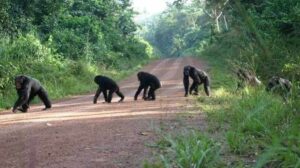
Budongo Forest is one of Uganda’s most rewarding destinations for travellers who want to experience tropical rainforest, observe chimpanzees in their natural habitat and discover exceptional birdlife. Located in northwestern Uganda near Murchison Falls National Park, this remarkable forest is an excellent addition to a wildlife safari, birdwatching holiday or primate adventure.
The best things to do in Budongo Forest include chimpanzee trekking at Kaniyo Pabidi, birdwatching along the famous Royal Mile, guided nature walks, wildlife photography and learning about forest conservation. Each activity reveals a different side of Uganda’s natural heritage.
At Mambo Gorilla Safaris Uganda, we recommend considering Budongo Forest when planning a safari that combines primate encounters with classic African wildlife experiences. Whether you are visiting Uganda for the first time or returning to explore beyond its most famous national parks, Budongo offers an unforgettable opportunity to discover the country’s forest ecosystem.
Where Is Budongo Forest in Uganda?
Budongo Forest is situated in northwestern Uganda, in the wider Murchison Falls region. It is a large natural forest reserve known for its mahogany trees, chimpanzee population, diverse birdlife and ecological importance.
The forest is commonly visited as part of a safari to Murchison Falls National Park. Travellers can plan chimpanzee trekking or forest activities before or after enjoying game drives, boat trips and the spectacular waterfall.
Two important tourism areas to understand when planning a visit are Kaniyo Pabidi and Busingiro.
- Kaniyo Pabidi: Best known as a starting point for chimpanzee tracking and other forest experiences.
- Busingiro and the Royal Mile: Popular for birdwatching and guided nature walks.
These locations offer different experiences, so confirm the exact activity and meeting point when booking your visit.
1. Go Chimpanzee Trekking in Budongo Forest
Chimpanzee trekking is one of the main reasons visitors include Budongo Forest in their Uganda safari itinerary. The experience takes you into the forest with trained guides and trackers who help visitors search for chimpanzees and understand their behaviour.
Chimpanzees are highly intelligent primates that live in social communities. During a trek, you may hear their calls echoing through the trees, watch them move between branches or observe them feeding and interacting with other members of their group.
What happens during chimpanzee trekking?
Your experience generally begins with a briefing about the trekking process, forest safety and responsible wildlife viewing. You then enter the forest with your guides to search for the chimpanzees.
The length of the trek varies depending on where the animals are located and the conditions on the day. Walking may involve uneven ground, muddy paths, dense vegetation and occasional steep sections.
When chimpanzees are located, visitors must follow their guides’ instructions and maintain the required distance. Sightings are not guaranteed because these are wild animals moving freely through their natural habitat.
Where does chimpanzee trekking take place?
Kaniyo Pabidi is the principal tourism location commonly associated with chimpanzee tracking in Budongo Forest. Check current availability, visitor arrangements and permit requirements before travelling.
Budongo Conservation Field Station is primarily a research and conservation facility rather than a standard tourist attraction. Visitors interested in chimpanzee trekking should use designated tourism arrangements rather than assume the research station accepts walk-in tourists.
Travel tip: If chimpanzee trekking is a priority, arrange your activity before arriving and ask your safari operator to confirm the correct starting point, departure time and applicable fees.
2. Enjoy Birdwatching Along the Royal Mile
The Royal Mile is a famous forest birding route in the Busingiro area of Budongo Forest. Its tall trees, forest canopy and varied habitats attract birdwatchers interested in Uganda’s rich birdlife.
A guided walk along this route offers the opportunity to search for forest specialists and listen to birds calling from different levels of the canopy. Patient observers may spot colourful kingfishers, hornbills, flycatchers, greenbuls and other forest birds.
Birdwatching is especially rewarding when accompanied by an experienced local guide who can identify calls, explain bird behaviour and help you recognise species that might otherwise go unnoticed.
Why visit the Royal Mile?
The Royal Mile is suitable for birdwatchers who want to explore a forest habitat rather than focus only on Uganda’s savannah wildlife. It is also an excellent option for photographers and nature enthusiasts who enjoy slow, guided exploration.
For the best experience:
- Start early when practical, following the arrangements made with your guide.
- Carry binoculars and a camera with a suitable lens.
- Wear neutral-coloured clothing.
- Move quietly and avoid disturbing birds.
- Bring drinking water and protect your equipment from rain.
The number and variety of birds you see will depend on weather, season, time of day and your guide’s expertise.
3. Take a Guided Nature Walk Through the Forest
A guided nature walk is one of the best things to do in Budongo Forest if you want to appreciate more than chimpanzees and birds.
Walking with a knowledgeable guide helps you understand the relationship between the forest’s trees, plants, insects, mammals and surrounding landscape. You can learn about forest regeneration, the importance of mature trees and the ecological role of the reserve.
Depending on the route and conditions, you may encounter monkeys, butterflies and other forest wildlife. However, sightings are never guaranteed.
What can you discover on a forest walk?
Giant forest trees: Learn about the tall trees that form the forest canopy, including the mahogany for which Budongo is well known.
Forest plants: Discover how different plants grow in the understory, along trails and in wetter areas.
Butterflies and insects: Look closely at the smaller creatures that contribute to the forest ecosystem.
Primate behaviour: Your guide may help you identify monkeys or interpret sounds and movements in the canopy.
Forest conservation: Understand the challenges involved in protecting natural habitats while supporting responsible tourism.
Nature walks are a good choice for couples, photographers, families with suitable-age children and travellers who prefer a relaxed activity to a longer primate trek.
4. Discover the Forest’s Trees and Biodiversity
Budongo Forest is valuable not only because of its chimpanzees but also because of its plant diversity and ecological importance.
The reserve contains different forest types and habitats, including semi-deciduous tropical forest, mixed forest and wetter riverine areas. These habitats support a range of birds, mammals, insects and plant species.
The forest is particularly associated with large mahogany trees, although many other tree species contribute to its complex vegetation.
A guided visit allows you to appreciate how the forest works as a living ecosystem. Trees provide food and shelter for wildlife, while insects, birds and mammals contribute to processes such as pollination and seed dispersal.
For travellers interested in ecology, photography or conservation, this is an opportunity to understand why protecting Uganda’s natural forests matters.
5. Look for Monkeys and Other Forest Wildlife
Chimpanzees are the main attraction for many visitors, but Budongo Forest supports other wildlife too.
Depending on the location and conditions, you may see monkeys moving through the trees, butterflies along the trail and other small forest animals. Some wildlife is difficult to spot because dense vegetation provides natural cover.
A guide can help you distinguish between species and explain their roles in the ecosystem.
Remember that a forest safari differs from a savannah game drive. Animals may remain hidden in the canopy or undergrowth, so patience and careful observation are essential.
Visitors should never feed wildlife, approach animals independently or leave designated trails without permission.
6. Enjoy Wildlife Photography in Budongo Forest
Budongo Forest offers excellent photographic opportunities for nature lovers. The combination of tall trees, filtered sunlight, birds, primates and forest textures makes it an appealing destination for photographers.
Chimpanzee photography can be particularly rewarding when animals are visible at a suitable distance. Birdwatchers can also photograph forest species, while nature walks provide opportunities to capture tree trunks, leaves, insects and the changing light beneath the canopy.
Photography tips for Budongo Forest
- Use a camera or phone that performs well in low light.
- Bring a telephoto lens if you plan to photograph birds or primates.
- Protect your camera from moisture and dust.
- Avoid using flash where it is prohibited or could disturb wildlife.
- Follow the guide’s instructions about distance and positioning.
- Prioritise the animals’ welfare over getting a close-up photograph.
Photography conditions can change quickly beneath a dense canopy. A little patience and preparation will improve your chances of getting memorable images.
7. Learn About Chimpanzee Research and Forest Conservation
Budongo is an important location for chimpanzee research and forest conservation. Long-term studies have helped researchers understand chimpanzee behaviour, social relationships, communication and the challenges facing wild primate populations.
Tourists should distinguish between visiting designated tourism sites and entering research facilities. Budongo Conservation Field Station states that it does not operate as a regular tourist attraction, and visitors should follow its current access guidance.
Even without visiting a research facility, a guided forest experience can help you learn about the importance of protecting chimpanzees and their habitat.
Responsible tourism can support conservation when activities are properly managed and visitors follow wildlife rules. Choose authorised activities, respect local guidance and avoid operators who promise guaranteed sightings or allow inappropriate contact with wild animals.
8. Combine Budongo Forest With Murchison Falls National Park
One of the biggest advantages of visiting Budongo Forest is its location near Murchison Falls National Park. Combining these destinations gives you a varied Uganda safari with both rainforest and savannah experiences.
After exploring the forest, you can plan activities in Murchison Falls National Park, subject to your itinerary and the relevant bookings.
Popular activities in Murchison Falls National Park
Game drives: Search for wildlife such as elephants, giraffes, buffaloes, antelopes and other animals in the park’s savannah habitats.
Boat safari: Explore the Nile on a scheduled boat trip and look for hippos, crocodiles and waterbirds.
Visit the top of Murchison Falls: Experience the dramatic point where the Nile forces its way through a narrow gorge. Access and activity arrangements should be checked before your visit.
Birdwatching: Explore additional habitats and look for species that differ from those found in the forest.
Photography: Capture changing landscapes, river scenery and wildlife encounters.
A combination of Budongo Forest and Murchison Falls is particularly attractive for travellers who want chimpanzees, birds and classic African wildlife in one holiday.
Explore Mambo Gorilla Safaris Uganda’s 3-day Murchison Falls safari or 4-day Murchison Falls and rhino safari as possible starting points for planning your trip. Confirm whether Budongo Forest activities can be incorporated into your preferred itinerary.
9. Experience the Local Landscape Around Budongo
A visit to Budongo Forest also gives you an opportunity to appreciate the communities and rural landscapes of northwestern Uganda.
Depending on your route, you may pass farms, trading centres and villages while travelling between Masindi, the forest and Murchison Falls National Park. These journeys offer a glimpse of everyday life beyond Uganda’s main tourist attractions.
If you want to include a community activity, ask your safari operator about locally organised experiences that are genuinely available during your travel dates. Respect local customs, seek permission before photographing people and purchase crafts or services responsibly.
Community visits should be planned around activities that residents have agreed to offer rather than treated as an automatic part of every forest excursion.
Best Time to Visit Budongo Forest
Budongo Forest can be visited throughout the year, but weather conditions can influence walking comfort, road access and wildlife viewing.
Drier periods
Drier months are often preferred by travellers who want relatively easier walking conditions and a safari that combines forest activities with game drives. Trails can still be damp, and rain may occur even during traditionally drier periods.
Wetter periods
Rainier months can make forest trails muddy and slippery. However, the forest remains lush, and birdwatchers may enjoy observing its vegetation and seasonal activity.
There is no single month that guarantees the best chimpanzee sightings. The location of the animals, guide experience and daily conditions all influence the trekking experience.
Our recommendation: Choose dates that work for your overall Uganda itinerary, then confirm activity availability and trail conditions shortly before travelling.
How to Get to Budongo Forest
Budongo Forest is generally visited by road from other destinations in northwestern Uganda, particularly Masindi and the Murchison Falls area. Travellers coming from Kampala usually plan a road journey that can take several hours, depending on traffic, road conditions and stops.
The exact route depends on whether your activity starts at Kaniyo Pabidi or Busingiro.
For a smoother trip:
- Decide whether chimpanzee trekking, birdwatching or both are your main priorities.
- Confirm the designated tourism site for each activity.
- Arrange transport with sufficient time for the briefing and activity.
- Check road conditions and any current access requirements.
- Plan accommodation according to your departure time and onward safari route.
Travellers should not assume Kaniyo Pabidi and the Royal Mile are the same location. They serve different tourism purposes and should be planned separately when necessary.
Where to Stay When Visiting Budongo Forest
Your accommodation depends on your budget, activity location and whether you plan to continue to Murchison Falls National Park.
You may consider staying near your designated forest activity or choosing accommodation in the wider Masindi or Murchison Falls area. Before booking, check the actual driving time to the meeting point, meal arrangements, transport options and whether an early departure can be organised.
If you are chimpanzee trekking early in the morning, staying close to the correct starting point may make the day easier. If your itinerary includes several activities in Murchison Falls National Park, accommodation closer to your next planned stop may be more practical.
Mambo Gorilla Safaris Uganda can help you coordinate accommodation and transport as part of a wider Uganda safari itinerary, subject to availability.
Sample 3-Day Budongo Forest and Murchison Falls Safari Itinerary
This sample itinerary shows how you might combine forest exploration with wildlife activities. The order and activities should be adjusted to match current availability, travel time and your confirmed bookings.
Day 1: Travel to Budongo Forest
Travel from Kampala towards northwestern Uganda, allowing time for road conditions and planned stops. Depending on your arrival time, settle into your accommodation and prepare for the next day’s forest activity.
If you arrive early enough, ask whether a suitable guided forest walk can be arranged.
Day 2: Chimpanzee Trekking and Murchison Falls
Begin with your pre-booked chimpanzee trekking experience at the designated site. After the activity, continue towards Murchison Falls National Park if your transport arrangements and schedule allow.
Enjoy a game drive or another available park activity, depending on your arrival time and bookings.
Day 3: Game Drive and Nile Boat Safari
Set out for a game drive to explore the park’s savannah wildlife. Later, enjoy a scheduled boat safari on the Nile if timing and availability permit.
After your activities, begin your return journey or continue to your next destination.
Important: This is a planning example, not a guaranteed schedule. Travel times, activity availability and park arrangements may require an additional night or a different order of activities.
What to Pack for a Budongo Forest Visit
Pack for humid forest conditions, changing weather and walking on natural trails.
Recommended items include:
- Comfortable hiking shoes with good grip.
- Long trousers and a long-sleeved shirt.
- Lightweight rain jacket or poncho.
- Insect repellent.
- Drinking water and small snacks where permitted.
- Binoculars for birdwatching.
- Camera and spare batteries.
- Waterproof protection for electronics.
- A small daypack.
- Any personal medication you may need.
Follow your guide’s advice about what to bring and what is permitted on your specific activity.
Responsible Tourism in Budongo Forest
Budongo Forest is a valuable natural habitat, and visitors have a role in helping protect it.
Follow these responsible tourism practices:
- Use authorised guides and designated visitor sites.
- Keep a respectful distance from chimpanzees and other wildlife.
- Never feed wild animals.
- Avoid littering and take waste away with you.
- Keep noise low, especially near wildlife.
- Follow instructions about photography and animal viewing.
- Respect local communities and their customs.
- Check current permit conditions before your visit.
Responsible travel helps protect the forest while allowing future visitors to appreciate its wildlife and natural beauty.
Why Visit Budongo Forest With Mambo Gorilla Safaris Uganda?
Planning a successful Uganda safari involves more than choosing attractive destinations. You need to coordinate transport, activity schedules, accommodation and the practical details that make each day run smoothly.
Mambo Gorilla Safaris Uganda can help you explore options for combining primate experiences, forest adventures and wildlife viewing in Uganda. Whether you want to focus on chimpanzee trekking, include Budongo on a Murchison Falls safari or extend your holiday to other destinations, your itinerary can be planned around your interests, budget and available travel dates.
If you are also interested in mountain gorillas, explore our 3-day gorilla trekking safari in Bwindi or our 10-day wildlife and primate trekking Uganda safari.
Contact Mambo Gorilla Safaris Uganda to discuss a personalised itinerary and confirm the current availability and cost of your preferred activities.
Frequently Asked Questions About Budongo Forest
1. What is Budongo Forest famous for?
Budongo Forest is famous for chimpanzees, forest birdwatching, its large trees and guided nature experiences. It is often included in itineraries that visit Murchison Falls National Park.
2. Can you see chimpanzees in Budongo Forest?
Yes. Chimpanzee trekking is offered at the designated tourism site of Kaniyo Pabidi, subject to current activity arrangements and availability. Because chimpanzees are wild animals, sightings cannot be guaranteed.
3. What are the best things to do in Budongo Forest?
Popular activities include chimpanzee trekking at Kaniyo Pabidi, birdwatching along the Royal Mile, guided nature walks, wildlife photography and learning about forest biodiversity.
4. Is the Royal Mile good for birdwatching?
Yes. The Royal Mile in the Busingiro area is a well-known birdwatching route. A knowledgeable guide can help you identify forest birds by sight and sound.
5. Is Budongo Forest part of Murchison Falls National Park?
Budongo Forest is a forest reserve, not a separate national park. It is closely associated with the wider Murchison Falls region, making it convenient to combine forest activities with a national park safari. Check the management and entry arrangements for your specific activity.
6. How long should I spend in Budongo Forest?
Many visitors allocate part of a day for one main activity, such as chimpanzee trekking or birdwatching. Allow additional time if you want to enjoy several forest activities or combine the visit with Murchison Falls National Park.
7. What is the best time of year to visit Budongo Forest?
Budongo can be visited throughout the year. Drier periods may offer more comfortable walking conditions, while rain can make trails slippery. Confirm current conditions before departure.
8. Do I need to book chimpanzee trekking in advance?
Advance arrangements are recommended, particularly if you have fixed travel dates. Confirm the permit requirements, meeting point, applicable fees and availability through an authorised provider before travelling.
9. Can I visit Budongo Forest and Murchison Falls on the same safari?
Yes. Many travellers combine Budongo Forest with Murchison Falls National Park. The best itinerary depends on your starting point, transport, booked activities and how much time you have available.
10. Can Mambo Gorilla Safaris Uganda organise a Budongo Forest safari?
Mambo Gorilla Safaris Uganda can help you plan a Uganda safari itinerary and discuss how Budongo Forest may fit with your other destinations. Confirm the availability and booking arrangements for each activity before finalising your trip.
Plan Your Budongo Forest Safari Today
From chimpanzee trekking and Royal Mile birdwatching to guided nature walks and the spectacular landscapes of Murchison Falls, Budongo Forest offers a rewarding experience for travellers who want to discover Uganda’s natural diversity.
Make your visit part of a well-planned safari that balances forest exploration, wildlife viewing and time on the road.
Contact Mambo Gorilla Safaris Uganda to start planning your Uganda safari and request an itinerary tailored to your travel dates, interests and budget.


