Email: info@mambogorillasafarisuganda.com | Call: +256772666331

Visiting Tanzania for the First Time: Complete Travel Guide for 2026

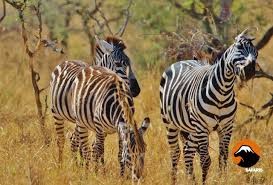
Planning your first trip to Tanzania? Discover the best places to visit, safari experiences, travel requirements, the best time to go, what to pack and how to organise an unforgettable African holiday.
Tanzania is one of Africa’s most rewarding travel destinations, famous for the Serengeti’s wildlife, the Great Migration, Mount Kilimanjaro, the beaches of Zanzibar and the spectacular Ngorongoro Crater. Whether you dream of seeing lions on a game drive, relaxing beside the Indian Ocean or exploring traditional towns and local cultures, Tanzania offers experiences for many different types of travellers.
For first-time visitors, however, planning a trip can raise several questions. Which national parks should you visit? When is the best time to travel? Do you need a visa? How much should you budget? And how can you combine wildlife safaris with a beach holiday?
This guide from Mambo Gorilla Safaris Uganda answers these questions and helps you prepare for a memorable Tanzania adventure. Although our safari experiences focus strongly on Uganda, we also help travellers explore ideas for broader East African holidays.
Why Visit Tanzania for the First Time?
Tanzania combines exceptional wildlife, beautiful landscapes, cultural heritage and relaxing beach destinations. Its variety makes it suitable for couples, families, photographers, honeymooners, adventure travellers and visitors experiencing Africa for the first time.
Here are some of the main reasons to visit Tanzania.
- World-class wildlife safaris: Explore national parks where elephants, lions, buffaloes, giraffes, zebras and other animals live in natural habitats.
- The Great Migration: Experience the seasonal movements of wildebeest and zebras across the Serengeti ecosystem.
- Mount Kilimanjaro: Discover Africa’s highest mountain and plan a guided trekking adventure.
- Ngorongoro Crater: Visit a remarkable volcanic caldera known for its scenic landscapes and wildlife.
- Zanzibar beaches: Enjoy Indian Ocean scenery, historic Stone Town, water activities and coastal relaxation.
- Cultural experiences: Learn about Tanzania’s diverse communities, food, traditions and history.
- Birdwatching and photography: Explore habitats ranging from grasslands and woodlands to lakes and coastal environments.
For official destination information, visit the Tanzania Tourist Board.
Best Places to Visit in Tanzania for First-Time Travellers
Choosing the right destinations is one of the most important steps when planning your first Tanzania holiday. Your itinerary should reflect the amount of time you have, your budget and the experiences you most want to enjoy.
1. Serengeti National Park
The Serengeti is one of Tanzania’s best-known safari destinations, famous for its open plains, diverse wildlife and the annual movements of wildebeest and zebras.
During game drives, visitors may encounter lions, elephants, giraffes, buffaloes, cheetahs, hyenas and many other animals. Wildlife sightings vary with location, season and animal movements.
The Great Migration is a major attraction, but it is not a single event occurring at one fixed location. Herds move through different parts of the ecosystem throughout the year.
Best experiences in the Serengeti:
- Guided wildlife game drives.
- Wildlife photography.
- Birdwatching.
- Learning about predator-prey relationships.
- Hot-air balloon safaris with authorised operators.
- Observing the Great Migration when herds are in the relevant area.
The best location for viewing migrating herds depends on your travel dates. Plan with an experienced operator rather than relying on a fixed promise of river crossings or particular wildlife sightings.
Learn more from the official Tanzania National Parks website.
2. Ngorongoro Conservation Area
The Ngorongoro Conservation Area is a spectacular destination in northern Tanzania, known for its volcanic landscapes, wildlife and the famous Ngorongoro Crater.
A crater game drive offers opportunities to look for zebras, wildebeest, buffaloes, elephants, lions and other animals. The area is also important for conservation and for communities living within the wider landscape.
First-time visitors often include Ngorongoro in a northern Tanzania safari because it combines impressive scenery with wildlife viewing in a relatively concentrated area.
Allow time for the journey, crater access procedures and any applicable conservation fees. Confirm the current rules and charges before travelling.
3. Tarangire National Park
Tarangire National Park is known for its large elephant herds, baobab trees and diverse savannah habitats.
It is an appealing choice for visitors who want to explore a different landscape from the Serengeti. Depending on the season and location, game drives may reveal elephants, giraffes, zebras, antelopes and a variety of birds.
Tarangire can be included in a northern Tanzania itinerary alongside other parks, depending on your available days and preferred pace of travel.
4. Lake Manyara National Park
Lake Manyara National Park offers a mixture of woodland, open areas and lakeshore habitats.
Visitors may encounter elephants, baboons, giraffes, antelopes and numerous bird species. Flamingos and other waterbirds may be present depending on conditions.
The park can be a useful addition to a multi-day safari, especially for travellers who enjoy birdwatching, varied scenery and shorter wildlife excursions.
Do not plan your visit around a guaranteed sighting of tree-climbing lions or any other particular species.
5. Mount Kilimanjaro
Mount Kilimanjaro is Africa’s highest mountain and a major attraction for hikers and mountaineers.
Climbing the mountain requires careful preparation, an authorised trekking arrangement, suitable equipment and sufficient time for acclimatisation. The challenge is significant even for physically active travellers.
If you are considering a Kilimanjaro climb, discuss your fitness, route options, trip duration and safety arrangements with an experienced operator. Follow current park regulations and do not choose a route based solely on its advertised speed or price.
6. Zanzibar
Zanzibar is an excellent choice for travellers who want to combine a safari with a beach holiday.
The archipelago offers sandy beaches, turquoise waters, historic Stone Town, local markets, cultural tours and a range of marine activities.
Popular experiences include:
- Exploring the historic streets of Stone Town.
- Relaxing on the beach.
- Taking authorised boat trips.
- Snorkelling or diving with a responsible operator.
- Learning about local food and Swahili culture.
- Enjoying a few days of relaxation after a wildlife safari.
Beach conditions, tides and marine activities vary by location and season. Choose activities that follow local safety guidance and protect marine habitats.
Best Time to Visit Tanzania for the First Time
Tanzania can be visited throughout the year, but the best travel period depends on your interests and chosen destinations.
The country has different climates and seasonal patterns, so conditions on the coast may differ from those in the northern safari circuit or mountainous regions.
June to October: Popular for Wildlife Safaris
The drier months are popular for game viewing in many parts of northern Tanzania. Vegetation may be less dense, and animals can become easier to observe around water sources.
This period can be suitable for:
- Game drives in the Serengeti.
- Visits to Tarangire and Ngorongoro.
- Wildlife photography.
- Combining a safari with Zanzibar.
It is also a popular travel period, so accommodation and sought-after activities should be booked early.
January to February: A Different Serengeti Experience
These months can be particularly rewarding in parts of the southern Serengeti and Ndutu area during the wildebeest calving period, depending on rainfall and herd movements.
Visitors may observe newborn animals and increased predator activity in areas where herds are present. Actual locations change from year to year.
March to May: Long Rains in Many Areas
The long-rain period can bring green scenery, dramatic skies and attractive photography conditions. However, heavy rainfall may affect some roads, travel schedules and access to particular areas.
Some accommodation providers operate seasonally, so confirm availability before booking.
November to December: Short Rains and Greener Landscapes
Short rains can bring fresh vegetation and appealing scenery. Wildlife viewing can still be rewarding, but conditions vary across the country.
How should a first-time visitor choose?
Start with your preferred experiences. If you want to follow the Great Migration, select your dates and accommodation according to the herds’ expected location. If you prefer a relaxed safari and beach holiday, consider the weather patterns in both the mainland parks and Zanzibar.
For current park-planning advice, use Tanzania National Parks’ official trip-planning guide.
Tanzania Visa Requirements for First-Time Visitors
Visa requirements depend on your nationality, purpose of travel and the type of passport you hold.
Some travellers must obtain a visa, while others may qualify for visa-free entry under applicable rules. Do not assume that every visitor has the same requirements.
Before travelling, check the following:
- Whether your nationality requires a visa.
- Which visa category applies to your visit.
- Passport validity and blank-page requirements.
- Whether you should apply online before departure.
- Whether additional documentation is required.
- Whether you need proof of onward or return travel.
- Whether you are visiting mainland Tanzania, Zanzibar or both.
The official Tanzania Immigration website advises applicants to use its authorised visa portal and to review the applicable requirements before travelling.
Start with the official Tanzania eVisa portal. Avoid unofficial websites that charge extra fees or imitate government services.
If you plan to visit Uganda as well as Tanzania, remember that each country has its own immigration rules. Check the relevant requirements for your passport and itinerary before booking.
How Much Does a Tanzania Safari Cost?
The cost of a first Tanzania trip depends on the length of your stay, the parks you visit, accommodation standards, transport, season and activities.
A short safari with comfortable accommodation may cost considerably less than a luxury itinerary involving private vehicles, premium lodges, domestic flights and several parks.
Your budget should account for:
- International flights.
- Visa fees, where applicable.
- Accommodation and meals.
- Safari vehicle and driver-guide.
- National park and conservation fees.
- Special activities such as balloon safaris or mountain trekking.
- Transfers between parks and airports.
- Travel insurance.
- Tips and personal spending.
- Additional nights or unexpected travel costs.
Park charges vary by destination, visitor category and activity, and may change. Check current fees through the Tanzania National Parks tariff information or the relevant authority for your destination.
Budgeting tip: Request an itemised quotation and check what is included before paying a deposit. Compare itineraries based on the experience provided, not just the headline price.
How to Get Around Tanzania
Tanzania is a large country, so choosing practical transport is essential.
Guided Safari Vehicles
A guided safari vehicle is a convenient option for first-time visitors exploring national parks. A knowledgeable guide can help with wildlife observation, park rules, route planning and daily logistics.
Ask whether your quotation includes fuel, park transfers, guide services and any relevant vehicle-related charges.
Domestic Flights
Domestic flights can save time when travelling between distant safari areas or between mainland Tanzania and Zanzibar.
However, flight availability, baggage limits, luggage restrictions and schedules vary. Confirm all arrangements with the airline or operator before finalising your itinerary.
Road Transfers
Road transfers are useful for travelling between nearby parks, towns and accommodation. Journey times can be longer than expected due to road conditions, stops and traffic.
Avoid planning an itinerary that leaves too little time for travel between destinations.
Ferries and Boats
Boat transfers and ferries may be relevant for certain coastal or island journeys. Use authorised operators, confirm schedules and follow local safety guidance.
What to Pack for Your First Tanzania Safari
Packing appropriately makes your holiday more comfortable, particularly if you are combining several destinations.
Recommended items include:
- Lightweight, breathable clothing.
- Neutral-coloured clothing for wildlife game drives.
- A warm layer for early mornings and cooler evenings.
- Comfortable walking shoes.
- Sun hat and sunglasses.
- Sunscreen.
- Insect repellent.
- Binoculars.
- Camera, spare batteries and memory cards.
- Reusable water bottle.
- Personal medication.
- Basic first-aid supplies.
- Waterproof jacket during wetter periods.
- Travel documents and copies of bookings.
- Suitable luggage that meets your airline’s restrictions.
If you are climbing Kilimanjaro, you will need specialised clothing and equipment appropriate for cold, high-altitude conditions.
If Zanzibar is part of your itinerary, bring suitable beach clothing and respect local dress expectations when visiting towns, religious sites and communities.
Health and Safety Tips for First-Time Visitors
Preparing for a trip to Tanzania involves more than booking accommodation and flights.
Consult a Travel Health Professional
Speak with a qualified healthcare professional or travel clinic well before departure. They can advise you on recommended vaccinations, malaria prevention, any destination-specific health requirements and your personal medical needs.
Health advice depends on your travel history, itinerary, activities and medical circumstances.
Choose Appropriate Travel Insurance
Select insurance that covers the activities you plan to undertake. If you are climbing Kilimanjaro, check that your policy specifically covers trekking at the intended altitude and any relevant evacuation arrangements.
For a safari, understand the policy’s rules regarding medical treatment, trip cancellation, lost baggage and emergency transport.
Follow Wildlife Safety Rules
Wild animals are unpredictable, even when they appear calm. Follow your guide’s instructions, remain in authorised areas and never approach, feed or provoke animals.
During game drives, do not leave the vehicle unless your guide confirms that it is permitted and safe to do so.
Protect Yourself from the Sun and Heat
Carry drinking water, wear suitable clothing and use sun protection. Follow your guide’s advice during hot weather and strenuous activities.
Keep Documents and Valuables Secure
Store passports, money, cards and important documents securely. Keep digital copies of key travel documents in a separate secure location.
Check current official travel advice before departure, and follow local guidance during your stay.
Tanzanian Culture, Food and Local Etiquette
Understanding local customs can make your first visit more enjoyable and help you engage respectfully with the people you meet.
Swahili is widely spoken, alongside many local languages. Learning a few basic Swahili greetings can make everyday interactions more welcoming.
Useful phrases include:
- Jambo — Hello.
- Asante — Thank you.
- Karibu — Welcome.
- Habari? — How are you? / What’s the news?
Tanzanian cuisine varies by region. Visitors may encounter rice dishes, grilled meats, stews, fresh seafood, chapati, ugali and locally grown fruit.
When visiting communities:
- Ask permission before photographing people.
- Dress appropriately for the setting.
- Follow local guidance at religious and cultural sites.
- Respect personal space and privacy.
- Purchase crafts and products from legitimate local sellers where possible.
- Listen to your guide when learning about local customs.
Cultural experiences are most rewarding when visitors approach them with curiosity, respect and an appreciation of local perspectives.
Sample 7-Day Tanzania Itinerary for First-Time Visitors
A seven-day trip can provide an introduction to Tanzania, although the destinations you choose will determine how much time you spend travelling.
Day 1: Arrive in Tanzania
Arrive at your selected airport, meet your transfer provider and travel to your accommodation. Rest after your journey and review the following day’s plans.
Day 2: Tarangire National Park
Enjoy a guided game drive in Tarangire, exploring its savannah landscapes, baobab trees and wildlife habitats.
Day 3: Ngorongoro Area
Travel towards the Ngorongoro area, enjoying the scenery along the way. Confirm any relevant conservation-area procedures and accommodation arrangements.
Day 4: Ngorongoro Crater
Take a guided wildlife excursion in the crater, following the area’s rules and your guide’s instructions. Spend the night in your selected accommodation.
Days 5–6: Serengeti National Park
Travel to the Serengeti for wildlife viewing and photography. The precise location and route should be selected according to your travel dates, wildlife interests and budget.
Day 7: Departure or onward travel
Depending on your flight schedule, transfer towards your departure airport or continue to another destination.
Important: This itinerary is an example, not a fixed package. Travel times between parks can be significant, and a seven-day northern circuit may involve long road journeys. For a more relaxed experience, consider fewer destinations or add extra nights.
If Zanzibar is a priority, you may prefer a different itinerary or a longer trip rather than attempting to combine every destination within seven days.
Can You Combine Tanzania with Uganda on One Holiday?
Yes. Some travellers choose to combine Tanzania’s savannah safaris with Uganda’s mountain gorilla trekking, chimpanzee tracking or other wildlife experiences.
A combined East African holiday can offer a wider range of landscapes and wildlife, but it requires careful planning because the countries have separate entry rules, park fees, transport networks and activity bookings.
For example, you could spend part of your holiday exploring Tanzania’s northern safari circuit and then travel to Uganda for a gorilla trekking experience.
Explore these Mambo Gorilla Safaris Uganda itineraries for ideas:
- 3 Days Gorilla Trekking in Bwindi
- 10 Days Uganda Wildlife and Primate Trekking Safari
- 8-Day Luxury Uganda Wildlife and Gorilla Safari
These trips can provide inspiration for the Uganda portion of a longer holiday. A combined itinerary should be designed around available flights, border requirements, gorilla permit availability, travel time and your budget.
Common Mistakes First-Time Visitors Should Avoid
Avoiding a few common mistakes can make your Tanzania holiday smoother and more rewarding.
1. Trying to visit too many places. Tanzania is large, and travelling between destinations takes time. Choose a realistic route rather than rushing through several parks.
2. Booking too late. Popular lodges, mountain trekking dates and specialist activities may fill up well in advance.
3. Assuming visa rules are the same for everyone. Check requirements using your own passport nationality and official immigration guidance.
4. Underestimating the total cost. Include park fees, transfers, meals, tips, insurance and personal expenses in your budget.
5. Expecting guaranteed wildlife sightings. Animals move freely in their natural environment. Allow time for game drives and remain flexible.
6. Ignoring health preparation. Seek professional travel health advice before departure.
7. Overlooking travel distances. Check realistic journey times before booking accommodation or connecting flights.
8. Relying on outdated online information. Reconfirm visa rules, park charges, activity availability and transport arrangements before travelling.
Frequently Asked Questions About Visiting Tanzania for the First Time
1. Is Tanzania a good destination for first-time visitors to Africa?
Yes. Tanzania offers established safari destinations, a variety of accommodation options, guided wildlife experiences and beach holidays. A well-planned itinerary can make the trip easier for visitors who are new to African travel.
2. What is the best month to visit Tanzania?
There is no single best month for every traveller. June to October is popular for wildlife viewing in many northern parks, while January and February can be rewarding in parts of the Serengeti during the calving season. The best dates depend on your destination and interests.
3. Do I need a visa to visit Tanzania?
Visa requirements depend on your nationality and travel circumstances. Check the official Tanzania Immigration visa portal before booking or travelling.
4. How many days should I spend in Tanzania?
A short visit can cover one main destination or a limited safari circuit. Seven to ten days may allow a more varied holiday, while longer trips provide additional time for remote parks, mountain trekking or Zanzibar.
5. Is Tanzania expensive for tourists?
Costs vary according to accommodation, season, transport and activities. Safari holidays can be expensive because of park fees, vehicle hire and lodge costs, but the overall budget can be adjusted by choosing different accommodation standards and trip lengths.
6. Can I see the Big Five in Tanzania?
Tanzania has habitats supporting the Big Five: lions, leopards, elephants, buffaloes and rhinoceroses. However, seeing every species during one trip is not guaranteed.
7. Can I combine a Tanzania safari with Zanzibar?
Yes. Many travellers combine mainland wildlife safaris with a beach stay in Zanzibar. Allow sufficient time for transfers and confirm the flights or other transport required.
8. What should I wear on a Tanzania safari?
Choose comfortable, breathable clothing, neutral colours for game drives, a hat, sun protection and a warm layer for early mornings. Specialised trekking clothing is required for Mount Kilimanjaro.
9. Is Tanzania suitable for a family holiday?
Tanzania can be suitable for families, depending on children’s ages, the itinerary and the activities chosen. Check accommodation policies, minimum ages for activities, transfer times and health considerations before booking.
10. Can I visit Tanzania and Uganda on the same trip?
Yes. A combined East African itinerary can include Tanzania’s wildlife parks and Uganda’s gorilla trekking or other primate experiences. Check both countries’ entry requirements and allow sufficient time for transport between destinations.
Plan Your East African Adventure with Mambo Gorilla Safaris Uganda
Visiting Tanzania for the first time can be an unforgettable experience when you choose the right destinations, travel at a suitable time and prepare for the practical details.
From the Serengeti’s wildlife and the Ngorongoro Crater to Mount Kilimanjaro and Zanzibar’s beaches, Tanzania offers a remarkable range of experiences. The key is to plan a realistic itinerary, confirm current travel requirements and budget for the activities that matter most to you.
If you would like to extend your holiday to Uganda, Mambo Gorilla Safaris Uganda can help you explore options for mountain gorilla trekking, wildlife viewing and primate experiences.
Discover our Uganda wildlife and primate trekking safari or Bwindi gorilla trekking safari to start planning the Uganda portion of your journey.
Contact Mambo Gorilla Safaris Uganda to discuss your travel dates, preferred experiences, group size and budget. We can help you explore suitable Uganda safari options for a memorable East African adventure.


