Email: info@mambogorillasafarisuganda.com | Call: +256772666331

What to Do on a One Week Safari in Kenya: The Ultimate 7-Day Itinerary

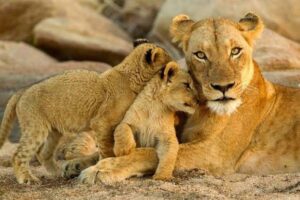
Planning a one week safari in Kenya is an exciting way to experience some of Africa’s most famous wildlife destinations. In seven days, you can explore the open plains of the Maasai Mara, enjoy a boat trip on Lake Naivasha, look for rhinos at Lake Nakuru National Park and watch elephants against the dramatic backdrop of Mount Kilimanjaro in Amboseli National Park.
Kenya is an excellent destination for wildlife lovers, photographers, couples, families and first-time safari travellers. Its national parks and reserves offer opportunities to see lions, elephants, giraffes, zebras, buffaloes, rhinos and many other animals in their natural habitats. Wildlife sightings depend on the location, season and animal movements, but each destination brings a different experience.
The key to planning a successful seven-day Kenya safari is choosing a realistic route. Distances between parks can be considerable, so your itinerary should balance travel time with game drives, scenic stops and time to relax at your lodge.
In this guide, Mambo Gorilla Safaris Uganda explains what to do on a one week safari in Kenya, the best places to visit, activities to include, accommodation considerations and practical tips for making the most of your African adventure.
Why Choose a One Week Safari in Kenya?
Seven days gives you enough time to experience several contrasting landscapes without needing to spend your entire holiday travelling between destinations.
A well-planned itinerary can include:
- Wildlife game drives in the Maasai Mara National Reserve.
- Opportunities to search for lions, elephants, leopards, buffaloes and rhinos.
- A boat excursion on Lake Naivasha.
- A walking or cycling experience in a suitable area of Hell’s Gate National Park.
- Rhino viewing and birdwatching in Lake Nakuru National Park.
- Elephant encounters and scenic photography in Amboseli National Park.
- Opportunities to learn about local Maasai culture through respectful, community-led visits.
You do not need to include every activity to have a rewarding safari. If you prefer more time for photography, relaxation or wildlife viewing, a route covering fewer parks may be more enjoyable than a rushed itinerary.
The Best Places to Visit on a One Week Kenya Safari
1. Maasai Mara National Reserve: Big Cats and Classic Safari Landscapes
The Maasai Mara is one of Kenya’s best-known safari destinations. Its expansive grasslands, riverine habitats and wildlife-rich plains offer excellent opportunities to explore the African savannah.
Game drives are the main activity. With an experienced guide, you can search for lions, elephants, cheetahs, leopards, hyenas, giraffes, zebras, wildebeest and other wildlife.
The reserve is also associated with the Great Wildebeest Migration, when large herds of wildebeest and zebras move through the wider Mara-Serengeti ecosystem. The timing and location of the herds vary from year to year, so migration sightings cannot be guaranteed on particular dates.
Things to do in the Maasai Mara
- Enjoy early-morning game drives when wildlife is active.
- Take afternoon drives to explore different habitats.
- Photograph wildlife and the open savannah.
- Observe birds and other animals with your guide.
- Learn about Maasai culture through a locally organised visit.
- Consider a hot-air balloon safari if available and within your budget.
How long should you stay? Two nights is a useful starting point for a one-week itinerary, allowing time for several game drives. Three nights may suit travellers who want a slower pace or are particularly interested in wildlife photography.
2. Lake Naivasha: Boat Safaris and Scenic Landscapes
Lake Naivasha offers a different atmosphere from the Maasai Mara. Located in Kenya’s Great Rift Valley, the freshwater lake is known for its birdlife, scenic surroundings and opportunities for water-based excursions.
A guided boat trip can provide opportunities to observe hippos in the water and birds around the lake. Wildlife sightings depend on conditions and the route taken by the operator.
Depending on your schedule, you may also visit a suitable lakeside area for a guided walk or enjoy the surrounding scenery.
Top activities at Lake Naivasha
- Take a guided boat trip.
- Look for hippos and waterbirds from a safe distance.
- Enjoy lakeside photography.
- Visit Crescent Island or another suitable site if access and conditions allow.
- Explore Hell’s Gate National Park on a separate excursion if your itinerary permits.
Lake Naivasha works well as a stop between the Maasai Mara and Lake Nakuru. It provides a welcome change from vehicle-based game drives.
3. Hell’s Gate National Park: Walking, Cycling and Dramatic Scenery
Hell’s Gate National Park is a distinctive destination in the Rift Valley, known for dramatic cliffs, rock formations, gorges and geothermal features.
Unlike many traditional safari destinations, certain areas of the park can be explored on foot or by bicycle under the applicable park rules and safety conditions.
Activities may include guided walks, cycling in designated areas, landscape photography and wildlife viewing. Zebra, giraffes and other animals may be seen, but visitors must follow park instructions and respect wildlife.
If you are interested in Hell’s Gate, check current access conditions and whether a guided visit is required for the particular activity you choose.
Planning tip: A Hell’s Gate excursion can be paired with a Lake Naivasha stay. It is often better to use this area for an active nature experience than to add another long-distance park transfer.
4. Lake Nakuru National Park: Rhinos and Birdwatching
Lake Nakuru National Park is an important stop for travellers interested in rhinos, birdlife and scenic landscapes. Kenya Wildlife Service identifies the park as a major sanctuary for both black and white rhinos and highlights its diverse birdlife, woodlands and viewpoints.
Game drives are the main way to explore the park. With a guide, visitors can look for rhinos, buffaloes, giraffes, zebras and other wildlife.
The lake is also associated with flamingos, although their numbers and distribution change with water conditions and food availability. It is best to visit with an open mind rather than expect a particular number of birds.
Things to do at Lake Nakuru
- Search for black and white rhinos on game drives.
- Look for giraffes, buffaloes and other wildlife.
- Enjoy birdwatching around suitable habitats.
- Visit designated viewpoints for panoramic scenery.
- Photograph the lake, woodland and surrounding escarpments.
Lake Nakuru is especially useful on a seven-day safari because it offers a different wildlife experience between the Maasai Mara and the journey towards Amboseli.
5. Amboseli National Park: Elephants and Mount Kilimanjaro Views
Amboseli National Park is famous for its elephant herds and expansive views towards Mount Kilimanjaro. The park’s grasslands, woodlands and wetlands support a variety of wildlife and birds.
Game drives offer opportunities to watch elephants moving through the landscape, observe other large mammals and photograph animals against the mountain backdrop when visibility is clear.
Amboseli is also known for its swamps, where wildlife can gather to feed and drink. Observation Hill provides a designated vantage point for appreciating the surrounding landscape.
Top activities in Amboseli
- Enjoy early-morning and afternoon game drives.
- Photograph elephants and other wildlife.
- Look for buffaloes, zebras, giraffes and antelopes.
- Visit Observation Hill where permitted.
- Explore the park’s wetland and savannah habitats.
- Arrange a respectful Maasai cultural visit with a suitable local provider.
Mount Kilimanjaro is across the border in Tanzania, and its visibility depends on weather and cloud cover. Clear views are never guaranteed, but Amboseli remains rewarding for wildlife and landscape photography even when the summit is hidden.
A Day-by-Day One Week Kenya Safari Itinerary
The following seven-day itinerary combines the Maasai Mara, Lake Naivasha, Lake Nakuru and Amboseli. It is best treated as a suggested route: the final schedule should be adjusted for road conditions, park opening times, accommodation locations and your preferred travel style.
Day 1: Nairobi to the Maasai Mara
Begin your safari with a journey from Nairobi to the Maasai Mara. The drive can take several hours depending on the starting point, route and traffic, so an early departure is helpful.
After arriving and checking into your accommodation, enjoy lunch and prepare for an afternoon game drive if time permits.
Your guide will explore suitable areas of the reserve while looking for wildlife. The first drive may offer opportunities to see elephants, zebras, giraffes, antelopes and predators.
Overnight: Maasai Mara area.
Day 2: Full-Day Wildlife Safari in the Maasai Mara
Spend the day exploring the reserve on morning and afternoon game drives.
An early start can provide excellent opportunities to observe wildlife before the heat of the day. Your guide may explore open plains, riverine habitats and other areas where animals have recently been sighted.
Return to your lodge for a break before heading out again later in the afternoon, subject to park rules and your arrangement.
If you are visiting during the Great Migration period, your guide can advise on the latest herd movements. Migration activity varies, so no particular crossing or sighting should be promised.
Overnight: Maasai Mara area.
Day 3: Maasai Mara to Lake Naivasha
After breakfast, leave the Maasai Mara and travel towards Lake Naivasha.
Because this is a transfer day, the amount of time available for activities will depend on the route and road conditions. After arrival, check in and enjoy a boat excursion if the schedule allows.
During the boat trip, look for hippos and waterbirds while enjoying the surrounding scenery. Follow your operator’s safety instructions and remain in the designated seating areas.
If you arrive late, enjoy a relaxed evening at your lodge and schedule the boat trip for the following morning if that better suits your itinerary.
Overnight: Lake Naivasha area.
Day 4: Hell’s Gate and Travel to Lake Nakuru
If time allows, visit Hell’s Gate National Park in the morning for a guided walk, cycling experience in designated areas or landscape photography.
After the visit, travel towards Lake Nakuru National Park. Depending on your arrival time and accommodation arrangements, you may have an opportunity for a game drive later in the day.
Alternatively, settle into your accommodation and save the main wildlife viewing for the following morning.
Overnight: Lake Nakuru area.
Day 5: Lake Nakuru Wildlife Safari and Transfer Towards Amboseli
Start the day with a game drive in Lake Nakuru National Park. Look for rhinos, giraffes, buffaloes and birds while exploring the park’s different habitats.
After breakfast or a suitable morning activity, begin the journey towards Amboseli.
This is a substantial transfer, so plan for adequate driving time and avoid scheduling too many activities along the way. Depending on your exact route and arrival time, you may reach your Amboseli accommodation later in the day.
Overnight: Amboseli area.
Day 6: Full-Day Safari in Amboseli National Park
Spend the day exploring Amboseli on game drives.
Begin early to look for elephants and other wildlife, and enjoy the opportunity to photograph the landscape in softer morning light. If the weather is clear, you may see Mount Kilimanjaro in the distance.
Return to your lodge for a rest before another game drive in the afternoon, if included in your package and permitted by park rules.
You may also arrange a cultural visit with a responsible local provider. Ask about the community involved, the experience offered and how payments support local people.
Overnight: Amboseli area.
Day 7: Morning Game Drive and Return to Nairobi
Enjoy a final early-morning game drive if time allows, followed by breakfast and departure towards Nairobi.
Your return journey may take several hours, depending on road conditions and your final destination. If you have an international flight, leave a generous buffer or consider adding an extra night in Nairobi.
If you prefer a more relaxed holiday, you can shorten the number of destinations and spend an extra night in one of the parks instead.
Should You Travel by Road or Fly Between Kenya’s Parks?
Both options can work, but the best choice depends on your budget, comfort preferences and available time.
Road safari
A road safari allows you to see more of the countryside between destinations and is often a practical option for travellers who prefer an overland journey.
Advantages include:
- A continuous journey with a driver-guide.
- Opportunities to see rural landscapes along the way.
- Flexibility to stop at suitable places when the schedule allows.
- Potential value for private groups sharing transport costs.
The main disadvantage is that long transfers can take time away from game viewing. Road conditions and traffic can also affect journey times.
Fly-in safari
Domestic flights may reduce some long transfers, depending on available routes and schedules.
Advantages include:
- Less time spent on long road journeys.
- More time available for selected park activities.
- An option for travellers with limited time or who prefer a higher-comfort itinerary.
However, flights may increase the overall cost, and transfers between airstrips, lodges and park areas still need to be organised. Confirm current schedules, luggage restrictions and connections before booking.
How Much Does a One Week Safari in Kenya Cost?
The cost of a seven-day Kenya safari depends on your travel dates, number of travellers, accommodation level, transport method and chosen activities.
A budget safari may use simpler accommodation and shared transport where available. A mid-range safari often combines comfortable lodges or tented camps with a private or small-group vehicle. A luxury safari may include high-end camps, premium services and domestic flights.
Your quotation may include:
- Park or reserve entry fees.
- Accommodation and meals.
- A safari vehicle and driver-guide.
- Game drives and specified activities.
- Airport transfers.
- Boat excursions or other scheduled activities.
Flights, tips, drinks, optional experiences, travel insurance and personal expenses may be charged separately.
Park fees and accommodation prices can change. Ask for an itemised quotation with the travel dates, inclusions, exclusions and payment terms clearly stated rather than relying on an old online price.
What Is the Best Time for a One Week Kenya Safari?
Kenya offers safari experiences throughout the year, but wildlife conditions, rainfall and visitor numbers vary.
The relatively drier periods are often popular for wildlife viewing because animals may gather around reliable water sources and some tracks are easier to navigate. However, wildlife is never guaranteed, and different regions experience different local conditions.
The Great Wildebeest Migration is an important consideration for travellers visiting the Maasai Mara. Herd movements vary annually, so plan around the wider seasonal pattern without assuming a specific river crossing will occur during your stay.
The best time for Amboseli photography depends on weather and visibility, especially if seeing Mount Kilimanjaro is important to you.
Choose dates based on your interests, budget and tolerance for crowds, and confirm current conditions with your safari operator.
What Should You Pack for a One Week Kenya Safari?
Pack practical clothing and essentials that work for game drives, lodge stays and outdoor activities.
Recommended items include:
- Lightweight neutral-coloured clothing.
- A warm layer for early mornings and evenings.
- Comfortable walking shoes.
- A hat and sunglasses.
- Sunscreen and insect repellent.
- Binoculars for wildlife viewing.
- A camera, spare batteries and memory cards.
- A small daypack.
- Personal medication and toiletries.
- Travel documents and suitable travel insurance.
- A reusable water bottle where appropriate.
If you plan to fly between parks, check luggage weight and bag-size limits in advance. Some small aircraft have stricter restrictions than international flights.
Tips for Making the Most of Your Kenya Safari
Choose a realistic route. Four destinations can provide variety, but the transfers are substantial. If you prefer a slower pace, focus on two or three areas.
Spend enough time in the Maasai Mara. Multiple game drives offer more opportunities to explore different habitats and observe wildlife.
Follow your guide’s advice. Experienced guides understand animal behaviour, local conditions and the rules of each park.
Book accommodation strategically. Staying within convenient reach of the areas you plan to explore can reduce unnecessary driving.
Respect wildlife. Keep a safe distance, stay in the vehicle unless permitted to leave it and never encourage a driver to chase or disturb animals.
Check all inclusions. Make sure you understand whether park fees, activities, meals, transfers and accommodation are included in your package.
Allow flexibility. Wildlife sightings, weather and road conditions can change your plans. A flexible itinerary is often more enjoyable than one packed with fixed activities.
Can You Combine a Kenya Safari With Gorilla Trekking in Uganda?
Yes. Travellers who want a broader East African adventure can combine a Kenya wildlife safari with mountain gorilla trekking in Uganda, provided they allow enough time for flights, border requirements and permit arrangements.
A combined trip can include:
- Big-cat and savannah wildlife viewing in the Maasai Mara.
- Elephant encounters in Amboseli.
- Chimpanzee tracking in Kibale National Park, if time allows.
- Mountain gorilla trekking in Bwindi Impenetrable National Park or Mgahinga Gorilla National Park.
The destinations are in different countries, so the itinerary needs careful coordination. Check flight availability, entry requirements, permit dates and the time needed to transfer between airports and lodges.
Explore Mambo Gorilla Safaris Uganda’s 3-day Bwindi gorilla trekking safari or 10-day Uganda wildlife and primate trekking safari for ideas when planning a longer regional holiday.
Frequently Asked Questions About a One Week Safari in Kenya
1. Is seven days enough for a Kenya safari?
Yes. Seven days can provide a rewarding safari combining several destinations, such as the Maasai Mara, Lake Naivasha, Lake Nakuru and Amboseli. The route should be planned carefully because travel between parks can take several hours.
2. What are the best places to visit on a one week Kenya safari?
The Maasai Mara is excellent for classic savannah wildlife viewing, Lake Naivasha offers boat trips and scenery, Lake Nakuru is known for rhinos and birdlife, and Amboseli is famous for elephants and views towards Mount Kilimanjaro.
3. Can I see the Big Five in seven days?
It is possible to see some or all of the Big Five—lion, leopard, elephant, buffalo and rhino—on a seven-day safari, but sightings are never guaranteed. Your chances depend on the destinations visited, timing and animal movements.
4. Is a private Kenya safari better than a group safari?
A private safari offers more flexibility over the pace, stops and accommodation choices. A shared or group safari can be more economical. The right option depends on your budget, privacy preferences and travel dates.
5. Can I visit the Maasai Mara and Amboseli in one week?
Yes, but the route requires careful planning because the two destinations are far apart by road. Including Lake Nakuru or another suitable overnight stop can help break up the journey, while a fly-in option may reduce some travel time.
6. Do I need to book a Kenya safari in advance?
Advance booking is recommended, especially for peak travel periods, popular lodges and specific accommodation choices. Confirm your itinerary, accommodation and applicable park fees before making non-refundable payments.
7. Is Kenya suitable for a family safari?
Yes. Many lodges and safari operators offer family-oriented options. Confirm children’s ages, accommodation arrangements, activity restrictions and vehicle suitability before booking.
8. What should I wear on a Kenya safari?
Wear comfortable, practical clothing, bring a warm layer for early mornings, and use suitable footwear. A hat, sunscreen, insect repellent and binoculars are also useful.
9. Can I combine Kenya and Uganda in one trip?
Yes. You can combine a Kenya wildlife safari with Uganda gorilla trekking or chimpanzee tracking. Plan for international transfers, immigration requirements, activity permits and enough time in each destination.
10. How do I book a one week safari in Kenya?
Contact a reputable safari operator with your travel dates, group size, budget and preferred activities. Request a written itinerary and quotation that clearly identifies accommodation, transport, park fees, meals and optional extras.
Book Your East African Safari With Mambo Gorilla Safaris Uganda
A one week safari in Kenya can be a memorable way to discover Africa’s wildlife, scenery and cultural heritage. From the sweeping plains of the Maasai Mara to the rhino sanctuary at Lake Nakuru and the elephant-rich landscapes of Amboseli, every destination adds something different to your journey.
The most successful itinerary is one that matches your interests and allows enough time to enjoy each location without rushing. Whether you prefer a budget-friendly overland journey, a comfortable private safari or a longer East African holiday that includes Uganda’s mountain gorillas, careful planning makes all the difference.
Contact Mambo Gorilla Safaris Uganda to discuss a tailored East African safari. Share your preferred dates, group size, accommodation level and desired destinations so your itinerary can be planned around your needs and budget.
Start planning your Kenya safari and discover the wildlife experiences that make East Africa such a special destination.


