Email: info@mambogorillasafarisuganda.com | Call: +256772666331

Safari Activities for Pregnant Women in Uganda and Rwanda

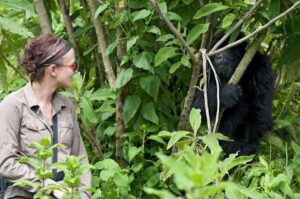
Planning an African safari during pregnancy requires thoughtful preparation, but it does not automatically mean giving up every travel experience. Uganda and Rwanda offer beautiful landscapes, diverse wildlife, cultural encounters and relaxing places to stay. With appropriate medical advice and a carefully planned itinerary, some expectant travellers may be able to enjoy selected activities without undertaking strenuous adventures.
The most important consideration is choosing experiences that suit your individual pregnancy, health needs and stage of pregnancy. Activities that involve strenuous climbing, prolonged physical exertion, rough journeys or remote locations may present additional concerns.
At Mambo Gorilla Safaris Uganda, we understand that every traveller has different needs. This guide explores safari activities for pregnant women in Uganda and Rwanda, activities that require extra caution, and practical steps to discuss with a qualified healthcare professional before travelling.
Important medical note: This article provides general travel information, not individual medical advice. Pregnancy-related risks vary. Speak with your obstetrician or other qualified healthcare professional before booking, especially if you have pregnancy complications or are considering travel to a malaria-risk destination.
Can Pregnant Women Go on Safari in Uganda and Rwanda?
Whether a safari is appropriate during pregnancy depends on individual health, the stage of pregnancy, the proposed activities, journey length and access to medical care.
A relaxed wildlife drive is very different from hiking through a steep rainforest or undertaking an activity far from a hospital. Your healthcare professional can help assess these differences and advise whether the proposed itinerary is suitable for you.
Before confirming your trip, consider:
- Your current stage of pregnancy and any pregnancy-related complications.
- The length of road journeys and the condition of the roads.
- The distance from suitable medical facilities.
- The availability of rest breaks, drinking water and suitable accommodation.
- The destination’s malaria risk and appropriate prevention options.
- Whether your travel insurance covers pregnancy-related care and emergency evacuation.
Official travel advice for both Uganda and Rwanda emphasises planning for appropriate medical care and insurance, particularly for pregnant visitors. Check current guidance before departure.
1. Enjoy Wildlife Game Drives in Uganda
A wildlife game drive can be one of the more accessible safari options for travellers who have been medically cleared to travel and participate.
Instead of walking for hours in search of wildlife, visitors remain in a safari vehicle with a driver-guide. This allows them to explore landscapes and look for animals while limiting the amount of physical exertion involved.
Queen Elizabeth National Park
Queen Elizabeth National Park is known for elephants, buffaloes, antelopes, numerous bird species and wildlife viewing in different habitats. Visitors may also explore the Ishasha area, which is associated with sightings of tree-climbing lions, although wildlife sightings are never guaranteed.
For a pregnancy-conscious itinerary, discuss a shorter game drive with your safari operator rather than planning a full day on rough roads.
Ask whether the vehicle has comfortable seating, whether frequent stops are possible and how long the drive will last. A private itinerary may make it easier to adjust the pace when necessary.
Murchison Falls National Park
Murchison Falls National Park offers savannah landscapes, wildlife viewing and opportunities to see elephants, giraffes, buffaloes and other animals.
However, getting to and around the park can involve long drives. The total journey, not just the game drive itself, should be considered when assessing suitability during pregnancy.
A well-planned trip should include realistic travel times, suitable overnight stops and the option to rest rather than continuing when tired.
Akagera National Park in Rwanda
Akagera National Park offers savannah wildlife viewing, lakes and a different landscape from Rwanda’s mountainous rainforest areas. A vehicle-based safari may be an option for some travellers, subject to medical advice and the proposed route.
Discuss road conditions, the duration of game drives and access to assistance before booking.
2. Consider a Boat Cruise on the Kazinga Channel
The Kazinga Channel in Uganda’s Queen Elizabeth National Park is known for its concentration of hippos, waterbirds and other wildlife along the water.
A boat excursion can offer a wildlife experience without requiring a long forest hike. Depending on the operator and conditions, visitors may observe animals from the boat while enjoying the surrounding scenery.
Before booking, confirm:
- Whether the boarding point involves steep or uneven steps.
- How long the excursion lasts.
- Whether seating is comfortable and shaded.
- Whether a toilet is accessible before or after the trip.
- What safety equipment and boarding assistance are available.
Boat travel is not automatically suitable for every pregnancy. Consider motion sickness, heat, balance and ease of boarding, and follow your healthcare professional’s advice.
3. Enjoy a Relaxed Stay at a Safari Lodge
A safari does not need to be filled with activities from morning to evening. Sometimes the best plan is to stay somewhere comfortable, enjoy the views and choose a few gentle outings.
Uganda and Rwanda have lodges in scenic settings near national parks, lakes and countryside. Depending on the property, you may be able to enjoy a garden, a view of the landscape, birdwatching from a seating area or quiet time between excursions.
When selecting accommodation, prioritise practical comfort over a long list of amenities.
Look for:
- A comfortable bed and a private bathroom.
- Easy access to the restaurant and reception.
- Rooms without many steep stairs, where possible.
- Reliable access to drinking water and suitable meals.
- Reasonable driving distance from medical facilities.
- Flexible meal times and the option to rest during the day.
Ask the lodge about accessibility before confirming your reservation. A property advertised as luxurious may still have steep paths, many stairs or rooms far from shared facilities.
4. Visit Cultural Communities and Local Attractions
Cultural experiences can add depth to a safari without necessarily requiring strenuous activity. Uganda and Rwanda have communities with rich traditions, crafts, music, food and histories.
Depending on the location and the activity, you may be able to arrange a short guided cultural visit, visit a craft centre or learn about local traditions.
In Uganda, a cultural stop may be incorporated into a wider itinerary near a suitable safari destination. In Rwanda, visitors may explore selected cultural attractions or arrange a guided visit around Musanze or another accessible location.
Choose activities with comfortable seating, manageable walking distances and clear arrangements for transport.
Always book community visits respectfully through legitimate local guides or organisers. Ask what the experience involves rather than assuming that every cultural excursion is physically easy.
5. Try Gentle Birdwatching and Scenic Photography
Birdwatching can be a rewarding addition to a relaxed safari, especially for travellers who enjoy nature photography.
Some lodges have gardens or nearby viewing areas where birds can be observed without extensive walking. A guide may also help identify birds from a vehicle or at an accessible viewpoint.
If you plan an outdoor birdwatching session, consider the terrain, weather, shade and availability of somewhere to sit.
Avoid turning a gentle activity into a long hike through steep or slippery terrain. Bring drinking water, sun protection and any personal essentials recommended by your healthcare professional.
6. Explore Scenic Lakes and Countryside at a Comfortable Pace
Uganda’s countryside includes lakes, rolling hills and scenic viewpoints. Rwanda is known for its green hills, highland landscapes and attractive rural scenery.
A relaxed drive with planned stops may allow you to appreciate these landscapes without taking part in strenuous activities. Lake areas and viewpoints can also provide opportunities for photography and quiet time.
Choose stops that have safe parking, accessible paths and somewhere to sit. If an activity involves a boat, uneven ground or a long walk, ask for the details in advance.
Do not assume that every viewpoint or lakeside excursion is accessible. Confirm the actual conditions with your tour operator.
7. Can Pregnant Women Go Gorilla Trekking in Uganda or Rwanda?
Gorilla trekking is one of East Africa’s most famous wildlife experiences, but it differs considerably from a vehicle-based game drive.
Treks in Bwindi Impenetrable National Park, Mgahinga Gorilla National Park and Rwanda’s Volcanoes National Park can involve steep slopes, uneven ground, mud, changing weather and extended walking. The time required to reach a gorilla family varies, and visitors may be far from immediate medical assistance.
For these reasons, gorilla trekking should not be treated as a routine or low-exertion activity during pregnancy. Discuss the risks with your obstetrician before making a booking. In many cases, choosing a less strenuous alternative or postponing the trek may be the safer option.
Do not rely on general fitness or a previous trekking experience as proof that a trek is suitable during pregnancy.
If you decide not to trek, you can still explore other aspects of Uganda or Rwanda, such as selected wildlife drives, scenic lodge stays, cultural visits and birdwatching, subject to medical advice.
For trip inspiration, explore Mambo Gorilla Safaris Uganda’s three-day gorilla trekking itinerary in Bwindi as an example of the kind of itinerary you may wish to postpone or adapt for a future visit.
8. Activities Pregnant Travellers Should Approach with Extra Caution
Some safari adventures may be unsuitable during pregnancy because of physical demands, injury risk, remote locations or difficulty obtaining medical help.
Discuss the following with your healthcare professional before considering them:
Gorilla and chimpanzee trekking
These activities can involve strenuous walking on uneven forest trails and may take place far from medical facilities. Consider a non-trekking alternative.
Mountain hiking and strenuous nature walks
Steep climbs, slippery trails, high exertion and remote terrain may increase the risk of falls or exhaustion. Do not assume that a short advertised hike will be easy.
White-water rafting and adventure sports
Activities involving fast-moving water, sudden impacts, falls or limited control over movement warrant particular caution. Choose a different activity unless your healthcare professional has specifically advised you about the risks.
Long, rough road journeys
Extended travel over uneven roads can be uncomfortable and may make it difficult to rest or access a toilet. Break up journeys where possible and confirm how far the itinerary is from suitable medical care.
Activities in remote locations
A beautiful setting is not enough to make an excursion appropriate. Consider the time needed to reach a clinic or hospital if urgent medical care becomes necessary.
The most appropriate choice depends on individual circumstances. If your healthcare professional advises against an activity, do not attempt it simply because it is a major attraction.
9. Understand Malaria and Other Travel Health Risks
Malaria deserves special attention when planning a trip to Uganda or Rwanda during pregnancy.
Pregnant travellers may face a greater risk of severe malaria and serious pregnancy complications. The UK’s official malaria-prevention guidance advises pregnant women to avoid travel to malaria-risk areas where possible. If travel cannot be avoided, an experienced travel-health clinician should assess the risks and discuss suitable prevention options.
Read the latest guidance before planning your itinerary:
- CDC travel health information for Uganda
- UK government health advice for Uganda
- UK government health advice for Rwanda
- UK malaria prevention guidance for special risk groups
Do not self-prescribe antimalarial medicines. Some medicines are unsuitable during pregnancy, and the appropriate advice depends on the destination and your individual medical history.
Also discuss vaccinations, food and water safety, insect-bite prevention, travel duration and any existing medical conditions with a qualified healthcare professional before departure.
10. How to Plan a Pregnancy-Conscious Safari in Uganda or Rwanda
A suitable itinerary should prioritise flexibility, comfort and access to appropriate healthcare.
Step 1: Seek medical advice before paying for activities
Discuss your travel dates, pregnancy stage, destinations, proposed activities and journey duration with your healthcare professional. Ask whether the trip should be postponed or adjusted.
Step 2: Choose destinations carefully
Compare not only the attractions but also travel times, terrain, altitude, road conditions and distance to medical facilities.
Step 3: Request a flexible itinerary
Ask your tour operator to allow rest periods, shorter outings and changes if you feel tired or unwell.
Step 4: Select suitable accommodation
Confirm room access, stairs, bathroom facilities, meal arrangements and the availability of assistance.
Step 5: Review your insurance
Check that the policy covers pregnancy-related medical care at your stage of pregnancy, emergency treatment and medical evacuation where applicable. Policies have different exclusions and gestational limits, so obtain confirmation directly from the insurer.
Step 6: Prepare your travel documents and health information
Carry your relevant medical records, emergency contacts, prescribed medicines and insurance information. Check airline rules for pregnancy-related travel and any documentation they may require.
Step 7: Plan how to obtain medical help
Know the location of appropriate healthcare facilities along your route. Do not rely on a remote lodge or safari guide to provide obstetric emergency care.
11. Sample Four-Day Relaxed Uganda Safari Itinerary
The following is an illustrative outline, not a medical recommendation or a guarantee that every activity is suitable. A healthcare professional should first assess whether travel to the selected destination is appropriate.
Day 1: Arrive and rest
Arrive in Uganda and transfer to accommodation selected for comfort and practical access. Keep the day flexible, with no demanding excursions.
Day 2: Short wildlife drive
If medically cleared, consider a short, vehicle-based wildlife outing in a suitable destination. Build in breaks and return to the lodge when needed.
Day 3: Scenic experience or cultural visit
Choose a manageable guided visit, a relaxed scenic drive or birdwatching from an accessible location. Avoid strenuous walks and activities that cannot be adjusted.
Day 4: Return journey
Allow enough time for the return transfer. Avoid scheduling a demanding activity immediately before an international flight.
The best destination and route will depend on the travel dates, health advice, available medical facilities and individual preferences. Some travellers may be better served by a short stay near a major town rather than a remote national park.
Frequently Asked Questions
1. What are the best safari activities for pregnant women in Uganda?
Depending on medical advice and individual circumstances, options to discuss may include short wildlife drives, selected cultural visits, birdwatching from accessible locations and relaxing at a comfortable lodge. No activity is automatically safe for every pregnancy.
2. Can pregnant women visit Rwanda’s national parks?
Some visits may be possible, depending on the destination, travel conditions, activities and individual health. Consult a healthcare professional and check the distance to appropriate medical care before planning a national park visit.
3. Is gorilla trekking safe during pregnancy?
Gorilla trekking can involve strenuous walking on uneven, slippery trails in remote rainforest. It is not a routine low-exertion activity and may be inadvisable during pregnancy. Seek individual medical advice and consider postponing the trek or choosing an alternative.
4. Can pregnant women take a safari boat cruise?
A boat cruise may be worth discussing with a healthcare professional, but suitability depends on the boat, boarding arrangements, water conditions, duration and individual pregnancy. Confirm the safety arrangements and access to medical help.
5. Is Uganda safe to visit during pregnancy?
There is no single answer for every pregnant traveller. Consider malaria risk, other infectious diseases, the availability of suitable healthcare, the proposed route and your medical circumstances. Review current official travel-health advice before deciding.
6. What should pregnant travellers pack for an African safari?
Pack comfortable clothing, appropriate footwear, sun protection, insect-bite protection recommended by your clinician, prescribed medication, medical records, insurance details and emergency contacts. Ask your healthcare professional for destination-specific advice.
7. When should I speak to a doctor before a safari?
Speak to your healthcare professional before booking, rather than waiting until departure. This allows time to assess destination-specific risks, discuss medicines and vaccinations, and change the itinerary if necessary.
Plan a Thoughtful East African Safari with Mambo Gorilla Safaris Uganda
Uganda and Rwanda offer memorable wildlife, landscapes and cultural experiences. For expectant travellers, the key is to plan around personal health needs rather than trying to complete every activity on a conventional safari itinerary.
Mambo Gorilla Safaris Uganda can help you discuss route options, accommodation preferences, shorter outings and alternative experiences. Your healthcare professional should guide decisions about whether you should travel and which activities are appropriate.
Contact Mambo Gorilla Safaris Uganda to discuss your preferred destinations, travel dates and comfort requirements. We can help you explore a flexible itinerary while you seek the medical advice needed to make an informed decision.
Travel thoughtfully, allow time to rest and put your health first.


