Email: info@mambogorillasafarisuganda.com | Call: +256772666331

What May Stop You from Seeing Gorillas in Africa?

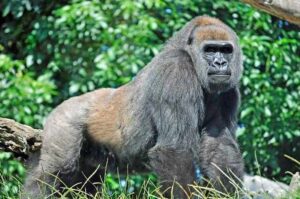
Seeing mountain gorillas in their natural habitat is one of the most unforgettable wildlife experiences in Africa. Travellers journey to Uganda, Rwanda and the Democratic Republic of Congo to observe these remarkable primates in protected mountain forests. However, even with a confirmed gorilla trekking permit, there are circumstances that may affect your chances of seeing them.
What may stop you from seeing gorillas in Africa? Possible factors include trekking without a valid permit, arriving at the wrong location or on the wrong date, becoming ill before the trek, underestimating the physical demands, difficult forest conditions and the natural movements of wild gorillas.
The good news is that careful planning can help you avoid many preventable problems. With the right preparation and guidance from an experienced safari operator such as Mambo Gorilla Safaris Uganda, you can approach your gorilla trekking adventure with realistic expectations and greater confidence.
1. Not Booking a Gorilla Trekking Permit in Advance
One of the biggest obstacles is travelling to a gorilla destination without securing a valid permit.
Gorilla trekking is carefully controlled to protect the animals from disturbance and reduce the risk of disease transmission. Only a limited number of visitors are allowed to visit each habituated gorilla family per day. Permits can therefore sell out, particularly for popular travel periods.
In Uganda, mountain gorilla trekking takes place in Bwindi Impenetrable National Park and Mgahinga Gorilla National Park. In Rwanda, trekking takes place in Volcanoes National Park.
If you arrive without a confirmed permit, you may be unable to participate on your preferred date.
How to avoid this problem:
- Choose your preferred trekking dates early.
- Confirm permit availability before committing to non-refundable flights and accommodation.
- Ensure the permit is for the correct park, date and activity.
- Keep your booking confirmation and identification documents accessible.
- Verify that your tour operator is authorised to arrange the permit.
Mambo Gorilla Safaris Uganda can help you coordinate your permit arrangements with the rest of your itinerary.
2. Gorilla Trekking Permits Being Sold Out
Even travellers who plan well in advance may find their preferred dates unavailable, especially during peak travel periods or around major holidays.
A permit is not interchangeable with any available trekking date. It is linked to a specific booking and destination, so changing your travel schedule may require a permitted rescheduling arrangement.
Waiting until the last minute can also limit your choice of accommodation, trekking sector and transport options.
Solution: Be flexible with your dates if possible. Ask your safari planner to check alternative dates or a different gorilla trekking destination before you finalise your international travel plans.
3. Arriving at the Wrong Gorilla Trekking Destination
Mountain gorillas live in a small number of protected forest areas in Central and East Africa. Travelling to a town near a gorilla destination does not automatically mean you are at the correct starting point for your trek.
For example, Bwindi Impenetrable National Park has four main trekking sectors: Buhoma, Ruhija, Rushaga and Nkuringo. These sectors are spread across a large forest landscape, and road transfers between them can take considerable time.
A lodge booked far from your assigned briefing point may cause unnecessary stress or make it difficult to arrive on time.
How to avoid this problem:
- Confirm the park and trekking sector stated in your booking.
- Choose accommodation that fits your assigned starting point.
- Check the transfer time from your lodge to the briefing location.
- Follow your operator’s instructions about departure and reporting time.
Proper logistical planning is especially important if you are travelling to Bwindi from Entebbe, Kampala or Kigali.
4. Becoming Sick Before the Gorilla Trek
Illness is an important reason a traveller may be prevented from visiting gorillas. Mountain gorillas are vulnerable to some human respiratory infections, so visitors who are unwell may be restricted from participating to protect the animals.
Symptoms such as coughing, fever, a cold or other signs of a potentially contagious illness should be reported to your guide or park staff before the activity.
Do not hide symptoms because you are worried about losing your trekking opportunity. Park authorities make decisions according to health precautions and current rules.
How to reduce the risk:
- Avoid close contact with people who are visibly ill before your trip.
- Practise good hand hygiene.
- Tell your safari operator if you develop symptoms before trekking.
- Follow all current park health instructions, including any mask requirements.
- Check your travel insurance and permit terms so you understand the applicable options if illness prevents you from trekking.
Your health and the gorillas’ welfare are more important than trying to proceed when it is unsafe.
5. Poor Physical Fitness and Difficult Forest Terrain
Gorilla trekking is not a drive-through wildlife activity. Visitors generally walk through mountainous rainforest to find a gorilla family.
The trek can last several hours, depending on where the gorillas have moved and how difficult the terrain is. Trails may be steep, slippery, muddy or obstructed by vegetation.
Travellers who underestimate the physical demands may struggle to keep up with the group or find the experience more difficult than expected.
Prepare before travelling by:
- Walking regularly and building your stamina.
- Practising on uneven ground or hills where possible.
- Wearing well-fitting hiking boots with good grip.
- Carrying only essential items in your daypack.
- Using porter assistance where available.
- Informing your operator about mobility concerns before booking.
If you have limited mobility, discuss your options in advance. The suitability of any assistance depends on the park, terrain and arrangements available on your travel dates.
6. Heavy Rain and Challenging Weather Conditions
Rain does not automatically cancel a gorilla trek. These animals live in rainforest environments, where showers and damp conditions are common throughout the year.
However, heavy rain can make trails slippery, increase walking difficulty and affect access on some routes. In exceptional circumstances, unsafe conditions may lead park authorities to change or suspend an activity.
Wet weather can also make photography more difficult and require extra care when walking on steep slopes.
How to prepare:
- Carry a waterproof jacket and rain protection for your camera.
- Wear hiking boots with reliable traction.
- Protect your phone, documents and spare clothing in waterproof bags.
- Follow your guide’s instructions if conditions become difficult.
- Avoid assuming that a dry-season booking guarantees dry trails.
The most important factor is not simply the weather forecast but how conditions affect the safety and feasibility of the trek on the day.
7. The Gorillas Moving Deeper into the Forest
Mountain gorillas are wild animals. They move through their habitat to feed, rest, interact with other family members and respond to their surroundings.
Trackers use their knowledge and monitoring of gorilla movements to help guides locate the assigned group. Nevertheless, gorillas can move, and the forest is not a zoo where animals remain in one viewing area.
The family may be farther away than expected, making the walk longer. Dense vegetation can also limit visibility, even after the group has been located.
This is why trekking time varies from one visit to another.
What you should know: A valid permit provides access to an authorised trekking activity; it does not guarantee an exact walking duration, a particular photograph or a specific gorilla behaviour.
Remain patient, follow the guides and allow enough time in your itinerary for the activity.
8. Arriving Late for the Morning Briefing
Gorilla trekking usually begins with a briefing at the designated park headquarters or meeting point. Visitors receive instructions about safety, conservation and behaviour before entering the forest.
Arriving late can disrupt the allocation and departure arrangements. Depending on the circumstances and park rules, a late arrival may mean you cannot join your assigned group.
Long drives, traffic, poor road conditions and delays at accommodation can all contribute to lateness.
How to prevent this:
- Stay close to the correct briefing point the night before when practical.
- Confirm the reporting time with your guide.
- Prepare your clothing, packed lunch and equipment the previous evening.
- Allow extra time for the morning transfer.
- Tell your driver or guide if any delay occurs.
For travellers on a short Uganda safari, leaving enough time between activities is particularly important.
9. Choosing the Wrong Safari Dates or an Unrealistic Itinerary
A poorly planned itinerary can jeopardise your trekking experience even when you have a permit.
For example, scheduling a long drive immediately before an early-morning trek may leave you tired or vulnerable to delays. Planning to arrive in Uganda on the same morning as your permit activity can be risky if your international flight is delayed.
Weather, road conditions and unexpected travel interruptions can also affect a tight schedule.
A better approach is to arrive in the region the day before your trek and avoid scheduling another major activity immediately afterwards.
For travellers combining gorilla trekking with chimpanzee tracking, national parks, lakes or other destinations, allow enough time for each transfer rather than trying to fit too many activities into a short holiday.
10. Ignoring Gorilla Trekking Rules
Gorilla trekking rules exist to protect visitors and the animals. Disregarding instructions can interrupt the experience or result in a visitor being removed from the activity.
Important rules include:
- Follow your ranger or guide at all times.
- Keep the required distance from the gorillas.
- Do not touch, feed or attempt to approach them independently.
- Keep your voice low and avoid sudden movements.
- Do not use flash photography.
- Follow instructions on eating, drinking, hygiene and waste disposal.
- Report illness before entering the forest.
If a gorilla becomes agitated or the guide determines that the encounter should end, the group must follow instructions and leave when directed.
Respecting these rules helps protect the gorillas and supports responsible wildlife tourism.
11. Being Unprepared for Photography in Dense Forest
Some visitors expect to take clear photographs of gorillas immediately. In reality, rainforest light can be low, vegetation can block the view and gorillas may move behind leaves or trees.
Poor preparation may result in blurry photographs or missed opportunities.
Before your trek, practise using your camera in low-light conditions and learn how to adjust its settings without using flash. Keep spare batteries and memory cards protected from moisture.
Remember that photography must never interfere with the guide’s instructions or the gorillas’ wellbeing. A respectful observation is more important than getting the perfect image.
12. Age Restrictions or Other Participation Requirements
Gorilla trekking has minimum-age requirements. In Uganda and Rwanda, the usual minimum age for standard mountain gorilla trekking is 15 years, although travellers should always confirm the current rules and any special conditions with the relevant park authority.
Do not assume that a child can participate simply because they have a permit enquiry or are travelling with adults.
Other factors, including health, mobility and the ability to follow instructions, may affect whether a person can safely take part.
Families should confirm the requirements before paying for flights, accommodation or permits.
13. Park Restrictions or Unexpected Operational Changes
Occasionally, conditions outside a traveller’s control may affect access to a trekking area or the planned activity. Examples can include safety concerns, park management decisions, serious weather events or other operational restrictions.
These situations are different from the ordinary challenge of locating wild gorillas. If park authorities alter an activity, travellers must follow official guidance.
Before departure, stay in contact with your safari operator and ensure you have reliable communication arrangements. Ask about the applicable permit change, rescheduling or refund conditions rather than assuming an automatic refund or replacement trek will be available.
Can You Still Fail to See Gorillas After Buying a Permit?
Yes. Although mountain gorilla trekking has a generally high sighting success rate, a sighting cannot be guaranteed with absolute certainty.
A permit allows you to take part in an authorised trek under the applicable rules. It is not a guarantee that you will see a gorilla at a particular time or in a specific location.
The animals are free to move in their natural habitat, and visibility can be affected by thick vegetation, terrain and weather. Operational or health restrictions can also affect an activity.
A responsible safari operator should explain these limitations before you book and help you prepare for the conditions you may encounter.
What Happens If You Do Not See Gorillas?
If a trek does not result in a sighting, speak with your guide and safari operator about what happened and what options, if any, are available under the applicable park rules and permit terms.
Do not assume that a refund, another trek or a replacement permit is automatically provided. The outcome depends on the circumstances, the relevant authority’s policies and the terms of your booking.
This is another reason to use a reputable operator and understand the permit conditions before paying.
Where Can You See Mountain Gorillas in Africa?
Mountain gorillas live in a limited area of Central and East Africa. Their habitat includes protected areas in Uganda, Rwanda and the Democratic Republic of Congo.
Bwindi Impenetrable National Park, Uganda
Bwindi is one of Africa’s leading gorilla trekking destinations. Its forest is home to numerous habituated gorilla families, and trekking takes place across the Buhoma, Ruhija, Rushaga and Nkuringo sectors.
Bwindi can be combined with other Uganda experiences, including wildlife safaris, cultural visits and nature excursions.
Mgahinga Gorilla National Park, Uganda
Mgahinga is part of the Virunga mountain landscape. It offers another opportunity to trek mountain gorillas in Uganda and may suit travellers interested in the volcanic scenery of southwestern Uganda.
Volcanoes National Park, Rwanda
Volcanoes National Park is Rwanda’s mountain gorilla trekking destination. It is located in the northwest of the country, near Musanze, and is known for its dramatic volcanic landscape.
Virunga National Park, Democratic Republic of Congo
Virunga National Park is also part of the mountain gorilla range. Before planning a visit, travellers should check current park operations, security conditions, travel advisories and permit arrangements with official sources.
How to Improve Your Chances of a Successful Gorilla Trek
Use this checklist before your safari:
- Secure your permit early. Confirm the correct date and destination.
- Choose suitable accommodation. Stay within practical reach of your briefing location.
- Prepare physically. Build walking stamina and pack suitable hiking footwear.
- Protect your health. Report symptoms before the activity.
- Pack for the forest. Carry rain protection, drinking water and other recommended essentials.
- Arrive on time. Confirm the reporting time and transport plan.
- Follow your guide. Respect all wildlife and safety instructions.
- Allow flexibility. Avoid tight connections and unrealistic daily schedules.
- Keep realistic expectations. Remember that gorillas are wild animals.
- Use a reliable operator. Confirm permit details and booking conditions before payment.
Frequently Asked Questions About Seeing Gorillas in Africa
1. What may stop you from seeing gorillas in Africa?
Possible obstacles include unavailable or invalid permits, illness, late arrival, difficult terrain, severe weather, park restrictions and the natural movements of wild gorillas. Careful planning can reduce many avoidable problems.
2. Is gorilla trekking guaranteed after buying a permit?
No. A valid permit allows you to participate in the authorised activity, but it cannot guarantee a sighting. Gorilla trekking takes place in natural forest habitat where animals move freely.
3. Can rain stop gorilla trekking?
Ordinary rain does not automatically stop a trek. However, severe weather or unsafe trail conditions may affect the activity. Follow official park instructions and prepare for wet, slippery terrain.
4. Do I need to be physically fit to see gorillas?
You should be prepared for walking on uneven, sometimes steep and muddy forest trails. The level of effort depends on the gorilla group’s location and the terrain. Discuss mobility concerns with your operator before booking.
5. What happens if I am sick on the day of my trek?
Tell your guide and park staff before the activity. Because gorillas are vulnerable to human illnesses, visitors with potentially contagious symptoms may be restricted from trekking. Rescheduling or refund options depend on the applicable rules and booking conditions.
6. Which country is best for seeing mountain gorillas?
Uganda and Rwanda are both excellent destinations. Your choice depends on your budget, travel dates, preferred itinerary, permit availability and the wider experiences you want to include. The Democratic Republic of Congo also has mountain gorilla habitat, but current security and park operations must be checked before planning.
7. How long does gorilla trekking take?
The trek can take several hours, depending on where the gorillas are located and the terrain. Once a habituated group is found, standard trekking normally allows up to one hour of observation, subject to park rules and any operational circumstances.
8. Can I trek gorillas without a guide?
No. Gorilla trekking must be conducted through the authorised park arrangements with guides and trackers. Visitors cannot independently enter the forest to find or approach gorillas.
9. How far in advance should I book a gorilla permit?
Book as early as practical, particularly if you have fixed travel dates or want to visit during a busy period. Confirm availability before committing to non-refundable travel arrangements.
Plan Your Gorilla Trekking Safari with Mambo Gorilla Safaris Uganda
Seeing mountain gorillas in the wild is a special experience, but it requires thoughtful preparation and respect for the rules that protect these endangered primates.
From arranging the right permit and choosing suitable accommodation to planning your transfers and preparing for rainforest conditions, good preparation can make your trip smoother and help you avoid preventable problems.
Mambo Gorilla Safaris Uganda can help you plan a tailor-made gorilla trekking holiday in Bwindi Impenetrable National Park or Mgahinga Gorilla National Park, with accommodation and transport arranged around your confirmed trekking date.
Explore our 3 Days Gorilla Trekking in Bwindi or 10 Days of Wildlife and Primate Trekking in Uganda.
Contact Mambo Gorilla Safaris Uganda to discuss your preferred travel dates, check permit availability and begin planning your Uganda gorilla safari.


