Email: info@mambogorillasafarisuganda.com | Call: +256772666331

10 Best Reasons to Visit East Africa in 2026–2027

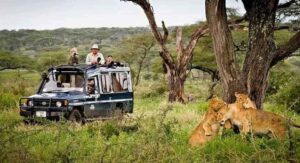
East Africa is one of the most rewarding regions in Africa for travellers seeking extraordinary wildlife, dramatic landscapes, rich cultures and unforgettable outdoor adventures. From mountain gorilla trekking in Uganda and Rwanda to the Great Wildebeest Migration in Kenya and Tanzania, the region offers experiences that can turn an ordinary holiday into a once-in-a-lifetime journey.
Whether you are planning your first African safari, a honeymoon, a family holiday, a photography expedition or an adventure across several countries, East Africa has something to suit different travel interests and budgets.
The region’s highlights include the savannah plains of the Maasai Mara and Serengeti, the rainforests of Bwindi and Kibale, the snow-capped summit of Mount Kilimanjaro, the dramatic landscapes of the Great Rift Valley and the tropical beaches of the Indian Ocean.
At Mambo Gorilla Safaris Uganda, we help travellers explore East Africa through tailor-made gorilla trekking, chimpanzee tracking, wildlife safaris and multi-country adventures.
In this guide, discover 10 of the best reasons to visit East Africa, the countries and attractions to consider, and practical tips for planning your 2026–2027 safari.
1. Experience Mountain Gorilla Trekking in Uganda and Rwanda
Mountain gorilla trekking is one of the most extraordinary wildlife experiences available in East Africa. It takes visitors into protected mountain forests to observe endangered mountain gorillas in their natural habitat under the guidance of trained park personnel.
Uganda offers gorilla trekking in two protected areas: Bwindi Impenetrable National Park and Mgahinga Gorilla National Park. Rwanda offers trekking in Volcanoes National Park.
Gorilla trekking in Uganda
Bwindi Impenetrable National Park is famous for its thick rainforest, mountain scenery and habituated gorilla families. The trek involves walking through forest trails with guides and trackers to locate the gorilla group assigned to your visit.
Mgahinga Gorilla National Park provides another opportunity to see mountain gorillas in a beautiful volcanic landscape. The park can also be included in itineraries featuring golden monkey trekking and scenic hikes, depending on the activities booked.
Uganda is an appealing option for travellers who want to combine gorilla trekking with chimpanzee tracking, savannah wildlife viewing and cultural experiences.
Gorilla trekking in Rwanda
Rwanda’s Volcanoes National Park is another leading destination for mountain gorilla trekking. Its volcanic scenery and road access from Kigali can make it attractive to visitors with limited time.
The right destination depends on your budget, travel dates, permit availability, preferred accommodation and other activities you want to include.
Why book gorilla trekking in advance?
Gorilla trekking is a regulated activity with limited visitor places. Confirm permit availability before committing to flights and accommodation, particularly if you have fixed travel dates.
For planning inspiration, explore Mambo Gorilla Safaris Uganda and its Uganda and Rwanda safari options.
2. Witness the Great Wildebeest Migration in Kenya and Tanzania
The Great Wildebeest Migration is one of East Africa’s best-known wildlife spectacles. Huge herds of wildebeest move through the Serengeti ecosystem in Tanzania and the Maasai Mara ecosystem in Kenya, following changing grazing and water conditions.
The movement is a continuous annual cycle rather than a single event on a fixed date. The location of the herds changes throughout the year, so travellers should choose their safari dates according to the wildlife experience they hope to see.
The Serengeti in Tanzania
Serengeti National Park is famous for expansive grasslands, large herbivore herds and predators such as lions, leopards, cheetahs and hyenas. Visitors can enjoy guided game drives and, at selected locations and times, hot-air-balloon safaris.
The calving season in the southern Serengeti is generally associated with the early part of the year, while herd movements and river-crossing opportunities vary across the seasons.
The Tanzania National Parks Authority provides official information about Serengeti wildlife and visitor experiences.
The Maasai Mara in Kenya
Kenya’s Maasai Mara is known for its rich wildlife and its role in the migration cycle. Depending on the season, visitors may see large herds crossing the plains, predators hunting, elephants moving through the reserve and many bird species.
River crossings can be dramatic, but they are unpredictable. No responsible safari operator can guarantee that a crossing will happen at a particular place or time.
Planning tip: Tell your safari planner whether you are most interested in calving, large herds, predator sightings or possible river crossings. This helps determine which region and dates are most suitable.
3. See Africa’s Iconic Wildlife on a Game Drive
East Africa is an excellent destination for travellers who want to observe wild animals in protected landscapes. Depending on the park, season and luck, game drives may offer opportunities to see lions, leopards, elephants, buffaloes, rhinos, giraffes, zebras, antelopes and numerous bird species.
The traditional Big Five are lions, leopards, elephants, buffaloes and rhinos. Seeing all five is not guaranteed, and no single park should be assumed to offer equally good opportunities for every species.
Top wildlife safari destinations
Queen Elizabeth National Park, Uganda: Known for savannah wildlife, the Kazinga Channel boat cruise and a range of landscapes. The Ishasha sector is particularly associated with tree-climbing lion sightings.
Murchison Falls National Park, Uganda: Combines game drives with a Nile boat cruise and views of the powerful Murchison Falls.
Maasai Mara National Reserve, Kenya: A strong choice for classic savannah wildlife and seasonal migration experiences.
Serengeti National Park, Tanzania: Famous for its vast plains, predators and the Great Migration.
Akagera National Park, Rwanda: Offers savannah landscapes, lakes and a range of wildlife-viewing opportunities.
Choosing the right park depends on which animals you most want to see, how long you have and whether you also want primate trekking, hiking or a beach holiday.
4. Track Chimpanzees in Uganda’s Tropical Forests
Chimpanzee trekking gives visitors a different perspective on East African wildlife. Instead of searching for animals across open plains, visitors walk through forests while guides help locate chimpanzees by listening for calls and following signs of activity.
Uganda is a particularly attractive destination for this experience.
Kibale National Park
Kibale is one of Uganda’s leading chimpanzee tracking destinations. Its forest habitat supports chimpanzees and several other primate species. Visitors follow designated trails with guides and may observe chimpanzees feeding, grooming, calling or moving through the canopy.
Budongo Forest
Budongo Forest is a good option for travellers who want to combine chimpanzee tracking with a Murchison Falls safari. Confirm the correct visitor site and booking arrangements before travelling.
Kyambura Gorge
Located in the Queen Elizabeth National Park area, Kyambura Gorge offers a striking forested valley surrounded by more open landscapes. Trekking can involve steep or slippery sections, so appropriate footwear is important.
Kalinzu Forest
Kalinzu Forest Reserve is another southwestern Uganda option for visitors interested in guided forest experiences and chimpanzee tracking.
Chimpanzee trekking permits, schedules and activity rules vary by location. Book through the relevant official authority or authorised provider and verify current fees before making payment.
5. Climb Mount Kilimanjaro and Explore East Africa’s Mountains
East Africa offers some of Africa’s most impressive mountain adventures. Mount Kilimanjaro in Tanzania, the Rwenzori Mountains in Uganda and the Virunga volcanoes around the Uganda–Rwanda–Democratic Republic of Congo region each offer different landscapes and levels of difficulty.
Mount Kilimanjaro, Tanzania
At approximately 5,895 metres above sea level, Mount Kilimanjaro is Africa’s highest mountain. Its routes pass through changing vegetation zones, from cultivated foothills and forest to alpine terrain and the summit area.
A Kilimanjaro climb requires preparation, adequate time for acclimatisation and an understanding of altitude-related risks. Choose a route and itinerary that provide an appropriate pace, and follow your qualified mountain crew’s safety advice.
Rwenzori Mountains, Uganda
The Rwenzori Mountains offer a very different experience, with rugged terrain, forest, giant heather and high-altitude landscapes. Treks range from shorter excursions to demanding multi-day mountain expeditions.
The Virunga volcanoes
The volcanic region around Uganda’s Mgahinga Gorilla National Park and Rwanda’s Volcanoes National Park offers opportunities for guided hikes, depending on the mountain, route and current park rules.
These mountain experiences can be combined with wildlife safaris or gorilla trekking, but itineraries should allow enough recovery time between demanding activities.
6. Discover East Africa’s Beaches and Tropical Islands
East Africa is not only about forests and savannah. The Indian Ocean coast and its islands offer a relaxing complement to a busy safari.
Zanzibar, Tanzania
Zanzibar is known for its beaches, warm waters, spice heritage and historic Stone Town. Visitors can enjoy beach stays, cultural tours, boat excursions and other coastal activities.
A Zanzibar extension is especially appealing after a wildlife safari in Tanzania or a longer regional journey.
Kenya’s coastline
Kenya’s coast includes popular destinations such as Diani Beach and Watamu. Travellers can relax on the beach, explore coastal culture and enjoy selected marine activities.
Lake and island experiences
Inland East Africa also has beautiful lakes and islands. Lake Bunyonyi in Uganda is known for its scenic hills and island-dotted waters, making it a peaceful addition to a southwestern Uganda itinerary.
Travel tip: If you are combining a safari with a beach holiday, decide whether you want to relax at the end of the trip or break up a long journey with a coastal stay. Check flight schedules and transfer times before booking.
7. Experience East Africa’s Diverse Cultures and Traditions
East Africa is home to diverse communities, languages, cuisines, music and cultural traditions. Visiting respectfully can add depth to a wildlife holiday and help travellers understand the people and places connected to the landscapes they explore.
Cultural experiences may include guided community visits, local markets, traditional performances, craft demonstrations and opportunities to learn about regional food and history.
Cultural experiences in Uganda
Depending on the location, visitors may learn about Batwa heritage in the Bwindi and Mgahinga region, visit community projects near safari destinations or explore traditional crafts and local food.
Choose community visits that are led by local people and arranged with respect for their preferences, privacy and livelihoods.
Maasai culture in Kenya and Tanzania
Some itineraries include a visit with Maasai communities. A responsible visit should be arranged with community consent and clear information about the experience, photography and any fees.
Rwanda’s cultural heritage
Rwanda offers cultural and historical experiences alongside its mountain landscapes and wildlife destinations. Travellers can explore local traditions, museums, crafts and community tourism projects as part of a broader itinerary.
Cultural tourism is most meaningful when visitors approach it with curiosity and respect rather than treating communities as performances.
8. Enjoy Exceptional Birdwatching and Nature Photography
East Africa is rewarding for birdwatchers, wildlife photographers and nature lovers. Its habitats range from wetlands and lakes to forests, mountains and open grasslands.
The variety of ecosystems creates opportunities to photograph or observe different species across one trip.
Birdwatching in Uganda
Uganda’s forests, wetlands and savannah parks support a rich birdlife. Depending on the itinerary, birders may explore Bwindi, Kibale, Mabamba wetlands, Queen Elizabeth National Park and Murchison Falls National Park.
The shoebill is one of the region’s most sought-after birds, but sightings are never guaranteed. Wetland trips should be arranged with knowledgeable local guides who understand suitable viewing locations and responsible observation practices.
Wildlife photography in Kenya and Tanzania
The Maasai Mara and Serengeti are famous for open landscapes and large mammals. Photographers may capture predators, herd movements, birds and dramatic sunrise or sunset scenes.
Photography tips
- Carry binoculars and a camera lens appropriate to your interests.
- Protect equipment against dust, rain and humidity.
- Follow guides’ instructions and keep a safe distance from wildlife.
- Avoid disturbing animals to obtain a photograph.
- Allow enough time at each destination rather than rushing between parks.
9. Combine Several Countries in One East African Safari
One of the biggest advantages of travelling to East Africa is the opportunity to combine different countries and experiences in one holiday. With a well-planned itinerary, travellers can move from mountain forests to savannah parks, cultural destinations and tropical beaches.
A multi-country safari requires more planning than a single-country trip, but it can provide a much broader experience.
Uganda and Rwanda
This combination is attractive for travellers interested in mountain gorillas, chimpanzees, golden monkeys and scenic highland landscapes. It is important to account for border procedures, driving times and permit availability.
Kenya and Tanzania
This pairing works particularly well for travellers interested in the Great Migration and classic savannah wildlife. The exact route depends on the season, park access and whether the traveller wants to add a beach stay.
Uganda, Kenya and Rwanda
Travellers with more time can combine Uganda’s primates and wildlife with Kenya’s savannah safaris and Rwanda’s volcanic scenery.
The East African Tourist Visa currently covers tourism travel to Uganda, Kenya and Rwanda, subject to eligibility and entry conditions. It does not cover Tanzania. Official guidance states that the visa costs US$100 and is valid for 90 days; the country that issues it must be the first point of entry into the participating region. Confirm the current requirements with the relevant immigration authority before applying.
Official reference: Uganda Immigration – East African Tourist Visa.
10. Support Conservation and Responsible Tourism
A well-managed safari can contribute to conservation and local livelihoods. Protected areas provide habitat for wildlife, and tourism can create employment for guides, drivers, lodge staff, craftspeople and other community members.
Wildlife tourism can also help finance conservation management, visitor facilities and community programmes. The exact benefits depend on the destination, management system and how tourism revenue is distributed.
How to travel responsibly
- Book regulated activities through official authorities or reputable operators.
- Follow all rules during gorilla and chimpanzee trekking.
- Never feed, touch or deliberately disturb wild animals.
- Respect local customs and ask before photographing people.
- Use local guides and community-run experiences where appropriate.
- Avoid leaving litter in parks, forests and communities.
- Choose accommodation and operators that communicate their responsible tourism practices clearly.
Responsible travel is not only about protecting animals. It also means respecting the people who live near the destinations and recognising their role in conserving the landscapes visitors come to enjoy.
What Is the Best Time to Visit East Africa?
There is no single best month for every East African destination. The ideal time depends on your planned activities, destination and priorities.
Gorilla and chimpanzee trekking: Trekking takes place during much of the year, subject to permits and operating conditions. Drier periods can make some trails easier to navigate, but rain is possible at any time in tropical forests.
Kenya and Tanzania wildlife safaris: Seasonal wildlife movements matter. If the Great Migration is your priority, choose dates according to the herd locations you want to target and allow flexibility because nature does not follow a fixed timetable.
Mount Kilimanjaro: Choose a route and season based on weather, trail conditions and your guide’s advice. Proper acclimatisation and fitness preparation are essential.
Beach holidays: Coastal conditions vary by season. Check local weather and sea conditions before selecting your travel dates.
The best itinerary is the one that matches your main interests while allowing realistic travel time between destinations.
How Much Does an East African Safari Cost?
The cost of an East African safari depends on the countries visited, length of stay, accommodation standard, transport arrangements, activities and number of travellers.
Major expenses may include:
- International and regional flights.
- Gorilla and chimpanzee permits.
- National park and conservation fees.
- Safari vehicle, driver-guide and fuel.
- Accommodation and meals.
- Mountain trekking guides and support staff.
- Domestic transfers and cross-border travel.
- Travel insurance and visa fees.
- Optional activities, cultural visits and beach excursions.
Gorilla permits and mountain expeditions can represent a substantial part of the budget. For a multi-country safari, ask for an itemised quotation showing which permits, accommodation, meals, transport and activities are included.
Avoid comparing package prices based only on the advertised total. Two itineraries may look similar but differ in accommodation, included activities, transport arrangements and permit costs.
Sample 12-Day East Africa Safari Itinerary
This sample route combines Uganda’s primates with Kenya’s savannah wildlife. It is an outline and must be adjusted according to permits, flight schedules, border arrangements and the travel season.
Days 1–2: Arrive in Uganda and travel to the western region
Arrive at Entebbe, meet your safari team and travel towards the Kibale or Queen Elizabeth area, depending on the selected itinerary.
Day 3: Chimpanzee trekking
Take part in a guided chimpanzee tracking experience, subject to permit availability. Enjoy the surrounding forest and nearby attractions if time allows.
Days 4–5: Queen Elizabeth National Park
Enjoy game drives and, where scheduled, a boat cruise on the Kazinga Channel.
Days 6–7: Bwindi Impenetrable National Park
Travel to the Bwindi area and prepare for gorilla trekking. Your permit should be booked in advance and matched to the correct trekking sector.
Day 8: Gorilla trekking
Join your assigned trekking group and follow the guides’ instructions. Depending on your interests and time, include a community experience or a scenic stop nearby.
Days 9–10: Travel and connect to Kenya
Return towards the agreed departure point and take a suitable flight to Kenya. The actual routing may require an additional overnight stay.
Days 11–12: Kenya wildlife safari
Enjoy game drives in a suitable reserve, selected according to the season and available time. Depart from Kenya according to your international flight arrangements.
This itinerary is best suited to travellers with enough time and flexibility. If the Great Migration or a Zanzibar beach stay is a priority, a different route may be more suitable.
How to Plan Your East Africa Safari Successfully
Before booking, work through these steps:
- Choose your main experience. Decide whether gorilla trekking, the Great Migration, Kilimanjaro, wildlife photography or a beach holiday is the highest priority.
- Select your countries. Avoid adding too many destinations if you have limited time.
- Confirm permits and activity availability. Secure limited-capacity activities before committing to the rest of your itinerary.
- Check visa requirements. Requirements depend on your nationality, route and countries visited.
- Choose suitable accommodation. Lodges close to the park or trekking briefing point can reduce unnecessary driving.
- Plan realistic travel times. Roads, border formalities and domestic flight schedules can affect your route.
- Prepare for the activities. Gorilla trekking, chimpanzee tracking and mountain climbing require different levels of physical preparation.
- Arrange travel insurance. Check that your policy covers the activities you intend to undertake.
- Travel responsibly. Follow conservation rules and respect local communities.
Frequently Asked Questions About Visiting East Africa
1. Why should I visit East Africa?
East Africa offers a remarkable combination of wildlife safaris, mountain gorilla trekking, chimpanzee tracking, the Great Migration, mountain adventures, beaches, birdwatching and cultural experiences.
2. Which country is best for an East African safari?
The best country depends on your interests. Uganda is a strong choice for gorillas and chimpanzees; Rwanda offers gorilla trekking and volcanic landscapes; Kenya is known for the Maasai Mara and other wildlife destinations; and Tanzania offers the Serengeti, Ngorongoro and Mount Kilimanjaro.
3. Can I visit Uganda, Rwanda and Kenya on one trip?
Yes. Travellers can plan a multi-country itinerary, subject to transport, border and immigration requirements. Eligible visitors may use the East African Tourist Visa for tourism across Uganda, Rwanda and Kenya.
4. Does the East African Tourist Visa include Tanzania?
No. The East African Tourist Visa covers Uganda, Kenya and Rwanda, not Tanzania. Check the relevant Tanzanian entry requirements separately.
5. When is the best time to see the Great Migration?
The best dates depend on where the herds are moving and which stage of the migration you want to experience. The migration is a continuous cycle, so consult current regional guidance before choosing your travel dates.
6. Can I combine gorilla trekking with a wildlife safari?
Yes. Many Uganda itineraries combine gorilla trekking in Bwindi or Mgahinga with game drives and boat cruises in Queen Elizabeth or Murchison Falls National Park.
7. Is East Africa suitable for families?
It can be, depending on the ages of the travellers, activity restrictions and itinerary. Some activities have minimum age requirements, and demanding treks may not suit every family member. Confirm the rules for each activity before booking.
8. How long should I spend in East Africa?
A single-country safari may fit into a shorter holiday, while a multi-country journey usually needs more time. Allow sufficient days for transfers, trekking, wildlife viewing and unexpected travel delays.
9. Can Mambo Gorilla Safaris Uganda organise a customised safari?
Mambo Gorilla Safaris Uganda offers tailor-made safari planning for travellers interested in gorilla trekking, wildlife viewing, primate experiences and regional adventures. Contact the team with your dates, group size, budget and preferred destinations to discuss a suitable itinerary.
Plan Your East Africa Adventure with Mambo Gorilla Safaris Uganda
East Africa offers more than one reason to visit. You can walk through a rainforest in search of mountain gorillas, follow chimpanzee calls through the forest, watch elephants on the savannah, explore the Great Migration, hike mountain trails and finish your holiday beside the Indian Ocean.
The key to a successful safari is choosing the right destinations and allowing enough time to experience them properly.
Mambo Gorilla Safaris Uganda can help you plan a safari around your interests, preferred travel dates and budget, whether you want a Uganda gorilla trekking trip, a Uganda and Rwanda primate adventure, a Kenya wildlife safari or a longer East African journey.
Ready to plan your trip? Visit mambogorillasafarisuganda.com or request a safari quotation to discuss your preferred destinations, group size and travel dates.
Let your East African journey bring together extraordinary wildlife, beautiful landscapes and meaningful cultural experiences—planned with care and respect for the region’s people and natural heritage.


