Email: info@mambogorillasafarisuganda.com | Call: +256772666331

Best Off-Season Safari Experiences in Uganda

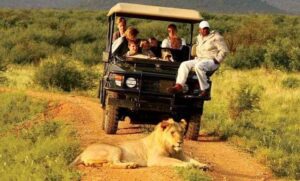
Uganda is one of Africa’s most rewarding safari destinations, offering mountain gorillas, chimpanzees, savannah wildlife, spectacular waterfalls, tropical forests and diverse birdlife. Although many travelers prefer the dry season, visiting during the off-season can provide a different and equally memorable way to explore the Pearl of Africa.
The best off-season safari experiences in Uganda include mountain gorilla trekking in Bwindi Impenetrable National Park, chimpanzee tracking in Kibale Forest, wildlife safaris in Murchison Falls and Queen Elizabeth national parks, bird watching, scenic boat cruises and exploring Uganda’s beautiful green landscapes.
Uganda’s main wetter periods generally fall around March to May and October to November, although rainfall varies by region and year. These months may offer quieter parks, greener scenery and opportunities to find accommodation promotions. However, rain can make some forest trails muddy and certain roads more difficult to navigate.
At Mambo Gorilla Safaris Uganda, we help travelers plan safari experiences around their preferred destinations, travel dates, budget and interests. With suitable preparation, an off-season trip can combine wildlife, adventure and relaxation without trying to fit every attraction into one itinerary.
What Is the Off-Season for Safaris in Uganda?
Uganda is a year-round safari destination, but visitor numbers and weather conditions change throughout the year.
The main periods commonly considered off-season are:
- March to May: The long-rain period in many parts of the country.
- October to November: A shorter rainy period in many southern and central destinations.
These are general patterns rather than guarantees. Some regions experience different rainfall patterns, and the northeast can have a different seasonal climate from southwestern Uganda.
The wetter months can be attractive to travelers who prefer lush scenery, fewer visitors and flexible travel dates. Nevertheless, some activities may require additional preparation or itinerary adjustments.
For a general seasonal overview, consult Tourism Uganda’s guide to the best time to visit.
Why Visit Uganda During the Off-Season?
Traveling during the off-season can offer several advantages, depending on the destinations and activities you choose.
1. Potentially Lower Accommodation Costs
Some safari lodges and hotels offer reduced rates or special packages during quieter periods. This can make certain safari itineraries more affordable than during peak travel months.
Savings vary by property, travel dates and package. Gorilla trekking permits and other regulated activity fees should be checked separately rather than assumed to be discounted.
Ask your safari operator for a quotation that clearly separates accommodation, transport, permits, park fees and optional activities.
2. Greener Landscapes for Photography
Rainfall transforms many parts of Uganda into lush landscapes, with green hills, flourishing vegetation and dramatic skies.
Photographers may appreciate the rich colours, atmospheric forest scenes and reflections around wetlands and lakes.
However, cloud cover and rain can also reduce visibility, so it is useful to allow flexibility for outdoor photography.
3. Fewer Visitors at Some Attractions
Certain parks, lodges and tourist sites may be quieter during the wetter months. This can provide a more relaxed atmosphere, although crowd levels depend on the destination and specific dates.
Gorilla permits, lodge availability and popular activities should still be booked in advance.
4. Excellent Opportunities for Bird Watching
Uganda has exceptional bird diversity, including resident species and seasonal migrants. The wetter months can offer productive birding, depending on location, rainfall and target species.
Bird watchers should choose destinations based on their target birds rather than assuming every park is best in every off-season month.
5. Opportunities for Flexible Itineraries
If your travel dates are flexible, you may be able to compare several accommodation options and build a trip around the best available activities.
A good off-season itinerary includes realistic driving times, alternative activities and enough flexibility to accommodate weather-related changes.
1. Go Gorilla Trekking in Bwindi Impenetrable National Park
Mountain gorilla trekking is one of Uganda’s most extraordinary wildlife experiences, and it remains possible during the off-season.
Bwindi Impenetrable National Park protects mountain gorillas within a rich forest ecosystem. Guided treks take visitors through forest vegetation and often across steep, muddy or uneven terrain to find a habituated gorilla family.
Why consider gorilla trekking in the off-season?
Travelers who visit during quieter periods may find a different atmosphere around some lodges and tourism services. Greener vegetation also creates beautiful forest scenery for photography.
However, the rainy season brings practical challenges. Trails may be slippery, visibility can be affected by vegetation and treks can require considerable physical effort.
Tips for off-season gorilla trekking
- Book your gorilla trekking permit before finalizing your itinerary.
- Confirm the trekking sector and accommodation location.
- Pack waterproof hiking boots and a reliable rain jacket.
- Bring long trousers, long-sleeved clothing and gardening gloves.
- Allow enough time for transfers between destinations.
- Follow ranger instructions and all gorilla viewing rules.
Rain does not automatically mean a trek will be cancelled, but conditions and operational arrangements can change.
For travelers interested in a focused primate experience, explore the 3-Day Bwindi Gorilla Trekking Tour.
2. Track Chimpanzees in Kibale Forest National Park
Kibale Forest National Park is one of Uganda’s best-known destinations for chimpanzee tracking.
The forest is home to chimpanzees and other primates, along with numerous bird species and diverse plant life. Guided tracking activities help visitors learn about chimpanzee behaviour and forest conservation.
What makes Kibale attractive in the off-season?
The forest can look especially lush after rainfall, creating beautiful scenery for nature enthusiasts and photographers.
Chimpanzee tracking may continue during wetter periods, but trails can become muddy and slippery. The time needed to locate chimpanzees varies, so visitors should prepare for an active forest walk.
What should you bring?
Pack waterproof footwear, a rain jacket, drinking water and clothing suitable for humid forest conditions.
Book the required tracking activity in advance and confirm the meeting point, departure time and current visitor requirements.
Kibale can be combined with Queen Elizabeth National Park or a longer gorilla safari, but the itinerary should allow adequate time for road transfers.
3. Enjoy a Wildlife Safari in Murchison Falls National Park
Murchison Falls National Park offers a combination of savannah wildlife, river scenery, woodland and one of Uganda’s most famous waterfalls.
During an off-season safari, the landscape may be greener and particularly attractive for photography. Visitors can still enjoy game drives and river excursions, subject to park access and current conditions.
What wildlife can you see?
Depending on the location and conditions, you may encounter:
- Elephants
- Buffaloes
- Giraffes
- Antelopes
- Hippos
- Nile crocodiles
- A wide variety of birds
- Lions and other predators, with sightings never guaranteed
The wetter months may make some roads more difficult, especially after heavy rainfall. A suitable safari vehicle and experienced guide are important.
Add a boat cruise on the Nile
A boat cruise along the Nile is one of the park’s signature experiences. It offers opportunities to observe hippos, crocodiles and waterbirds while appreciating the surrounding landscape.
Confirm the departure schedule and operating conditions before travel, and follow all safety instructions during the excursion.
For a dedicated wildlife holiday, consider Mambo Gorilla Safaris Uganda’s 3-Day Murchison Falls Safari.
4. Explore Queen Elizabeth National Park in the Green Season
Queen Elizabeth National Park offers a diverse landscape of savannah, wetlands, lakes, forest and volcanic scenery.
It is a strong option for travelers who want to combine game drives, bird watching and boat excursions in one destination.
Off-season activities in Queen Elizabeth National Park
Depending on the weather and current operating arrangements, you can enjoy:
- Guided game drives
- A boat cruise on the Kazinga Channel
- Bird watching
- Scenic drives through the park
- Wildlife photography
- Exploring the Ishasha sector for opportunities to look for its famous tree-climbing lions
Rain can make some routes muddy or temporarily difficult to access. Check the route and road conditions with your operator before setting off.
Is wildlife viewing still possible in the rainy season?
Yes. Uganda’s wildlife can be seen throughout the year, although visibility and animal movements vary.
Thicker vegetation may make some animals harder to spot, while the green scenery can improve the photographic atmosphere. No particular wildlife sighting can be guaranteed.
Explore the 3-Day Queen Elizabeth National Park Safari for a possible addition to your itinerary.
5. Go Bird Watching in Uganda
Bird watching is one of the most rewarding activities to consider when planning an off-season safari in Uganda.
The country supports a wide variety of habitats, including tropical forests, wetlands, lakes, rivers and savannah. Each habitat offers different birding opportunities.
Where can you go bird watching?
Potential destinations include:
- Bwindi Impenetrable National Park
- Mgahinga Gorilla National Park
- Kibale Forest National Park
- Murchison Falls National Park
- Queen Elizabeth National Park
- Wetland areas where access is permitted
The best destination depends on your target species, travel dates and preferred habitat.
Some bird species are easier to find during particular seasons, and migratory birds are present at different times of the year. Ask a knowledgeable guide to help you plan around your birding interests.
Birding tips for the off-season
Bring binoculars, a field guide or bird identification app, waterproof protection for your equipment and comfortable walking shoes.
Start early when practical, follow your guide’s advice and avoid disturbing birds or nesting areas.
For serious birders, a dedicated itinerary with experienced local guides can be more productive than trying to combine too many parks in a short visit.
6. Visit Mgahinga Gorilla National Park for Gorillas and Golden Monkeys
Mgahinga Gorilla National Park offers another way to experience Uganda’s primate wildlife.
Situated in the Virunga Mountains, the park protects mountain gorillas, golden monkeys, montane forest and volcanic scenery.
Visitors can consider gorilla trekking, golden monkey tracking, bird watching and guided mountain activities, depending on availability and weather.
Why visit during the off-season?
The forested mountain landscape can be especially atmospheric when mist and greenery cover the slopes.
However, rain can make trails more challenging and mountain weather can change quickly. Travelers should prepare for cool conditions, wet ground and physically demanding walking.
Confirm the activity you want, permit availability and any weather-related restrictions before booking.
7. Enjoy a Boat Cruise on the Kazinga Channel
The Kazinga Channel connects Lake George and Lake Edward within the Queen Elizabeth National Park landscape.
A guided boat cruise offers a different perspective on the park and provides opportunities to observe wildlife along the water.
Hippos, crocodiles and waterbirds are among the animals visitors may see, while elephants and buffaloes may sometimes be observed along the banks.
Why choose a boat cruise in the off-season?
The green surroundings can provide attractive photography and a different atmosphere from the dry season.
Actual sightings depend on wildlife movements, weather and the location of animals during the cruise. Confirm the schedule and safety requirements before booking.
A Kazinga Channel cruise is an excellent addition to a safari that includes game drives and other activities in Queen Elizabeth National Park.
8. Explore Lake Mburo National Park
Lake Mburo National Park offers a compact wildlife destination that can work well in a shorter Uganda safari.
The park features savannah, woodland, wetlands and lakes. Activities may include game drives, guided nature walks where authorized, bird watching and boat excursions.
The green season can make the landscape especially attractive, although some tracks may become muddy after heavy rain.
Lake Mburo is also a useful stop for travelers moving between Kampala and southwestern Uganda.
If you are planning a gorilla trekking holiday, it may be possible to add Lake Mburo as part of a longer route, provided enough time is allowed for transfers and activities.
9. Discover Uganda’s Green Landscapes and Waterfalls
Uganda’s off-season is not only about national parks. It can also be an excellent time to explore scenic landscapes, waterfalls and forested areas, subject to weather and access.
Possible additions to a longer itinerary include:
- The Source of the Nile in Jinja
- Sipi Falls in eastern Uganda
- Lake Bunyonyi in southwestern Uganda
- Lake Mutanda near Kisoro
- Scenic viewpoints around Uganda’s highlands
- Suitable forest walks with authorized guides
Rain can enhance the appearance of waterfalls and vegetation, but slippery paths and changing water conditions require caution.
Check access and activity arrangements before visiting, especially if a waterfall hike or outdoor excursion is central to your plans.
10. Experience Uganda’s Cultural and Community Tourism
An off-season safari can also include cultural activities that help you understand Uganda beyond its wildlife.
Depending on the destination, you may be able to arrange:
- Community walks
- Local craft experiences
- Traditional music and dance
- Guided visits with community hosts
- Cultural experiences associated with the Batwa communities near Bwindi or Mgahinga
- Visits to local markets and selected heritage sites
Choose experiences led by local people and ask how the activity benefits participating communities.
Cultural activities are a useful alternative when heavy rain affects outdoor plans, although availability and access should always be confirmed.
Best Months for an Off-Season Safari in Uganda
Uganda’s seasons vary by region, but the following table provides a general planning guide.
| Period | Typical conditions | Potential safari advantages | Important considerations |
|---|---|---|---|
| March | Rains often increase | Greener landscapes and potentially quieter lodges | Rainfall varies; trails may become muddy |
| April | Often part of the long-rain period | Photography, lush vegetation and possible accommodation offers | Heavy rain may affect roads and activities |
| May | Rain can continue, especially in the southwest | Green scenery and birding opportunities | Allow extra time for transfers and trekking |
| October | Short rains may begin or increase | Green landscapes and potentially fewer visitors | Conditions vary by region |
| November | Often part of the short-rain period | Quiet travel periods and green scenery | Rain can affect forest trails and some roads |
This is a general guide, not a guarantee of weather or discounts. Confirm regional conditions and accommodation availability for your actual dates.
For current planning guidance, consult Tourism Uganda’s seasonal travel information.
Off-Season Safari vs Dry-Season Safari in Uganda
Neither season is best for every traveler. Your choice depends on your priorities.
| Feature | Off-season | Dry season |
|---|---|---|
| General weather | More frequent rain in many regions | Generally drier conditions |
| Landscape | Lush and green | Often less dense vegetation |
| Forest trekking | Can be muddy and slippery | Trails are often easier to manage |
| Wildlife viewing | Possible year-round; visibility varies | Animals may be easier to spot in some areas |
| Accommodation | Potential promotions at some properties | Popular properties may be more expensive |
| Visitor numbers | May be lower at some destinations | Often higher during popular travel periods |
| Photography | Rich greens and dramatic skies | Often clearer conditions and easier movement |
The right decision is not simply about selecting the cheapest month. It is about matching your travel dates to the experiences you value most.
How to Save Money on an Off-Season Safari in Uganda
If you are planning a budget-conscious trip, these steps can help you manage costs without compromising the experience.
Book accommodation strategically
Compare several accommodation categories and ask about seasonal offers. Check exactly what each rate includes, such as meals, transfers and activities.
Plan your route efficiently
Choose destinations that fit together geographically. Avoid unnecessary backtracking, which adds driving time and fuel costs.
Confirm permits before making major payments
If gorilla or chimpanzee trekking is a priority, check permit availability first and understand the payment and cancellation terms.
Do not assume that permits are automatically discounted in the off-season. Confirm the official rate applicable to your visitor category and travel date.
Travel with a suitable group size
Depending on the operator and accommodation, sharing certain transport or safari costs with other travelers may reduce the per-person price.
Compare the full package cost
A low headline price may exclude park fees, permits, meals or activities. Request a clear quotation showing what is included and excluded.
What to Pack for an Off-Season Safari in Uganda
Rain protection and suitable footwear are particularly important during wetter months.
Consider packing:
- Waterproof hiking boots
- A lightweight rain jacket
- Long trousers and long-sleeved shirts
- A warm layer for cool mornings and mountain areas
- A waterproof cover or bag for electronics
- Insect repellent
- Sunscreen and a hat
- Binoculars
- A reusable water bottle
- A small daypack
- Personal medication
- Spare socks and quick-drying clothing
- A camera with weather protection
For gorilla trekking, gardening gloves can help protect your hands when moving through vegetation. Use a walking stick if recommended by your guide, and follow all park instructions.
How to Plan a Successful Off-Season Safari
A successful trip requires flexibility and realistic expectations.
Before departure:
- Choose the main activities you want to experience.
- Confirm gorilla and chimpanzee permit availability where relevant.
- Select accommodation with suitable cancellation and change policies.
- Ask about road conditions and the best vehicle for your route.
- Allow extra time for long transfers.
- Check opening hours and activity schedules.
- Keep a suitable alternative in case weather affects an outdoor activity.
Working with an experienced local safari operator can help you adapt the itinerary to the actual conditions.
Sample 7-Day Off-Season Uganda Safari Itinerary
This itinerary combines wildlife, primates and a boat cruise. It is a sample route and may need adjustment according to permits, accommodation availability and road conditions.
Day 1: Arrive in Entebbe
Arrive in Uganda, meet your representative and transfer to your accommodation. Rest after your journey and review the next day’s schedule.
Overnight: Entebbe.
Day 2: Travel to Murchison Falls National Park
Drive toward Murchison Falls National Park, allowing time for the journey and any planned stops. Depending on arrival time, enjoy a suitable activity.
Overnight: Murchison Falls area.
Day 3: Game Drive and Nile Boat Cruise
Enjoy a guided game drive and a scheduled boat excursion on the Nile, subject to weather and operating conditions.
Overnight: Murchison Falls area.
Day 4: Transfer Toward Kibale Forest
Travel toward the Kibale area. Because the transfer is substantial, allow enough time and avoid scheduling a demanding activity immediately after arrival.
Overnight: Kibale area.
Day 5: Chimpanzee Tracking
Join your scheduled chimpanzee tracking activity. Later, enjoy a relaxed afternoon or a suitable local experience.
Overnight: Kibale area.
Day 6: Travel to Bwindi Impenetrable National Park
Continue to the gorilla trekking region. Your exact route and travel time depend on the selected accommodation and trekking sector.
Overnight: Bwindi area.
Day 7: Gorilla Trekking and Departure Planning
Participate in gorilla trekking if a permit has been confirmed for this day. Because trekking duration and road transfers can be unpredictable, an additional night or a later departure may be necessary.
For international flights, avoid planning a tight same-day connection after trekking. A longer itinerary is more comfortable and provides flexibility if rain or road conditions cause delays.
Why Book Your Off-Season Safari With Mambo Gorilla Safaris Uganda?
Off-season travel requires careful coordination of accommodation, transport, permits and outdoor activities. Rain may affect some routes, while popular experiences still need advance reservations.
Mambo Gorilla Safaris Uganda can help you design a trip around your travel dates, budget and preferred activities.
Your customized safari may include:
- Mountain gorilla trekking in Bwindi or Mgahinga
- Chimpanzee tracking in Kibale Forest
- Wildlife viewing in Murchison Falls National Park
- Queen Elizabeth National Park game drives
- Kazinga Channel boat cruises
- Bird watching
- Lake Mburo National Park
- Cultural and community experiences
- Scenic lakes and waterfalls
You can choose a short primate holiday or a longer itinerary combining several national parks.
Explore our 3-Day Bwindi Gorilla Trekking Tour, 3-Day Murchison Falls Safari and 10-Day Wildlife and Primate Trekking Safari in Uganda for itinerary ideas.
Frequently Asked Questions About Off-Season Safari Experiences in Uganda
What is the best off-season month for a Uganda safari?
March to May and October to November are commonly considered wetter, quieter periods in many safari regions. The best month depends on your chosen activities, destination and tolerance for rain.
Is gorilla trekking possible during the off-season?
Yes, gorilla trekking can take place during wetter months, subject to permit availability and operational conditions. Trails may be muddy and slippery, so waterproof clothing, good boots and suitable preparation are essential.
Are Uganda safaris cheaper in the off-season?
Some lodges and safari operators offer seasonal promotions during quieter periods. However, savings vary, and gorilla permits or other regulated activity fees should not be assumed to be discounted.
Can I see wildlife during the rainy season?
Yes. Uganda’s wildlife can be viewed throughout the year. Rain, vegetation and animal movements affect visibility, so sightings may differ from those during drier months.
Is the off-season good for bird watching in Uganda?
It can be. Uganda supports resident birds and seasonal migrants, and different habitats offer different birding opportunities. The best period depends on your target species and destination.
Which national parks are suitable for an off-season safari?
Bwindi, Mgahinga, Kibale, Murchison Falls, Queen Elizabeth and Lake Mburo may all be suitable, depending on weather, access and the activities you want to do.
What should I pack for an off-season Uganda safari?
Bring waterproof hiking boots, a rain jacket, quick-drying clothes, long trousers, insect repellent, a daypack and a waterproof cover for your electronics. Add warm layers for mountain destinations.
Should I book my safari in advance if I am traveling in the off-season?
Yes. Book permits and essential activities in advance, especially if gorilla trekking is a priority. You may have more flexibility with some accommodation choices, but availability is never guaranteed.
Can I combine an off-season safari with gorilla trekking and chimpanzee tracking?
Yes. A longer itinerary can combine gorilla trekking in Bwindi or Mgahinga with chimpanzee tracking in Kibale and wildlife viewing in other national parks. Allow enough time for transfers and weather-related delays.
Final Thoughts: Enjoy Uganda’s Green Season With the Right Safari Plan
The best off-season safari experiences in Uganda combine wildlife, primate encounters, bird watching, river cruises and lush natural scenery. Traveling during wetter months can offer a different perspective on the country, with potential accommodation savings and quieter experiences at selected destinations.
However, off-season travel also requires preparation. Rain can affect forest trails, road conditions and activity schedules, so flexibility and good local planning are essential.
Plan your off-season Uganda safari with Mambo Gorilla Safaris Uganda. Whether you want to trek mountain gorillas, track chimpanzees, explore Murchison Falls or enjoy a wildlife and birding holiday, your itinerary can be tailored to your travel dates, budget and interests.


