Email: info@mambogorillasafarisuganda.com | Call: +256772666331

Gorilla Trekking Packing List Uganda: What to Pack for Bwindi Gorilla Trekking

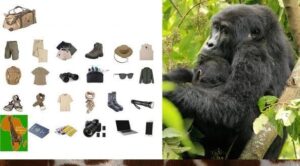
Planning a gorilla trekking safari in Uganda with Mambo Gorilla Safaris? One of the most important things to organize before your trip is knowing exactly what to pack for gorilla trekking.
Gorilla trekking in Uganda takes place mainly in Bwindi Impenetrable National Park and Mgahinga Gorilla National Park. In Bwindi, trekking is conducted in four main sectors: Buhoma, Ruhija, Rushaga and Nkuringo. Uganda Wildlife Authority advises that gorilla trekking requires moderate fitness and can last approximately 2 to 7 hours, depending on the location and movement of the gorilla family.
Because Bwindi is a mountainous tropical rainforest, conditions can change quickly. You may experience rain, mud, steep trails, dense vegetation and cool temperatures during the same trek.
That is why having the right gorilla trekking packing list for Uganda can make your experience much more comfortable.
Whether you are travelling to Uganda for a 3-day gorilla safari, a longer Uganda wildlife safari or an East African adventure combining gorillas with chimpanzees and wildlife, this guide from Mambo Gorilla Safaris explains what to pack, what to wear and what you can leave behind.
Quick Gorilla Trekking Packing List
Before travelling to Bwindi, make sure you have the following:
- Waterproof hiking boots
- Long hiking trousers
- Long-sleeved shirts
- Waterproof rain jacket or poncho
- Gardening gloves
- Long hiking socks
- Gaiters
- Lightweight daypack
- Reusable water bottle
- Energy snacks
- Insect repellent
- Sunscreen
- Hat or cap
- Sunglasses
- Camera
- Spare batteries
- Power bank
- Binoculars
- Personal medication
- Small first-aid kit
- Hand sanitizer
- Waterproof bags or dry bags
- Gorilla trekking permit
- Passport or identification
- Walking stick
Mambo Gorilla Safaris tip: Do not try to carry your entire safari luggage into the forest. Take a small daypack with only the items you will actually need during your trek.
Why Your Gorilla Trekking Packing List Matters
Gorilla trekking is not a normal sightseeing activity.
You will leave the safari vehicle and hike through a natural rainforest environment in search of a habituated gorilla family.
Depending on where the gorillas have moved, you may walk for several hours through:
- Steep slopes
- Muddy trails
- Dense vegetation
- Forest paths
- Wet ground
- Uneven terrain
UWA states that gorilla tracking requires moderate fitness and can take approximately 2–7 hours.
The right clothing and equipment therefore help you stay:
- Comfortable
- Dry
- Protected
- Hydrated
- Mobile
- Prepared for changing weather
1. Waterproof Hiking Boots
Good hiking boots should be at the top of your gorilla trekking packing list.
Choose boots with:
- Good ankle support
- Strong grip
- Comfortable soles
- Waterproof or water-resistant material
- Good traction
Bwindi can become muddy and slippery after rain.
Avoid travelling to Uganda with brand-new boots and wearing them for the first time on your gorilla trek.
Mambo tip
Wear your hiking boots several times before your safari so they are properly broken in.
This can help prevent blisters and foot discomfort.
2. Long Hiking Trousers
Long trousers are highly recommended for gorilla trekking.
They help protect your legs from:
- Stinging plants
- Insects
- Thorny vegetation
- Mud
- Wet vegetation
- Branches
Lightweight, breathable and quick-drying hiking trousers are ideal.
Avoid heavy jeans because they can become uncomfortable when wet and restrict movement.
3. Long-Sleeved Shirts
A lightweight long-sleeved shirt provides another layer of protection while walking through the forest.
Choose breathable hiking shirts that allow you to move comfortably.
It is also a good idea to carry an extra shirt in your daypack.
If your shirt becomes wet from rain or vegetation, you will have a dry replacement.
4. Waterproof Rain Jacket or Poncho
Always carry rain protection when gorilla trekking in Uganda.
Bwindi is a rainforest environment and rain can occur even when the morning begins with sunshine.
A lightweight waterproof jacket or poncho should therefore be part of your essential gear.
Look for a rain jacket that is:
- Lightweight
- Waterproof
- Breathable
- Easy to pack
- Equipped with a hood
UWA’s information on Bwindi describes the park as a wet forest environment and notes that wet-weather gear is essential.
5. Gardening Gloves
Gardening gloves are one of the most useful items on a Uganda gorilla trekking packing list.
Why?
You may need to hold vegetation for balance while walking through steep or uneven areas.
Gloves help protect your hands from:
- Thorny plants
- Stinging nettles
- Rough branches
- Mud
- Wet vegetation
Choose lightweight gloves with a good grip.
6. Long Hiking Socks
Bring several pairs of comfortable hiking socks.
Long socks are useful for additional protection from insects and vegetation.
They can also help prevent your trousers from riding up while hiking.
Pack at least one spare pair in your daypack.
If your feet get wet during the trek, changing into dry socks can make a significant difference.
7. Gaiters
Gaiters are optional, but they can be very useful during gorilla trekking.
They help stop:
- Mud
- Water
- Leaves
- Small insects
- Dirt
from entering your hiking boots.
They are particularly useful during wet conditions.
8. A Lightweight Gorilla Trekking Backpack
You do not need a large backpack.
A small, comfortable daypack is enough for most of your trekking essentials.
Your backpack can contain:
- Water
- Rain jacket
- Snacks
- Camera
- Spare batteries
- Insect repellent
- Sunscreen
- Personal medication
- Tissues
- Hand sanitizer
- Waterproof bags
Avoid carrying unnecessary heavy equipment.
The lighter your backpack, the easier it is to hike through Bwindi.
9. Drinking Water
Hydration is extremely important during gorilla trekking.
Your trek may last several hours, so carry sufficient drinking water for the hike.
A reusable water bottle or hydration bladder can be convenient.
You may also want to carry electrolyte or rehydration sachets.
Mambo tip
Do not wait until you feel thirsty before drinking.
Take regular small amounts of water throughout the trek.
10. Energy Snacks
A gorilla trek can involve significant physical activity.
Pack lightweight energy-rich snacks such as:
- Energy bars
- Nuts
- Dried fruit
- Granola bars
- Biscuits
- Chocolate
- Fresh fruit
Keep food securely packed in your backpack.
However, follow your ranger’s instructions about when and where food may be consumed. Gorilla trekking rules are designed to protect both visitors and the gorillas.
11. Camera and Photography Equipment
Your gorilla encounter is likely to be one of the highlights of your Uganda safari.
A camera or smartphone allows you to preserve memories of the experience.
Consider packing:
- Camera
- Extra batteries
- Extra memory cards
- Lens cloth
- Waterproof camera bag
- Power bank
Important photography rule
Do not use flash photography around the gorillas.
Always follow instructions from your ranger regarding photography, distance and behavior.
12. Waterproof Bags and Dry Bags
Rain protection is not only for your body.
You also need to protect your electronic equipment and important documents.
Small waterproof bags can protect:
- Camera
- Smartphone
- Passport
- Money
- Batteries
- Memory cards
- Extra clothing
A waterproof backpack cover is also useful.
13. Insect Repellent
Bwindi is a tropical forest environment, so insect repellent is a useful addition to your packing list.
Apply it according to the manufacturer’s instructions.
Long trousers, long sleeves and socks also provide additional protection.
14. Sunscreen and Sunglasses
Even though much of the trek takes place beneath the forest canopy, sunscreen remains useful.
Pack:
- Sunscreen
- Sunglasses
- Hat
These items are also useful while travelling between your lodge and Bwindi.
15. Hat or Cap
A lightweight safari hat or hiking cap can protect you from the sun.
It can also provide some protection from light rain.
Choose a hat that fits securely and is comfortable underneath your rain jacket hood.
16. Binoculars
Binoculars are not essential for gorilla trekking, but they can enhance your wider Bwindi experience.
Bwindi is known for its biodiversity and birdlife, so your journey may involve more than gorillas.
A compact pair of binoculars is preferable to heavy equipment.
17. Personal Medication
Pack any medication you regularly require.
A small personal first-aid kit can include:
- Plasters
- Blister treatment
- Antiseptic wipes
- Personal medication
- Rehydration salts
- Other basic travel supplies
Keep prescription medication in your hand luggage and carry enough for the duration of your trip.
18. Hand Sanitizer
Hand sanitizer is useful throughout your safari.
More importantly, visitors should follow all health instructions provided by guides and park authorities because mountain gorillas are susceptible to human illnesses.
If you are feeling unwell before your trek, inform your safari guide or operator rather than ignoring symptoms.
19. Gorilla Trekking Permit and Passport
Your gorilla permit is one of the most important things you need for your trek.
Keep your permit and passport or identification safe and protected from rain.
UWA’s current permit-management guidance establishes designated gorilla tracking entry points and requires visitors to use authorized permits and guides.
When booking your safari with Mambo Gorilla Safaris, your tour consultant can help coordinate the necessary arrangements for your gorilla trek.
20. Walking Stick
A walking stick can provide extra stability on difficult sections of the trail.
It can be especially useful when:
- Walking downhill
- Crossing muddy areas
- Climbing steep slopes
- Navigating uneven ground
Ask your guide or lodge about walking-stick availability before your trek.
What to Wear for Gorilla Trekking in Uganda
Your gorilla trekking clothes should prioritize comfort, protection and flexibility.
Recommended gorilla trekking outfit
Wear:
- Waterproof hiking boots
- Long hiking trousers
- Long-sleeved shirt
- Long socks
- Gardening gloves
- Warm fleece or sweater
- Waterproof rain jacket
- Hat
Avoid:
- Flip-flops
- Open sandals
- High heels
- Very short shorts
- Heavy jeans
- Clothing that restricts movement
Bwindi’s highland forest environment can also be cool, particularly in the early morning and evening, making a warm layer useful.
Gorilla Trekking Packing List for Rainy Season
If you are travelling during wetter conditions, place extra emphasis on waterproofing.
Pack:
- Waterproof hiking boots
- Waterproof jacket
- Backpack rain cover
- Dry bags
- Spare socks
- Spare shirt
- Gaiters
- Waterproof camera protection
- Quick-drying trousers
- Gardening gloves
Rain can make forest trails slippery and muddy, so footwear with good grip becomes especially important.
Gorilla Trekking Packing List for Dry Season
Even during Uganda’s generally drier periods, do not completely remove rain gear from your packing list.
Your dry-season essentials should still include:
- Hiking boots
- Rain jacket
- Long trousers
- Long-sleeved shirt
- Gloves
- Water
- Snacks
- Sunscreen
- Insect repellent
- Camera
- Spare batteries
- Waterproof bag
Bwindi can receive rainfall at different times of the year because it is a tropical rainforest.
What Not to Pack for Gorilla Trekking
You do not need to take everything from your suitcase into the forest.
Leave behind:
- Large suitcases
- Heavy laptops
- Expensive jewelry
- Unnecessary electronics
- Bulky toiletries
- Heavy books
- Excess clothing
- Large amounts of cash
Keep your trekking backpack as light as possible.
Should You Hire a Porter for Gorilla Trekking?
Hiring a porter is highly recommended, particularly if you want additional assistance during the trek.
A porter can help carry your backpack and assist you on difficult sections of the trail.
Porter services also create income opportunities for communities around Bwindi.
Community participation is an important part of conservation around Uganda’s protected areas. UWA states that it shares a portion of park revenue with communities surrounding national parks, while tourism also creates opportunities for local communities to benefit directly and indirectly.
When arranging your Uganda gorilla safari with Mambo, ask about porter arrangements at your selected trekking sector.
Gorilla Trekking Packing List for Older Travelers
Older travelers can enjoy gorilla trekking, but preparation is particularly important.
Consider packing:
- Comfortable hiking boots
- Walking stick
- Lightweight daypack
- Water
- Rain jacket
- Extra socks
- Personal medication
- Energy snacks
- Gardening gloves
A porter can also reduce the amount of weight you personally need to carry.
Your safari consultant can help you select an itinerary and trekking arrangements appropriate for your circumstances.
Gorilla Trekking Packing List for First-Time Visitors
If this is your first gorilla trekking experience, concentrate on the basics.
Your five most important items are:
1. Good hiking boots
2. Long trousers
3. Waterproof jacket
4. Gardening gloves
5. Water
Then add your camera, medication, insect repellent, snacks and other personal items.
You do not need expensive specialist equipment to enjoy gorilla trekking.
Proper preparation matters more than expensive gear.
Mambo Gorilla Safaris’ Gorilla Trekking Preparation Tips
When you book a gorilla safari with Mambo Gorilla Safaris Uganda, we recommend preparing before arriving in Bwindi.
Before departure
- Break in your hiking boots.
- Test your rain jacket.
- Prepare your daypack.
- Check your camera batteries.
- Carry sufficient water.
- Organize personal medication.
- Keep your passport accessible.
- Confirm your gorilla trekking permit.
- Prepare suitable hiking clothes.
- Consider hiring a porter.
The evening before trekking
Get a good night’s sleep and prepare your clothes and equipment before going to bed.
Your gorilla trekking briefing normally takes place before entering the forest, so it is better to have everything ready.
Where Can You Go Gorilla Trekking in Uganda?
Mambo Gorilla Safaris can organize gorilla trekking experiences in Uganda’s major gorilla destinations.
Bwindi Impenetrable National Park
Bwindi is Uganda’s principal gorilla trekking destination and is divided into four major sectors:
- Buhoma
- Ruhija
- Rushaga
- Nkuringo
UWA confirms these four sectors as the main Bwindi gorilla trekking areas.
The sector you visit affects where you stay, how you travel and which gorilla family you may be allocated to.
Mgahinga Gorilla National Park
Mgahinga provides another opportunity to trek mountain gorillas in Uganda.
The park forms part of the Virunga landscape and offers a different forest environment from Bwindi.
Mambo can help you determine which destination fits your Uganda safari itinerary.
How Mambo Gorilla Safaris Can Help You Prepare
Planning a gorilla safari involves more than buying a permit.
You also need to consider:
- Gorilla trekking sector
- Gorilla permit
- Accommodation
- Transportation
- Safari itinerary
- Trekking equipment
- Meals
- Driver-guide
- Porter arrangements
- Other wildlife activities
Mambo Gorilla Safaris can help bring these components together into one organized Uganda safari.
Depending on your interests, your gorilla trip can also be combined with other experiences such as:
- Chimpanzee trekking
- Wildlife game drives
- Golden monkey trekking
- Queen Elizabeth National Park
- Lake Mburo National Park
- Kibale Forest
- Cultural experiences
- Bird watching
This allows you to turn a gorilla trek into a wider Uganda safari holiday.
Example 3-Day Uganda Gorilla Safari
If you have limited time, a short gorilla safari can focus primarily on Bwindi.
Day 1: Travel to Bwindi
Travel towards Bwindi Impenetrable National Park and check into your lodge.
Depending on your route, you may travel through southwestern Uganda and enjoy scenic highland landscapes.
Day 2: Gorilla Trekking
After an early breakfast, proceed to the gorilla trekking briefing point.
You then enter the forest with your ranger and begin searching for your allocated gorilla family.
UWA states that normal gorilla tracking provides a maximum of one hour of viewing time once the gorillas are located.
After the trek, return to your lodge and relax.
Day 3: Return Journey
Enjoy breakfast before beginning your journey back to your next destination.
Mambo can also extend the itinerary to include wildlife, chimpanzee trekking or other Ugandan attractions.
Gorilla Trekking Packing Checklist
Save or print this checklist before travelling.
Clothing
☐ Long-sleeved shirts
☐ Long hiking trousers
☐ Long socks
☐ Warm fleece
☐ Waterproof rain jacket
☐ Hat or cap
Footwear
☐ Waterproof hiking boots
☐ Spare socks
☐ Gaiters
Trekking gear
☐ Daypack
☐ Gardening gloves
☐ Walking stick
☐ Backpack rain cover
☐ Dry bags
Food and water
☐ Drinking water
☐ Energy snacks
☐ Rehydration salts
Photography
☐ Camera
☐ Spare batteries
☐ Memory cards
☐ Lens cloth
☐ Waterproof camera bag
Health
☐ Insect repellent
☐ Sunscreen
☐ Hand sanitizer
☐ Personal medication
☐ First-aid supplies
Documents
☐ Gorilla permit
☐ Passport
☐ Safari booking documents
☐ Travel insurance details
☐ Emergency contacts


