Email: info@mambogorillasafarisuganda.com | Call: +256772666331

How Difficult Is Gorilla Trekking in Uganda? Fitness, Age & What to Expect

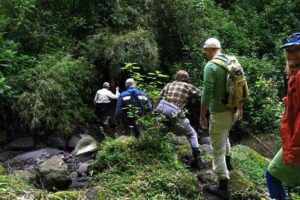
How difficult is gorilla trekking in Uganda? Gorilla trekking in Uganda requires moderate physical fitness, but the difficulty varies depending on the terrain, weather, elevation, and movements of the gorilla family you are tracking.
According to the Uganda Wildlife Authority (UWA), a gorilla trek can last approximately 2 to 7 hours, making it important to prepare physically and mentally before your adventure. Gorilla trekking takes place in Bwindi Impenetrable National Park and Mgahinga Gorilla National Park.
For travelers planning a gorilla safari with Mambo Gorilla Safaris Uganda, understanding the difficulty of the trek helps you choose the right itinerary, prepare properly and enjoy the experience with confidence.
Quick Answer: How Difficult Is Gorilla Trekking in Uganda?
Gorilla trekking in Uganda is generally considered a moderate to challenging hiking experience.
The trek can involve:
- Steep and uneven forest trails
- Muddy and slippery paths
- Dense vegetation
- Hills and valleys
- High-altitude terrain
- Long periods of walking
- Changing weather conditions
- Following gorillas that may move deeper into the forest
UWA states that gorilla tracking requires moderate fitness and may last between 2 and 7 hours.
The actual difficulty is different for every trek because the gorillas are wild animals and their location changes from day to day.
Why Is Gorilla Trekking Difficult in Uganda?
The main challenge is not simply walking distance. It is the combination of terrain, altitude, weather and unpredictable gorilla movements.
1. Mountainous and Uneven Terrain
Bwindi is a mountainous rainforest rather than a flat walking destination. Trails can pass through steep slopes, valleys, thick vegetation and uneven ground.
Some sections can be particularly demanding when the ground is wet.
2. Mud and Rain
Bwindi is a rainforest, so rainfall can occur even during periods traditionally regarded as drier.
When it rains, trails may become slippery and muddy. Good hiking boots and appropriate rain protection are therefore important.
3. Gorilla Movements Are Unpredictable
Mountain gorillas are not confined to one location.
The trackers determine where the gorilla family has moved and guide visitors toward it. This means one day may involve a relatively short trek while another may require several hours of hiking.
4. Altitude
Mountain gorillas live in high-altitude environments. UWA notes that mountain gorillas occur at elevations ranging from approximately 8,000 to 13,000 feet.
Travelers who are not accustomed to hiking at altitude may find the trek more tiring.
5. Dense Forest
Bwindi’s thick vegetation can make walking more demanding than an ordinary trail hike.
You may need to step carefully over roots, negotiate slopes and move through vegetation under the guidance of experienced trackers.
How Long Does Gorilla Trekking Take in Uganda?
A typical gorilla trek can take approximately 2 to 7 hours, according to UWA.
However, this does not mean every trek lasts seven hours.
The time depends on:
- Where the gorilla family is located
- How far the gorillas have moved
- Terrain
- Weather
- Trail conditions
- The pace of the trekking group
Once you locate the gorillas, normal gorilla tracking provides a maximum of one hour of viewing time with the habituated family under UWA’s current published guidelines.
Do You Need to Be Very Fit for Gorilla Trekking?
You do not necessarily need to be an athlete.
However, you should be comfortable walking for several hours over uneven and sometimes steep terrain.
A reasonable level of preparation can make the experience considerably easier.
Recommended Preparation
Start preparing several weeks before your safari.
Consider:
- Walking regularly
- Hiking on hills
- Climbing stairs
- Walking longer distances
- Strengthening your legs
- Practicing with a backpack
- Improving your cardiovascular fitness
If you already enjoy hiking or regular exercise, you may find the physical preparation easier.
Can Older People Go Gorilla Trekking in Uganda?
Yes. Age alone does not necessarily prevent someone from enjoying gorilla trekking.
The important considerations are:
- General fitness
- Mobility
- Stamina
- Comfort with uneven terrain
- Ability to walk for several hours
UWA’s published gorilla tracking guidelines set the minimum age at 15 years.
There is no need to assume that every older traveler will have the same experience. Some older visitors are comfortable with demanding hikes, while others may require additional support.
If you are concerned about fitness or mobility, discuss your requirements with your tour operator before booking.
Can Travelers With Limited Mobility Trek Gorillas?
Travelers with limited mobility should discuss their circumstances with their tour operator before the trip.
Depending on individual circumstances and availability, additional assistance can sometimes be arranged, including porter support or alternative mobility arrangements.
The important thing is to communicate your needs before arriving at Bwindi so that the safari can be planned appropriately.
What Happens If You Cannot Finish the Gorilla Trek?
If the trek becomes too difficult, inform your guide or ranger.
The trekking team can assess the situation and provide guidance based on the circumstances.
This is one reason why it is important to:
- Tell your tour operator about mobility concerns
- Inform your guide about relevant limitations
- Avoid overestimating your fitness
- Carry enough drinking water
- Wear suitable hiking footwear
- Use a walking stick if helpful
- Consider hiring a porter
A porter can be particularly useful because they can assist with your backpack and provide physical support on difficult sections of the trail.
What Should You Wear for Gorilla Trekking?
Your clothing can make a significant difference to your comfort.
Recommended Gorilla Trekking Clothing
Hiking Boots
Choose strong, comfortable hiking boots with good grip.
Water-resistant footwear is especially useful because forest trails can become wet and muddy.
Long Trousers
Long trousers help protect your legs from vegetation, insects and branches.
Long-Sleeved Shirt
A lightweight long-sleeved shirt provides additional protection while walking through dense vegetation.
Waterproof Jacket
Rain can occur in the forest, so a lightweight waterproof jacket is highly recommended.
Gardening or Hiking Gloves
Gloves can protect your hands when moving through vegetation or using branches for balance.
Hat
A lightweight hat can protect you from rain and sun.
Backpack
Carry a small daypack containing essentials such as:
- Drinking water
- Snacks for before or after the gorilla encounter
- Camera
- Extra batteries or power bank
- Waterproof protection for electronics
- Insect repellent
- Personal medication
- Rain gear
Should You Hire a Porter for Gorilla Trekking?
Hiring a porter can be extremely helpful, particularly if you are concerned about the physical demands of the trek.
A porter can:
- Carry your backpack
- Help on steep sections
- Provide physical support
- Assist with personal belongings
- Make the hike more comfortable
Even relatively fit travelers may appreciate porter assistance because it allows them to concentrate on the forest experience rather than carrying their luggage.
What Are the Hardest Parts of Gorilla Trekking?
The most physically demanding parts can vary between travelers and trekking days.
Common challenges include:
Steep Climbs
Some trails involve significant elevation changes.
Slippery Ground
Rain can make sections of the trail muddy and slippery.
Long Walking Time
A trek can continue for several hours before the gorilla family is located.
Dense Vegetation
Moving through thick forest requires concentration and careful footing.
Altitude
Higher elevations can make physical activity feel more demanding.
Waiting and Following
You may need to stop, wait or change direction as trackers follow the gorilla family.
Which Areas in Uganda Offer Gorilla Trekking?
Gorilla trekking in Uganda takes place in:
Bwindi Impenetrable National Park
Bwindi is Uganda’s best-known gorilla trekking destination.
It has four main trekking sectors:
- Buhoma
- Ruhija
- Rushaga
- Nkuringo
UWA identifies these as the main trekking sectors of Bwindi.
Mgahinga Gorilla National Park
Mgahinga offers another opportunity to track mountain gorillas in the Virunga Mountains.
The park also provides opportunities for other activities, including golden monkey tracking and volcano hiking.
Is Gorilla Trekking Worth the Physical Effort?
Gorilla trekking combines physical hiking with an opportunity to observe endangered mountain gorillas in their natural forest environment.
Uganda is home to mountain gorillas in Bwindi and Mgahinga, and UWA states that the country contains more than half of the world’s mountain gorilla population.
The experience therefore involves more than simply reaching the gorillas. The journey through the forest, the work of the trackers and the opportunity to observe a habituated gorilla family are all part of the experience.
Gorilla Trekking Safety and Rules
Gorilla trekking is conducted under rules designed to protect both visitors and gorillas.
UWA’s published guidelines include:
- Minimum trekking age of 15
- Maximum of eight visitors per gorilla group
- Avoiding gorilla trekking when suffering from a cold or infectious illness
- No flash photography
- Keeping the required distance from gorillas
- Following ranger instructions
- No eating or drinking while with the gorillas
- A maximum one-hour visit with a gorilla group during normal tracking
UWA’s current published park rules specify a 10-metre distance from gorillas.
Rules and operating procedures can be updated, so travelers should follow the instructions given by UWA staff and their guides on the day.
How Mambo Gorilla Safaris Uganda Can Help
Planning a gorilla trek involves more than simply purchasing a permit.
At Mambo Gorilla Safaris Uganda, travelers can receive assistance with planning a complete Uganda gorilla safari, including:
- Gorilla permit arrangements
- Transport
- Accommodation
- Safari itineraries
- Gorilla trekking logistics
- Airport transfers
- Local guides
- Porter arrangements
- Additional wildlife experiences
The goal is to create an itinerary that matches your available time, interests and preferred travel style.
For travelers worried about the physical demands of gorilla trekking, communicating your fitness level before booking can help the itinerary be planned more appropriately.
How to Prepare for Gorilla Trekking in Uganda
Use this checklist before your trip.
Fitness
Start walking and hiking several weeks before your safari.
Footwear
Break in your hiking boots before arriving in Uganda.
Clothing
Pack lightweight, comfortable and weather-resistant clothing.
Hydration
Carry sufficient drinking water for the trek.
Rain Protection
Always have a waterproof jacket or rain protection available.
Porter
Consider hiring a porter if you would benefit from carrying less weight or receiving assistance.
Medical Considerations
If you have a medical or mobility concern, discuss it with your healthcare professional and your safari operator before traveling.
Mental Preparation
Do not expect the gorillas to be found at a fixed location. The trek is a genuine wildlife experience, and the walking time can vary.
Suggested 3-Day Gorilla Trekking Safari in Uganda
Day 1: Travel to Bwindi
Depart from your starting location and travel toward Bwindi Impenetrable National Park.
Depending on your route, you can stop at scenic viewpoints and communities along the way.
Overnight near your selected trekking sector.
Day 2: Gorilla Trekking
After breakfast, report for gorilla trekking briefing.
The trek begins with ranger guidance through the forest.
Once the gorilla family is located, you spend the permitted viewing period observing the gorillas before returning through the forest.
Overnight in Bwindi.
Day 3: Departure
After breakfast, begin your journey to your next destination or return to your departure point.
This itinerary can be extended with Queen Elizabeth National Park, Lake Bunyonyi, Kibale Forest or other Ugandan destinations.


