Email: info@mambogorillasafarisuganda.com | Call: +256772666331

Top 5 Famous National Parks in Tanzania: A Complete Safari Guide

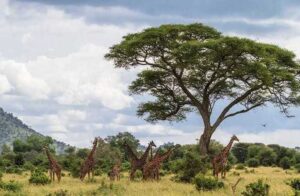
Tanzania is one of Africa’s leading safari destinations, offering spectacular wildlife, endless savannah plains, ancient baobab trees, breathtaking mountain scenery and unforgettable nature experiences. From watching lions roam across the Serengeti to observing elephants in Tarangire and climbing Mount Kilimanjaro, Tanzania has something for almost every adventure traveller.
For travellers planning an East African holiday, Tanzania also offers an opportunity to combine a classic wildlife safari with other experiences in the region, including mountain gorilla trekking in Uganda.
At Mambo Gorilla Safaris Uganda, we help travellers explore wildlife and primate experiences in Uganda and the wider East African region. This guide introduces five famous national parks in Tanzania, explains what makes each one special, and shares practical advice to help you plan your safari.
Quick Answer: What Are the Top 5 Famous National Parks in Tanzania?
The five national parks featured in this guide are:
- Serengeti National Park – famous for the Great Wildebeest Migration and large predator populations.
- Tarangire National Park – known for elephants, baobab trees and seasonal wildlife concentrations.
- Lake Manyara National Park – recognised for birdlife, diverse habitats and tree-climbing lions.
- Ruaha National Park – a vast wilderness destination with elephants, predators and scenic river landscapes.
- Kilimanjaro National Park – home to Mount Kilimanjaro, Africa’s highest mountain, and its popular trekking routes.
This selection covers several different safari interests rather than presenting an absolute ranking. The best park for you depends on your travel dates, budget, preferred activities and the wildlife experiences you want most.
1. Serengeti National Park: Best for the Great Wildebeest Migration
Serengeti National Park is one of Tanzania’s most famous wildlife destinations. Its immense grasslands, open plains and diverse habitats support large populations of grazing animals and predators.
The park is especially celebrated for the Great Wildebeest Migration, an annual movement of wildebeest, zebras and other grazing animals across the wider Serengeti–Mara ecosystem.
What can you see in Serengeti National Park?
- The Great Wildebeest Migration: Observe large herds moving in search of fresh grazing and water. The location of the herds changes with rainfall and seasonal conditions.
- Big Five wildlife: Search for lions, leopards, elephants, buffaloes and rhinoceroses, although seeing all five is never guaranteed.
- Predators: The Serengeti is renowned for lions, cheetahs, leopards and hyenas.
- Wildlife photography: Open plains, dramatic skies and abundant wildlife provide excellent photographic opportunities.
- Hot-air balloon safaris: Where available, balloon flights offer a different perspective on the landscape and wildlife.
Best time to visit Serengeti National Park
The Serengeti can provide rewarding wildlife viewing throughout the year. The best area to visit depends on your interests and the seasonal movement of the herds.
June to October is a popular period for game viewing, while January and February can be rewarding in the southern Serengeti during the calving season. Migration movements and river crossings vary, so they should never be treated as guaranteed events.
Who should visit Serengeti National Park?
The Serengeti is ideal for first-time safari travellers, couples, families, wildlife photographers and anyone seeking a classic African safari.
Read more through the official Serengeti National Park information page.
2. Tarangire National Park: Best for Elephants and Baobab Trees
Tarangire National Park is a favourite destination on Tanzania’s northern safari circuit. Its distinctive landscapes feature enormous baobab trees, wooded savannah, open plains and the Tarangire River.
The park is especially well known for its elephants. During the dry season, wildlife often gathers around available water sources, making Tarangire a rewarding destination for game drives.
What can you see in Tarangire National Park?
- Elephant herds: Watch elephants feeding, moving through the landscape and gathering around water sources.
- Baobab trees: Photograph the park’s distinctive trees against the African sky.
- Tarangire River: Explore a major water source that supports wildlife, particularly during drier periods.
- Other wildlife: Look for giraffes, zebras, buffaloes, antelopes and predators.
- Birdlife: The park’s varied habitats make it attractive to birdwatchers.
Best time to visit Tarangire National Park
The dry season is often particularly rewarding for elephant viewing, as animals may concentrate around water sources. The greener months bring attractive scenery and can be excellent for birdwatching, although wildlife may be more dispersed.
Who should visit Tarangire National Park?
Tarangire is an excellent choice for elephant lovers, birdwatchers, photographers and travellers who want to combine several wildlife destinations in northern Tanzania.
Official information: Tarangire National Park.
3. Lake Manyara National Park: Best for Birdwatching and Diverse Landscapes
Lake Manyara National Park lies beneath the Great Rift Valley escarpment and offers a variety of habitats, including forest, woodland, grassland and lake environments.
Although it is smaller than some of Tanzania’s other celebrated parks, Lake Manyara provides a different safari experience, particularly for visitors interested in birdlife and changing landscapes.
What can you see in Lake Manyara National Park?
- Tree-climbing lions: The park is associated with lions that sometimes rest in trees, although sightings are not guaranteed.
- Birdwatching: The lake and surrounding habitats attract numerous bird species.
- Flamingos: Flamingos may gather on the lake depending on water conditions and food availability.
- Forest wildlife: The woodland and forest habitats support monkeys, baboons, elephants and other animals.
- Scenic landscapes: The lake, forest and Rift Valley escarpment create varied photography opportunities.
Best time to visit Lake Manyara National Park
Lake Manyara can be visited throughout the year. Wildlife distribution, bird numbers and lake conditions vary seasonally, so your experience will depend partly on rainfall and water levels.
Who should visit Lake Manyara National Park?
Lake Manyara is suitable for birdwatchers, photographers, families and travellers seeking a varied safari experience as part of a northern Tanzania itinerary.
Official information: Lake Manyara National Park.
4. Ruaha National Park: Best for Remote Wilderness and Wildlife
Ruaha National Park is a vast protected wilderness in south-central Tanzania. It is known for its expansive landscapes, baobab-studded terrain, river systems and rich wildlife.
Compared with the more frequently visited northern safari circuit, Ruaha can appeal to travellers looking for a remote experience and extensive natural surroundings.
What can you see in Ruaha National Park?
- Elephants: Ruaha is known for its elephant populations and seasonal wildlife concentrations.
- Predators: Search for lions, leopards and other predators during guided game drives.
- Great Ruaha River: The river is an important ecological feature and can attract wildlife when water is limited elsewhere.
- Diverse landscapes: Explore open plains, woodland, rocky terrain and distinctive baobab scenery.
- Birdlife: Different habitats support a rich variety of bird species.
Best time to visit Ruaha National Park
The dry season is often popular for game viewing because animals may concentrate near remaining water sources. The greener season offers beautiful scenery and birdwatching opportunities, though rainfall can affect roads and access.
Ruaha’s remote location means that transport, accommodation and the time needed for transfers should be considered carefully.
Who should visit Ruaha National Park?
Ruaha is well suited to experienced safari travellers, photographers, birdwatchers and visitors seeking a quieter wilderness experience.
Official information: Ruaha National Park.
5. Kilimanjaro National Park: Best for Mountain Trekking
Kilimanjaro National Park protects Mount Kilimanjaro, the highest mountain in Africa. Unlike parks primarily visited for vehicle-based game drives, Kilimanjaro is best known for mountain trekking, high-altitude landscapes and dramatic changes in vegetation.
Climbing the mountain is a different kind of adventure from a traditional wildlife safari and requires careful preparation.
What can you experience in Kilimanjaro National Park?
- Mount Kilimanjaro: Experience the mountain’s remarkable scenery and high-altitude environment.
- Established trekking routes: Choose a route based on your fitness, experience, schedule and acclimatisation needs.
- Montane forest: Explore the lower mountain’s forest habitats and birdlife.
- Changing vegetation zones: Observe the transition from forest to moorland and alpine terrain as you gain altitude.
- Mountain photography: Capture the mountain landscape and changing scenery along the route.
Best time to visit Kilimanjaro National Park
The generally drier periods, often around January to early March and June to October, are popular with climbers. Mountain weather is unpredictable, however, and conditions can change rapidly.
Allow sufficient time for acclimatisation and use qualified mountain guides. A summit attempt is physically demanding, and a safe, well-paced itinerary is more important than rushing.
Who should visit Kilimanjaro National Park?
Kilimanjaro is ideal for hikers, climbers, adventure travellers and photographers seeking a mountain experience rather than a conventional game-drive safari.
Bonus Destination: Ngorongoro Conservation Area
Ngorongoro is one of Tanzania’s most famous wildlife destinations, but it is important to distinguish it from the national parks listed above. The Ngorongoro Conservation Area is not a national park; it is a separate protected area.
The Ngorongoro Crater is known for its dramatic scenery and wildlife-viewing opportunities. Depending on conditions, visitors may see lions, elephants, buffaloes, zebras, wildebeest and other animals. The wider area is also important for conservation and cultural heritage.
Ngorongoro is often combined with Serengeti, Tarangire and Lake Manyara in a northern Tanzania safari.
Official information: Ngorongoro Conservation Area Authority.
Comparison of the Top 5 Famous National Parks in Tanzania
| National park | Famous for | Best suited to |
|---|---|---|
| Serengeti | Wildebeest migration and predators | Classic wildlife safaris |
| Tarangire | Elephants and baobab trees | Elephant viewing and photography |
| Lake Manyara | Birdlife and varied habitats | Birdwatchers and shorter visits |
| Ruaha | Remote wilderness and wildlife | Travellers seeking quieter safaris |
| Kilimanjaro | Mountain trekking and scenery | Hikers and adventure travellers |
Which park is best for you?
- Choose Serengeti for iconic wildlife viewing and migration-related experiences.
- Choose Tarangire for elephants and baobab landscapes.
- Choose Lake Manyara for birdlife and diverse habitats.
- Choose Ruaha for a more remote wilderness experience.
- Choose Kilimanjaro for mountain trekking.
- Add Ngorongoro if you want a famous crater landscape and a separate conservation-area experience.
What Is the Best Time to Visit Tanzania’s National Parks?
Tanzania’s national parks can be visited throughout the year, but your ideal season depends on the destination and activities you prefer.
Visiting during the dry season
Dry periods are often popular for game drives because animals may gather around available water sources and vegetation may be less dense. Popular parks can also be busier during peak travel periods.
Visiting during the green season
Rain brings greener scenery, and the season can offer excellent birdwatching and photography opportunities. However, rain can influence road conditions, wildlife movements and travel times.
Planning around the Great Wildebeest Migration
The migration follows changing rainfall and grazing conditions. Different parts of the Serengeti ecosystem attract herds at different times of year, so research the likely location of the animals before booking your accommodation.
Planning a Mount Kilimanjaro climb
Choose a suitable route and season, and allow enough days for acclimatisation. Weather at altitude can change quickly, even during generally drier periods.
How Many Days Do You Need for a Tanzania Safari?
Your ideal safari duration depends on the number of parks you want to visit, the distance between destinations, your budget and your preferred pace.
- 2–3 days: Focus on one accessible destination or a limited selection of attractions.
- 4–5 days: Consider a northern Tanzania itinerary featuring a few parks and the Ngorongoro Conservation Area.
- 6–8 days: Allow more time for several destinations, including the Serengeti.
- 9 days or more: Consider a longer safari, a remote southern Tanzania experience or a trip combining wildlife viewing with mountain trekking.
These are general guidelines, not fixed itineraries. Road conditions, park entry arrangements and accommodation locations affect the time required.
Sample 7-Day Tanzania Safari Itinerary
This sample route illustrates how a traveller might combine several northern Tanzania destinations. It is an example for planning purposes, not a confirmed Mambo Gorilla Safaris Uganda tour package.
Day 1: Arrive in Arusha
Arrive, settle into your accommodation and prepare for your safari.
Day 2: Explore Tarangire National Park
Enjoy a game drive and look for elephants, giraffes, zebras and other wildlife among the park’s baobab trees and river landscapes.
Day 3: Visit Lake Manyara National Park
Explore the park’s varied habitats and search for wildlife and birdlife.
Day 4: Travel towards the Ngorongoro Conservation Area
Travel through northern Tanzania’s scenic landscapes and settle into accommodation suited to your next day’s activities.
Day 5: Explore Ngorongoro Crater
Enjoy wildlife viewing in the crater, following park rules and your guide’s advice.
Day 6: Travel to Serengeti National Park
Continue towards the Serengeti, allowing enough time for the journey and any planned game viewing.
Day 7: Serengeti game drive and onward travel
Enjoy a game drive if your departure arrangements allow. If wildlife viewing in the Serengeti is your main priority, consider adding extra nights rather than rushing the experience.
A realistic itinerary should be designed around your arrival and departure points, travel dates, preferred activities and budget.
Can You Combine a Tanzania Safari with Gorilla Trekking in Uganda?
Yes. Travellers can combine a Tanzania wildlife safari with mountain gorilla trekking in Uganda, creating an East African holiday that includes both open savannahs and a guided forest experience.
This type of trip requires planning because Tanzania and Uganda are different countries. The route depends on flight availability, transfers, entry requirements, travel dates and gorilla permit availability.
What could a combined safari include?
Depending on your interests and arrangements, your holiday could include:
- Wildlife game drives in Serengeti or Tarangire.
- A visit to the Ngorongoro Conservation Area.
- A suitable flight or transfer connecting Tanzania and Uganda.
- Gorilla trekking in Bwindi Impenetrable National Park or Mgahinga Gorilla National Park, subject to permit availability.
- Additional wildlife or primate experiences in Uganda.
Gorilla trekking permits should be arranged in advance. Trekking involves walking through forest terrain, and visitors must follow ranger instructions and wildlife-conservation rules.
Explore safari options with Mambo Gorilla Safaris Uganda
Mambo Gorilla Safaris Uganda focuses on wildlife and primate experiences in Uganda and the wider region. If you want to combine a Tanzania safari with gorilla trekking, contact the company to discuss your preferred destinations, travel dates and group size.
Visit the Mambo Gorilla Safaris Uganda website to explore available safari experiences.
You can also explore the company’s 8-Day Luxury Uganda Wildlife and Gorilla Safari for an example of combining wildlife viewing and gorilla trekking within Uganda.
Essential Tips for Planning a Tanzania Safari
1. Choose destinations based on your interests
Decide whether your priority is the Great Wildebeest Migration, elephants, birdwatching, remote wilderness or mountain trekking before choosing parks.
2. Plan realistic travel times
Tanzania is a large country. Travelling between parks may take several hours, so avoid trying to fit too many destinations into a short holiday.
3. Book accommodation and activities early
Popular parks and lodges can be busy during peak travel periods. Confirm accommodation, park entry arrangements, transport and additional activities before departure.
4. Pack suitable clothing and equipment
For a wildlife safari, bring comfortable clothing, a warm layer for early mornings, sun protection, binoculars, a camera and insect repellent. Climbers need specialised equipment suitable for high-altitude conditions.
5. Respect wildlife and park regulations
Follow your guide’s instructions, remain in authorised areas and keep a safe distance from wild animals. Never feed wildlife or approach animals independently.
6. Check current entry requirements
Confirm passport validity, visa requirements, health guidance and border-entry rules using official sources before travelling.
7. Allow time for unexpected changes
Wildlife sightings are never guaranteed, and weather or road conditions may affect activities. A flexible itinerary gives you a better opportunity to enjoy the experience.
Why Consider Mambo Gorilla Safaris Uganda for Your East African Adventure?
Planning a successful African holiday involves more than selecting popular destinations. Your itinerary should consider travel distances, accommodation, seasonal conditions, activities and the needs of everyone in your group.
Mambo Gorilla Safaris Uganda focuses on wildlife safaris and primate experiences in Uganda and the wider region. Travellers interested in combining Tanzania’s wildlife with Uganda gorilla trekking can enquire about their travel goals, preferred dates, budget and group size.
Start by visiting the official Mambo Gorilla Safaris Uganda website to explore the company’s available safari experiences.
Frequently Asked Questions About Tanzania’s Famous National Parks
1. What are the top five famous national parks in Tanzania?
Five well-known parks are Serengeti National Park, Tarangire National Park, Lake Manyara National Park, Ruaha National Park and Kilimanjaro National Park. They offer different experiences, from wildlife game drives to mountain trekking.
2. Which national park in Tanzania is best for wildlife viewing?
Serengeti National Park is a leading choice for classic wildlife safaris, especially for predators and the Great Wildebeest Migration. Tarangire, Lake Manyara and Ruaha also offer rewarding wildlife experiences.
3. Which national park is best for the Great Wildebeest Migration?
Serengeti National Park is the main Tanzanian destination for experiencing the migration. The best area to visit depends on seasonal herd movements, which vary each year.
4. Which national park in Tanzania is best for elephants?
Tarangire National Park is particularly famous for elephants. Ruaha and Serengeti also support elephant populations.
5. Is Ngorongoro a national park?
No. The Ngorongoro Conservation Area is a separate protected area managed by the Ngorongoro Conservation Area Authority. It is often included in northern Tanzania safari itineraries.
6. Can Tanzania’s national parks be visited throughout the year?
Yes, many parks welcome visitors throughout the year. However, rainfall, road conditions, wildlife movements and visitor numbers vary by season.
7. How many days are needed for a Tanzania safari?
A short trip can focus on one or two destinations, while a week or longer allows more time for several parks. The Serengeti may benefit from multiple nights if wildlife viewing is a major priority.
8. Can I combine a Tanzania safari with Uganda gorilla trekking?
Yes. A Tanzania safari can be combined with gorilla trekking in Uganda, provided the itinerary accounts for transfers, border-entry requirements and available gorilla permits.
9. What should I pack for a Tanzania safari?
Pack comfortable clothing, a warm layer, suitable walking shoes, binoculars, a camera, sunscreen, insect repellent and personal essentials. Climbers need additional equipment appropriate for high-altitude trekking.
10. How can I enquire about gorilla trekking with Mambo Gorilla Safaris Uganda?
Visit Mambo Gorilla Safaris Uganda to explore available safari experiences and enquire about your preferred travel dates, group size, budget and activities.
Plan Your Tanzania and Uganda Safari Adventure
Tanzania’s famous national parks offer an extraordinary variety of experiences. From the Serengeti’s wildlife migration and Tarangire’s elephants to Lake Manyara’s birdlife, Ruaha’s remote wilderness and Kilimanjaro’s mountain trails, there is a destination for many different travel interests.
For a more varied East African holiday, consider combining Tanzania’s wildlife destinations with Uganda’s mountain gorilla trekking.


