Email: info@mambogorillasafarisuganda.com | Call: +256772666331

What to Do on a One Week Safari in Tanzania: The Ultimate 7-Day Itinerary

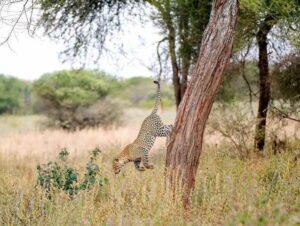
Planning a one-week safari in Tanzania is an exciting way to discover Africa’s remarkable wildlife, beautiful landscapes and unforgettable national parks. In just seven days, you can explore Tarangire National Park, experience wildlife viewing across the legendary Serengeti plains and descend into the spectacular Ngorongoro Crater.
At Mambo Gorilla Safaris Uganda, we help travelers plan memorable African wildlife adventures through personalized safari arrangements, experienced local guides and itineraries designed around individual interests, travel dates and budgets. Tanzania is an excellent destination for travelers seeking classic African game drives, large herds of wildlife and opportunities to photograph animals in their natural habitats.
This guide explains what to do on a one-week safari in Tanzania, which destinations to prioritize, when to travel, what to pack and how to plan a rewarding seven-day adventure.
Whether you are visiting Tanzania for the first time, planning a honeymoon or organizing a photography holiday, this itinerary provides a practical starting point for your safari.
Quick Answer: What Can You Do on a One-Week Safari in Tanzania?
A seven-day Tanzania safari can include:
- Tarangire National Park: Search for elephants, giraffes, zebras, buffaloes and other wildlife among ancient baobab trees.
- Serengeti National Park: Enjoy game drives across open grasslands in search of lions, elephants, cheetahs, leopards and other wildlife.
- Ngorongoro Crater: Explore a remarkable volcanic landscape known for its diverse wildlife and scenic views.
- Arusha: Begin or end your safari in Tanzania’s well-known safari gateway.
- Optional Lake Manyara: Add another national park if your travel schedule, route and wildlife interests make it practical.
The classic northern Tanzania circuit is an excellent choice for a first-time visitor. The precise itinerary should depend on the season, road conditions, accommodation preferences and whether you want to follow the Great Migration.
Why Choose Tanzania for a One-Week Safari?
Tanzania is one of Africa’s celebrated safari destinations, offering extensive savannahs, diverse wildlife, dramatic volcanic landscapes and opportunities for exceptional game viewing.
A well-planned seven-day itinerary allows you to explore several destinations without spending the entire holiday traveling between parks.
1. Experience the Wildlife of the Serengeti
Serengeti National Park is one of the highlights of a Tanzania safari. Its expansive grasslands and varied habitats support numerous wildlife species, including lions, elephants, giraffes, zebras, buffaloes and several antelope species.
The Serengeti is also famous for the Great Migration, during which vast herds of wildebeest and zebras move through the ecosystem in search of fresh grazing and water.
The timing and location of the herds change throughout the year. If witnessing the migration is a priority, your itinerary should be planned around the expected herd movements rather than a fixed calendar promise.
2. Explore Tarangire National Park
Tarangire is an excellent addition to a northern Tanzania safari, particularly for travelers interested in elephants, baobab trees and classic African landscapes.
Game drives may reveal elephants, giraffes, zebras, wildebeest, buffaloes, antelopes and a variety of birds. Wildlife sightings vary depending on the season, location and time spent exploring the park.
Tarangire offers a rewarding introduction to Tanzania’s wildlife before continuing toward the Serengeti.
3. Discover the Ngorongoro Crater
The Ngorongoro Crater is a spectacular volcanic caldera and one of Tanzania’s most distinctive wildlife destinations.
A crater-floor game drive offers opportunities to search for lions, buffaloes, zebras, wildebeest, elephants and other animals. The area is also known for its conservation significance and beautiful scenery.
Wildlife sightings are never guaranteed, but the concentration of animals in the crater makes it a major highlight of many northern Tanzania itineraries.
4. Enjoy a Variety of African Landscapes
A one-week safari allows you to experience more than wildlife alone. You can enjoy open grasslands, acacia woodlands, baobab-dotted plains, volcanic scenery and beautiful views across the East African landscape.
Traveling between destinations also gives you an opportunity to learn about local communities, conservation and the relationship between wildlife tourism and the people who live near protected areas.
The Best 7-Day Tanzania Safari Itinerary
The following itinerary focuses on Tarangire National Park, Serengeti National Park and the Ngorongoro Conservation Area. It is a suggested route; driving times, accommodation and activities should be confirmed when your safari is booked.
Day 1: Arrive in Arusha, Tanzania
Your Tanzania safari begins with arrival at Kilimanjaro International Airport or another agreed arrival point.
After meeting your transfer representative or safari guide, travel to your accommodation in Arusha. Depending on your arrival time, you may have an opportunity to explore the town, relax at your lodge or prepare for the journey ahead.
If you arrive early, optional activities may include a local cultural visit, a guided town experience or time to enjoy views of the surrounding landscape.
Activities:
- Airport transfer and safari briefing
- Relaxation at your accommodation
- Optional cultural activities, subject to availability
Accommodation: Arusha hotel or safari lodge.
Meal plan: Depending on your arrival time and accommodation arrangement.
Travel tip: If possible, arrive a day before your first major game drive. This provides flexibility in case of flight delays and allows you to begin the safari feeling rested.
Day 2: Explore Tarangire National Park
After breakfast, depart for Tarangire National Park, one of the highlights of northern Tanzania.
Enjoy a game drive through landscapes dotted with baobab trees and seasonal grasslands. Keep watch for elephants, giraffes, zebras, buffaloes, wildebeest and antelopes. Bird enthusiasts can also look for the many species found in the park.
Your guide will help you interpret animal behavior, identify wildlife and understand the importance of protecting Tanzania’s natural habitats.
Depending on your schedule, you may enjoy a picnic lunch during the day before continuing with wildlife viewing.
Safari highlights:
- Game drives through Tarangire
- Opportunities to observe elephants and other wildlife
- Baobab scenery and birdwatching
- Photography stops where permitted
Accommodation: Lodge or tented camp in the Tarangire or Karatu area, depending on the route.
Meal plan: Usually lunch and dinner, depending on your selected package.
Day 3: Travel to Serengeti National Park
After breakfast, continue toward Serengeti National Park. The journey offers changing views of the northern Tanzania landscape, with possible wildlife sightings along the way depending on the route and conditions.
You may travel through the Ngorongoro Conservation Area before reaching the Serengeti. The journey can take several hours, so allow sufficient time for driving, stops and any scheduled activities.
After entering the Serengeti, enjoy game viewing when time and park regulations permit. Look for grazing herbivores and predators that may be resting, hunting or moving across the plains.
The Serengeti is vast, so selecting accommodation in a suitable area is important. If your main goal is to see the Great Migration, the camp location should be selected according to the expected position of the herds.
Safari highlights:
- Scenic drive toward the Serengeti
- Wildlife viewing along the route, where possible
- First game drive in the Serengeti
- Sunset views across the plains, weather permitting
Accommodation: Serengeti safari lodge or tented camp.
Meal plan: Breakfast, lunch and dinner, according to your package.
Day 4: Full-Day Game Drives in Serengeti National Park
Spend a full day exploring the Serengeti, one of Africa’s most celebrated wildlife destinations.
An early morning game drive may offer opportunities to see animals when temperatures are cooler and some wildlife is more active. After breakfast, continue exploring different areas of the park with your guide.
Possible sightings include lions, elephants, giraffes, zebras, wildebeest, hyenas, cheetahs, leopards and many bird species. The animals you encounter will depend on the season, habitat and luck.
If the Great Migration is a priority, your guide can help plan the day around the best available information about herd movements. River crossings, in particular, are natural events and cannot be guaranteed.
You can enjoy a picnic lunch during the game drive or return to your accommodation, depending on the itinerary.
Safari highlights:
- Morning and afternoon game drives
- Wildlife photography
- Predator and herbivore viewing
- Opportunities to learn about the Great Migration
Accommodation: Serengeti safari lodge or tented camp.
Travel tip: Bring binoculars, a camera with a suitable zoom lens, sun protection and sufficient memory cards for photography.
Day 5: Morning Serengeti Game Drive and Transfer Toward Ngorongoro
Begin the day with an early game drive if conditions and your itinerary allow. The morning offers another opportunity to look for wildlife and enjoy the Serengeti’s changing light.
Afterward, have breakfast and begin the journey toward the Ngorongoro Conservation Area.
The route and schedule will determine whether you can enjoy additional game viewing before leaving the Serengeti. Avoid rushing this day, as the distance between destinations and the condition of the roads can affect travel time.
Arrive at your accommodation in the Ngorongoro or Karatu area and relax in preparation for the following day.
Safari highlights:
- Optional early morning game drive
- Scenic drive through the conservation area
- Preparation for the Ngorongoro Crater excursion
Accommodation: Lodge or camp near Ngorongoro or Karatu.
Meal plan: According to your chosen package.
Day 6: Descend into the Ngorongoro Crater
After breakfast, travel to the Ngorongoro Crater for a memorable wildlife-viewing experience.
Descend into the crater for a game drive across its varied habitats. Depending on the conditions, you may see zebras, wildebeest, buffaloes, elephants, lions and other wildlife.
The crater is also one of the places where visitors may have a chance to see the endangered black rhinoceros, although sightings are not guaranteed.
Your guide will explain the crater’s landscape, wildlife and conservation importance as you explore.
After the game drive, leave the crater according to the permitted schedule and return to your accommodation.
Safari highlights:
- Ngorongoro Crater game drive
- Wildlife photography
- Scenic views of the crater rim
- Learning about wildlife conservation
Accommodation: Lodge or hotel in the Karatu or Arusha area, depending on your departure arrangements.
Important: Crater access, vehicle rules, fees and permitted activities should be checked when booking because regulations and charges may change.
Day 7: Return to Arusha and Depart
Enjoy breakfast before beginning the return journey to Arusha or your agreed departure point.
Depending on your flight schedule, you may have time for a relaxed meal, souvenir shopping or a short optional activity.
Your safari ends with a transfer to the airport or another agreed location.
Activities:
- Breakfast and check-out
- Return transfer
- Optional shopping or short activity if time permits
- Airport drop-off
When booking international flights, allow enough time for the drive and airport procedures. A very early departure may require an overnight stay closer to the airport.
Can You Add Lake Manyara to a One-Week Tanzania Safari?
Yes, Lake Manyara National Park can be considered as an alternative or an additional stop, depending on your priorities and available time.
The park is known for its scenic setting, birdlife, forest habitats and wildlife-viewing opportunities. It can be a good choice for travelers who want to explore a different ecosystem.
However, adding another park to a seven-day itinerary can make the schedule more demanding. If your main priorities are the Serengeti and Ngorongoro Crater, keeping the itinerary focused may give you more time for game drives.
Discuss the route with your safari planner before adding extra destinations.
What Animals Can You See on a One-Week Tanzania Safari?
Tanzania’s northern safari circuit supports a wide variety of wildlife. Depending on the destinations, season and conditions, you may encounter:
- Lions
- African elephants
- Leopards
- Cheetahs
- African buffaloes
- Giraffes
- Zebras
- Wildebeest
- Hyenas
- Warthogs
- Various antelope species
- Numerous resident and migratory birds
The Big Five—lion, leopard, elephant, buffalo and rhinoceros—are often a major interest for safari visitors. Seeing all five during one trip is possible but never guaranteed.
Wildlife is free-roaming, so a responsible safari should focus on the overall experience rather than promising particular sightings.
When Is the Best Time for a One-Week Safari in Tanzania?
Tanzania offers safari experiences throughout the year, but the best time depends on your interests, preferred travel conditions and budget.
June to October
This period is generally popular for wildlife viewing in northern Tanzania. Drier conditions can make some animals easier to spot around water sources, although conditions differ between parks.
It is also a popular time for visitors hoping to see parts of the Great Migration. The precise location of the herds varies, so the route should be planned around seasonal patterns.
November to December
Short rains may occur during this period. Landscapes can become greener, and birdwatching may be rewarding. Wildlife viewing remains possible, although rainfall can affect road and travel conditions.
January to March
This period can be rewarding in the southern Serengeti and surrounding areas, depending on the migration cycle. Some travelers plan their trips around the calving season, when many wildebeest calves are born.
Exact herd locations and wildlife activity vary from year to year.
April to May
These months are often associated with longer rains. Some roads may become more challenging, and weather can affect travel plans. Travelers may also find different accommodation prices or availability compared with peak periods, but this depends on the property and specific dates.
Our recommendation: Choose your travel dates based on the wildlife experience you value most, then design the route around realistic driving times and accommodation availability.
How Much Does a One-Week Tanzania Safari Cost?
The cost of a seven-day Tanzania safari depends on several factors. There is no single price that applies to every traveler.
Important cost factors include:
- Accommodation: Budget campsites, midrange lodges and luxury tented camps have different rates.
- Transport: Private safari vehicles, shared departures and flight connections affect the total cost.
- Park and conservation fees: Charges depend on the parks visited and the applicable regulations.
- Season: Rates and availability can vary during busy travel periods.
- Group size: Sharing certain transport and guide costs can change the per-person price.
- Meals and services: Packages differ in what meals, transfers and activities are included.
- Additional experiences: Balloon safaris and other optional activities can increase the budget.
When comparing safari quotations, check what is included rather than comparing only the headline price. Confirm accommodation names, park fees, transport, meals, guide services, airport transfers and exclusions before paying a deposit.
Contact Mambo Gorilla Safaris Uganda to discuss your travel plans and enquire about a suitable East African safari arrangement.
What Should You Pack for a One-Week Tanzania Safari?
Packing practical clothing and equipment helps make your safari more comfortable.
Clothing
- Lightweight, breathable shirts and trousers
- Neutral-colored safari clothing
- A warm layer for early mornings and cooler evenings
- A lightweight waterproof jacket
- Comfortable walking shoes
- A sun hat and sunglasses
Safari essentials
- Binoculars
- Camera and spare batteries
- Memory cards and charging equipment
- Sunscreen
- Insect repellent
- Reusable water bottle, where appropriate
- Personal medication
- Travel documents and travel insurance details
Important documents
- Valid passport
- Relevant entry documents or visas
- Flight details
- Safari booking confirmation
- Emergency contact information
- Travel insurance documents
Check the latest entry requirements and any relevant health guidance before departure. Your safari operator can help you identify practical arrangements for your itinerary.
How to Plan a Successful Tanzania Safari with Mambo Gorilla Safaris Uganda
Good planning makes a significant difference to your safari experience. Before confirming your trip, consider the following recommendations.
1. Choose Your Main Wildlife Priorities
Decide whether you are most interested in the Great Migration, predators, elephants, birdwatching, photography or a combination of wildlife experiences. This helps determine which parks deserve the most time.
2. Select Suitable Accommodation
Choose accommodation based on your budget, comfort preferences and preferred wildlife areas. Staying in a strategically located camp can reduce unnecessary driving and allow more time for game viewing.
3. Allow Enough Time for Travel
A one-week safari involves long drives between some destinations. Avoid filling every day with too many activities, and make sure the itinerary allows time for meals, rest and unexpected delays.
4. Confirm What Your Package Includes
Request a written itinerary and quotation. Confirm park fees, accommodation, meals, guide services, transport and any optional experiences.
5. Book Important Arrangements Early
If you plan to travel during a busy season, arrange accommodation and transport well in advance. Early planning is particularly useful when you have fixed international flights or specific migration-viewing goals.
6. Choose a Safari Planner Who Can Customize Your Trip
Every traveler has different priorities. Mambo Gorilla Safaris Uganda offers personalized safari planning and East African travel experiences. Share your dates, group size, preferred accommodation and wildlife interests so that the most appropriate arrangement can be discussed.
Can You Combine a Tanzania Safari with Gorilla Trekking in Uganda?
Yes. Travelers with additional time may be interested in combining a Tanzania wildlife safari with mountain gorilla trekking in Uganda.
Tanzania offers classic savannah wildlife experiences, while Uganda provides opportunities to explore rainforest habitats and search for mountain gorillas in Bwindi Impenetrable National Park. Depending on the itinerary, travelers may also consider chimpanzee tracking and other wildlife experiences.
Mambo Gorilla Safaris Uganda features Uganda wildlife and primate safaris, gorilla trekking trips and regional safari experiences. A combined Tanzania and Uganda holiday should be planned carefully around international flights, border and entry requirements, gorilla permit availability and the time needed for transfers.
For a gorilla trekking extension, explore these Mambo Gorilla Safaris Uganda trips:
- 3 Days Bwindi Gorilla Trekking: https://mambogorillasafarisuganda.com/3-days-gorilla-trekking-bwindi/
- 10 Days of Wildlife and Primate Trekking in Uganda: https://mambogorillasafarisuganda.com/10-days-of-wildlife-and-primate-trekking-in-uganda/
- 4 Days Bwindi Gorillas and Lake Mburo: https://mambogorillasafarisuganda.com/4-days-bwindi-gorillas-lake-mburo/
- Mambo Gorilla Safaris Uganda: https://mambogorillasafarisuganda.com/
Gorilla permits are limited and should be confirmed before finalizing the Uganda portion of your holiday. The total duration and route will depend on your departure city, available flights and preferred destinations.
Frequently Asked Questions About a One-Week Tanzania Safari
1. Is seven days enough for a Tanzania safari?
Yes. Seven days can provide a rewarding introduction to northern Tanzania, especially if you focus on Tarangire, Serengeti and Ngorongoro. The itinerary should balance wildlife viewing with the time required to travel between parks.
2. Which parks should I visit during a one-week Tanzania safari?
Tarangire National Park, Serengeti National Park and the Ngorongoro Conservation Area form a popular northern circuit. Lake Manyara can be considered if it fits your route and priorities.
3. Can I see the Big Five in seven days?
It is possible to encounter the Big Five during a seven-day safari, but sightings are never guaranteed. Wildlife movements, habitat, weather and time spent in each area influence what you see.
4. Can I see the Great Migration during a one-week safari?
You may be able to see the migration if your trip coincides with the herds’ location. The migration moves throughout the Serengeti ecosystem and into neighboring areas, so your itinerary should be tailored to the expected seasonal movements.
5. Is a Tanzania safari suitable for first-time visitors to Africa?
Yes. Tanzania’s established safari routes and range of accommodation options make it a popular choice for first-time safari travelers. A well-organized itinerary helps make transport, accommodation and game drives easier to manage.
6. What accommodation is available on a Tanzania safari?
Options range from budget campsites and simple lodges to midrange properties and luxury tented camps. The right choice depends on your budget, comfort requirements and preferred locations.
7. Is a private safari better than a group safari?
A private safari generally offers more flexibility over the route, pace and time spent at wildlife sightings. Group safaris may be more economical, depending on the operator, departure dates and group size.
8. What is usually included in a Tanzania safari package?
Packages may include a safari vehicle, guide, accommodation, meals, park fees and planned activities. Inclusions differ between operators, so always review the written quotation carefully.
9. Can I combine Tanzania and Uganda in one holiday?
Yes. With suitable flight connections and enough time, you can combine Tanzania’s savannah wildlife with Uganda’s gorilla trekking and other primate experiences. Gorilla permits and travel arrangements should be confirmed in advance.
10. How do I book a one-week Tanzania safari with Mambo Gorilla Safaris Uganda?
Visit https://mambogorillasafarisuganda.com/ to contact Mambo Gorilla Safaris Uganda and enquire about a customized East African safari arrangement. Share your preferred dates, number of travelers, budget, accommodation level and wildlife interests to help the team assess a suitable itinerary.
Plan Your One-Week Tanzania Safari
A seven-day Tanzania safari can bring together the elephant-rich landscapes of Tarangire, the vast plains of the Serengeti and the remarkable wildlife of the Ngorongoro Crater. With a carefully selected route, suitable accommodation and enough time for game drives, you can experience some of East Africa’s most memorable wildlife destinations in one holiday.
Mambo Gorilla Safaris Uganda helps travelers plan personalized African wildlife adventures and regional safari experiences. If you would like to explore Tanzania or combine a savannah safari with gorilla trekking in Uganda, get in touch to discuss your travel plans and possible arrangements.
Contact Mambo Gorilla Safaris Uganda
Website: https://mambogorillasafarisuganda.com/
Email: info@mambogorillasafarisuganda.com
Telephone/WhatsApp: +256 772 666331
Tell us when you would like to travel, how many people are joining and what you most want to experience. We can discuss an itinerary that suits your interests, available time and budget.
Experience East Africa with Mambo Gorilla Safaris Uganda.


