Email: info@mambogorillasafarisuganda.com | Call: +256772666331

What to Expect on a Kenya Safari During the Dry Season

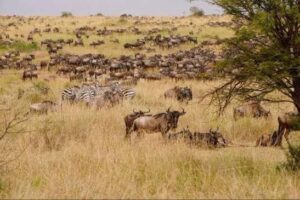
Planning a Kenya safari during the dry season is an excellent way to experience Africa’s remarkable wildlife, beautiful savannah landscapes and unforgettable game drives. From watching elephants roam across Amboseli National Park to searching for lions in the Maasai Mara, Kenya offers exciting safari experiences for first-time visitors, couples, families and wildlife photographers.
The dry season is particularly popular because vegetation may become shorter, some animals gather around permanent water sources, and wildlife can be easier to spot in many areas. Travelers visiting during the main migration season may also have opportunities to see wildebeest and zebras in the Maasai Mara.
At Mambo Gorilla Safaris Uganda, we help travelers discover East Africa through gorilla trekking, wildlife adventures and personalized safari planning. If you are considering a Kenya wildlife safari or hoping to combine Kenya with a gorilla trekking experience in Uganda, understanding the dry-season conditions will help you plan your trip more effectively.
In this guide, you will discover the best time to visit Kenya during the dry season, what animals you may see, the best national parks to explore, the advantages and disadvantages of traveling during this period, what to pack and how to plan your East African adventure.
Quick Answer: What Should You Expect on a Kenya Safari During the Dry Season?
During a Kenya safari in the dry season, you can generally expect:
- Excellent wildlife-viewing opportunities: Shorter grass and thinner vegetation may make animals easier to spot.
- Memorable game drives: Search for elephants, lions, giraffes, zebras, buffaloes and other wildlife.
- Great Migration opportunities: The Maasai Mara is an important destination for migrating wildebeest and zebras, particularly during parts of July to October.
- Warm days and cooler mornings: Temperatures vary depending on altitude and destination.
- Dustier roads: Prolonged dry weather can make some safari tracks dusty.
- Busy safari destinations: Popular lodges and camps may fill up quickly during peak travel periods.
Kenya’s main safari dry periods are generally January to February and June to October, although weather patterns differ across the country. Wildlife viewing is possible throughout the year, and no season guarantees sightings of specific animals.
1. When Is the Best Time to Visit Kenya During the Dry Season?
Kenya has varied landscapes, from open savannahs and dry northern regions to forests, highlands and coastal environments. As a result, dry-season conditions do not occur identically in every destination.
For many travelers planning a traditional wildlife safari, January to February and June to October are useful periods to consider.
January to February: A Short Dry Period
January and February can offer warm, relatively dry conditions in many popular safari destinations.
This period can suit travelers interested in resident wildlife, elephant encounters, photography and a quieter alternative to the busiest migration months.
Possible safari highlights include:
- Elephant viewing in Amboseli National Park.
- Wildlife photography in Tsavo East and Tsavo West.
- Game drives in the Maasai Mara.
- Exploring open savannah landscapes.
- Birdwatching and other nature experiences.
Conditions can vary, so check the expected weather for your specific destinations before booking.
June to October: The Main Dry-Season Safari Period
June to October is a popular time for wildlife safaris in Kenya. Many travelers choose this period for its generally favorable game-viewing conditions and the opportunity to visit the Maasai Mara during the Great Migration.
During dry spells, vegetation may become less dense, while animals sometimes gather near permanent rivers, waterholes and swamps.
July to October is commonly associated with migration activity in the Maasai Mara. However, the timing of the herds depends on rainfall and grazing conditions across the Serengeti–Mara ecosystem.
Mambo’s planning tip: If the Great Migration is your main reason for visiting Kenya, choose your travel dates and accommodation location carefully. River crossings are natural events, and neither the arrival of the herds nor a crossing on a particular day can be guaranteed.
2. What Wildlife Can You See During a Kenya Dry-Season Safari?
One of the biggest attractions of a dry-season safari is the opportunity to observe Kenya’s wildlife in its natural habitat.
Elephants
Elephants are among the most memorable animals to encounter on an African safari. Amboseli National Park is particularly well known for its elephant populations and, when weather conditions permit, views of Mount Kilimanjaro.
Tsavo East and Tsavo West also offer opportunities to see elephants across extensive landscapes.
During a game drive, you may observe elephants feeding, walking in family groups or visiting water sources.
Lions
The Maasai Mara is a popular destination for travelers hoping to see lions. Kenya’s other wildlife areas also support lion populations.
Your guide may help you search for lions resting in the shade, moving through grasslands or interacting with their pride.
Lion sightings depend on their movements, the time of day and the area you explore.
Leopards and Cheetahs
Kenya offers opportunities to search for leopards and cheetahs, two predators that attract wildlife enthusiasts and photographers.
Leopards can be elusive and may be difficult to spot among trees or dense vegetation. Cheetahs are often associated with more open habitats, where they use their speed to hunt.
A knowledgeable guide can help identify promising areas, but sightings are never guaranteed.
Giraffes, Zebras and Antelopes
Giraffes, zebras and antelopes contribute to the classic scenery of Kenya’s savannahs.
You may see them grazing, moving between feeding areas or gathering near water. These animals are also important to the wider ecosystem, supporting the food chains that sustain predators.
Buffaloes and Rhinoceroses
African buffaloes can be encountered in several Kenyan parks and reserves. Rhinoceroses are present in selected protected areas, including Lake Nakuru National Park.
If you particularly want to see rhinos, discuss the most suitable destinations with your safari planner before confirming your itinerary.
Birdlife
Kenya is also a rewarding destination for birdwatchers. Depending on the area and season, you may encounter eagles, vultures, hornbills, storks, ostriches and many other species.
Bring binoculars if birdwatching is part of your safari interests.
3. The Great Migration: A Highlight of Kenya’s Dry Season
The Great Migration is one of East Africa’s most celebrated wildlife events. Large numbers of wildebeest and zebras move through the Serengeti–Maasai Mara ecosystem in search of fresh grazing and water.
During part of the annual cycle, migrating herds enter Kenya’s Maasai Mara, creating opportunities to observe vast groups of animals moving across the plains.
What Can You Experience During Migration Season?
Depending on the location and timing of your visit, you may have opportunities to:
- Watch wildebeest and zebras grazing across open plains.
- Search for lions, hyenas and other predators.
- Photograph large herds moving through the landscape.
- Explore areas associated with seasonal migration activity.
- Learn about the relationship between rainfall, grazing and wildlife movement.
When Should You Visit the Maasai Mara?
The migration is commonly associated with the Maasai Mara between approximately July and October. However, exact dates vary from year to year.
Rainfall in Tanzania and Kenya influences where the herds move. Some years bring earlier arrivals, while others see the animals remain in different areas for longer.
River crossings are particularly unpredictable. A herd may approach a river and wait, move elsewhere or cross at a different location.
For travelers who prioritize migration viewing, spending several nights in or near the appropriate wildlife area can provide more opportunities than making a short visit.
4. Best Places to Visit on a Kenya Safari During the Dry Season
Choosing the right parks is essential for making the most of your time in Kenya. Your selection should depend on your wildlife interests, available days, budget and preferred travel style.
Maasai Mara National Reserve
The Maasai Mara is one of Kenya’s best-known safari destinations. It is famous for open grasslands, abundant wildlife and its connection to the Great Migration.
During a dry-season visit, you may search for lions, elephants, giraffes, zebras, wildebeest and many other species.
The reserve is especially popular during migration season, so early accommodation planning is recommended.
Best for: First-time safari visitors, classic African game drives, predator viewing and Great Migration experiences.
Amboseli National Park
Amboseli is renowned for its elephants and impressive views of Mount Kilimanjaro when skies are clear.
Its varied landscapes include open plains and wetlands that attract wildlife. Game drives can provide opportunities to photograph elephants against the mountain backdrop.
Best for: Elephant encounters, landscape photography and travelers interested in iconic African scenery.
Tsavo East National Park
Tsavo East is known for its vast landscapes, red-colored soil in many areas and opportunities to see elephants and other wildlife.
Because the park is extensive, your accommodation location and game-drive route can make a difference to the experience.
Best for: Travelers who enjoy expansive wilderness, elephants and less concentrated safari routes.
Tsavo West National Park
Tsavo West offers a different landscape, with hills, rocky features, vegetation and varied wildlife habitats.
Depending on your itinerary and permitted activities, you may explore notable natural features such as Mzima Springs in addition to taking game drives.
Best for: Scenic landscapes, varied habitats and wildlife exploration.
Lake Nakuru National Park
Lake Nakuru is known for its birdlife and protected areas supporting rhinoceroses and other wildlife.
It can be a useful addition to a safari that includes Kenya’s Rift Valley region.
Best for: Birdwatching, rhino-viewing opportunities and a varied itinerary.
Samburu National Reserve
Samburu provides a distinctive northern Kenya safari experience. Its dry-country habitats support wildlife species that travelers may not encounter as readily in the southern savannah.
Depending on the location and conditions, you may search for Grevy’s zebra, reticulated giraffe and gerenuk.
Best for: Unique northern Kenya wildlife and a different landscape from the Maasai Mara.
Our recommendation: If you have only a few days, focus on one or two destinations rather than trying to cover every major park. More time in a suitable wildlife area can mean less time spent driving and more opportunities for game viewing.
5. What Is the Weather Like During Kenya’s Dry Season?
Kenya’s weather varies considerably by region and elevation. Some safari areas experience hot days, while early mornings and evenings can be cool, particularly in higher-altitude locations.
Dust may also become noticeable on unpaved roads during prolonged dry spells.
Morning Game Drives
Early mornings are often cooler and can provide attractive light for photography. Many safaris begin early to make the most of the cooler part of the day.
Bring a light jacket or fleece that you can remove as temperatures rise.
Midday Conditions
Temperatures may increase considerably by midday, depending on the destination.
A hat, sunscreen, sunglasses and sufficient drinking water can help you remain comfortable.
Afternoon and Evening Game Drives
Afternoon drives provide another opportunity to search for wildlife and photograph the changing landscape. Temperatures often begin to cool toward evening, although conditions vary.
Follow your guide’s recommendations regarding the daily schedule, hydration and sun protection.
6. Advantages of Visiting Kenya During the Dry Season
Better Visibility in Many Wildlife Areas
Shorter grass and less dense vegetation can make animals easier to see. Some species also gather near permanent water sources during dry periods.
However, visibility differs between habitats, and animals can still be widely dispersed.
Excellent Photography Opportunities
Dry-season landscapes may provide open views across the plains, while early mornings and late afternoons can produce attractive natural light.
For the best results, bring binoculars and a camera with a suitable zoom lens.
Generally Drier Safari Roads
Many routes are easier to navigate during dry conditions than after heavy rain. Nevertheless, road quality varies between parks, and a suitable safari vehicle remains important.
Potential to Experience the Great Migration
The main dry-season period overlaps with the months commonly targeted for migration viewing in the Maasai Mara.
Travelers who plan around seasonal herd movements may have opportunities to see large numbers of wildebeest and zebras.
7. Disadvantages of a Dry-Season Kenya Safari
Dry-season travel also has a few considerations worth understanding before booking.
Higher Demand for Accommodation
Popular lodges and tented camps may fill quickly during peak safari months. Properties near well-known migration areas can be especially busy.
Booking early gives you more choices of location and accommodation type.
Higher Costs During Peak Periods
Safari rates vary with the season, property, park fees and package inclusions. Popular travel dates may be more expensive than less busy periods.
If your dates are flexible, ask about alternative travel windows and destinations.
Dusty Roads and Warm Weather
Unpaved roads can become dusty, and some areas experience high daytime temperatures.
Pack comfortable clothing, sunglasses and sun protection, and follow your guide’s advice.
Crowded Wildlife Sightings
Popular animals and migration events may attract several safari vehicles. If you prefer a quieter experience, ask about less-visited areas, alternative dates or suitable conservancies.
No Guaranteed Wildlife Sightings
Dry-season conditions can improve visibility, but wildlife remains unpredictable. Seeing the Big Five or witnessing a river crossing depends on natural conditions and should never be promised.
8. What Should You Pack for a Kenya Dry-Season Safari?
Packing appropriately helps you enjoy long game drives and changing temperatures.
Clothing Essentials
- Lightweight, breathable shirts and trousers.
- Neutral-colored safari clothing.
- A warm jacket or fleece for early mornings.
- Comfortable closed shoes.
- A sun hat or cap.
- Sunglasses.
- A lightweight waterproof jacket for unexpected rain.
Safari Equipment
- Binoculars.
- Camera with a suitable zoom lens.
- Spare batteries and memory cards.
- Charging equipment or a suitable power bank.
- A small day bag.
- A reusable water bottle, where appropriate.
Personal Essentials
- Sunscreen.
- Insect repellent.
- Personal medication.
- Travel insurance documents.
- Passport and applicable entry documents.
- Safari booking confirmations.
- Emergency contact information.
Check the latest entry requirements and relevant health guidance before traveling. Keep important documents secure and make copies accessible.
9. How Much Does a Kenya Safari During the Dry Season Cost?
The cost of a dry-season Kenya safari depends on your destinations, accommodation, group size, travel dates and transport arrangements.
A budget camping safari will generally have a different price structure from a private safari with luxury lodges and domestic flights.
Your quotation may include:
- Accommodation and meals.
- Park or reserve entry fees.
- Safari vehicle and guide services.
- Airport transfers.
- Domestic flights, if applicable.
- Optional cultural or wildlife experiences.
- Personal expenses and travel insurance.
When comparing quotations, check the complete list of inclusions and exclusions. Confirm the accommodation, planned route, park fees, meals, transfers and any additional charges before making a booking.
For travelers planning a broader East African holiday, Mambo Gorilla Safaris Uganda can discuss Uganda gorilla trekking and wildlife experiences, as well as the possibility of coordinating regional travel arrangements.
10. Practical Tips for Planning Your Kenya Dry-Season Safari
Book Popular Accommodation Early
If you plan to visit the Maasai Mara during the migration period, reserve suitable accommodation and transport as early as practical.
Choose Destinations That Match Your Interests
The Maasai Mara is popular for migration and predator viewing, Amboseli for elephants and mountain scenery, and Samburu for northern Kenya’s distinctive wildlife.
Choose your parks based on what you want to experience rather than the number of destinations you can fit into the itinerary.
Allow Enough Time for Game Drives
Avoid spending most of your holiday traveling between parks. Staying several nights in a suitable destination may provide more opportunities to enjoy wildlife viewing.
Travel with a Knowledgeable Guide
An experienced guide can help identify animals, explain their behavior and adjust the route according to local conditions.
Respect Wildlife and Park Regulations
Maintain the required distance from animals, follow your guide’s instructions and never pressure a driver to approach wildlife unsafely.
Keep Your Schedule Flexible
Weather, road conditions and animal movements can change your plans. A flexible itinerary makes it easier to enjoy the experience without expecting every sighting to happen at a specific time.
11. Combine Your Kenya Safari with Gorilla Trekking in Uganda
For travelers who want more than a traditional savannah safari, combining Kenya with Uganda can create a memorable East African adventure.
Kenya offers opportunities to explore open plains, elephants, predators and the Great Migration. Uganda offers a different wildlife experience, with tropical rainforests, mountain gorillas and other primates.
Mambo Gorilla Safaris Uganda focuses on Uganda gorilla trekking and wildlife adventures. If you are planning to visit both countries, discuss the route, travel dates and permit availability before finalizing your international flights.
Explore these Mambo Gorilla Safaris Uganda trips:
- 3 Days Gorilla Trekking in Bwindi: https://mambogorillasafarisuganda.com/3-days-gorilla-trekking-bwindi/
- 10 Days of Wildlife and Primate Trekking in Uganda: https://mambogorillasafarisuganda.com/10-days-of-wildlife-and-primate-trekking-in-uganda/
- 4 Days Bwindi Gorillas and Lake Mburo: https://mambogorillasafarisuganda.com/4-days-bwindi-gorillas-lake-mburo/
- Mambo Gorilla Safaris Uganda: https://mambogorillasafarisuganda.com/
A combined safari requires careful planning around flights, border and entry requirements, accommodation and gorilla permits. Uganda gorilla permits are limited, so availability should be confirmed before the Uganda portion of the itinerary is finalized.
Frequently Asked Questions About Kenya Safaris During the Dry Season
1. What months are best for a Kenya safari during the dry season?
January and February are often relatively dry in many safari destinations. June to October is another popular period, particularly for wildlife viewing and the Great Migration in the Maasai Mara.
The best month depends on the parks you want to visit and the experience you are looking for.
2. Is the dry season the best time to see wildlife in Kenya?
The dry season can offer excellent wildlife viewing because vegetation may be shorter and some animals gather near water sources. Kenya also offers rewarding wildlife experiences during wetter periods.
3. Can I see the Big Five during a dry-season safari?
You may see lions, leopards, elephants, buffaloes and rhinoceroses, depending on the destinations you visit. Seeing all five during one safari is possible but not guaranteed.
4. When is the Great Migration in the Maasai Mara?
The migration is commonly associated with the Maasai Mara from approximately July to October. Exact timing varies each year according to rainfall and grazing conditions.
5. Is Kenya expensive during the dry season?
Prices can rise during popular travel periods because accommodation and safari services are in higher demand. Costs depend on your dates, accommodation, group size and itinerary.
6. What should I wear on a dry-season safari?
Wear lightweight, breathable clothing in neutral colors. Bring a warm layer for early mornings, comfortable closed shoes, a hat and sunglasses. A light waterproof jacket can be useful if weather conditions change.
7. Will I see a Great Migration river crossing?
A river crossing is possible during the migration season but cannot be guaranteed. The herds move naturally, and their behavior depends on environmental conditions.
8. Can families enjoy a Kenya safari during the dry season?
Yes. Many families enjoy Kenya’s wildlife parks during this period. Select an itinerary with manageable driving times and confirm accommodation policies, activity requirements and vehicle arrangements before booking.
9. How many days should I spend on a Kenya safari?
Three to five days can provide a rewarding introduction to one or two destinations. A longer itinerary allows more time for game drives and travel between parks.
10. Can I combine a Kenya safari with Uganda gorilla trekking?
Yes. With suitable flight connections and enough time, you can combine Kenya’s wildlife destinations with gorilla trekking in Uganda. Plan around permit availability, travel time and entry requirements.
11. How do I plan a safari with Mambo Gorilla Safaris Uganda?
Visit https://mambogorillasafarisuganda.com/ to contact Mambo Gorilla Safaris Uganda about your East African travel plans. Share your dates, group size, budget and interests, including whether you would like to add a Uganda gorilla trekking experience.
Plan Your East African Adventure with Mambo Gorilla Safaris Uganda
A Kenya safari during the dry season can be an unforgettable way to explore Africa’s wildlife and landscapes. From elephant encounters in Amboseli to the wildlife-rich plains of the Maasai Mara, Kenya offers remarkable experiences for travelers who want to discover the natural beauty of East Africa.
The key to a successful safari is choosing the right destinations, allowing enough time for game drives, preparing for the weather and keeping realistic expectations about wildlife sightings.
At Mambo Gorilla Safaris Uganda, we help travelers plan memorable gorilla trekking and wildlife experiences in Uganda. If you are considering a Kenya safari, a gorilla trekking adventure or a combined East African holiday, contact us to discuss your preferred travel dates and interests.
Visit: https://mambogorillasafarisuganda.com/
Email: info@mambogorillasafarisuganda.com
Telephone/WhatsApp: +256 772 666331
Share your travel dates, number of travelers and preferred experiences so that suitable arrangements can be discussed.
Discover East Africa with Mambo Gorilla Safaris Uganda.


