Email: info@mambogorillasafarisuganda.com | Call: +256772666331

What to Expect on a Tanzania Safari During the Dry Season

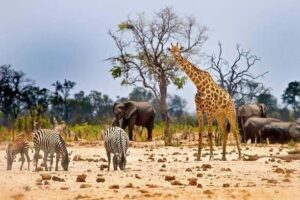
A Tanzania safari during the dry season is an unforgettable way to experience Africa’s extraordinary wildlife, scenic landscapes and world-famous national parks. From watching elephants beneath ancient baobab trees in Tarangire National Park to searching for lions across the Serengeti plains, Tanzania offers exceptional adventures for wildlife lovers.
The main dry season, generally from June to October in many popular safari areas, is a favorite period for game drives. Vegetation may be thinner, some animals gather near permanent water sources, and wildlife can be easier to spot. It is also an important time for travelers hoping to experience the Great Migration in the Serengeti ecosystem. citeturn780710search1turn780710search2
At Mambo Gorilla Safaris Uganda, we help travelers explore East Africa through wildlife adventures, gorilla trekking experiences and personalized safari planning. Whether you are organizing your first Tanzania safari or considering a combined Tanzania and Uganda holiday, understanding the dry-season conditions can help you choose the right destinations and make the most of your journey.
This guide explains what to expect on a Tanzania safari during the dry season, including the best parks to visit, wildlife sightings, weather conditions, packing essentials, safari costs and tips for planning your adventure.
What Is a Tanzania Safari Like During the Dry Season?
During the dry season, travelers can generally expect rewarding game drives, warm afternoons, cooler mornings and opportunities to observe wildlife in open landscapes.
Key highlights include:
- Elephants in Tarangire: Search for elephant herds and other wildlife around the park’s river and swamps.
- Wildlife in the Serengeti: Look for lions, leopards, cheetahs, zebras, wildebeest and other animals.
- Ngorongoro Crater: Explore a remarkable volcanic landscape with diverse wildlife.
- Great Migration opportunities: Depending on the month and herd movements, you may encounter migrating wildebeest and zebras.
- Good photography conditions: Open vegetation and morning or evening light can create excellent opportunities.
- Dusty roads and busy lodges: Prepare for dust and book popular accommodation early.
Wildlife sightings depend on natural conditions. Even during the dry season, no safari operator can guarantee a particular animal or migration river crossing.
When Is the Best Time for a Tanzania Dry-Season Safari?
June to October is the main dry-season period for many popular Tanzania safari destinations. January and February can also be relatively dry in parts of the northern circuit, although the weather differs by region.
June to August
These months are popular for game drives and migration-focused safaris. Travelers may explore the Serengeti, Tarangire and Ngorongoro while searching for wildlife in open grasslands and other habitats.
Early mornings can be cold, especially in the Ngorongoro highlands, so bring a warm jacket.
September to October
Late dry-season travel can offer rewarding wildlife viewing, particularly in areas where animals gather around reliable water sources. Tarangire is especially well known for its dry-season wildlife concentrations. citeturn780710search3turn780710search6
Conditions can be warmer and dustier, and accommodation demand may remain high.
Can You See the Great Migration?
Yes, depending on the timing and location of the herds. Parts of the migration may move through the western or northern Serengeti during the dry-season months. The exact timing changes each year with rainfall and grazing conditions. citeturn780710search2
If the migration is your main priority, plan your accommodation around the expected herd movements and allow several nights in the relevant area.
Best Places to Visit During the Tanzania Dry Season
Serengeti National Park
The Serengeti is famous for its wide plains, predators and the Great Migration. Game drives offer opportunities to search for lions, elephants, leopards, cheetahs, giraffes, zebras and wildebeest.
Best for: Classic African wildlife safaris, predator viewing and migration experiences.
Tarangire National Park
Tarangire is known for elephants, baobab trees and dry-season wildlife concentrations around the river and swamps. It is an excellent destination for wildlife photography and birdwatching. citeturn780710search6
Best for: Elephant encounters, scenic landscapes and birdlife.
Ngorongoro Crater
The Ngorongoro Crater combines spectacular scenery with opportunities to see lions, buffaloes, zebras, wildebeest and other wildlife. Rhinoceros sightings are possible but not guaranteed.
Best for: Scenic game drives and a diverse wildlife experience.
Lake Manyara National Park
Lake Manyara offers forest, woodland, lakeshore and other habitats that add variety to a northern Tanzania itinerary.
Best for: Birdwatching and exploring a different ecosystem.
Ruaha National Park
For travelers seeking a less conventional route, Ruaha offers expansive landscapes and dry-season wildlife viewing opportunities around important water sources.
Best for: Remote wilderness and travelers with more time to explore southern Tanzania.
What Animals Can You See?
Depending on the destination and conditions, a dry-season Tanzania safari may offer opportunities to see:
- African elephants
- Lions
- Leopards
- Cheetahs
- African buffaloes
- Giraffes
- Zebras
- Wildebeest
- Hyenas
- Various antelope species
- Numerous birds
Tanzania is also a destination for travelers hoping to see the Big Five: lion, leopard, elephant, buffalo and rhinoceros. Seeing all five during a single safari is possible but not guaranteed.
What Is the Weather Like?
Dry-season conditions vary across Tanzania. Many safari areas experience warm days and cooler early mornings, while higher-altitude locations can be chilly.
Morning: Wear a warm layer for early game drives.
Midday: Use sunscreen, a hat and sunglasses, and drink sufficient water.
Afternoon: Enjoy additional game drives and wildlife photography as temperatures begin to cool.
Road conditions: Some unpaved tracks can become dusty after prolonged dry weather. Follow your guide’s instructions and bring suitable clothing.
Advantages of a Dry-Season Safari
- Wildlife may be easier to spot in areas with shorter vegetation.
- Animals can gather around permanent water sources.
- Drier conditions can make some safari roads easier to navigate.
- Open landscapes can be rewarding for wildlife photography.
- Travelers may have opportunities to see parts of the Great Migration.
Disadvantages of a Dry-Season Safari
- Popular lodges and camps can book out early.
- Accommodation and safari costs may be higher during peak periods.
- Dust can affect comfort during game drives.
- Popular wildlife sightings can attract several safari vehicles.
- Wildlife sightings and migration crossings remain unpredictable.
Planning your itinerary early and choosing suitable accommodation can help you manage these challenges.
What Should You Pack?
For a Tanzania dry-season safari, bring:
- Lightweight, breathable clothing in neutral colors.
- A warm jacket for early mornings.
- Comfortable closed shoes.
- A sun hat and sunglasses.
- Sunscreen and insect repellent.
- Binoculars and a camera with a suitable zoom lens.
- Spare batteries and memory cards.
- Personal medication and travel documents.
- A lightweight waterproof jacket for unexpected rain.
Check current entry requirements and travel-health guidance before departure.
How Much Does a Tanzania Dry-Season Safari Cost?
Safari prices depend on your travel dates, accommodation, group size, transport, destinations and included activities.
Before booking, confirm whether the quotation covers:
- Accommodation and meals.
- Park and conservation fees.
- Safari vehicle and guide.
- Airport transfers.
- Domestic flights, if applicable.
- Optional experiences and personal expenses.
Travel during popular months can be more expensive, so compare complete itineraries rather than headline prices alone.
Can You Combine a Tanzania Safari with Uganda Gorilla Trekking?
Yes. Travelers with enough time can combine Tanzania’s savannah wildlife with mountain gorilla trekking in Uganda for a varied East African holiday.
Tanzania offers game drives through parks such as the Serengeti and Tarangire. Uganda offers rainforest adventures, mountain gorilla trekking in Bwindi Impenetrable National Park and other primate experiences.
Mambo Gorilla Safaris Uganda focuses on Uganda gorilla trekking and wildlife adventures. If you want to combine Tanzania with Uganda, discuss your dates, flights, permit availability and preferred destinations before finalizing the trip.
Explore these Uganda safari options:
- 3 Days Gorilla Trekking in Bwindi: https://mambogorillasafarisuganda.com/3-days-gorilla-trekking-bwindi/
- 10 Days of Wildlife and Primate Trekking in Uganda: https://mambogorillasafarisuganda.com/10-days-of-wildlife-and-primate-trekking-in-uganda/
- 4 Days Bwindi Gorillas and Lake Mburo: https://mambogorillasafarisuganda.com/4-days-bwindi-gorillas-lake-mburo/
- Mambo Gorilla Safaris Uganda: https://mambogorillasafarisuganda.com/
Gorilla permits are limited and should be confirmed before finalizing your Uganda itinerary. Regional travel arrangements should also allow enough time for flights, transfers and entry formalities.
Frequently Asked Questions
What months are best for a Tanzania safari during the dry season?
June to October is generally a popular period for dry-season wildlife viewing. The best month depends on the parks you visit and whether your priority is general game viewing or the Great Migration.
Is Tanzania good for a safari in September?
September is often a rewarding month for wildlife viewing in many Tanzania safari areas. Conditions vary by destination, and accommodation should be booked early during popular travel periods.
Is Tarangire worth visiting during the dry season?
Yes. Tarangire is known for elephants, baobab landscapes and wildlife concentrations around the river and swamps during dry periods.
Can I see the Big Five in Tanzania?
You may encounter all five in suitable destinations, but sightings are never guaranteed. Your route and the amount of time spent in each park affect your opportunities.
What should I wear on a dry-season safari?
Wear breathable clothing, comfortable shoes and neutral colors. Bring a warm jacket for early mornings and sun protection for the warmer parts of the day.
Can I combine Tanzania with Uganda gorilla trekking?
Yes. With suitable flight connections and enough time, you can combine Tanzania’s wildlife parks with gorilla trekking in Uganda. Plan around permits, transport and entry requirements.
Plan Your East African Safari with Mambo Gorilla Safaris Uganda
A Tanzania safari during the dry season can provide memorable encounters with elephants, predators and other wildlife against some of Africa’s most beautiful landscapes.
The best experience comes from choosing suitable parks, allowing enough time for game drives, preparing for changing temperatures and planning around realistic wildlife expectations.
If you are planning a Tanzania safari or considering a combined Tanzania and Uganda holiday, Mambo Gorilla Safaris Uganda can discuss your interests and Uganda gorilla trekking options to help you explore suitable East African travel arrangements.
Visit https://mambogorillasafarisuganda.com/ to learn more and begin planning your adventure.


