Email: info@mambogorillasafarisuganda.com | Call: +256772666331

What to Expect on Safari During the Rainy Season in Tanzania

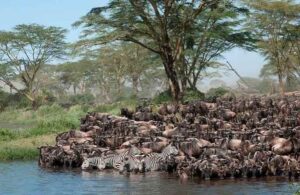
Planning a Tanzania safari during the rainy season? You can still enjoy incredible wildlife, beautiful green landscapes, spectacular birdwatching and memorable game drives. Although rain can affect road conditions and travel schedules, the wetter months offer a different perspective on Tanzania’s wilderness, often with fewer visitors and excellent photography opportunities.
At Mambo Gorilla Safaris Uganda, we believe a rewarding African safari begins with choosing the right destination, understanding seasonal conditions and planning an itinerary that matches your interests. Whether you dream of watching elephants beneath baobab trees, exploring the Serengeti plains or combining East African wildlife experiences with mountain gorilla trekking in Uganda, understanding Tanzania’s rainy season will help you plan confidently.
Tanzania is home to world-famous destinations, including Serengeti National Park, Ngorongoro Conservation Area, Tarangire National Park and Lake Manyara National Park. Each offers a different experience, and the best choice during the rainy season depends on your travel dates, wildlife interests and preferred safari style.
In this guide, we explain when the rains occur, what wildlife to expect, the best national parks to visit, the advantages and disadvantages of travelling during the wet season, and how to prepare for a successful Tanzania safari.
When Is the Rainy Season in Tanzania?
Tanzania has different rainfall patterns depending on the region. In many northern safari destinations, including the Serengeti and Ngorongoro areas, there are two main rainy periods: the long rains and the short rains.
The long rainy season: March to May
The long rains generally occur between March and May, with April often experiencing particularly wet conditions in northern Tanzania.
During these months, the landscape becomes greener, seasonal water sources fill, and the plains develop attractive scenery for photography. Birdwatching can also be rewarding, while visitor numbers may be lower at some camps and lodges.
However, heavy rainfall can make some unpaved roads muddy or difficult to navigate. Certain accommodation providers may close temporarily, and transfers between parks can take longer than expected.
The long rains are suitable for: Travellers who enjoy green landscapes, birdwatching, photography and quieter safari experiences and who are comfortable with some flexibility in their plans.
The short rainy season: October to December
The short rains generally occur between October and December in many northern parts of Tanzania, although their timing varies by location and year.
Rain may arrive as intermittent showers, leaving periods of sunshine for game drives and photography. Fresh vegetation, attractive skies and seasonal birdlife make this period appealing to visitors seeking a different safari experience.
The short rains do not necessarily mean that every day will be wet. Nevertheless, it is wise to prepare for changing weather conditions.
The short rains are suitable for: Travellers who want greener scenery, birdwatching opportunities and a potentially quieter safari than during peak dry-season months.
What about January and February?
January and February can be particularly rewarding months for visiting the southern Serengeti and Ndutu plains, where wildebeest calving commonly occurs. These months are not consistently rainy across all northern safari destinations and can include relatively dry periods between showers.
Travellers interested in newborn wildebeest and predator activity should choose their accommodation and safari route according to the expected location of the herds.
What Is the Weather Like During a Tanzania Safari in the Rainy Season?
Rainy-season weather varies between parks, elevations and individual days. You may experience warm sunshine, cloudy skies, afternoon showers or periods of heavier rain.
During your safari, you could encounter:
- Green grasslands and fresh vegetation.
- Dramatic clouds and colourful sunsets.
- Wet or muddy tracks in some areas.
- Cool mornings and evenings, especially in the highlands.
- Seasonal streams and changing water levels.
- Occasional adjustments to game drives because of weather or road conditions.
Rain does not automatically mean that a safari will be unsuccessful. Many wildlife areas remain rewarding during wetter months, although animal visibility and access can differ from dry-season conditions.
For a successful trip, check the local forecast before departure and ask your safari operator about current road conditions, park access and accommodation availability.
Best National Parks to Visit During the Rainy Season in Tanzania
Choosing the right national parks is one of the most important parts of planning a wet-season safari. The following destinations offer different landscapes and wildlife experiences.
1. Serengeti National Park
The Serengeti is one of Africa’s most famous safari destinations. Its extensive grasslands support large populations of wildebeest, zebras, elephants, lions, cheetahs and other wildlife.
During the rainy season, parts of the Serengeti become lush and green. The Great Wildebeest Migration continues throughout the year, with herds moving according to rainfall, grazing conditions and the availability of fresh grass.
The southern Serengeti and Ndutu plains are particularly well known for wildebeest calving, commonly around January and February.
What to expect in the rainy season:
- Beautiful green plains and excellent landscape photography.
- Opportunities to observe resident wildlife.
- Seasonal birdwatching.
- Possible sightings of newborn wildebeest during the calving period.
- Muddy tracks or changes to game-drive routes after heavy rain.
The Serengeti is enormous, so selecting accommodation in the appropriate area is essential. Discuss your travel dates and wildlife priorities with your operator before choosing a camp.
2. Ngorongoro Conservation Area
The Ngorongoro Conservation Area is famous for its spectacular highland scenery and the wildlife-rich Ngorongoro Crater.
Rain can transform the crater rim and surrounding hills into a lush green landscape. The crater itself offers opportunities to encounter a variety of animals throughout the year.
During your visit, you may see elephants, buffaloes, zebras, wildebeest, lions and, with luck, the endangered black rhinoceros.
What to expect:
- Green hills and impressive panoramic views.
- Diverse wildlife habitats.
- Excellent scenery for photography.
- Cool or misty conditions at higher elevations.
- Slippery surfaces and wet roads during periods of rain.
Pack a warm jacket and waterproof clothing, especially if your itinerary includes early-morning game drives or overnight stays in the highlands.
3. Tarangire National Park
Tarangire National Park is known for its large elephant populations, iconic baobab trees and seasonal wildlife movements.
Rainfall refreshes the vegetation and creates beautiful scenery. However, when water becomes more widely available, animals may spread across larger areas instead of concentrating near permanent rivers and water sources.
What to expect:
- Elephants moving through green woodland and grassland.
- Scenic baobab trees and seasonal vegetation.
- Opportunities to see giraffes, zebras, antelopes and other wildlife.
- Seasonal birdlife.
- Possible muddy tracks and changes to wildlife distribution.
Tarangire can be a rewarding addition to a Tanzania safari during the rainy season, but wildlife concentrations may differ from those experienced during the dry season.
4. Lake Manyara National Park
Lake Manyara National Park offers a mixture of woodland, groundwater forest, open areas and lakeshore habitats.
The rainy season can be particularly attractive for birdwatchers because the park supports a wide variety of resident and migratory bird species. Elephants, giraffes, buffaloes and other wildlife may also be encountered.
What to expect:
- Lush forest and green vegetation.
- Opportunities for bird photography.
- Varied habitats within a relatively compact park.
- Changing lake levels and local road conditions.
The park can work well as part of a northern Tanzania itinerary, especially for travellers who enjoy scenery and birdlife alongside traditional game drives.
What Wildlife Can You See During the Rainy Season?
A rainy-season safari can still offer excellent wildlife encounters. Animals remain in Tanzania’s national parks throughout the wetter months, although vegetation, water availability and seasonal movements influence where they are found.
Depending on the location and conditions, you may see:
- Lions: Resting, hunting or moving through grassland and woodland habitats.
- Elephants: Commonly encountered in several major wildlife areas.
- Giraffes: Browsing on trees and shrubs.
- Zebras and wildebeest: Moving between grazing areas.
- Buffaloes: Feeding in suitable grassland and woodland habitats.
- Leopards and cheetahs: Elusive predators whose sightings depend on location and luck.
- Hippos and crocodiles: Found in suitable rivers, lakes and wetlands.
- Birds: Including migratory species and resident birds associated with different habitats.
The growing vegetation can sometimes make animals more difficult to spot than during the dry season. An experienced guide can help identify suitable habitats and adjust the game-drive route according to local conditions.
Wildlife sightings can never be guaranteed, but thoughtful planning improves the opportunities available during your trip.
Can You See the Great Wildebeest Migration During the Rainy Season?
Yes. The Great Wildebeest Migration is a year-round movement of wildebeest, zebras and other grazing animals across the Serengeti ecosystem and adjoining regions.
During the calving period, herds commonly gather on the southern Serengeti and Ndutu plains. January and February are particularly associated with newborn wildebeest, although the timing and distribution of animals vary from year to year.
This period can provide remarkable opportunities for wildlife photography and observing predator-prey behaviour.
Later in the year, the herds move through other parts of the ecosystem as grazing conditions change. River crossings generally occur during different stages of the migration and should not be confused with the calving season.
If seeing the migration is your main priority, choose your dates, park area and accommodation together. Check current migration information before travelling and remember that the herds follow natural conditions rather than a fixed timetable.
Advantages of a Tanzania Safari During the Rainy Season
Travelling during the rainy season offers several potential benefits.
1. Beautiful green scenery
Rainfall refreshes the grasslands, trees and other vegetation. The resulting landscapes can be especially attractive for photography and for travellers who want to experience Tanzania beyond its dry-season appearance.
2. Excellent photography opportunities
Cloud formations, soft light, reflections and lush vegetation can create striking wildlife photographs. The scenery also provides colourful backgrounds for images of elephants, giraffes and other animals.
3. Rewarding birdwatching
Seasonal rainfall and the arrival of migratory birds make many parks attractive to bird enthusiasts. Wetlands, lakeshores and woodlands can offer opportunities to observe a wide variety of species.
4. Potentially fewer visitors
Some parks and accommodation properties receive fewer visitors during wetter months, particularly during the long rains. This can create a quieter atmosphere, although visitor numbers depend on the destination and travel dates.
5. Possible accommodation savings
Some lodges and camps offer lower rates or seasonal promotions during periods of reduced demand. However, prices vary, and not all properties discount their rates.
Compare actual quotations and confirm whether the accommodation you want will be operating during your chosen dates.
6. Opportunities to observe newborn wildlife
A visit to the southern Serengeti during the wildebeest calving period may provide opportunities to see young animals and increased predator activity.
This is one reason some wildlife photographers deliberately choose the green season rather than the busiest dry-season months.
Challenges of Visiting Tanzania During the Rainy Season
Although the rainy season has many attractions, understanding its challenges will help you make an informed decision.
1. Muddy and slippery roads
Heavy rain can make dirt roads muddy and difficult to drive on. Some routes may become temporarily inaccessible, and journeys between destinations may take longer than planned.
Use a suitable safari vehicle and an operator familiar with the routes and seasonal conditions.
2. Possible itinerary changes
Heavy rainfall or temporary access restrictions can affect game drives, transfers and other activities.
Avoid scheduling very tight connections between parks, flights and other travel arrangements. Allow enough time for delays and alternative routes.
3. Wildlife can be harder to spot
When vegetation becomes taller and water is widely available, animals may be more dispersed. This can make certain sightings more challenging than during dry-season periods.
A knowledgeable guide can help you search appropriate habitats and adapt your plans.
4. Some camps may close temporarily
Selected accommodation providers may close during the long rains for maintenance or because access becomes difficult.
Confirm operating dates, accessibility and cancellation policies before paying a deposit.
5. Wet clothing and equipment
Rain can affect personal comfort, camera equipment and luggage. Pack waterproof layers and protective bags to reduce the risk of damage.
For additional safety guidance, consult the official UK travel advice for Tanzania before departure.
What Should You Pack for a Rainy Season Safari in Tanzania?
Packing appropriately helps you remain comfortable during game drives and transfers.
Consider bringing:
- A waterproof rain jacket: Useful during showers and when entering or leaving the safari vehicle.
- Quick-drying clothing: Practical when conditions are humid or wet.
- Comfortable, water-resistant shoes: Helpful around lodges and on suitable walking activities.
- Warm layers: Important for cool mornings and highland destinations.
- Waterproof bags: Protect cameras, phones, documents and other valuables.
- Binoculars: Useful for birdwatching and observing animals at a distance.
- Camera protection: A rain cover or protective bag can safeguard photography equipment.
- Insect repellent: Use an appropriate product according to its instructions.
- Sun protection: Sunshine can still be strong between showers.
- Personal medication and essentials: Carry what you may need during long transfers.
Neutral-coloured safari clothing is a practical choice. Ask your operator whether you will need any additional equipment for your particular itinerary.
How to Plan a Successful Rainy Season Safari in Tanzania
Careful preparation can make a major difference to your experience.
Choose your travel dates according to your interests
Decide whether you prefer the green landscapes of the long rains, the shorter showers of the later wet season or the wildebeest calving period.
Your priorities should determine the travel dates, rather than choosing dates solely because they appear cheaper.
Select parks strategically
For the Great Migration, identify the most appropriate part of the Serengeti ecosystem for your dates. For birdwatching and varied scenery, consider parks with different habitats, such as Lake Manyara and Ngorongoro.
Work with an experienced safari operator
A reliable operator can advise on road conditions, realistic travel times, accommodation availability and possible alternative routes.
Ask about contingency plans if heavy rain affects a game drive or transfer.
Choose accommodation carefully
Staying in the right area reduces unnecessary driving and provides more time for wildlife viewing. Confirm that your accommodation will be open and accessible throughout your visit.
Keep your itinerary flexible
Avoid including too many distant destinations in a short trip. A realistic itinerary allows time for wildlife viewing and gives your guide flexibility when conditions change.
Check weather and safety information
Weather forecasts can change, so review the latest information before departure. Follow advice from park authorities and your guide, and never attempt to drive or walk through floodwater.
Is the Rainy Season a Good Time to Visit Tanzania?
A Tanzania safari during the rainy season can be an excellent choice for travellers who appreciate green scenery, birdwatching, photography and potentially quieter parks.
It can also be rewarding for visitors interested in the wildebeest calving period, provided they choose the appropriate location and dates.
However, the long rains can bring more significant road and accommodation challenges, particularly during March, April and May. Travellers who need predictable road conditions or have a very tight itinerary may prefer a drier period.
The most suitable season depends on what you want to experience, the parks you plan to visit and how much flexibility you have.
With the right preparation, the rainy season can reveal a beautiful and rewarding side of Tanzania’s wildlife and landscapes.
Frequently Asked Questions About Tanzania Rainy Season Safaris
1. Which months are rainy in Tanzania?
Many northern safari destinations experience long rains from March to May and short rains from October to December. Other parts of Tanzania follow different rainfall patterns, so conditions depend on the destination.
2. Can I go on safari in Tanzania during the rainy season?
Yes. Many national parks remain accessible and offer wildlife viewing during wetter months. However, heavy rain can affect some roads, accommodation options and activities.
3. Is wildlife viewing good during the rainy season?
Wildlife viewing can be rewarding, but animals may be more dispersed and vegetation can make sightings harder in some locations. Choosing the right park and travelling with an experienced guide can help.
4. Is the rainy season good for the Great Migration?
It can be, especially if you visit the southern Serengeti and Ndutu plains during the calving period, commonly around January and February. Migration timing varies naturally throughout the year.
5. Is a rainy-season safari cheaper?
Some lodges and camps offer lower rates during wetter months, particularly during the long rains. Prices depend on the property, location, travel dates and availability.
6. What vehicle is suitable for a rainy-season safari?
A well-maintained safari vehicle suited to the route and road conditions is essential. Ask your operator whether a four-wheel-drive vehicle is appropriate for your itinerary.
7. Does it rain all day during the rainy season?
Not necessarily. Some days have intermittent showers, while others experience heavier or prolonged rain. Conditions vary by region and time of year.
8. Can I combine a Tanzania safari with gorilla trekking in Uganda?
Yes. A combined East African trip can include Tanzania’s savannah wildlife and mountain gorilla trekking in Uganda. You will need to coordinate flights, ground transfers, gorilla permit availability, border requirements and travel dates.
Mambo Gorilla Safaris Uganda offers Uganda wildlife and primate safari itineraries that may be useful when planning a broader East African adventure. Contact the team to discuss whether a Tanzania extension can be arranged to suit your travel plans.
Plan Your East African Safari with Mambo Gorilla Safaris Uganda
Tanzania’s rainy season offers a different safari experience, with lush landscapes, seasonal birdlife, dramatic skies and opportunities to observe wildlife in changing conditions.
The secret to a rewarding trip is choosing appropriate destinations, understanding seasonal weather, packing the right equipment and allowing flexibility in your itinerary.
At Mambo Gorilla Safaris Uganda, we help travellers explore Uganda’s wildlife and primate experiences. If you are planning a wider East African holiday, you can discuss your preferred destinations and dates with our team.
Explore these Uganda safari options:
- 3-Day Gorilla Trekking Safari in Bwindi — for travellers seeking an encounter with Uganda’s mountain gorillas.
- 10-Day Uganda Wildlife and Primate Trekking Safari — for a longer adventure combining wildlife and primate experiences.
- 4-Day Bwindi Gorilla Trekking and Lake Mburo Safari — for a combination of gorilla trekking and savannah wildlife.
Contact Mambo Gorilla Safaris Uganda to discuss your travel plans and build an East African safari around your interests, available time and budget. If you want to include Tanzania, confirm the available arrangements and logistics with the team before booking.
Your African adventure can combine unforgettable wildlife encounters, beautiful landscapes and meaningful experiences across the region.


