Email: info@mambogorillasafarisuganda.com | Call: +256772666331

Top 10 Safari Activities to Do in Serengeti National Park, Tanzania

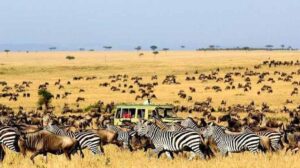
Serengeti National Park is one of Africa’s most famous wildlife destinations, attracting travellers with its vast golden plains, extraordinary animal diversity, and the spectacular Great Wildebeest Migration. Located in northern Tanzania, the park offers unforgettable experiences for wildlife enthusiasts, photographers, birdwatchers, couples, and families planning an African safari.
The best safari activities in Serengeti National Park range from exciting game drives and hot-air balloon safaris to guided walking experiences, birdwatching, wildlife photography, and observing seasonal wildlife movements across the plains.
The Serengeti is especially renowned for its large populations of lions, cheetahs, leopards, elephants, and other wildlife. It also forms part of a wider ecosystem that supports the annual movement of wildebeest, zebras, and gazelles across Tanzania and Kenya. Although wildlife sightings vary with season and location, the Serengeti offers exceptional opportunities to experience African wilderness.
In this guide, Mambo Gorilla Safaris Uganda explores the top activities to consider, the best time to visit, and how to plan a rewarding Serengeti safari.
1. Enjoy Game Drives in Serengeti National Park
Game drives are among the most popular activities in Serengeti National Park. Travelling in a safari vehicle with an experienced guide allows visitors to explore different habitats while searching for wildlife in its natural environment.
The park’s extensive grasslands, rocky outcrops known as kopjes, woodlands, and riverine areas support a wide range of animals.
During game drives, you may encounter:
- Lions resting in the grass or beneath trees.
- Cheetahs scanning open plains for prey.
- Leopards resting in trees or moving through riverine vegetation.
- Elephants travelling across the savannah.
- Buffaloes, giraffes, zebras, and several antelope species.
- Hyenas and other predators and scavengers.
The central Serengeti, particularly the Seronera area, is well known for wildlife viewing. Other areas may be more suitable depending on the season and the movement of the Great Migration.
Morning game drives
Morning game drives are ideal for travellers who want to explore the park during the cooler hours of the day. The soft morning light can also create excellent conditions for photography.
An early departure gives you time to look for predators, observe animals beginning their daily activities, and enjoy the changing colours of the plains.
Afternoon game drives
Afternoon drives provide another opportunity to explore the park. As temperatures begin to fall, animals may become more active, while the late-afternoon light creates beautiful scenery for photographs.
For a more comprehensive experience, consider scheduling both morning and afternoon game drives during your stay.
Travel tip: Wildlife sightings are never guaranteed. Allow enough time in the park and choose your safari area according to your interests and the latest local wildlife information.
2. Witness the Great Wildebeest Migration
The Great Wildebeest Migration is one of the most remarkable wildlife spectacles in the world and a major reason travellers visit Serengeti National Park.
Each year, enormous herds of wildebeest move through the Serengeti ecosystem in search of fresh grazing and water. Zebras and gazelles travel alongside them, while lions, cheetahs, hyenas, and other predators take advantage of the abundance of prey.
The migration follows a seasonal cycle rather than a fixed timetable. Rainfall, grazing conditions, and water availability influence the herds’ movements.
Where can you see the Great Migration?
Different areas of the Serengeti become important at different times of the year.
- Southern Serengeti and Ndutu area: Often associated with the calving season around January and February, although exact timing varies.
- Central Serengeti: Offers year-round wildlife viewing and may provide opportunities to encounter migrating herds depending on the season.
- Western Serengeti: Can be important as herds move through the western corridor, with timing influenced by rainfall.
- Northern Serengeti: Often associated with the herds’ movements towards the Mara River and potential river crossings during parts of the year.
River crossings are among the most dramatic migration events, but they are unpredictable. Herds may gather for hours or days before crossing, and some may change direction entirely.
How to plan a migration safari
Choose your travel dates based on the part of the migration you hope to observe. Ask your safari planner for recent herd-location reports and accommodation options near the relevant region.
If witnessing the migration is your main goal, avoid choosing a lodge solely because of its reputation. Its location during your travel dates is just as important.
3. Take a Hot-Air Balloon Safari Over the Serengeti
A hot-air balloon safari offers a different perspective on Serengeti National Park. Rather than viewing the plains from a vehicle, you float above the landscape as the sun rises and the grasslands gradually become illuminated.
From the air, you may see winding rivers, rocky outcrops, open plains, and herds of wildlife moving through the landscape.
What makes balloon safaris special?
A balloon safari can offer:
- Panoramic views of the Serengeti.
- A unique perspective on wildlife and the surrounding landscape.
- Excellent opportunities for landscape photography.
- A memorable sunrise experience.
- A special addition to a honeymoon or luxury safari.
Many balloon excursions include an early transfer to the launch site and a breakfast experience after landing. Exact arrangements depend on the operator and location.
Is a balloon safari worth it?
For travellers who want a distinctive safari experience, ballooning can be an excellent addition. It is generally an extra-cost activity, so confirm the price, weight restrictions, departure arrangements, and weather-related cancellation policy before booking.
Balloon flights depend on suitable weather conditions and may not operate every day.
4. Experience a Guided Walking Safari
A guided walking safari allows visitors to experience the African wilderness at ground level. Instead of concentrating only on large animals, you learn to notice tracks, plants, insects, birds, and other details that can be missed from a vehicle.
Walking experiences in and around the Serengeti are subject to park rules and location-specific arrangements. They must be organised through authorised operators and accompanied by the required guides or park rangers.
What can you learn on a walking safari?
Depending on the route, your guide may explain:
- How to identify animal tracks and signs.
- The role of insects in the ecosystem.
- How birds communicate danger.
- How plants and trees survive in dry conditions.
- How different species use the same habitat.
Walking safaris are particularly appealing to travellers who want a deeper understanding of the natural environment.
Is walking suitable for everyone?
Walking safaris require an appropriate level of fitness and the ability to follow safety instructions. Routes, minimum ages, duration, and participation requirements vary by operator.
Ask about the specific activity before booking, and never attempt to approach wildlife on foot independently.
5. Go Birdwatching in Serengeti National Park
Serengeti National Park is not only a destination for large mammals. Its diverse habitats support hundreds of bird species, making it an excellent destination for birdwatching and wildlife photography.
The park’s grasslands, rivers, woodlands, and seasonal wetlands attract birds with different feeding and nesting requirements.
Birds you may encounter include:
- Ostriches.
- Secretarybirds.
- Various eagles and other raptors.
- Vultures.
- Hornbills.
- Storks and herons in suitable habitats.
- Colourful savannah birds and migratory species.
The exact species observed depend on the area, time of year, weather, and habitat conditions.
Why include birdwatching in your safari?
Birdwatching adds variety to a traditional game-drive itinerary. It also encourages visitors to pay attention to smaller wildlife and ecological relationships beyond the well-known predators.
Bring binoculars, a bird guide if you use one, and a camera with a suitable lens. Travelling with a knowledgeable birding guide can improve your chances of identifying less familiar species.
6. Photograph Wildlife and Serengeti Landscapes
Serengeti National Park is an outstanding destination for wildlife and landscape photography. Its wide horizons, dramatic skies, golden grasslands, rocky kopjes, and diverse animals offer opportunities for both beginners and experienced photographers.
You can photograph wildlife during game drives, capture sunrise and sunset scenery, or focus on smaller subjects such as birds, insects, and plants.
Popular subjects for Serengeti photography
Consider looking for:
- Lions interacting within a pride.
- Cheetahs on open plains.
- Elephants against the horizon.
- Wildebeest and zebra herds.
- Birds in flight or feeding.
- Acacia trees and dramatic cloud formations.
- Dusty tracks and sunlit grasslands.
Photography tips for a better safari
Use the right lens: A telephoto lens is useful for distant wildlife, while a wider lens captures landscapes and large herds.
Protect your equipment: Dust can accumulate quickly during dry conditions. Keep cameras protected when not in use and carry a cleaning cloth.
Use the light: Early morning and late afternoon often provide softer light and attractive colours.
Be patient: Waiting quietly can produce more natural images than repeatedly changing position or asking a guide to move too close.
Respect wildlife: Follow park rules and your guide’s instructions. Never pressure a driver to leave designated tracks or disturb animals for a photograph.
If you are planning a professional filming or photography project, check whether additional permits or permissions are required.
7. Visit the Serengeti’s Rocky Kopjes
Kopjes are distinctive rocky outcrops scattered across parts of the Serengeti landscape. They provide shelter, resting places, and vantage points for a variety of animals.
These formations break up the open grasslands and create interesting habitats for wildlife. Lions may rest among the rocks, while smaller animals use crevices for shelter.
Why are kopjes worth exploring?
Kopjes offer several benefits for safari visitors:
- Distinctive scenery and landscape photography.
- Opportunities to observe animals using rocky habitats.
- A different perspective from the open plains.
- Interesting geological features.
- Excellent settings for learning about wildlife behaviour.
Your guide may recommend particular kopje areas based on recent wildlife reports and the day’s route.
Always remain inside the vehicle where required and follow instructions at wildlife sightings.
8. Enjoy a Bush Meal in the African Wilderness
Some Serengeti safari lodges and camps arrange bush breakfasts, lunches, or other outdoor dining experiences at authorised locations.
A bush meal gives visitors an opportunity to enjoy food in a natural setting while taking a break from game drives. It can also provide time to appreciate the surrounding landscape and discuss wildlife sightings with your guide.
What should you expect?
Depending on the arrangement, your meal may take place at a designated picnic site or another authorised outdoor location.
A bush meal can be a memorable addition to a honeymoon, anniversary, photography trip, or private safari.
Confirm whether the experience is included in your accommodation or safari package, and whether it requires an additional booking.
For safety, meals must take place in approved areas and follow the instructions of your guide or lodge team.
9. Explore Serengeti Culture and Local Heritage
A Serengeti safari can also include opportunities to learn about the cultural heritage of the wider region.
The Serengeti ecosystem is closely associated with Maasai pastoralist communities and a long history of human interaction with the landscape. Depending on your itinerary, you may be able to arrange an authorised cultural visit or learn about regional heritage through a knowledgeable guide.
What can a cultural visit offer?
A well-organised visit may introduce you to:
- Local traditions and ways of life.
- Traditional knowledge of livestock and the environment.
- Local crafts, music, or dance where offered.
- The relationship between communities, wildlife, and land.
- Conservation and community livelihood initiatives.
Cultural visits should be respectful, locally guided, and arranged with the consent of the people involved. Do not assume that every community or cultural site is open to visitors.
Ask your tour operator what the experience includes and whether any fees support the local hosts.
10. Enjoy a Multi-Day Wildlife Safari Across Different Serengeti Regions
One of the best ways to enjoy Serengeti National Park is to spend several days exploring its different regions rather than rushing through the park in a single day.
The Serengeti is extensive, and wildlife distribution varies with habitat and season. A multi-day itinerary gives you time for morning and afternoon game drives, photography, birdwatching, and possibly a balloon safari or authorised walking experience.
Why stay for several days?
A longer stay allows you to:
- Explore different wildlife habitats.
- Increase your opportunities for wildlife sightings.
- Follow recent information about the Great Migration.
- Enjoy sunrise and sunset game drives.
- Add specialist birding or photography activities.
- Travel at a more relaxed pace.
Three or four days is a useful starting point for many visitors, although the ideal duration depends on your budget, travel route, and interests.
If you hope to observe a particular migration event, plan your accommodation and travel around the relevant region instead of assuming that every area will contain the herds.
Best Time to Enjoy Safari Activities in Serengeti National Park
Serengeti National Park is a year-round safari destination, but the best time to visit depends on the activities you want to enjoy.
January to February: Calving season
The southern Serengeti and Ndutu region are often associated with the wildebeest calving season during this period. Large numbers of young wildebeest may attract predators, offering opportunities to observe predator-prey interactions.
The precise timing and location depend on rainfall and grazing conditions.
March to May: Green season
These months generally include a wetter period in parts of the ecosystem. Landscapes can be green, and birdwatching and photography may be rewarding.
Rain can affect road conditions and travel times, so choose accommodation and transport with the season in mind.
June to October: Dry-season wildlife viewing
The dry season is popular for game drives in many areas because vegetation may be less dense and wildlife can be easier to observe in suitable habitats.
The migration moves through different regions during this broader period, and northern Serengeti river crossings may occur when conditions align. Crossings are not guaranteed on particular dates.
November to December: Seasonal herd movements
Short rains and changing grazing conditions influence the herds’ movement through the ecosystem. These months can offer attractive scenery and wildlife viewing, although local weather and animal movements vary.
Important: Seasonal descriptions are general guidance, not a fixed migration calendar. Obtain updated information for your specific travel dates before deciding where to stay.
Suggested 4-Day Serengeti National Park Safari Itinerary
A four-day safari provides time to explore the park at a comfortable pace and include more than one activity.
Day 1: Arrive in the Serengeti and enjoy an afternoon game drive
Arrive by road or scheduled flight, depending on your itinerary. Transfer to your accommodation and, if time permits, enjoy an afternoon game drive.
Look for wildlife in the surrounding area while learning about the park’s habitats and conservation importance.
Overnight: Lodge or tented camp in the selected Serengeti region.
Day 2: Full-day wildlife viewing
Begin with an early morning game drive. Depending on the season, explore areas known for lions, cheetahs, elephants, zebras, and other wildlife.
Enjoy lunch at your accommodation or an authorised picnic site, then continue wildlife viewing in the afternoon.
Overnight: Serengeti lodge or tented camp.
Day 3: Balloon safari or specialist wildlife experience
If available and suitable for your budget, take a hot-air balloon safari in the early morning. Alternatively, dedicate the day to game drives, birdwatching, or wildlife photography.
A walking safari may be possible if the specific location, operator, and park regulations permit it.
Overnight: Serengeti lodge or tented camp.
Day 4: Final game drive and departure
Enjoy a final morning game drive if your departure arrangements allow. You may have another opportunity to observe wildlife or photograph the changing landscape.
Transfer to your next destination or onward flight according to your booked itinerary.
This is a sample itinerary. The best route and accommodation locations should be selected according to your arrival point, travel dates, budget, and the seasonal location of the migration.
What Should You Pack for a Serengeti Safari?
Packing well helps you stay comfortable during long game drives and changing weather conditions.
Consider bringing:
- Lightweight, neutral-coloured outdoor clothing.
- A warm layer for early mornings.
- Comfortable walking shoes.
- A sun hat, sunglasses, and sunscreen.
- Binoculars for distant wildlife and birds.
- A camera, suitable lenses, and spare batteries.
- Dust protection for electronics.
- Personal medication and essential toiletries.
- Reusable water bottles where appropriate.
- Travel documents and relevant booking confirmations.
If you have booked a balloon safari or walking experience, check whether the operator has additional clothing, equipment, age, or participation requirements.
How Much Time Do You Need for Serengeti Safari Activities?
The time required depends on your priorities.
- One day: Suitable for a limited visit, but travel logistics may reduce time available for wildlife viewing.
- Two days: Allows several game drives and a better introduction to the park.
- Three to four days: Gives you more time to explore different areas and add another activity.
- Five days or more: Useful for travellers who want to explore multiple regions, focus on photography, or plan around the Great Migration.
Serengeti is too extensive to experience fully in a short visit. When planning your route, consider how much time will be spent travelling between accommodation, airstrips, and wildlife-viewing areas.
Can You Combine Serengeti With Other East African Safari Destinations?
Yes. Serengeti National Park is often included in northern Tanzania safari itineraries with destinations such as Tarangire National Park and the Ngorongoro Conservation Area.
Travellers with more time can also consider combining a Tanzania safari with a Uganda gorilla trekking holiday. Such a trip requires careful planning because the destinations are far apart and generally require an international or regional flight connection.
Mambo Gorilla Safaris Uganda offers Uganda-focused wildlife and primate itineraries, including the 10 Days of Wildlife and Primate Trekking in Uganda and the 8-Day Luxury Uganda Wildlife and Gorilla Safari.
If you would like to combine Tanzania’s savannah wildlife with Uganda’s mountain gorillas, discuss the proposed route, travel dates, flights, permits, and accommodation requirements with your safari planner before booking.
Why Plan Your Serengeti Safari With an Experienced Operator?
A well-planned safari helps you use your time effectively and choose activities that match your interests.
When comparing safari arrangements, ask about:
- The location of accommodation in relation to your planned wildlife activities.
- Whether game drives are private or shared.
- Which activities are included and which cost extra.
- Whether balloon safaris or specialist walking experiences can be arranged.
- Vehicle type and luggage capacity.
- The seasonal movement of the Great Migration.
- Current park rules and applicable fees.
- Cancellation terms and travel insurance.
A good itinerary should balance wildlife viewing, travel time, comfort, and your budget. It should also recognise that wild animals move freely and no operator can guarantee every sighting.
Frequently Asked Questions About Safari Activities in Serengeti National Park
1. What are the best safari activities in Serengeti National Park?
Popular activities include game drives, Great Migration viewing, hot-air balloon safaris, authorised walking safaris, birdwatching, wildlife photography, and selected cultural or bush-meal experiences.
2. Can I see the Big Five in Serengeti National Park?
The Serengeti supports the Big Five: lions, leopards, elephants, buffaloes, and rhinoceroses. However, sightings of every species are not guaranteed, and rhinos in particular can be difficult to find.
3. When is the best time to see the Great Migration?
The best time depends on the location of the herds and the event you want to observe. The southern plains are often associated with calving around January and February, while the northern Serengeti may offer river-crossing opportunities during parts of the year. Exact timing varies.
4. Are hot-air balloon safaris available in the Serengeti?
Yes. Hot-air balloon safaris operate in designated parts of the Serengeti, subject to operator availability and weather conditions. They usually require an advance booking and an additional fee.
5. Are night game drives allowed inside Serengeti National Park?
Standard night game drives are not permitted inside Serengeti National Park. Some night-drive experiences may be offered in eligible private concessions or neighbouring areas outside the national park, subject to local regulations and operator arrangements.
6. Is Serengeti National Park suitable for families?
Yes, it can be suitable for families, depending on the children’s ages, travel pace, accommodation, and activities selected. Confirm age requirements for balloon flights and walking experiences, and choose game-drive schedules that suit your family.
7. How many days should I spend in Serengeti National Park?
Three to four days is a useful starting point for a varied safari. A longer stay is helpful if you want to explore different regions or plan around the Great Migration.
8. Can I combine Serengeti with gorilla trekking in Uganda?
Yes. It is possible to combine a Tanzania safari with gorilla trekking in Uganda, but the trip requires careful coordination of flights, road transfers, accommodation, and gorilla permits. Allow enough time rather than attempting to fit both destinations into an overly short itinerary.
9. Do I need to book Serengeti safari activities in advance?
Advance planning is recommended, particularly for peak travel periods, specialist accommodation, and hot-air balloon safaris. Confirm current park requirements, activity availability, and cancellation policies before paying.
10. Is wildlife guaranteed during Serengeti safari activities?
No. The Serengeti has abundant wildlife, but animals move freely and sightings depend on season, location, weather, and luck. A flexible itinerary and an experienced guide can improve your opportunities without guaranteeing a particular encounter.
Plan Your Serengeti Safari Adventure
From thrilling game drives and the Great Wildebeest Migration to sunrise balloon flights, birdwatching, and wildlife photography, Serengeti National Park offers a remarkable range of African safari experiences.
The best trip depends on your interests, travel dates, budget, and the wildlife experiences you hope to enjoy. Give yourself enough time to explore, choose accommodation strategically, and use up-to-date local advice when planning around the migration.
Start planning your East African wildlife adventure with Mambo Gorilla Safaris Uganda. Explore the available Uganda wildlife and gorilla safari options and enquire about a tailor-made itinerary if you would like to combine Tanzania’s iconic plains with Uganda’s extraordinary primate experiences.


