Email: info@mambogorillasafarisuganda.com | Call: +256772666331

Shoebill Filming Locations in Uganda: 7 Best Places to Film the Shoebill Stork

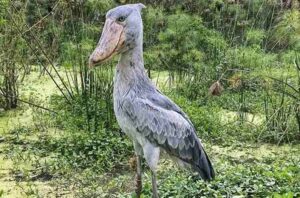
Uganda is one of Africa’s most rewarding destinations for birdwatching, wildlife photography, and documentary filmmaking. Among its most fascinating bird species is the shoebill stork, a rare-looking wetland bird famous for its enormous shoe-shaped bill, prehistoric appearance, and patient hunting behaviour.
For filmmakers, wildlife photographers, birdwatchers, and nature enthusiasts, finding the right shoebill filming locations in Uganda is essential for planning a successful expedition. The country has several wetlands, lakeshores, river systems, and protected areas where shoebills have been recorded, although sightings are never guaranteed.
Mabamba Swamp, near Entebbe and Lake Victoria, is often the first destination to consider because it offers guided canoe excursions into shoebill habitat. Murchison Falls National Park and other wetland areas can also be considered when planning a longer Uganda birding safari.
At Mambo Gorilla Safaris Uganda, travellers can explore opportunities to combine birdwatching with Uganda’s wider wildlife experiences, including national parks, primate tracking, and scenic landscapes.
Where Can You Film Shoebill Storks in Uganda?
The leading locations to consider when planning a shoebill filming safari in Uganda include:
- Mabamba Swamp — a leading destination for guided shoebill searches.
- Murchison Falls National Park — a river and delta destination with diverse birdlife.
- Ziwa Rhino Sanctuary and Lugogo Swamp — a possible addition to a northern Uganda itinerary.
- Semuliki Wildlife Reserve and the Lake Albert region — options for exploring western Uganda’s wetland habitats.
- Lake Mburo National Park and surrounding wetlands — an additional birding destination.
- Ishasha and the wider Queen Elizabeth National Park landscape — an option for combining birding with other wildlife filming.
- Other recognised wetlands, including Makanaga and the Lake Kyoga basin — alternatives for specialist birding itineraries.
These locations differ in accessibility and the likelihood of finding a shoebill. For a short trip, start by considering Mabamba Swamp; for an extended expedition, discuss several suitable habitats with an experienced local birding guide.
1. Mabamba Swamp: One of the Best Shoebill Filming Locations in Uganda
Mabamba Swamp is one of Uganda’s best-known places for shoebill viewing. Situated beside Lake Victoria, not far from Entebbe, this extensive wetland features papyrus channels and shallow waters that provide habitat for the shoebill and numerous other bird species.
The wetland is internationally recognised for its importance to birdlife. Its accessibility also makes it an attractive choice for visitors arriving at Entebbe International Airport or spending a few days around Kampala and Entebbe.
Why choose Mabamba for shoebill filming?
Mabamba offers several practical advantages:
- Guided canoe trips through wetland channels.
- Opportunities to observe shoebills in their natural habitat.
- Additional bird species to photograph and film.
- Access from Entebbe without needing a long national park journey.
- Opportunities to work with local guides who understand the wetland.
The best filming experience depends on bird movements, water conditions, light, weather, and the location of the shoebill on the day of your visit.
How to access Mabamba Swamp
Visitors can travel by road to the wetland area or arrange a boat-based approach from the Entebbe side of Lake Victoria. The best route depends on your accommodation, the location of your guide, and the type of filming equipment you are carrying.
If you are travelling with cameras, tripods, long lenses, sound equipment, or a larger production crew, arrange transport and boat capacity in advance. Confirm that your equipment can be carried securely and that the planned boat trip is suitable for your crew.
What else can you film at Mabamba?
In addition to the shoebill, birdwatchers may encounter kingfishers, herons, egrets, African jacanas, waterbirds, and other wetland species. The papyrus vegetation, waterways, local fishing activities, and changing light can also provide useful environmental footage for a wildlife documentary.
Filming tip: Work with your guide to approach birds calmly and avoid sudden movements, loud noises, or attempts to force a closer encounter.
2. Murchison Falls National Park: Shoebills and Nile River Wildlife
Murchison Falls National Park is one of Uganda’s leading wildlife destinations. The Nile River passes through the park, creating a range of aquatic habitats that attract numerous bird species and other wildlife.
The river delta, where the Nile approaches Lake Albert, is an area to consider when planning a shoebill search. A boat excursion may offer opportunities to film wetland birds alongside scenery and wildlife associated with the river.
Why film in Murchison Falls?
A visit to Murchison Falls can offer a broader wildlife filmmaking experience, with opportunities to capture:
- River landscapes and the Nile delta.
- Waterbirds and other bird species.
- Hippopotamuses and Nile crocodiles in suitable locations.
- Elephants and other wildlife during appropriate park activities.
- The powerful scenery around Murchison Falls.
Shoebill sightings are not guaranteed, so communicate your filming objectives to your safari planner before travelling. A general river cruise and a specialist birding excursion may not follow the same route or provide the same opportunities.
Best way to plan your filming trip
Arrange a suitable boat trip with an experienced guide who understands birdwatching locations. Allow sufficient time for wildlife observation rather than expecting every species to appear during a single outing.
Murchison Falls is particularly useful for travellers who want to combine bird photography with classic African safari footage.
3. Ziwa Rhino Sanctuary and Lugogo Swamp
Ziwa Rhino Sanctuary is widely known for rhino conservation and guided rhino tracking. The wider area also offers wetland habitats that may be of interest to birdwatchers and wildlife filmmakers.
Lugogo Swamp is mentioned in Uganda birding and safari information as an area to consider for shoebill searches. However, its suitability depends on local conditions, access arrangements, and current bird reports.
What makes this area worth considering?
A visit to the area may allow you to plan a combination of wetland birding and rhino tracking, subject to the activities available and the rules of the site.
For documentary teams, this can create a varied filming itinerary that includes conservation work, wetland ecosystems, and large mammals.
Planning advice
Confirm access to the relevant wetland before your trip. Ask your guide whether a dedicated birding excursion is possible, how long it will take, and whether boats or other transport are needed.
Do not assume that a shoebill will be present simply because the habitat is suitable. Request recent local sighting information and keep an alternative activity available.
4. Semuliki Wildlife Reserve and the Lake Albert Region
Western Uganda includes wetlands and lakeshore habitats that support a wide range of birds. Semuliki Wildlife Reserve and the wider Lake Albert region may be worth considering for a longer birding or nature documentary itinerary.
The region is less convenient than Mabamba for visitors who only have a short stopover near Entebbe, but it can form part of a wider journey through western Uganda.
What can filmmakers expect?
Depending on the route and the habitats visited, filming opportunities may include:
- Wetland and lakeshore landscapes.
- Waterbirds and other regional bird species.
- Fishing communities and traditional livelihoods, where filming permission is obtained.
- Scenic footage of western Uganda.
- Additional wildlife experiences available along the planned route.
A shoebill search should be arranged with a local guide familiar with current sightings and site access. The species should be treated as a possible target rather than a guaranteed encounter.
5. Lake Mburo National Park and Nearby Wetlands
Lake Mburo National Park is a compact wildlife destination in western Uganda known for its lakes, savannah habitats, and birdlife. It can be a useful addition to a broader Uganda birding safari.
The park and nearby wetland habitats may be considered when planning a search for shoebills, but sightings are less predictable than simply booking a general wildlife activity. Confirm recent records and suitable viewing locations before including the park specifically for shoebill filming.
Other filming opportunities
A visit to Lake Mburo can also provide opportunities to film:
- Zebras and impalas in suitable areas.
- Buffaloes and other savannah wildlife.
- Lakeside and wetland bird species.
- Scenic grasslands, acacia trees, and water habitats.
This makes the park a worthwhile option for a wildlife production that covers several ecosystems rather than focusing exclusively on one bird species.
6. Ishasha Sector and Queen Elizabeth National Park
Queen Elizabeth National Park is an important destination for wildlife and birdwatching in Uganda. The Ishasha sector, in the southern part of the park, is particularly famous for its tree-climbing lions.
For filmmakers, combining a shoebill search with a wider Queen Elizabeth itinerary may be worthwhile if recent birding reports indicate suitable opportunities in the areas being visited.
What can you film here?
Depending on the route and wildlife activity, a safari may include:
- Tree-climbing lions in Ishasha, if located during the visit.
- Elephants, buffaloes, and other wildlife.
- Wetland birds and other bird species.
- Scenic savannah and riverine landscapes.
Shoebill sightings should not be assumed throughout Ishasha or across the park. Ask your guide to distinguish between established wildlife-viewing areas and locations where a shoebill has only been recorded occasionally.
7. Makanaga and Other Wetlands in Uganda
Travellers planning a dedicated birding expedition can also ask about Makanaga and other recognised wetland habitats, including sites in the Lake Kyoga basin.
Bird monitoring reports have documented shoebills in multiple Ugandan wetland areas. Their current accessibility, conservation status, and suitability for visitors can vary, however, so specialist local advice is important.
These less-visited locations may appeal to experienced birders and documentary crews who have more time to explore than visitors on a short safari.
Before choosing a site, establish:
- Whether shoebills have been reported recently.
- Whether the wetland is accessible to visitors.
- Whether a local guide or boat is required.
- Whether filming permission is necessary.
- How much travel time is involved.
- What alternative birding opportunities are available.
Responsible planning helps you avoid unnecessary disturbance and gives your crew a more realistic filming schedule.
When Is the Best Time to Film Shoebill Storks in Uganda?
Shoebill filming is possible at different times of the year, but the quality of an outing depends on local water levels, weather, visibility, bird movements, and access conditions.
Many visitors plan their birding activities during Uganda’s relatively drier periods, often around June to September and December to February. These are broad seasonal guidelines rather than a guarantee of better shoebill sightings at every site.
Early morning or afternoon?
Early morning is a popular choice for birdwatching excursions because the light can be attractive and bird activity may be favourable. However, conditions vary, and afternoon trips may also be productive depending on the location and recent observations.
For filming, consider the following:
- Light: Soft light can help capture feather detail and reduce harsh shadows.
- Weather: Rain and wind can affect visibility, sound recording, and boat handling.
- Water levels: These can influence access to narrow wetland channels.
- Bird activity: Ask your guide about recent sightings and likely feeding areas.
- Time flexibility: Allow extra time if the bird is not immediately visible.
If you are producing a documentary, schedule more than one birding session whenever possible. A longer window gives you more opportunities to record natural behaviour without pressuring guides or disturbing wildlife.
Essential Equipment for Shoebill Filming in Uganda
The shoebill can be difficult to film well without suitable equipment. Its wetland habitat, changing distance from the boat, and often quiet behaviour make preparation especially important.
Consider packing:
- A camera with a suitable telephoto lens: This helps capture detail without requiring you to approach too closely.
- A sturdy camera support: Choose equipment that can be used safely in a boat and will not obstruct other passengers.
- Spare batteries and memory cards: Humidity, long outings, and repeated filming can increase equipment needs.
- Waterproof bags or protective covers: Protect cameras and electronics from splashes and rain.
- Binoculars: Useful for locating birds before setting up a shot.
- A cleaning cloth and lens protection: Wetland conditions can leave equipment damp or dirty.
- Neutral outdoor clothing: Avoid unnecessary disturbance and dress appropriately for the weather.
- A microphone and wind protection: Useful when recording natural sounds, provided recording does not disturb wildlife.
Discuss the equipment load with your boat operator before departure. Large rigs and multiple cases may require additional arrangements, and safety should take priority over camera positioning.
Responsible and Ethical Shoebill Filming
Shoebills are a special wildlife subject, and protecting their natural behaviour should be part of every filming plan.
Follow these principles during your expedition:
- Keep a respectful distance and follow your guide’s instructions.
- Never chase, corner, or surround a bird to obtain a shot.
- Avoid loud playback, repeated calls, or other methods that disturb wildlife.
- Do not enter nesting areas or sensitive vegetation without authorised guidance.
- Keep equipment and waste out of the water.
- Follow the rules of protected areas and wetland management authorities.
- Obtain the necessary permissions for commercial filming, drone use, or organised production work.
A successful wildlife film should document natural behaviour rather than cause it. Responsible practices also support local conservation and the communities that depend on healthy wetlands.
Can You Combine Shoebill Filming With a Uganda Wildlife Safari?
Yes. Shoebill filming can be incorporated into a wider Uganda itinerary, depending on the time available, travel distances, and the main purpose of your trip.
Suggested 3-day shoebill and wildlife itinerary
Day 1: Arrive in Entebbe
Arrive at Entebbe International Airport, transfer to your accommodation, and prepare your camera equipment. If time allows, review the filming plan with your guide and confirm the next day’s departure arrangements.
Day 2: Shoebill filming at Mabamba Swamp
Set out for a guided wetland excursion. Spend time searching for the shoebill and filming other bird species and wetland scenery. Allow flexibility in the schedule because sightings and light conditions cannot be guaranteed.
Day 3: Continue your Uganda safari or depart
Depending on your flight schedule, you can depart from Entebbe or begin a longer wildlife journey. Options may include Murchison Falls National Park, Lake Mburo National Park, Queen Elizabeth National Park, or a primate safari, depending on the number of extra days available.
Suggested longer itinerary
For a longer expedition, consider combining Mabamba with Murchison Falls and other carefully selected birding locations. This approach offers a wider range of habitats and filming subjects, but the route should be designed around realistic driving times and recent sighting information.
Mambo Gorilla Safaris Uganda can help travellers explore options for a tailored Uganda wildlife itinerary, subject to the availability of suitable guides, transport, and activities.
Why Choose Mambo Gorilla Safaris Uganda for a Shoebill Filming Trip?
A wildlife filming trip requires more planning than an ordinary sightseeing holiday. Travel arrangements must account for equipment, suitable boat access, timing, guide experience, and flexibility when animals are not immediately visible.
When planning your trip, discuss the following with your safari organiser:
- Your main filming objective and preferred locations.
- The number of travellers and crew members.
- Your camera equipment and transport requirements.
- The time you can dedicate to each wetland.
- Whether you need specialist birding guidance.
- Any commercial filming or drone permissions required.
- Your interest in combining shoebill searches with other wildlife experiences.
The right itinerary should balance your filming goals with responsible wildlife viewing and realistic travel expectations.
Explore Uganda safari options through Mambo Gorilla Safaris Uganda, including the 10 Days of Wildlife and Primate Trekking in Uganda and the 8-Day Luxury Uganda Wildlife and Gorilla Safari. These itineraries can help you explore the country’s wider wildlife experiences; contact the team to discuss whether a dedicated shoebill excursion can be incorporated into your travel plans.
Frequently Asked Questions About Shoebill Filming Locations in Uganda
1. What is the best place to film shoebill storks in Uganda?
Mabamba Swamp is one of the best-known and most accessible destinations for shoebill viewing, particularly for visitors staying near Entebbe. Murchison Falls National Park and other wetlands may also be considered for longer birding trips. Sightings are never guaranteed.
2. Can I film a shoebill at Mabamba Swamp in one day?
Yes. A day trip from the Entebbe area is a practical option for many visitors. Allow time for road or boat transfers, the guided wetland excursion, and unexpected delays. A sighting cannot be guaranteed, even with a specialist guide.
3. What is the best time of day to film a shoebill?
Early morning is a popular choice for birding trips because of the light and potentially favourable bird activity. Conditions vary, so ask your local guide about current sightings and the best departure time.
4. Which other birds can I film at Mabamba Swamp?
Depending on conditions, you may encounter kingfishers, herons, egrets, African jacanas, and other wetland birds. The exact species observed will depend on the season, habitat conditions, and the route taken through the wetland.
5. Can I use a drone to film shoebills in Uganda?
Do not assume drone use is permitted. Check applicable aviation requirements, protected-area regulations, land access rules, and filming permissions before bringing or operating a drone. Avoid flying close to wildlife or nesting areas.
6. Do I need a special guide for shoebill filming?
A guide with local wetland and birding knowledge is strongly recommended. They can help you navigate the site, interpret current sightings, and observe wildlife responsibly. For a professional production, confirm the guide’s experience with filming crews and equipment.
7. Can I combine shoebill filming with gorilla trekking?
Yes, with a suitable itinerary and enough time. Mabamba is near Entebbe, while gorilla trekking takes place in southwestern Uganda’s Bwindi Impenetrable National Park or Mgahinga Gorilla National Park. Travel distances mean that the trip should be planned carefully rather than treated as a simple day excursion.
8. Is shoebill filming suitable for beginners?
Yes. Beginners can enjoy a guided birding excursion with binoculars or a camera. You do not need professional equipment to appreciate the bird, but a telephoto lens can be useful for detailed photographs and footage.
Plan Your Shoebill Filming Safari in Uganda
Uganda offers exciting opportunities for birdwatchers, wildlife photographers, and documentary filmmakers seeking the remarkable shoebill stork. From the accessible channels of Mabamba Swamp to the river landscapes of Murchison Falls and other wetland habitats, there are several locations worth considering for a carefully planned expedition.
The key to a rewarding trip is choosing suitable locations, consulting guides with current local knowledge, allowing enough time, and respecting the wildlife you have travelled to see.
Ready to plan your Uganda wildlife and birding adventure? Contact Mambo Gorilla Safaris Uganda to discuss your travel dates, preferred filming locations, equipment requirements, and options for combining shoebill searches with other wildlife experiences in Uganda.


