Email: info@mambogorillasafarisuganda.com | Call: +256772666331

Filming in Kidepo Valley National Park: Permits, Wildlife and Best Locations

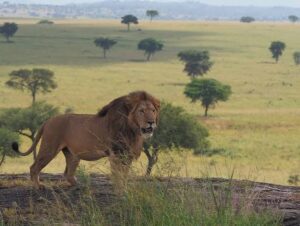
Discover the best filming locations in Kidepo Valley National Park, Uganda, including the Narus Valley, Kidepo Valley and the surrounding Karamoja region. Learn about filming permits, equipment preparation, wildlife photography, cultural filming and how to plan a successful filming safari.
Kidepo Valley National Park is one of Uganda’s most spectacular destinations for wildlife documentaries, nature photography, travel films and conservation projects. Located in the remote northeastern part of the country, the park features expansive savannah plains, rugged mountains, seasonal riverbeds and remarkable wildlife.
For filmmakers looking to capture the beauty of Africa away from heavily visited safari routes, filming in Kidepo Valley National Park offers opportunities to document lions, elephants, buffaloes, giraffes, birds and dramatic wilderness landscapes. The park also provides opportunities to explore the cultures of communities living around Karamoja, provided filming is arranged respectfully and with appropriate consent.
At Mambo Gorilla Safaris Uganda, we help travellers plan memorable wildlife and nature experiences in Uganda. Whether you are producing a wildlife documentary, capturing professional photographs or creating travel content, careful preparation can help you make the most of your Kidepo filming safari.
Why Choose Kidepo Valley National Park for Filming?
Kidepo is an outstanding destination for filmmakers seeking authentic African wilderness scenery. Its semi-arid landscapes, open grasslands and mountain backdrops provide a different visual experience from Uganda’s tropical forests.
According to the Uganda Wildlife Authority’s park guide, Kidepo supports a diverse range of mammals and more than 475 recorded bird species. The Narus Valley is particularly important for wildlife viewing, while the wider Kidepo Valley offers expansive scenery and distinctive dry-country habitats. Source: Uganda Wildlife Authority
Here are some reasons to consider filming in Kidepo:
- Diverse wildlife: Opportunities to film elephants, buffaloes, giraffes, lions and other savannah species.
- Dramatic scenery: Wide plains, rocky outcrops, mountain ranges and seasonal riverbeds.
- Bird photography: An excellent destination for recording savannah birds and birds of prey.
- Cultural storytelling: Opportunities for community-led cultural visits in the Karamoja region.
- Less-developed wilderness atmosphere: Suitable for productions looking for remote landscapes and a sense of isolation.
Wildlife sightings depend on season, animal movements, weather and the location visited. No particular species or filming encounter can be guaranteed.
Best Places for Filming in Kidepo Valley National Park
Choosing the right filming location depends on your production goals. A wildlife documentary may prioritise predator sightings, while a travel film may focus on scenery, local culture and the experience of travelling through northeastern Uganda.
1. Narus Valley: Best for Wildlife Filming
The Narus Valley is one of the main wildlife-viewing areas in Kidepo Valley National Park. During dry periods, remaining water sources attract animals, creating opportunities to observe wildlife behaviour.
Filmmakers may encounter buffaloes, elephants, giraffes, zebras, antelopes and predators during game drives.
Best filming opportunities include:
- Wide-angle shots of herds moving across the savannah.
- Telephoto footage of animals feeding or interacting naturally.
- Predator observation from a safe distance.
- Sunrise and sunset scenes across the valley.
- Birdlife around suitable wetland and grassland habitats.
Plan several game drives rather than relying on a single outing. A ranger or authorised guide can help you understand animal behaviour and locate suitable viewing areas without disturbing wildlife.
2. Kidepo Valley: Best for Landscapes and Scenic Footage
The Kidepo Valley offers a different atmosphere from the wildlife-rich Narus Valley. Its open plains, sandy riverbeds, distant mountains and distinctive vegetation provide strong visual material for landscape photography and documentary introductions.
Filming possibilities include:
- Panoramic views of the surrounding mountains.
- Establishing shots showing the scale of the wilderness.
- Seasonal riverbeds and dry-country vegetation.
- Ostriches and secretary birds, when present.
- Vehicle travel footage along authorised routes.
A guided visit towards the valley and Kanangorok Hot Springs can provide additional scenery. Check current access and ranger-guidance requirements before planning this part of your shoot.
3. Apoka and the Surrounding Savannah
The Apoka area serves as a useful base for exploring the park. Its surrounding savannah and access to established game-viewing routes make it practical for productions that need repeated outings.
Filmmakers can use the area to capture early-morning landscapes, wildlife movement and the changing colours of the savannah throughout the day.
For productions involving several cameras, consider accommodation logistics, charging facilities, memory-card storage and safe equipment transport when choosing a base.
4. Mount Morungule: Best for Mountain Backdrops
The Morungule mountain range adds dramatic scenery to Kidepo’s otherwise open landscapes. It can be valuable for documentaries that explore the geography, ecology and human history of northeastern Uganda.
Depending on access and the scope of the project, filming may include:
- Mountain silhouettes at sunrise or sunset.
- Landscapes showing the transition between mountains and plains.
- Guided hiking footage.
- Wider views of the surrounding region.
Walking or hiking activities should be planned with the relevant park authorities and guides. Do not assume that every trail or location is available for commercial filming.
5. Karamoja Communities: Best for Cultural Documentaries
The communities surrounding Kidepo offer opportunities to tell stories about pastoral life, traditions, livelihoods, local knowledge and relationships with the environment.
Community visits can be arranged around locations such as Karamojong homesteads, subject to current access arrangements and community consent. Visits involving the Ik community around Mount Morungule require particularly careful planning.
For ethical cultural filming:
- Explain your project and how the footage will be used.
- Obtain informed permission before recording identifiable people.
- Ask before filming homes, ceremonies, children or culturally sensitive activities.
- Agree on photography, interview and distribution arrangements in advance.
- Respect requests not to film, and avoid presenting people through stereotypes.
A community visit should be a respectful exchange, not simply an opportunity to collect footage.
Wildlife You Can Film in Kidepo Valley National Park
Kidepo’s wildlife is a major attraction for filmmakers. The park’s habitats support a mixture of large mammals, predators, smaller species and birds adapted to northern Uganda’s drier conditions.
Mammals and predators
Depending on the location and time of year, possible filming subjects include:
- African elephants.
- African buffaloes.
- Rothschild’s giraffes.
- Lions.
- Leopards.
- Spotted hyenas.
- Zebras.
- Jackson’s hartebeest.
- Waterbucks and other antelopes.
- Greater and lesser kudu.
- Cheetahs, which are associated with the park’s distinctive northern wildlife.
Cheetahs and other less frequently encountered species may require additional time, patience and favourable conditions. Do not plan a production around guaranteed sightings.
Birds for wildlife photography and documentaries
Kidepo is also a rewarding destination for bird filming. Possible subjects include ostriches, secretary birds, kori bustards, Abyssinian rollers and various birds of prey.
Bird photography benefits from a telephoto lens, a stable camera setup and time to observe natural behaviour. Dawn and late afternoon may provide attractive light, although actual activity varies with weather and species.
For a dedicated bird documentary, arrange your visit with an experienced birding guide and identify the species that are most important to your production before travelling.
Filming Permits and Requirements in Kidepo Valley National Park
Do you need a permit to film in Kidepo Valley National Park?
Commercial filming and certain professional productions in a national park require prior authorisation. The exact approvals depend on the type of production, the locations involved, the intended use of the footage and the equipment being brought into Uganda.
The Uganda Wildlife Authority manages Kidepo Valley National Park and should be consulted about park filming permissions, fees, conditions and any required ranger or monitoring arrangements. Media accreditation or other permissions may also apply to particular productions.
Because requirements and fees can change, confirm the current process directly with the relevant authorities before making payments or finalising travel.
1. Contact the Uganda Wildlife Authority
Start by explaining the purpose of your project and requesting the current commercial filming requirements for Kidepo Valley National Park.
Provide information about:
- Your production company or individual filmmaker details.
- The documentary, advertisement, photography project or other intended production.
- Planned filming dates and locations.
- Crew size and duration of the visit.
- Whether filming will be commercial, editorial, educational or for personal use.
- Any special requests involving drones, lighting, vehicles or restricted areas.
Do not assume that an ordinary park-entry ticket authorises commercial filming.
2. Prepare the application documents
Depending on the project, the authorities may request documents such as:
- Copies of crew members’ passports or identification.
- A production brief, synopsis or script.
- A proposed filming schedule and location list.
- A list of cameras, lenses, sound equipment and other gear.
- Details of the production company or commissioning organisation.
- An application letter and relevant application forms.
- Additional safety, insurance or logistical information.
Confirm the exact document checklist with the authority handling your application.
3. Check media accreditation requirements
Journalists and some professional film crews may need media accreditation or other authorisation separate from park filming permission.
Ask the relevant Ugandan media authority to confirm whether accreditation applies to your project, who is eligible and how to apply. Do not rely on older online fee tables, because fees and application procedures may change.
4. Obtain written approval before filming
Wait until the necessary approvals are issued. Keep copies of permits, payment receipts, agreements and identification documents accessible during your trip.
Follow any restrictions on locations, operating hours, crew numbers, equipment and filming activities. Additional permission may be necessary for filming outside the park or recording local communities.
5. Arrange customs clearance for professional equipment
If you are entering Uganda with professional filming equipment, check whether temporary importation, customs declarations or other clearance procedures apply.
Prepare an accurate equipment inventory, including serial numbers and supporting documentation where required. Confirm the process with Ugandan customs authorities or a qualified clearance agent before departure, especially if you are carrying high-value cinema cameras, drones, specialist lenses or lighting equipment.
Best Time for Filming in Kidepo Valley National Park
Kidepo can be visited throughout the year, but the best time for filming depends on your creative goals.
Dry periods: Best for access and wildlife observation
Drier conditions can make some roads and filming locations easier to access. Wildlife may concentrate around remaining water sources, particularly in the Narus Valley, which can improve opportunities to observe animals.
Potential advantages include:
- Easier movement along suitable roads.
- Clearer views across open grasslands.
- Opportunities to film animals near water.
- Less rain-related interruption on some days.
The disadvantages can include dust, strong sunlight and heat. Protect cameras, batteries and other sensitive equipment from dust and overheating.
Rainier periods: Best for greener scenery
Rain brings changes in vegetation and landscape colour. For filmmakers seeking green grasslands, dramatic skies, fresh growth and a different view of the park, wetter periods can be visually rewarding.
However, rainfall may affect road conditions and access, and animals can be more widely dispersed. Build flexibility into your itinerary and confirm current conditions before travelling.
Which months should you choose?
Rather than relying on a fixed calendar alone, ask your safari planner and park authorities about recent weather, road access and wildlife conditions for your proposed filming dates. Your choice should reflect whether your priority is animal behaviour, green scenery, birdlife, cultural storytelling or a combination of these subjects.
Essential Equipment for a Kidepo Filming Safari
The equipment you need will depend on whether you are producing a broadcast documentary, online travel video, wildlife photography project or independent film.
Consider packing the following:
- Camera bodies: Bring suitable backup equipment for important productions.
- Telephoto lenses: Useful for wildlife footage from a safe and permitted distance.
- Wide-angle lens: Ideal for sweeping landscapes and establishing shots.
- Tripod or monopod: Helps stabilise long-lens footage.
- Audio equipment: A shotgun microphone, wind protection and headphones can improve natural sound recording.
- Spare batteries: Heat, long days and limited charging access can affect power planning.
- Memory cards and storage drives: Carry enough capacity for your planned recording schedule, with secure backups.
- Dust and rain protection: Use protective covers and sealable storage.
- Cleaning kit: Useful for dust, fingerprints and changing outdoor conditions.
- Binoculars: Help locate and observe distant wildlife before setting up the camera.
- Power equipment: Confirm accommodation charging facilities and consider approved portable power solutions.
- Personal essentials: Sun protection, drinking water, suitable clothing and any necessary personal medication.
For a professional production, prepare a daily backup routine and keep duplicate copies of essential footage in separate secure locations whenever possible.
Responsible Wildlife Filming Guidelines
A successful wildlife film should capture natural behaviour without compromising animal welfare or crew safety.
Follow these principles throughout your Kidepo filming safari:
- Maintain a safe distance. Use suitable lenses instead of approaching animals for a closer shot.
- Follow ranger instructions. Park rules and wildlife conditions take priority over the production schedule.
- Never bait or harass animals. Do not use food, sounds or other methods to provoke a desired reaction.
- Avoid blocking animal movement. Keep vehicles and equipment clear of wildlife routes.
- Minimise noise and disturbance. Use quiet equipment and avoid unnecessary movement.
- Respect restricted areas. Do not leave authorised routes or enter sensitive habitats without permission.
- Obtain drone approval. Never assume drone use is permitted simply because filming permission has been granted.
- Respect local communities. Obtain consent and follow agreed conditions for interviews and cultural footage.
The best wildlife footage often comes from patience and observation rather than attempts to control what happens in the natural environment.
Sample 4-Day Kidepo Valley National Park Filming Itinerary
A four-day stay provides a useful starting point for a small wildlife and landscape production. A larger documentary or specialist project may need more time.
Day 1: Arrival and production preparation
Travel to Kidepo by your selected transport arrangement. Check into your accommodation, review the filming permissions and confirm any park procedures with the relevant authorities.
Use the remaining time, if available, to:
- Test cameras and audio equipment.
- Check batteries, storage and backup systems.
- Review the filming schedule.
- Capture approved establishing shots around your base.
Day 2: Wildlife filming in the Narus Valley
Begin with an early game drive when light conditions may be favourable. Concentrate on wildlife observation, herd movements, animal interactions and wide landscape footage.
Return later in the day for another outing if conditions and permissions allow. Keep the schedule flexible because wildlife movements are unpredictable.
Day 3: Kidepo Valley and landscape filming
Focus on open plains, seasonal riverbeds, mountain backdrops and other authorised scenic locations.
Work with your guide to identify safe filming positions and suitable viewpoints. Allow sufficient time for wide shots, close-up landscape details and natural sound recordings.
Day 4: Birdlife or community filming and departure
Depending on your production goals and prior arrangements, dedicate the final day to birdlife or a consent-based community visit.
Review your footage and confirm that files have been backed up before departure. If you need additional interviews or particular wildlife sequences, consider extending the trip rather than rushing the final shoot.
Important: This is a sample itinerary, not a guarantee of access or wildlife sightings. The final schedule must reflect permit conditions, road and weather conditions, community arrangements and transport logistics.
Where to Stay During a Kidepo Filming Safari
Accommodation is an important consideration for film crews because cameras, batteries and storage devices need secure handling and reliable daily logistics.
Options in and around Kidepo include park accommodation and safari lodges or camps in the surrounding area. Availability, facilities and current rates should be checked for your dates.
Before booking, ask about:
- Distance and travel time to planned filming locations.
- Electricity and charging arrangements.
- Secure storage for camera equipment.
- Meal times that fit early departures.
- Crew-room requirements and vehicle parking.
- Internet access, if footage needs to be transferred remotely.
- Backup arrangements if weather affects travel.
Booking early is advisable for a production with several crew members or specialised accommodation requirements.
How Much Does Filming in Kidepo Valley National Park Cost?
The total cost depends on the size and purpose of your production. There is no single price that applies to every filming safari.
Your budget may include:
- Park entry and applicable filming authorisation fees.
- Media accreditation, if required.
- Vehicle hire, fuel and a professional driver-guide.
- Accommodation and meals.
- Air travel or road transfers.
- Camera equipment transport and customs clearance, where applicable.
- Ranger or monitoring services, if required.
- Community visit arrangements and agreed filming-related costs.
- Crew insurance, contingency funds and backup storage.
Request an itemised quotation based on your actual crew size, travel dates, filming activities and equipment. Confirm current official fees before paying, as permits and tariffs may change.
How Mambo Gorilla Safaris Uganda Can Help Plan Your Trip
Planning a filming safari involves more than choosing a national park. Transport, accommodation, road conditions, filming schedules and access permissions all need to work together.
Mambo Gorilla Safaris Uganda can help you explore options for a tailor-made Uganda wildlife itinerary, including a visit to Kidepo and possible combinations with other destinations where the schedule and budget allow.
Depending on your interests, you may also consider:
- A broader wildlife itinerary through Murchison Falls National Park.
- A wildlife experience in Queen Elizabeth National Park.
- A combined wildlife and primate journey with the 10-day Uganda wildlife and primate trekking safari.
- A tailored luxury Uganda wildlife and gorilla safari if you want to combine savannah filming with a forest wildlife experience.
Commercial filming permissions must be confirmed separately with the relevant authorities. Discuss your production objectives with your safari planner early so that the itinerary can be designed around your needs.
Frequently Asked Questions About Filming in Kidepo Valley National Park
1. Do I need a filming permit for Kidepo Valley National Park?
Commercial filming and some professional productions require prior authorisation from the relevant authorities, including the Uganda Wildlife Authority for activities inside the park. Additional media accreditation or other permissions may apply. Confirm the current requirements for your specific project before travelling.
2. Can tourists take photographs in Kidepo Valley National Park?
Visitors can generally take personal photographs during their safari, subject to park rules and instructions. Commercial photography, professional shoots and productions intended for particular commercial uses may require additional permission. Ask the Uganda Wildlife Authority if your planned use is unclear.
3. What is the best location for wildlife filming in Kidepo?
The Narus Valley is one of the park’s principal wildlife-viewing areas. The Kidepo Valley is particularly valuable for scenic footage and open landscapes. The best location depends on your target species, season and filming objectives.
4. When is the best time to film wildlife in Kidepo?
Drier conditions may help with access and wildlife observation around remaining water sources. Rainier periods can produce greener scenery and dramatic skies. Choose dates according to your subject and confirm current conditions before departure.
5. Can I film lions and cheetahs in Kidepo?
Both species are associated with Kidepo’s wildlife, but sightings are never guaranteed. Allow enough time for multiple game drives and follow your ranger or guide’s advice.
6. Can I use a drone in Kidepo Valley National Park?
Do not assume that drones are permitted. Drone operations may require separate approvals and may be restricted by park regulations or aviation rules. Obtain written confirmation from the relevant authorities before bringing a drone into your filming plan.
7. Can I film the Karamojong and Ik communities?
Cultural filming may be possible when properly arranged, but permission must be obtained from the relevant people and community representatives. Explain your purpose, respect privacy and follow any agreed conditions before recording or publishing footage.
8. How many days do I need for a filming safari in Kidepo?
Four days can provide a useful starting point for a compact wildlife and landscape project. A documentary focused on specific species, behaviour or interviews may need a longer stay because wildlife activity and weather cannot be scheduled precisely.
9. What vehicle is best for filming in Kidepo?
A suitable four-wheel-drive safari vehicle is generally advisable for the region’s road conditions. Productions with large equipment loads or multiple crew members should confirm vehicle capacity, storage and access requirements in advance.
10. Can I combine Kidepo filming with gorilla trekking in Uganda?
Yes. A longer itinerary may combine Kidepo’s savannah landscapes with mountain gorilla trekking in Bwindi Impenetrable National Park. Because the destinations are far apart, allow adequate travel time and book gorilla permits separately through the appropriate authorised process.
Plan Your Kidepo Valley National Park Filming Safari
Kidepo Valley National Park offers filmmakers an opportunity to capture Uganda’s rugged wilderness, distinctive savannah wildlife, remarkable birdlife and rich regional landscapes. With thoughtful scheduling, appropriate permissions, suitable equipment and responsible filming practices, your visit can become a valuable documentary, photography or nature-film experience.
Ready to plan your Uganda filming safari? Contact Mambo Gorilla Safaris Uganda to discuss a tailored itinerary, accommodation, transport and possible wildlife experiences. Share your filming dates, crew size, preferred subjects and production requirements so your trip can be planned around your objectives.
Explore Uganda with Mambo Gorilla Safaris Uganda and discover the landscapes and wildlife that make the country a memorable destination for nature lovers and filmmakers.


