Email: info@mambogorillasafarisuganda.com | Call: +256772666331

What to Do and See in Bugoma Forest, Uganda: Top Activities and Travel Guide

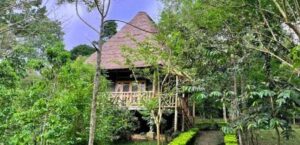
Bugoma Forest is one of Uganda’s remarkable tropical forests, offering visitors opportunities to track chimpanzees, observe monkeys, enjoy guided nature walks, watch birds and discover the importance of forest conservation. Located in western Uganda, near the Hoima and Kikuube areas, Bugoma is an excellent destination for travellers interested in primates, biodiversity and community-based ecotourism.
If you are wondering what to do and see in Bugoma Forest, you can plan a forest adventure around chimpanzee tracking, chimpanzee habituation experiences, mangabey tracking, birdwatching and guided walks through the forest. You can also learn how conservation initiatives support local communities and protect the natural environment.
At Mambo Gorilla Safaris Uganda, we help travellers explore Uganda’s wildlife and natural attractions through carefully planned safari experiences. This guide explains the best activities in Bugoma Forest, what to expect, when to visit and how to organise your trip.
Where Is Bugoma Forest Located?
Bugoma Forest is a tropical forest reserve in western Uganda, within the wider Albertine Rift landscape. It lies in the region around Hoima and Kikuube, making it a possible addition to a western Uganda itinerary.
Unlike Uganda’s better-known savannah national parks, Bugoma offers a forest environment characterised by dense vegetation, tall trees, birds, insects and several primate species.
The forest is important for biodiversity, climate regulation, watershed protection and wildlife habitat. It is also an important conservation area where tourism can help raise awareness about the need to protect Uganda’s remaining natural forests.
Travel note: Bugoma is commonly known as Bugoma Central Forest Reserve, rather than a national park. Management arrangements and visitor booking procedures have been evolving. Check the current official guidance before arranging your visit.
Top Things to Do and See in Bugoma Forest
1. Chimpanzee Tracking in Bugoma Forest
Chimpanzee tracking is one of the main reasons to visit Bugoma Forest. The experience takes visitors into the forest with authorised guides and trackers to search for chimpanzees in their natural habitat.
During the trek, you may hear chimpanzees calling through the trees before seeing them moving through the canopy or feeding in the forest. If a group is located, your guide will explain how to observe the animals responsibly and follow the applicable viewing rules.
Depending on the circumstances, you may also observe other primates, birds, butterflies and interesting forest plants.
What to expect during chimpanzee tracking:
- A briefing about forest safety and chimpanzee behaviour.
- A guided walk through forest trails.
- Opportunities to learn about primate ecology and conservation.
- Time to observe chimpanzees if they are located.
- Chances to photograph the forest and other wildlife, subject to the rules.
The length of the trek depends on where the chimpanzees are and how they move. A sighting is not guaranteed, so allow flexibility in your schedule.
For the latest information about this activity, consult the Association for Conservation of Bugoma Forest’s chimpanzee tracking information.
2. Chimpanzee Habituation Experience
Another activity to ask about is the chimpanzee habituation experience. Habituation involves helping wild chimpanzees become accustomed to the presence of researchers and authorised observers without changing their natural behaviour.
This experience may appeal to travellers who want to learn more about primate research, conservation and the process of studying chimpanzees in the wild.
However, habituation activities can have different rules, durations and availability from ordinary chimpanzee tracking. Confirm the current experience, permitted observation time, eligibility and booking arrangements before including it in your itinerary.
Visitors must follow all instructions from the authorised team and avoid disturbing the chimpanzees.
3. Guided Nature Walks in Bugoma Forest
A guided nature walk is an excellent choice for visitors who want to explore Bugoma beyond chimpanzee tracking.
Walking with a knowledgeable local guide allows you to appreciate the forest at a slower pace. You can learn about native trees, forest structure, medicinal plant knowledge where appropriately shared, animal signs and the ecological relationships that sustain this habitat.
Nature walks may reveal:
- Tall trees and dense forest vegetation.
- Monkeys moving between branches.
- Butterflies and other insects.
- Forest birds and their calls.
- Interesting plant species and natural regeneration.
- Evidence of the forest’s ecological importance.
The experience is especially rewarding for travellers who enjoy photography, nature interpretation and learning about conservation.
Choose an authorised route and follow the guide’s advice, particularly after rain when some sections may be muddy or slippery.
4. Mangabey Tracking and Monkey Watching
Bugoma Forest is known for its primate diversity, including the Uganda mangabey, a monkey associated with Uganda’s forest habitats.
Where the activity is available, guided mangabey tracking gives visitors an opportunity to search for these primates while learning about their behaviour and habitat.
Other monkeys may also be encountered during forest walks, although sightings depend on their movements and the conditions on the day.
For the best experience, move quietly, listen to your guide and give the animals enough space. Avoid feeding monkeys or attempting to attract them for photographs.
Confirm the current mangabey-tracking arrangements with the relevant forest tourism operator or authority before travelling.
5. Birdwatching in Bugoma Forest
Bugoma is an appealing destination for birdwatchers interested in forest species and the birdlife of western Uganda.
A guided birding walk can help you identify birds by their calls, colours, feeding behaviour and preferred habitats. Some birds are easier to hear than to see, especially in dense vegetation, making a local guide particularly valuable.
Birdwatching may include searching for:
- Forest-dwelling birds.
- Colourful canopy species.
- Birds feeding along forest edges.
- Raptors and other birds flying above the canopy.
- Seasonal visitors and species associated with nearby habitats.
Bird sightings vary with season, weather and time of day. If birdwatching is your main interest, arrange an early start and tell your guide which species you hope to see.
Carry binoculars, a bird guide or identification app, a camera with a suitable lens and a notebook if you record sightings.
6. Forest Photography and Nature Observation
Bugoma offers photographic opportunities for visitors interested in natural landscapes, forest textures, plants, insects, birds and primates.
Rather than focusing only on large animals, spend time observing the smaller details of the forest. Patterns of sunlight through the canopy, leaves, tree trunks, fungi and butterflies can all make compelling subjects.
Photography tips for Bugoma Forest:
- Use a camera setting suitable for low light under the canopy.
- Carry a telephoto lens for distant wildlife.
- Protect your equipment from humidity and rain.
- Bring spare batteries and memory cards.
- Avoid using flash when it may disturb wildlife.
- Never leave an authorised trail to obtain a photograph.
- Follow your guide’s instructions when photographing primates.
Always prioritise wildlife welfare and personal safety over getting a particular image.
7. Discover Forest Trees and Plant Diversity
Bugoma’s vegetation is an attraction in its own right. Guided walks can introduce visitors to the structure of a tropical forest, from the forest floor and understorey to the taller canopy.
You may learn how trees provide food and shelter for wildlife, how vegetation helps protect soils and water systems, and why preserving connected forest habitats is important for biodiversity.
Some guides may also share locally held knowledge about plants and their traditional uses. This knowledge should be treated respectfully, and sensitive information should only be shared with the permission of the people concerned.
A forest walk is a useful way to understand why protecting Bugoma matters beyond tourism alone.
8. Visit Local Communities and Learn About Conservation
Community-based tourism can add an important human dimension to a Bugoma Forest visit.
Depending on current arrangements, visitors may be able to meet local guides, learn about livelihoods connected with the forest landscape and discover how conservation projects support neighbouring communities.
The Association for Conservation of Bugoma Forest describes ecotourism as a way to create income opportunities for local people while supporting conservation initiatives. Its programmes have included training community guides and developing nature-based tourism activities.
Possible experiences, where arranged and available, include:
- Guided community visits.
- Learning about local conservation initiatives.
- Conversations with community guides.
- Discovering how sustainable tourism can support livelihoods.
- Learning about forest protection and restoration.
Ask before photographing people, homes or cultural activities. Choose visits that respect community consent and ensure that the people involved understand how their participation will be represented.
9. Learn About Bugoma Forest Conservation
Bugoma is important not only for wildlife watching but also for understanding the challenges of protecting natural habitats.
The forest provides habitat for primates, birds and other wildlife, while helping maintain ecological connections in western Uganda. Forest loss and degradation can threaten biodiversity, affect water systems and reduce the availability of suitable wildlife habitat.
During a visit, ask your guide or conservation organisation about:
- Forest restoration and tree planting.
- Wildlife monitoring.
- Community conservation initiatives.
- Responsible ecotourism.
- The challenges facing forest protection.
- How visitors can support conservation responsibly.
Uganda Wildlife Authority reported in 2026 that tourism activities were continuing alongside protection operations in Bugoma, including chimpanzee tracking, habituation experiences, mangabey tracking and guided nature walks.
For updates, visit the Uganda Wildlife Authority website.
10. Enjoy a Peaceful Forest Escape
Not every traveller visits Bugoma for a particular animal. Some come to experience the atmosphere of a tropical forest and enjoy time away from busy towns and roads.
Listening to birds, walking beneath the canopy and noticing the changing light can make a forest visit memorable even when wildlife is difficult to spot.
A relaxed nature visit can suit couples, independent travellers, photographers and small groups who enjoy outdoor experiences.
Follow the rules of your accommodation and the forest authorities, keep noise to a minimum and take all rubbish away with you.
Best Time to Visit Bugoma Forest
Bugoma can be visited at different times of the year, but the best dates depend on your interests, trail conditions and the activity you want to do.
Drier periods
Drier months can make some forest trails easier to navigate. They may be a good choice for visitors who prefer less muddy walking conditions.
Potential advantages include:
- More comfortable conditions for walking on suitable trails.
- Easier movement between accommodation and activity locations.
- Opportunities for early-morning nature walks and photography.
However, weather varies from year to year, and a dry period does not guarantee chimpanzee sightings.
Rainier periods
Rain can make the forest lush and green, providing beautiful scenery for nature photography and plant observation. It may also make trails slippery and increase the need for waterproof clothing.
Allow additional time for travel, wear appropriate footwear and check local conditions before departure.
What is the best time for chimpanzee tracking?
The best time is one that matches your travel plans and the availability of the authorised tracking experience. Ask the operator about current trail conditions, expected activity duration and the booking process for your chosen dates.
How to Get to Bugoma Forest
Bugoma Forest is in western Uganda, in the wider Hoima and Kikuube region.
Many visitors organise road transport from Kampala or combine the forest with other destinations in western Uganda. The actual travel time depends on the starting point, route, traffic, road conditions and the location of your chosen forest activity.
For a smoother journey:
- Confirm the exact entrance or activity meeting point before departure.
- Arrange suitable transport and a driver familiar with the area.
- Check road conditions and the expected travel time.
- Confirm your activity time and reporting requirements.
- Consider spending the night nearby if you have an early-morning activity.
Do not rely solely on a map pin or an old travel itinerary. Ask the activity provider for current directions and meeting instructions.
Where to Stay When Visiting Bugoma Forest
Accommodation options in the surrounding area may include forest lodges, guesthouses and other local stays, depending on your budget and travel dates.
When choosing accommodation, consider:
- Distance from the activity meeting point.
- Access to transport.
- Meal arrangements for early departures.
- Availability of electricity and charging facilities.
- Room comfort and your preferred budget.
- Whether the accommodation can help arrange authorised forest activities.
Book ahead if your trip falls during a busy travel period, and confirm whether transfers to the forest are included in the accommodation rate.
What to Pack for a Bugoma Forest Visit
The forest environment can be humid, and conditions may change during the day. Suitable clothing and equipment will make your visit more comfortable.
Recommended items include:
- Comfortable hiking shoes with good grip.
- Lightweight, long-sleeved clothing.
- A light waterproof jacket.
- Drinking water in a reusable bottle.
- Insect repellent.
- Binoculars for birdwatching and wildlife observation.
- A camera and spare batteries.
- A small daypack.
- Sun protection for exposed sections of the journey.
- Personal medication and any necessary first-aid supplies.
- A waterproof bag or cover for electronics.
Avoid carrying unnecessary items, and ask your operator whether there are restrictions on bags or equipment for your chosen activity.
Responsible Tourism Rules in Bugoma Forest
Bugoma is a sensitive natural habitat. Responsible behaviour helps protect wildlife and improves the experience for other visitors.
During your visit:
- Follow the instructions of authorised guides and rangers.
- Do not enter the forest alone or use unauthorised trails.
- Keep a respectful distance from chimpanzees and other wildlife.
- Never feed or deliberately provoke animals.
- Avoid loud noises that could disturb wildlife.
- Do not collect plants, insects or other natural materials.
- Take rubbish out of the forest.
- Ask permission before photographing local people.
- Follow the current rules for chimpanzee tracking and habituation.
- Support legitimate conservation and community tourism initiatives.
These simple practices help ensure that forest tourism contributes positively to Bugoma’s future.
Sample 2-Day Bugoma Forest Itinerary
A two-day visit can provide a useful introduction to Bugoma’s wildlife and forest environment. The final itinerary depends on activity availability and your travel arrangements.
Day 1: Arrival and guided forest experience
Travel to the Bugoma area and check into your accommodation.
Depending on your arrival time and the activities available, you may arrange a guided nature walk, birdwatching or a community-based conservation visit.
Use the afternoon to rest, prepare your equipment and confirm the next day’s activity with your guide.
Day 2: Chimpanzee tracking and departure
Start early if required by your confirmed booking. Attend the briefing and take part in the authorised chimpanzee-tracking activity.
After the experience, you may have time for a short nature walk or a discussion about forest conservation, depending on your schedule.
Depart for your next destination or return to your accommodation.
Important: This is a suggested itinerary, not a guarantee that all activities can be combined or booked on consecutive days. Confirm availability, timings and travel arrangements before finalising your plans.
Can You Combine Bugoma Forest with Other Uganda Safari Destinations?
Yes. Bugoma can be considered as part of a longer western Uganda itinerary, depending on your interests, available time and road logistics.
For example, you could combine a forest experience with wildlife viewing in Murchison Falls National Park or explore other destinations on a broader Uganda safari.
Explore these Mambo Gorilla Safaris Uganda itineraries for inspiration:
- 3 Days Murchison Falls Safari — for a wildlife and landscape experience.
- 4 Days Murchison Falls and Rhinos Safari — for a wider wildlife-focused itinerary.
- 10 Days Uganda Wildlife and Primate Trekking Safari — for travellers interested in combining different wildlife and primate experiences.
- 3 Days Gorilla Trekking in Bwindi — for visitors who want to add mountain gorilla trekking to a longer Uganda trip.
These are itinerary options for planning purposes. Check distances, activity availability and travel time before combining destinations.
Frequently Asked Questions About Bugoma Forest
1. What is Bugoma Forest famous for?
Bugoma Forest is known for its tropical forest habitat, chimpanzees, other primates, birdlife, plant diversity and conservation importance. It also offers guided nature-based activities and opportunities to learn about community conservation.
2. Can you track chimpanzees in Bugoma Forest?
Yes. Chimpanzee tracking is offered in Bugoma through authorised arrangements. Confirm current availability, booking procedures, fees and meeting instructions before travelling.
3. What other animals can I see in Bugoma Forest?
Depending on the location and conditions, visitors may encounter mangabeys and other monkeys, birds, butterflies and other forest wildlife. Sightings vary, and not every species will be seen on every visit.
4. Is Bugoma Forest good for birdwatching?
Yes. Bugoma’s forest habitat makes it an interesting destination for birdwatchers. A knowledgeable local guide can help identify birds by sight and sound. The species encountered depend on season, habitat and local conditions.
5. Can I visit Bugoma Forest without tracking chimpanzees?
Yes. Depending on current availability, alternatives may include guided nature walks, mangabey tracking, birdwatching and community-based ecotourism. Confirm which activities are operating for your intended dates.
6. How long should I spend in Bugoma Forest?
A day visit may be sufficient for one main activity if transport and booking times work well. An overnight stay can provide more flexibility for early starts and additional nature experiences. Travellers combining several activities should allow extra time.
7. Is Bugoma Forest suitable for children?
Suitability depends on the child’s age, fitness, the selected activity and the current rules of the activity provider. Ask the operator about minimum age requirements, walking conditions and safety considerations before booking.
8. Do I need to book Bugoma Forest activities in advance?
Advance arrangements are advisable, particularly for chimpanzee tracking and habituation experiences. Booking procedures can change, so confirm directly with the relevant authorised provider or authority.
9. What is the best time to visit Bugoma Forest?
The best time depends on your activity and weather preferences. Drier conditions may make walking easier, while wetter periods can produce lush vegetation and attractive scenery. Confirm current conditions before travelling.
10. How can I support Bugoma Forest conservation?
You can support conservation by following forest rules, using authorised guides, choosing responsible tourism providers, respecting local communities and learning about legitimate conservation initiatives.
Plan Your Bugoma Forest Adventure with Mambo Gorilla Safaris Uganda
Bugoma Forest offers an opportunity to experience another side of Uganda’s natural heritage. From chimpanzee tracking and mangabey observation to guided nature walks, birdwatching and community conservation, the forest provides rewarding experiences for travellers who appreciate biodiversity and responsible tourism.
Whether you are planning a short forest visit or incorporating Bugoma into a longer Uganda safari, the key is to confirm activity availability, choose suitable transport and allow enough time to enjoy the experience.
Contact Mambo Gorilla Safaris Uganda to discuss your Uganda safari plans. Share your preferred travel dates, group size, budget and interests so that a suitable itinerary can be explored.
Discover Uganda’s forests, wildlife and landscapes with a safari planned around your interests while supporting responsible travel and conservation.


