Email: info@mambogorillasafarisuganda.com | Call: +256772666331

Why Africa Is Hard to Sell as a Tourist Destination: Challenges and Solutions

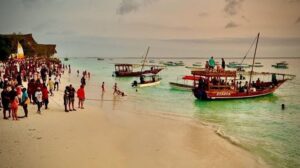
Africa is one of the world’s most diverse travel destinations, offering extraordinary wildlife, mountain gorillas, ancient cultural heritage, tropical forests, dramatic landscapes and beautiful coastlines. Yet, despite these attractions, selling Africa as a tourist destination can be challenging for travel companies, tour operators and tourism boards.
Why is Africa hard to sell? The answer goes beyond marketing. Persistent stereotypes, concerns about safety, expensive or indirect flights, complicated travel requirements, limited destination awareness and gaps in tourism infrastructure can make some travellers hesitate before booking an African holiday.
However, these challenges do not tell the whole story. Africa is a continent of many countries, cultures, landscapes and travel experiences. Uganda, for example, offers mountain gorilla trekking, chimpanzee tracking, savannah wildlife safaris, birdwatching, mountain hiking and cultural experiences within one destination.
At Mambo Gorilla Safaris Uganda, we believe that helping travellers understand what a destination genuinely offers is essential to building confidence and encouraging responsible tourism. This guide explores why Africa can be difficult to sell, the challenges facing the tourism industry and practical ways to make African travel more accessible, attractive and trustworthy.
What Does It Mean That Africa Is Hard to Sell?
The phrase “Africa is hard to sell” refers to the challenges tourism businesses face when trying to turn international interest into actual bookings.
A traveller may be interested in seeing African wildlife or visiting a mountain gorilla habitat but still hesitate because they do not know which country to choose, how much the trip will cost, what safety precautions are necessary or how to organise transport.
In other cases, potential visitors may have limited knowledge of African destinations beyond a few famous attractions. They may not realise that a trip to Uganda can combine gorilla trekking, wildlife viewing, forest walks and cultural encounters.
The challenge is therefore not simply a lack of attractions. It is the difficulty of communicating value, providing reliable information and making the entire journey straightforward to plan.
Research on Uganda’s tourism sector published by the International Labour Organization in July 2025 identified infrastructure, workforce development, institutional coordination and market connections as important areas affecting tourism growth. These challenges demonstrate why destination marketing must be supported by practical improvements to the visitor experience.
10 Reasons Why Africa Is Difficult to Sell as a Tourist Destination
1. Negative Stereotypes and Outdated Perceptions
One of the biggest challenges facing African tourism is the persistence of outdated and overly generalised perceptions.
International news coverage sometimes concentrates on conflict, poverty, disease or political instability. Although genuine challenges must be acknowledged, focusing exclusively on negative stories can create an incomplete picture of the continent.
Africa is not one uniform destination. Its 54 internationally recognised sovereign states have different political systems, cultures, landscapes, infrastructure and travel conditions.
A visitor considering a safari in Uganda should receive accurate information about Uganda, its specific destinations and current travel conditions—not assumptions based on events in an unrelated country.
How the tourism industry can respond
Tour operators and destination marketers should use authentic photography, informative travel guides, first-hand visitor experiences and accurate destination-specific advice. They should explain both the attractions and the practical considerations of visiting each location.
Honest communication builds more lasting trust than exaggerated promises or dismissing every concern.
2. Safety and Security Concerns
Safety is an important consideration when travellers choose any international destination. Some visitors may be uncertain about crime, political developments, health services, road conditions or travel advisories affecting African countries.
These concerns can influence booking decisions, particularly when travellers have limited first-hand knowledge of the destination.
However, safety conditions differ significantly between countries and regions, and they can change over time. It is inaccurate to treat the entire continent as equally safe or unsafe.
How to overcome this challenge
Tour operators should provide clear, up-to-date information about routes, accommodation, transfers, guided activities and relevant travel precautions. Travellers should consult official travel advisories and follow local guidance before departure.
In Uganda, visitors planning wildlife and primate experiences can discuss transport, accommodation and itinerary arrangements with a reputable safari operator before confirming their trip.
3. Expensive and Inconvenient Air Travel
The cost and availability of flights can make African holidays difficult to sell, especially when visitors need to connect through several airports or travel between destinations with limited direct services.
Some journeys within Africa can be surprisingly expensive relative to the distance involved. Indirect routes, limited competition on certain connections and separate national aviation systems may add time and cost.
The World Bank has identified air connectivity and transport infrastructure as important constraints on tourism development in parts of Africa.
Practical solutions include:
- Providing clear information about available arrival airports and transfer options.
- Helping travellers compare suitable flight routes.
- Designing itineraries that reduce unnecessary backtracking.
- Explaining the trade-offs between road transfers and domestic flights.
- Developing regional itineraries where connections are practical.
For Uganda, travellers may plan their arrival through Entebbe International Airport and organise road transfers to destinations such as Bwindi Impenetrable National Park, depending on their chosen itinerary.
Flight schedules and fares vary, so travellers should confirm current arrangements before booking.
4. Visa Requirements and Travel Administration
International travel can become complicated when visitors need to understand visa eligibility, passport requirements, immigration procedures and other entry conditions.
Requirements differ according to nationality and destination. Travellers combining several African countries may need to manage separate applications or confirm whether a regional visa arrangement applies to their particular journey.
The African Union and African Development Bank’s 2025 Africa Visa Openness Index highlighted continuing barriers to movement across the continent, demonstrating that cross-border travel remains an important policy issue.
How tourism businesses can help
Tour operators should provide links to official immigration websites, explain which requirements travellers need to check and encourage visitors to complete applications early.
For Uganda safaris, travellers should verify the current entry requirements through the official Uganda Directorate of Citizenship and Immigration Control.
Never assume that a visa issued by one African country automatically permits entry into another. Eligibility depends on nationality, destination and the applicable immigration rules.
5. Limited Awareness of Africa’s Diverse Attractions
Many travellers associate Africa primarily with the Serengeti, Maasai Mara, pyramids, Cape Town or a few famous beach destinations.
Although these places are internationally recognised, the continent offers a much wider range of experiences.
Uganda, for instance, is known for mountain gorillas and chimpanzees, but it also offers savannah game drives, boat trips, birdwatching, mountain climbing, crater lakes, cultural experiences and forest exploration.
Other African destinations provide deserts, historic cities, islands, archaeological sites, culinary experiences and adventure activities.
How to overcome limited destination awareness
Tourism marketers should create useful, destination-specific content that answers travellers’ questions. Detailed guides, itineraries, videos and genuine visitor stories can help potential customers understand what a destination offers and how it fits their interests.
For Mambo Gorilla Safaris Uganda, this means showing travellers that Uganda can be a complete holiday destination rather than only a place to see mountain gorillas.
6. Weak or Inconsistent Tourism Infrastructure
Tourism depends on more than beautiful scenery and wildlife. Visitors also need reliable transport, suitable accommodation, clear booking procedures, communication services and access to essential facilities.
In some destinations, poor road conditions, limited transport choices, inadequate visitor facilities or unreliable connectivity can complicate travel planning.
Uganda’s tourism-sector market analysis by the International Labour Organization also identifies infrastructure and institutional coordination as areas requiring attention.
Possible solutions include:
- Improving roads and access to major attractions.
- Investing in quality accommodation across different budgets.
- Training tourism workers and local guides.
- Strengthening visitor information services.
- Improving digital booking systems and communication.
- Encouraging sustainable investment in less-developed destinations.
Tourism development should also protect natural habitats and ensure that local communities benefit from visitor spending.
7. Unclear Pricing and Perceived High Costs
Some travellers assume that an African safari is either extremely expensive or difficult to budget for. This perception can discourage enquiries before visitors have compared the available options.
A safari quotation may include accommodation, transport, meals, park fees, guiding services and activities. In addition, international flights, visas, travel insurance and personal expenses may need to be budgeted separately.
Costs vary widely according to destination, season, accommodation level, group size and itinerary length.
How to make African safaris easier to buy
Tour operators should explain inclusions and exclusions clearly, provide itemised quotations and offer suitable alternatives for different budgets.
In Uganda, travellers can compare accommodation levels and safari styles before deciding whether to take a short gorilla trekking trip or a longer wildlife itinerary.
For example, explore Mambo Gorilla Safaris Uganda’s 3-day gorilla trekking safari in Bwindi or its 10-day wildlife and primate trekking safari.
A clear quotation helps visitors understand what they are paying for and make informed choices.
8. Limited Digital Marketing and Online Visibility
Travellers increasingly research destinations online before contacting a tour operator. If a destination or travel business has an outdated website, limited useful information or few credible reviews, potential customers may struggle to trust it.
An attractive website alone is not enough. It must answer questions, load efficiently, work well on mobile devices and make it easy for visitors to request information.
Digital marketing improvements include:
- Publishing helpful destination guides and practical travel advice.
- Using authentic photographs and videos.
- Maintaining accurate contact details and business information.
- Collecting genuine customer reviews.
- Optimising pages for relevant search terms.
- Making enquiries easy to submit and respond to promptly.
- Using social media to show real destinations and visitor experiences.
Search engine optimisation can help travel businesses reach people actively researching African holidays. However, rankings depend on competition, website quality, authority and the usefulness of the content; no business can guarantee first place on Google.
9. Fragmented Cross-Border Tourism Experiences
Africa’s geographical diversity is a major advantage, but planning a multi-country trip can sometimes be complicated.
Different countries may have different visa rules, park fees, tour regulations, currencies, transport systems and booking procedures. Travellers may need to coordinate several operators to arrange one holiday.
How to improve the experience
Tourism businesses can cooperate on practical regional itineraries, explain border-crossing arrangements and coordinate services where appropriate.
For example, a traveller may combine Uganda’s mountain gorilla trekking with wildlife viewing elsewhere in East Africa, provided the transport, visa requirements, schedule and budget are suitable.
Regional cooperation should make the holiday easier to plan without overlooking the individual requirements of each country.
10. Seasonal Challenges and Unmet Expectations
Some travellers expect wildlife sightings, perfect weather and easy access to every attraction throughout the year. When reality differs from these expectations, they may feel disappointed.
In practice, wildlife behaviour is unpredictable, rainfall can affect road conditions and some activities require advance reservations.
For example, gorilla trekking involves walking through forest terrain, and the duration depends on the location and movement of the gorilla group. Seeing wildlife is never completely guaranteed.
How to manage expectations
Tour operators should explain seasonal conditions, physical requirements, permit arrangements and realistic activity expectations before booking.
This approach helps travellers prepare appropriately and makes their experience more rewarding.
Why Uganda Is an Excellent Example of Africa’s Tourism Potential
Uganda illustrates why Africa should be marketed through its individual destinations and experiences rather than through broad generalisations.
Often called the Pearl of Africa, Uganda combines forests, mountains, lakes, wetlands, savannahs and rich cultural traditions.
Mountain Gorilla Trekking
Mountain gorilla trekking is one of Uganda’s most distinctive wildlife experiences. Visitors travel to Bwindi Impenetrable National Park or Mgahinga Gorilla National Park for guided encounters with habituated mountain gorilla groups, subject to permits and applicable rules.
Learn more about planning a gorilla trekking safari in Bwindi.
Chimpanzee Tracking
Uganda also offers opportunities to observe chimpanzees in forest habitats, including Kibale National Park and other authorised tracking locations.
Chimpanzee tracking appeals to travellers interested in primate behaviour, forest ecology and conservation.
Savannah Wildlife Safaris
Visitors can explore Uganda’s savannah parks to look for elephants, buffaloes, antelopes, giraffes, lions and many bird species.
Boat trips, game drives and guided nature experiences add variety to a wildlife itinerary.
Explore Mambo’s 3-day Queen Elizabeth National Park safari for an example of a wildlife-focused trip.
Birdwatching and Nature Experiences
Uganda’s varied habitats support diverse birdlife, making the country attractive to birdwatchers and nature photographers.
Travellers can explore forests, wetlands, lakeshores and savannah environments with guides who help identify species and understand local ecosystems.
Cultural Encounters
Cultural tourism gives visitors opportunities to learn about local traditions, food, crafts, music, history and community life.
These experiences should be arranged respectfully, with community participation and consent, and should aim to create meaningful benefits for local people.
How African Tour Operators Can Sell More Safaris
Overcoming the challenges facing African tourism requires cooperation between governments, airlines, accommodation providers, conservation organisations, tourism boards and local tour operators.
Here are practical strategies that can help businesses convert interest into bookings.
1. Sell Experiences, Not Just Destinations
Instead of simply listing a park or country, explain what visitors can do and what makes the experience distinctive.
For example, describe the combination of forest trekking, primate observation and cultural experiences available on a Uganda safari.
2. Build Trust Through Accurate Information
Publish clear details about itineraries, accommodation, transport, fees and booking conditions. Keep information updated and direct travellers to official sources for visas, permits and entry requirements.
3. Offer Flexible Safari Packages
Different customers have different budgets, interests and time constraints. A flexible range of options can help travellers find an experience that suits them.
Consider short wildlife trips, gorilla trekking packages, birdwatching holidays, family-friendly itineraries and longer multi-park safaris.
4. Use Authentic Visual Storytelling
Photographs and videos help travellers understand a destination before they visit. Use genuine images that represent the places and activities being offered.
Avoid misleading images, staged wildlife interactions or claims that suggest an encounter is guaranteed.
5. Make Booking Simple
Provide clear enquiry forms, prompt responses, transparent quotations and practical payment instructions. Explain cancellation policies and booking conditions before a customer commits.
6. Strengthen Local Partnerships
Cooperation with local guides, community tourism groups, accommodation providers and conservation organisations can improve the visitor experience while keeping more tourism benefits within destination communities.
7. Promote Responsible Tourism
Show how travellers can support conservation, respect local cultures and minimise their environmental impact. Responsible tourism should be part of the actual experience, not just a marketing slogan.
The Future of African Tourism Marketing
Africa’s tourism future depends on more than creating attractive advertising campaigns. Effective marketing must be supported by accessible travel, reliable services, clear information, responsible investment and experiences that meet visitor expectations.
Digital platforms give African tourism businesses opportunities to reach travellers directly. Regional cooperation can make multi-country holidays easier to arrange, while local storytelling can help destinations communicate their own identities and priorities.
Uganda’s tourism businesses can benefit by highlighting the country’s distinctive combination of mountain gorillas, chimpanzees, savannah wildlife, landscapes and cultural experiences.
The goal should not be to portray Africa as perfect or to ignore real challenges. It should be to help travellers understand each destination accurately, make informed decisions and experience the continent with realistic expectations.
Frequently Asked Questions About Why Africa Is Hard to Sell
1. Why is Africa difficult to market as a tourist destination?
Africa can be difficult to market because of outdated stereotypes, uneven destination awareness, travel costs, visa requirements, limited air connectivity and infrastructure gaps in some areas. The challenges differ between countries and destinations.
2. Is Africa safe for tourists?
Safety varies by country, region and current conditions. Travellers should check official travel advisories, follow local guidance and choose suitable transport and accommodation. It is not accurate to describe every African destination as equally safe or unsafe.
3. Is travelling to Africa expensive?
Costs vary considerably. Some safaris and remote destinations can be expensive because of transport, accommodation, park fees and specialised activities. Other trips can be planned at more moderate budgets by adjusting duration, accommodation and transport choices.
4. How can African countries attract more international tourists?
Countries can improve access, strengthen visitor services, simplify travel procedures where possible, invest in sustainable infrastructure, promote authentic experiences and provide reliable information to potential visitors.
5. Why should tourists visit Uganda?
Uganda offers mountain gorilla trekking, chimpanzee tracking, savannah wildlife, birdwatching, hiking, lakes and cultural experiences. Its range of habitats allows visitors to combine several activities in one itinerary.
6. What role does digital marketing play in African tourism?
Digital marketing helps destinations and tour operators reach travellers researching holidays. Useful website content, search engine optimisation, genuine reviews, accurate information and clear booking processes can improve visibility and build trust.
7. How can tourists support local communities in Africa?
Travellers can use responsible local operators, hire authorised guides, buy locally made products, respect cultural protocols and choose tourism experiences that share benefits with the communities involved.
8. Can Uganda be combined with other African destinations?
Yes. Uganda can be combined with selected East African destinations, depending on travel time, flights, border procedures, visas and budget. Each country’s current entry requirements should be checked before booking.
Plan Your Uganda Safari with Mambo Gorilla Safaris Uganda
Africa is not difficult to sell because it lacks extraordinary attractions. The challenge is ensuring that travellers can discover those attractions, access them confidently, understand their value and arrange their trips without unnecessary uncertainty.
Uganda offers an excellent opportunity to experience the continent through mountain gorillas, chimpanzees, savannah wildlife, birdlife, landscapes and cultural encounters.
At Mambo Gorilla Safaris Uganda, we help travellers explore safari options suited to their interests, available time and budget.
Whether you are planning a gorilla trekking adventure, a wildlife safari or a longer journey through Uganda, start by discussing your travel dates and preferred experiences.
Explore our Uganda wildlife and primate trekking safari or Bwindi gorilla trekking itinerary to begin planning.
Contact Mambo Gorilla Safaris Uganda to discuss your next African adventure and discover the experiences Uganda has to offer.


