Email: info@mambogorillasafarisuganda.com | Call: +256772666331

Visiting Uganda for the First Time: 15 Essential Travel Tips for a Memorable Trip

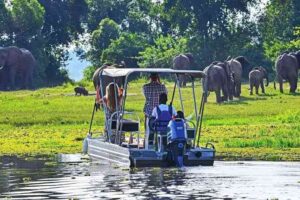
Are you visiting Uganda for the first time? Known as the Pearl of Africa, Uganda is an exciting destination for travelers seeking mountain gorilla trekking, African wildlife safaris, lush rainforests, beautiful lakes, cultural encounters and unforgettable outdoor adventures.
From tracking endangered mountain gorillas in Bwindi Impenetrable National Park to watching elephants on a game drive in Queen Elizabeth National Park, Uganda offers a remarkable range of experiences. You can also explore the Source of the Nile in Jinja, cruise along the Kazinga Channel, discover the powerful Murchison Falls and meet local communities through responsible cultural tourism.
However, planning your first trip requires more than choosing destinations. Understanding visa requirements, transport, local currency, health precautions, weather, accommodation and safari arrangements can help you travel with greater confidence.
In this guide, Mambo Gorilla Safaris Uganda shares 15 essential tips for visiting Uganda for the first time, helping you prepare for a rewarding and well-organized African adventure.
1. Check Uganda’s Visa and Entry Requirements Before Travelling
One of the first things to do when planning a trip to Uganda is to confirm whether you need a visa and which entry documents apply to your nationality.
Uganda’s Directorate of Citizenship and Immigration Control provides an official online application system for eligible visa categories. Requirements depend on the type of visa and the applicant’s circumstances. <Cite refs={[“turn724129search6″,”turn724129search7”]} />
Before departure:
- Check whether your nationality requires a visa.
- Make sure your passport meets the required validity conditions.
- Prepare your itinerary, accommodation information and other supporting documents as applicable.
- Apply through the official immigration portal when required.
- Keep your approval documents accessible during travel.
- Confirm the latest entry and transit rules with the relevant authorities and your airline.
Apply through the official Uganda e-Visa portal, and be cautious of unofficial websites charging unnecessary fees.
What about the East African Tourist Visa?
If your trip includes Uganda, Kenya and Rwanda, the East African Tourist Visa may be worth considering. It is a joint tourism visa for these three countries, subject to the applicable eligibility and entry rules. It does not cover Tanzania.
Check the current conditions, fee and application procedure on the official Uganda Immigration website before applying. <Cite refs={[“turn724129search9″,”turn724129search13”]} />
Important: Health documentation requirements can change and may depend on your travel history or transit route. Check current guidance from Uganda’s immigration and health authorities rather than relying on an old checklist.
2. Understand Uganda’s Currency and How to Pay
Uganda’s official currency is the Ugandan shilling (UGX). In major towns and cities, you may find hotels, tour operators and some businesses that accept international payment cards, but cash remains useful for many everyday transactions.
When visiting Uganda for the first time, consider these money tips:
- Carry some Ugandan shillings for small purchases, local transport and markets.
- Exchange money through reputable banks or authorized foreign-exchange bureaus.
- Inform your bank before travelling if it may block overseas card transactions.
- Check international withdrawal and transaction fees.
- Keep cash securely and avoid displaying large amounts in public.
- Ask whether your safari quotation is payable in advance and which payment methods are accepted.
Some safari prices are quoted in US dollars, particularly for international visitors. Always confirm which currency is accepted and whether bank or card fees apply.
Should you bring US dollars?
US dollars can be useful for certain tourism services, depending on the provider and the condition and acceptance of the notes. Confirm payment requirements with your tour operator before departure, and do not assume that every shop or service will accept foreign currency.
For everyday purchases, Ugandan shillings are generally the practical choice.
3. Choose the Best Time to Visit Uganda
Uganda can be visited throughout the year, but seasonal weather can influence wildlife viewing, road conditions, hiking and gorilla trekking.
The country generally experiences relatively drier periods around June to August and December to February. Wetter conditions commonly occur during other parts of the year, although rainfall patterns vary by region and year.
When is the best time for a Uganda safari?
For many visitors, the relatively drier months are convenient for game drives, hiking and gorilla trekking. Trails can be less muddy in some areas, and travel between destinations may be easier.
The wetter months can also be rewarding. Landscapes become greener, birdwatching can be excellent, and some lodges may offer different seasonal rates. However, heavy rain can affect road conditions and walking trails.
Your ideal travel period depends on your priorities:
- Gorilla trekking: Choose dates based on permit availability and your preferred itinerary.
- Wildlife safaris: Consider seasonal conditions in the national parks you plan to visit.
- Birdwatching: Discuss target species and seasonal opportunities with a specialist guide.
- Photography: Green landscapes, dramatic skies and different light conditions can be rewarding in multiple seasons.
Rather than choosing dates based only on a general dry-season recommendation, consider your destinations, activities, budget and available permits.
4. Decide Which Places to Visit in Uganda
Uganda has many attractions, but first-time visitors should choose destinations according to their available days rather than trying to cover the entire country in one trip.
Here are some of the most rewarding places to consider.
Bwindi Impenetrable National Park
Bwindi is one of the world’s most famous destinations for mountain gorilla trekking. Visitors with valid permits can join an authorized trek to search for a habituated gorilla family under the guidance of park staff.
Gorilla trekking involves walking through forest terrain, sometimes on steep and muddy trails. A reasonable level of fitness, appropriate footwear and preparation are important.
If seeing mountain gorillas is a priority, arrange your permit and accommodation early, particularly for popular travel dates.
Explore Mambo Gorilla Safaris Uganda’s 3-day gorilla trekking safari in Bwindi as a starting point for planning your visit.
Queen Elizabeth National Park
Queen Elizabeth National Park is a strong choice for travelers interested in savannah wildlife, birdwatching and scenic landscapes.
Depending on your itinerary, activities may include game drives, a boat cruise along the Kazinga Channel and chimpanzee tracking in Kyambura Gorge, subject to permits and availability.
You can find more information about Mambo’s Queen Elizabeth National Park safari.
Murchison Falls National Park
Murchison Falls National Park combines wildlife viewing with the spectacular Nile River. Visitors can enjoy game drives, boat trips and views of the falls, depending on the chosen activities and prevailing conditions.
It is a rewarding option for travelers who want to combine wildlife with dramatic natural scenery.
Consider Mambo’s 3-day Murchison Falls safari.
Lake Mburo National Park
Lake Mburo is a useful addition to a southwestern Uganda itinerary. Its attractions include zebras, impalas, giraffes, boat excursions and other nature experiences, depending on availability.
For travelers combining wildlife viewing with gorilla trekking, Lake Mburo can fit into a longer route between the Kampala region and southwestern Uganda.
Explore the Bwindi gorillas and Lake Mburo safari.
Jinja and the Source of the Nile
Jinja is known for the Source of the Nile, boat excursions and adventure activities on the river. It is a good option for travelers interested in history, scenery and outdoor experiences.
You can visit the source area, enjoy a boat trip or arrange additional activities such as white-water rafting through an appropriate operator.
How many destinations should you visit?
For a first trip of around one week, focus on a manageable combination of destinations. If gorilla trekking is essential, prioritize Bwindi or Mgahinga and select other locations that fit your route and travel time.
Remember that Uganda’s attractions are spread across the country. Driving between parks can take several hours, so allow enough time for transfers and rest.
5. Book Gorilla Trekking Permits and Popular Activities Early
If gorilla trekking is on your bucket list, do not leave permit arrangements until the last minute.
Mountain gorilla trekking takes place in designated areas of Bwindi Impenetrable National Park and Mgahinga Gorilla National Park. Visitors must follow the relevant permit and park procedures.
Before booking:
- Choose your preferred trekking destination and dates.
- Confirm permit availability for your travel period.
- Check the current permit fee and the rules that apply to your nationality or residency status.
- Coordinate your permit with accommodation and transport.
- Make sure your itinerary allows you to reach the correct park sector on time.
Permit prices and booking procedures can change, so verify current information before making payment. Your safari operator can help coordinate the arrangements, but you should request written confirmation of what has been booked.
You should also reserve accommodation and any other limited-capacity activities in advance where possible.
6. Prepare for Uganda’s Climate and Pack Appropriately
Uganda has a generally tropical climate, but conditions differ between lowland areas, forests, mountains and high-altitude destinations.
You may experience warm weather in the cities and savannah parks, cooler evenings in some regions and wet conditions in rainforest areas.
Pack according to the activities on your itinerary.
Essential items for your first Uganda trip
- Lightweight, breathable clothing.
- Comfortable walking shoes.
- Waterproof hiking boots for gorilla trekking.
- A light rain jacket.
- A hat, sunglasses and sunscreen.
- Insect repellent.
- Binoculars for wildlife viewing.
- A camera and spare batteries.
- A reusable water bottle.
- Personal medication and basic toiletries.
- A small daypack.
- Copies of important travel documents.
For gorilla trekking, long trousers, long-sleeved clothing, gloves and sturdy footwear can help protect you from vegetation and rough terrain. Follow your guide’s advice about suitable clothing and equipment.
If you plan to climb mountains or take extended hikes, ask about additional gear requirements before departure.
7. Speak to a Healthcare Professional Before Travelling
Health preparation is an important part of visiting Uganda for the first time.
Arrange a pre-travel consultation with a qualified healthcare professional or travel clinic well before your departure. Advice should be tailored to your health, travel dates, planned activities and the areas you intend to visit.
Discuss:
- Routine vaccinations and any recommended travel vaccines.
- Malaria prevention and avoiding mosquito bites.
- Food and water precautions.
- Personal medication and prescriptions.
- Travel insurance and access to medical care.
- Any health considerations related to strenuous trekking or remote destinations.
Malaria prevention is particularly important in many parts of Uganda. Use appropriate insect repellent, wear protective clothing when necessary and follow professional advice about preventive medication.
Drink safe water, practise good hand hygiene and choose food from establishments that handle and prepare it safely.
What about yellow fever vaccination?
Yellow fever documentation requirements can depend on current Ugandan entry rules, your itinerary and countries visited before arrival. Official pages and international travel advisories may not always be updated at the same time.
Check the latest requirements with Uganda’s official authorities, your airline and a qualified travel-health provider before travelling. If you already have a vaccination certificate, keep it with your other travel documents.
For current travel advice, consult the UK government’s Uganda travel guidance alongside the relevant official Ugandan sources.
8. Understand Local Customs and Cultural Etiquette
Uganda is culturally diverse, with many languages, traditions and communities. A respectful approach helps visitors enjoy more meaningful interactions.
English is widely used in tourism and official settings, while Luganda and many other local languages are spoken across the country. Learning a few greetings can be appreciated, particularly when visiting communities outside major tourist areas.
Useful etiquette tips include:
- Greet people politely before starting a conversation.
- Dress appropriately for the setting, particularly in religious or formal places.
- Ask permission before taking photographs of people.
- Respect local customs and community rules.
- Listen to your guide when visiting cultural sites.
- Avoid making assumptions about different communities.
- Support local craftspeople and small businesses where possible.
Community visits are most rewarding when they are organized respectfully and allow local people to share their culture on their own terms.
When booking a cultural experience, ask what it includes, who leads it and how local participants benefit.
9. Choose Safe and Reliable Transport
Transport planning can make a significant difference to your first Uganda experience.
For travel between national parks and remote lodges, many visitors choose a private vehicle with a driver-guide. This can simplify transfers, help coordinate activities and provide opportunities to learn about wildlife and local life along the way.
Other transport options include domestic flights on selected routes, public buses and taxis in towns and cities.
Tips for getting around Uganda
- Use a reputable safari operator for long-distance wildlife itineraries.
- Confirm pickup locations and departure times in advance.
- Allow extra time for traffic and road conditions.
- Use licensed or trusted local transport providers.
- Avoid planning long drives immediately before important timed activities.
- Ask about luggage limits if you plan to take a domestic flight.
- Follow local road-safety advice and use seat belts.
Some roads to parks and lodges may be rough, especially during wet weather. A suitable vehicle and an experienced driver can make travel more comfortable.
If you are combining several national parks, plan the route carefully instead of assuming that nearby destinations are only a short drive apart.
10. Learn About Safety Before You Arrive
Uganda offers memorable travel experiences, but visitors should stay aware of their surroundings and follow current official advice.
Travel advisories can change, and risks may vary by location. Review the latest guidance from your government before departure, especially if your itinerary includes remote areas or border regions. Recent official advisories have highlighted concerns including crime, terrorism and potential civil unrest. <Cite refs={[“turn724129search2″,”turn724129search4”]} />
Practical precautions include:
- Keep valuables secure and avoid displaying expensive items unnecessarily.
- Use trusted transport, especially at night.
- Keep copies of your passport and important documents separately from the originals.
- Follow your guide’s advice in national parks and rural areas.
- Avoid isolated areas after dark unless you have appropriate arrangements.
- Stay informed about local conditions and follow official instructions.
- Keep your accommodation and tour operator’s contact details accessible.
During wildlife activities, follow park rules and never approach, feed or attempt to touch wild animals.
Travel insurance is strongly recommended. Check that your policy covers the activities you intend to undertake, including gorilla trekking, hiking, rafting or other adventure experiences where relevant.
11. Know How to Stay Connected and Access the Internet
Mobile networks and internet access are available in many Ugandan towns and tourist areas, although coverage can be limited in remote forests, mountainous regions and some national parks.
Before travelling, check whether your mobile provider offers affordable roaming. You may also consider purchasing a local SIM or eSIM if your phone and travel arrangements support it.
Remember to:
- Confirm your phone is unlocked if you plan to use a local SIM.
- Check current registration requirements and available data bundles.
- Download maps and important booking documents before leaving major towns.
- Save emergency contacts and your accommodation details offline.
- Inform family or friends of your itinerary when travelling into remote areas.
Do not assume that you will have a strong signal throughout a gorilla trek or a remote safari. Enjoy the opportunity to disconnect when coverage is unavailable.
12. Plan Your Accommodation According to Your Itinerary
Uganda offers a variety of accommodation options, including hotels, guesthouses, safari lodges, camps and luxury properties.
The best option depends on your budget, preferred comfort level and the activities you want to enjoy.
Budget accommodation
Guesthouses and simpler lodges may suit travelers who want to control costs while spending most of their time exploring.
Mid-range lodges
Mid-range properties can offer a balance of comfort, location, meals and safari services.
Luxury lodges
Luxury lodges may provide premium rooms, scenic settings, private services and other amenities, depending on the property.
For gorilla trekking, the location of your accommodation is especially important. Bwindi has different trekking sectors, and a lodge in one area may not be convenient for a permit issued for another.
Before booking, confirm the park sector, distance to the briefing point, meal arrangements, transfer requirements and cancellation policy.
13. Understand Safari Costs and Budget Realistically
The cost of visiting Uganda varies according to trip length, accommodation, transport, season, activities and group size.
A private safari with luxury lodges will generally cost more than a simpler trip with shared services or budget accommodation. Gorilla permits and other special activities can also form a significant part of the total budget.
When comparing safari quotations, check whether the price includes:
- Airport transfers.
- Private or shared transport.
- Driver-guide services.
- Fuel and relevant transport expenses.
- Accommodation and meals.
- National park entry fees.
- Gorilla trekking or other activity permits.
- Boat trips and optional excursions.
- Taxes and other applicable charges.
Ask for a written quotation that clearly separates included services from optional extras.
The cheapest advertised price may not represent the best value if important services are excluded. On the other hand, a higher price is not automatically better, so compare the itinerary, accommodation, service standards and cancellation conditions.
Request current prices before booking rather than relying on old online figures.
14. Taste Ugandan Food and Support Local Businesses
Trying local food is one of the enjoyable parts of visiting Uganda.
Common dishes and foods include matoke, posho, beans, groundnut sauce, cassava, sweet potatoes, chapati, roasted meat and various seasonal fruits. The exact meals available depend on the region, restaurant and accommodation.
Visitors can explore local dishes at restaurants, markets and lodges. If you have food allergies or dietary requirements, communicate them clearly before ordering and when making accommodation reservations.
To support local communities, consider buying crafts from local makers, using reputable local guides and choosing responsible community tourism experiences.
Be respectful when taking photographs at markets or cultural sites, and ask before photographing individuals or their property.
15. Choose a Realistic Itinerary for Your First Visit
A well-planned itinerary gives you time to enjoy each destination without spending the entire holiday travelling between locations.
The right itinerary depends on your arrival airport, departure airport, travel dates, budget and must-see activities.
Here are three examples to help you begin planning.
Option A: 3 days — a short gorilla trekking trip
A short itinerary may focus on travelling to Bwindi, completing one gorilla trek and returning according to your flight or onward travel arrangements.
This option suits visitors with limited time, but road transfers can be long. Allow enough flexibility for delays and confirm the exact route and accommodation before booking.
Explore the 3-day gorilla trekking safari in Bwindi.
Option B: 5 days — gorillas and additional scenery
A five-day trip can allow time for gorilla trekking and additional experiences, depending on the chosen route. You may include a scenic lake, a cultural activity or another suitable destination if transfers and travel dates allow.
Avoid adding too many stops simply to increase the number of places visited.
Option C: 10 days — wildlife and primate experiences
With ten days, you may be able to combine multiple national parks and primate destinations, subject to the route and pace of travel.
A longer itinerary can provide a broader introduction to Uganda’s landscapes, wildlife and cultures.
Review Mambo Gorilla Safaris Uganda’s 10-day wildlife and primate trekking itinerary as a planning reference. Confirm the current route and inclusions before booking.
A First-Time Uganda Travel Checklist
Use this checklist before leaving home.
- Check passport validity and visa requirements.
- Confirm your visa application or entry documents where required.
- Review current travel advice and health recommendations.
- Arrange suitable travel insurance.
- Book gorilla permits and other limited-capacity activities early.
- Confirm accommodation and transfer arrangements.
- Prepare a realistic itinerary with enough time for road journeys.
- Organize payment methods and some usable local currency.
- Pack clothing and footwear suitable for your activities.
- Save booking confirmations and important contacts offline.
- Share your itinerary with someone you trust.
- Reconfirm departure times and activity arrangements before travelling.
Why Plan Your First Uganda Safari with Mambo Gorilla Safaris Uganda?
Planning your first Uganda trip can feel complicated when you need to coordinate permits, accommodation, transport and activities across several destinations.
Mambo Gorilla Safaris Uganda can help you discuss an itinerary based on your interests, available days and budget. Whether your priority is mountain gorilla trekking, wildlife game drives, scenic landscapes or a combination of experiences, a clear plan can help you make better use of your time.
When requesting a quotation, provide your preferred travel dates, number of travelers, accommodation preference and the destinations you most want to visit. Ask for a detailed itinerary and a written breakdown of what is included.
Start planning through Mambo Gorilla Safaris Uganda and discuss the best route for your first visit.
Frequently Asked Questions About Visiting Uganda for the First Time
1. Is Uganda a good destination for first-time visitors to Africa?
Uganda can be a rewarding destination for first-time visitors because it offers wildlife safaris, mountain gorilla trekking, cultural experiences, lakes, forests and adventure activities. Planning transport and accommodation in advance helps make the experience easier to manage.
2. Do I need a visa to visit Uganda?
Visa requirements depend on your nationality and travel circumstances. Check the official Uganda Immigration website to determine whether you need to apply and which visa category is appropriate.
3. What is the best time to visit Uganda?
Uganda can be visited throughout the year. The relatively drier periods around June to August and December to February are often convenient for outdoor activities, but conditions vary by region and season.
4. How many days do I need for my first Uganda safari?
Three days may be sufficient for a focused gorilla trekking trip, depending on your starting point. Five to seven days allow more flexibility, while ten days or longer can accommodate a broader wildlife and primate itinerary.
5. Is gorilla trekking suitable for beginners?
Gorilla trekking does not require specialist climbing experience, but it can involve steep, muddy and physically demanding forest trails. Prepare for walking, follow your guide’s instructions and discuss mobility concerns before booking.
6. What currency is used in Uganda?
The official currency is the Ugandan shilling. Some tourism services quote prices in US dollars, but local currency is useful for everyday purchases. Confirm accepted payment methods in advance.
7. What should I pack for Uganda?
Pack lightweight clothing, comfortable shoes, a rain jacket, insect repellent, sunscreen, binoculars and any personal medication. If you plan to trek gorillas, bring suitable hiking footwear and clothing that protects you from vegetation and wet conditions.
8. Is travel insurance necessary for Uganda?
Travel insurance is strongly recommended. Choose a policy that covers medical emergencies, evacuation where available, cancellations and the activities you plan to undertake.
9. Can I combine gorilla trekking with wildlife safaris?
Yes. You can combine gorilla trekking in Bwindi or Mgahinga with wildlife destinations such as Queen Elizabeth National Park, Murchison Falls National Park or Lake Mburo National Park. The route depends on your available time and travel preferences.
10. How can I organize my first trip to Uganda?
Start by choosing your travel dates and priority activities. Check entry requirements, book any necessary permits, arrange accommodation and transport, and build a realistic itinerary. You can contact Mambo Gorilla Safaris Uganda to discuss a customized safari plan.
Conclusion: Make Your First Visit to Uganda Unforgettable
Visiting Uganda for the first time is an opportunity to experience extraordinary wildlife, tropical forests, beautiful landscapes and welcoming cultural traditions. With thoughtful preparation, you can spend less time worrying about logistics and more time enjoying the journey.
Check entry requirements early, plan your route realistically, prepare for local conditions and book popular activities in advance. Most importantly, choose experiences that match your interests rather than trying to visit every destination in one trip.
Ready to plan your first Uganda adventure? Contact Mambo Gorilla Safaris Uganda to discuss a safari itinerary tailored to your travel dates, interests and budget.


