Email: info@mambogorillasafarisuganda.com | Call: +256772666331

Where Can I Have a Photography Safari in Uganda? 8 Best Places for Stunning Photos

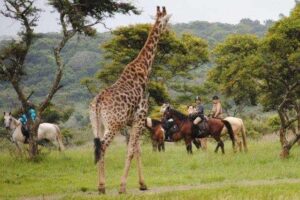
Uganda is one of Africa’s most rewarding destinations for photography safaris, offering opportunities to photograph mountain gorillas, chimpanzees, elephants, lions, colorful birds, dramatic waterfalls, tropical forests and beautiful savannah landscapes. Whether you are a professional wildlife photographer or a traveler who enjoys capturing memorable moments, a photography safari in Uganda can deliver an extraordinary variety of subjects.
From the misty rainforests of Bwindi Impenetrable National Park to the open plains of Kidepo Valley National Park, Uganda’s diverse habitats create opportunities for different styles of photography. You can photograph primates in forest environments, wildlife around water sources, birds in wetlands and landscapes shaped by mountains, rivers and lakes.
But where should you go for the best photography safari in Uganda? The answer depends on what you want to photograph, how much time you have and whether you prefer wildlife, birds, landscapes or cultural experiences.
In this guide, Mambo Gorilla Safaris Uganda explains eight of the best places for a photography safari in Uganda, what you can photograph in each destination, when to go and how to prepare your camera equipment for the best experience.
What Makes Uganda a Great Destination for a Photography Safari?
Uganda combines several different ecosystems within one country. Its protected areas include tropical rainforests, savannah grasslands, wetlands, lakes, rivers and mountain environments.
This diversity allows photographers to capture different subjects on a single extended trip. A safari might begin with elephants and giraffes on the savannah, continue with a boat excursion along the Nile and finish with a guided trek through a rainforest in search of mountain gorillas.
Uganda is particularly appealing for:
- Wildlife photography, including elephants, buffaloes, giraffes and antelopes.
- Mountain gorilla photography in Bwindi Impenetrable and Mgahinga Gorilla National Parks.
- Chimpanzee photography in suitable forest habitats.
- Bird photography in wetlands, forests and savannah landscapes.
- Landscape photography featuring waterfalls, mountains, lakes and open plains.
- Cultural photography during respectful, locally arranged experiences.
A successful photography safari is not simply about visiting as many places as possible. It involves choosing the right destinations, allowing enough time for each activity and working with a guide who understands wildlife behavior and the needs of photographers.
1. Bwindi Impenetrable National Park: Best for Mountain Gorilla Photography
Bwindi Impenetrable National Park is one of Uganda’s most famous destinations for mountain gorilla trekking. Its dense tropical rainforest, steep hills and remarkable primate life make it a major attraction for wildlife photographers.
What can you photograph in Bwindi?
The main attraction is the opportunity to photograph habituated mountain gorilla families during an authorized trek. Depending on the encounter, you may capture images of gorillas feeding, resting, grooming, interacting with their young or moving through the forest.
Bwindi also supports many other forest species and birds, making it interesting for photographers who appreciate rainforest biodiversity.
The forest environment creates a different photographic challenge from the open savannah. Light can be limited beneath the canopy, vegetation may obscure your subject and rain can occur unexpectedly.
Photography tips for Bwindi
- Use a camera that performs well at higher ISO settings.
- Consider a fast lens that allows more light into the camera.
- Carry a rain cover for your camera and lens.
- Use a secure, comfortable camera strap.
- Practise photographing moving subjects before your trek.
- Follow the guide’s instructions and maintain the required distance from gorillas.
Gorilla trekking is regulated, and visitors must hold the appropriate permit. Confirm current photography rules, permit arrangements and any restrictions on equipment before travelling. Flash photography should not be used unless expressly permitted by the relevant authorities.
If gorillas are your main photography priority, allow enough time to reach the correct trekking sector and avoid scheduling your arrival too close to the trek briefing.
Mambo Gorilla Safaris Uganda can help you plan your visit around its 3-day gorilla trekking safari in Bwindi.
2. Queen Elizabeth National Park: Best for Savannah Wildlife Photography
Queen Elizabeth National Park is an excellent choice for photographers interested in classic African wildlife and varied landscapes.
Its savannah, woodland, wetlands and lakeside environments support many wildlife species. Game drives and boat excursions offer different ways to photograph the park.
What can you photograph in Queen Elizabeth National Park?
Depending on where you travel and the animals encountered, subjects may include:
- African elephants.
- Buffaloes and antelopes.
- Lions and other predators.
- Hippopotamuses and waterbirds.
- Wildlife around the Kazinga Channel.
- Tree-climbing lions in the Ishasha sector, although sightings are never guaranteed.
- Open savannah landscapes and dramatic skies.
The Kazinga Channel boat cruise can be particularly rewarding because it provides opportunities to photograph wildlife and birds along the shoreline from a different perspective.
Photography tips for Queen Elizabeth
A telephoto lens is useful for photographing distant animals without approaching them. For boat excursions, keep your equipment secure and use a protective bag when splashes are possible.
Early morning and late afternoon often provide softer light than the middle of the day. However, good images can be captured at different times depending on weather, animal behavior and the direction of the light.
If you want a combination of wildlife portraits, landscapes and birds, consider spending more than one day in the park.
Explore Mambo Gorilla Safaris Uganda’s Queen Elizabeth National Park safari when planning your photography trip.
3. Murchison Falls National Park: Best for Wildlife and Waterfall Photography
Murchison Falls National Park offers a combination of wildlife photography and dramatic scenery. The Nile flows through the park, creating opportunities to photograph animals, river landscapes and the famous waterfall.
What can you photograph at Murchison Falls?
Possible subjects include elephants, giraffes, buffaloes, antelopes, birds and other wildlife encountered during game drives.
A boat trip on the Nile can provide opportunities to photograph hippos, crocodiles, waterbirds and animals visiting the riverbanks.
The waterfall itself is another major attraction. The river forces its way through a narrow rocky gorge before continuing downstream, creating a powerful landscape photography subject.
Tips for photographing Murchison Falls
- Use a telephoto lens for wildlife and birds.
- Consider a wide-angle lens for the waterfall and broader landscapes.
- Protect your camera from water spray during river excursions.
- Bring spare batteries and memory cards.
- Use a secure camera bag when boarding boats.
- Allow time for both game drives and landscape photography.
If you enjoy photographing wildlife in open environments and capturing dramatic natural features, Murchison Falls is a strong addition to a Uganda photography itinerary.
You can review Mambo’s 3-day Murchison Falls safari when planning your visit.
4. Kidepo Valley National Park: Best for Remote Wilderness Photography
Kidepo Valley National Park, in northeastern Uganda, is known for its expansive landscapes, rugged mountain scenery and distinctive wilderness atmosphere.
For photographers looking for a less conventional safari setting, Kidepo offers a different visual experience from the forested southwest. Its broad valleys, rocky hills, grasslands and changing light can create memorable wildlife and landscape photographs.
What can you photograph in Kidepo?
Possible subjects include:
- Elephants and buffaloes.
- Giraffes and antelopes.
- Lions and other predators, depending on sightings.
- Birds of the savannah and dry-country habitats.
- Mountain silhouettes and expansive plains.
- Seasonal river channels and distinctive landscapes.
Wildlife sightings depend on location, season and animal movements. Kidepo is particularly appealing to photographers who want to combine wildlife portraits with images that show animals in their natural environment.
Photography tips for Kidepo
The park’s open landscapes can provide excellent opportunities for photographs that include the surrounding scenery. Rather than filling every frame with an animal, experiment with wider compositions that show the scale of the valley.
A telephoto lens remains useful for wildlife, while a wide-angle lens can capture sweeping landscapes. Bring sufficient water, sun protection and equipment protection for dusty conditions.
Kidepo is remote compared with some other Uganda destinations, so allow adequate time for road travel and arrange accommodation and activities in advance.
5. Kibale National Park: Best for Chimpanzee and Forest Photography
Kibale National Park is a major destination for chimpanzee tracking and forest biodiversity. It is especially attractive to photographers who enjoy photographing primates in a natural rainforest environment.
What can you photograph in Kibale?
The main attraction is the opportunity to observe chimpanzees during an authorized tracking experience. Depending on the encounter, you may photograph them feeding, moving through the forest, interacting or resting.
The forest also offers opportunities to photograph other primates, plants, insects and birds.
Photographing chimpanzees requires patience because they can move quickly through vegetation and may be difficult to see clearly. Your guide can help you follow the activity while respecting wildlife rules.
Tips for chimpanzee photography
- Use a lens suitable for forest wildlife.
- Choose camera settings that can accommodate movement and changing light.
- Avoid changing lenses in wet or dusty conditions when possible.
- Follow all instructions from the tracking guide.
- Confirm camera restrictions and permit requirements before the visit.
As with gorilla trekking, the priority is a responsible wildlife encounter rather than getting physically closer for a photograph.
Kibale can be combined with other destinations in western Uganda for travelers who want a broader primate and wildlife photography itinerary.
6. Mgahinga Gorilla National Park: Best for Gorillas, Golden Monkeys and Volcano Landscapes
Mgahinga Gorilla National Park lies in southwestern Uganda within the Virunga volcanic region. It offers forested slopes, striking mountain scenery and opportunities for authorized primate-tracking experiences.
For photographers, Mgahinga provides a chance to combine wildlife images with dramatic landscape compositions.
What can you photograph in Mgahinga?
Depending on your chosen activity and what you encounter, photographic subjects may include mountain gorillas, golden monkeys, forest birds, vegetation and the volcanic landscape.
Golden monkey tracking is particularly appealing to photographers who enjoy capturing primates in motion. These active monkeys can move quickly through vegetation, so a camera that focuses reliably on moving subjects can be helpful.
The park’s mountainous setting also offers opportunities for landscape photography when visibility and weather conditions cooperate.
Photography tips for Mgahinga
- Pack clothing suitable for cool, wet forest conditions.
- Use a camera setup that is comfortable to carry while walking.
- Bring a protective cover for rain and moisture.
- Allow time for the trek rather than rushing to capture images.
- Confirm which permits and activity rules apply to your selected experience.
Mgahinga is a good option for travelers who want primate photography and a mountain environment in one destination.
7. Lake Mburo National Park: Best for Zebras, Giraffes and Accessible Wildlife Photography
Lake Mburo National Park is a rewarding stop for wildlife photographers, especially those interested in zebras, impalas, giraffes, birds and open landscapes.
Its combination of savannah, woodland, wetlands and lake scenery creates opportunities for different styles of photography within a relatively compact park.
What can you photograph at Lake Mburo?
Depending on wildlife movements, you may photograph zebras grazing in open grassland, giraffes browsing among trees, antelopes in the savannah and birds around the lake and wetland habitats.
A boat excursion can provide another perspective on the landscape and opportunities to photograph waterbirds and hippos.
Photography tips for Lake Mburo
Use early morning or late afternoon for softer light where possible. A medium telephoto lens can be useful for wildlife, while a wider lens can capture animals within their surroundings.
If you enjoy bird photography, bring binoculars alongside your camera. They help you locate birds before attempting to photograph them.
Lake Mburo is also a convenient destination to consider on a route between the Kampala region and southwestern Uganda, depending on your itinerary.
For travelers combining wildlife photography with gorilla trekking, consider Mambo’s Bwindi gorillas and Lake Mburo safari.
8. Mabamba Wetland and Other Birding Areas: Best for Bird Photography
Uganda is an appealing destination for bird photographers because it contains many different habitats, from wetlands and lakeshores to forests and open grasslands.
Mabamba Wetland, near Lake Victoria, is particularly well known among birdwatchers for opportunities to search for the shoebill. Sightings are not guaranteed, and visitors should arrange a responsible boat excursion with a knowledgeable local guide.
Other bird photography opportunities can be found in national parks and forest areas throughout the country, including Bwindi, Kibale, Queen Elizabeth and Murchison Falls.
Bird photography tips
- Use a telephoto lens suited to birds.
- Learn how to use continuous autofocus for moving subjects.
- Practise keeping your camera steady at longer focal lengths.
- Bring binoculars to locate birds.
- Wear neutral-colored clothing when appropriate.
- Avoid disturbing birds or damaging their habitats.
- Follow your guide’s instructions and stay on permitted routes.
Bird photography often requires patience. A guide who knows the habitat and bird behavior can make a major difference to your experience.
What Is the Best Time for a Photography Safari in Uganda?
Uganda can be visited throughout the year, but seasonal weather and local conditions influence photography opportunities.
The relatively drier periods around June to August and December to February are often convenient for wildlife safaris and outdoor activities. However, rainfall varies between regions and years, and wildlife sightings are never guaranteed.
Photography during drier periods
Drier conditions can make some roads and walking trails easier to navigate. In savannah parks, changing vegetation and animal movements may influence where wildlife is encountered.
Photography during wetter periods
Rain can create lush landscapes, dramatic skies and attractive forest conditions. It can also make some tracks muddy and increase the need to protect camera equipment from moisture.
Best time of day for wildlife photography
Early morning and late afternoon often provide softer, more flattering light than the midday sun. These periods can also offer opportunities to photograph wildlife when it is active.
Nevertheless, the best time depends on your subject, the weather, available activities and the direction of the light.
For gorilla and chimpanzee photography, the timing of your authorized tracking activity and the forest conditions will determine the photographic opportunities.
Essential Camera Equipment for a Uganda Photography Safari
You do not need the most expensive camera to enjoy a photography safari in Uganda. The right equipment depends on your subjects, experience and budget.
Consider packing the following:
Camera body: A camera that performs reliably in low light and can focus quickly on moving subjects.
Telephoto lens: Useful for wildlife, birds and subjects that must be photographed from a respectful distance.
Wide-angle lens: Helpful for waterfalls, mountains, landscapes and wildlife within its environment.
Fast lens: Useful in shaded forest environments where light can be limited.
Spare batteries: Photography activities may last several hours, and charging opportunities can be limited in remote locations.
Memory cards: Carry enough storage for high-resolution photographs and video.
Rain and dust protection: Use suitable covers and a secure camera bag.
Binoculars: Helpful for locating birds and distant wildlife before taking photographs.
Cleaning supplies: A microfiber cloth and appropriate lens-cleaning equipment can help remove dust and moisture.
Comfortable camera strap or harness: Important for long game drives, walks and trekking activities.
A tripod or monopod may be useful for some landscape or bird photography, but large equipment can be inconvenient during forest treks. Confirm equipment rules with the relevant park authority or tour operator before packing bulky accessories.
How to Photograph Wildlife Responsibly in Uganda
Good wildlife photography should not come at the expense of animal welfare or visitor safety.
Follow these principles throughout your photography safari:
- Maintain the required distance from wild animals.
- Never attempt to attract wildlife with food or sounds.
- Do not pressure a guide to approach animals too closely.
- Avoid blocking animals’ movement or separating them from their group.
- Follow instructions from rangers and authorized guides.
- Respect camera, flash and equipment restrictions.
- Avoid damaging vegetation to improve a photograph.
- Ask permission before photographing people or private property.
For gorilla trekking, chimpanzee tracking and other regulated activities, confirm current permit conditions and photography rules before travel. Do not assume that rules for one park or species automatically apply to another.
Responsible photography helps protect wildlife and supports the long-term value of Uganda’s natural attractions.
Suggested 10-Day Photography Safari in Uganda
A 10-day itinerary can combine several different photographic environments. The route below is an example for planning purposes; it must be adjusted according to travel dates, permit availability, road conditions and the time needed at each destination.
Days 1–2: Murchison Falls National Park
Explore wildlife photography through game drives and, if arranged, a boat excursion on the Nile. Allow time for waterfall and landscape photography.
Days 3–4: Kibale National Park
Focus on forest photography and an authorized chimpanzee tracking experience. Add birdwatching if time permits.
Days 5–6: Queen Elizabeth National Park
Photograph savannah wildlife, birds and landscapes. Consider a Kazinga Channel boat cruise.
Days 7–8: Bwindi Impenetrable National Park
Take part in an authorized gorilla trek and photograph the forest environment. Confirm your permit sector and accommodation before finalizing the route.
Day 9: Lake Mburo National Park
Look for zebras, giraffes, antelopes and birds. Use the time to capture wildlife in open landscapes.
Day 10: Return journey
Allow for the road journey and your onward travel arrangements.
This itinerary is ambitious because the destinations are spread across Uganda. For more time at each location, consider a longer trip or select three or four priority destinations instead of trying to cover every park.
If your main interests are gorillas and forest photography, prioritize Bwindi and Mgahinga. If you prefer birds, waterfalls and savannah wildlife, build your route around suitable parks and wetlands.
How Much Does a Photography Safari in Uganda Cost?
The cost of a photography safari in Uganda varies according to trip length, accommodation, transport, group size, permits and the activities included.
A private photography safari may cost more than a standard group trip because it can require additional flexibility, longer stops and a vehicle arranged around the photographer’s needs.
Your quotation may include:
- Private safari transport and a driver-guide.
- Accommodation and meals.
- National park entry fees.
- Gorilla or chimpanzee permits where applicable.
- Boat excursions and other selected activities.
- Guide services and relevant transfers.
- Additional photography arrangements, if agreed.
Specialized photography guiding, extended stays at particular locations or dedicated filming requirements may involve additional costs.
Ask for a written quotation that lists inclusions, exclusions, cancellation conditions and any extra charges. Check current park fees and permit costs before confirming your booking, as prices and regulations can change.
Why Book Your Photography Safari with Mambo Gorilla Safaris Uganda?
A successful photography safari requires more than transport between national parks. You need a practical itinerary, sufficient time for activities, suitable accommodation and a clear understanding of the photography opportunities at each destination.
Mambo Gorilla Safaris Uganda can help you plan a trip around your preferred subjects, whether you want to photograph mountain gorillas, chimpanzees, savannah wildlife, birds or landscapes.
When requesting a quotation, share:
- Your travel dates and total number of days.
- The animals or landscapes you most want to photograph.
- Your preferred accommodation level.
- Your group size.
- Whether you need gorilla or chimpanzee trekking permits.
- Any special requirements for camera equipment or photography time.
This information helps you compare possible routes and select destinations that match your goals.
Explore the Mambo Gorilla Safaris Uganda website to start planning your photography adventure.
Frequently Asked Questions About Photography Safaris in Uganda
1. Where is the best place for a photography safari in Uganda?
The best destination depends on your subject. Bwindi and Mgahinga are important options for mountain gorilla photography; Queen Elizabeth and Murchison Falls are strong choices for savannah wildlife; Kidepo offers remote landscapes; Kibale is popular for chimpanzee tracking; and wetlands such as Mabamba are worth considering for bird photography.
2. Can I photograph mountain gorillas in Uganda?
Yes, visitors can photograph mountain gorillas during an authorized trekking experience, subject to current permit conditions and park rules. Confirm photography restrictions and follow the guide’s instructions.
3. What camera is best for a Uganda wildlife photography safari?
A camera with reliable autofocus and good performance in changing light is useful. A telephoto lens is valuable for wildlife, while a wide-angle lens helps capture landscapes. The best setup depends on your budget and subjects.
4. What is the best month for wildlife photography in Uganda?
There is no single best month for every subject. The relatively drier periods around June to August and December to February can be convenient for many outdoor activities, while wetter periods can offer lush scenery. Conditions vary between destinations and years.
5. Can I photograph chimpanzees in Uganda?
Yes. Authorized chimpanzee tracking experiences in places such as Kibale National Park can provide opportunities to photograph chimpanzees. Follow the current activity rules and maintain a respectful distance.
6. Is Uganda good for bird photography?
Yes. Uganda’s wetlands, forests, lakeshores and savannahs offer diverse bird habitats. Mabamba Wetland and several national parks are useful places to consider, depending on your target species.
7. How many days do I need for a photography safari in Uganda?
Five to seven days can work well for a focused trip to a few destinations. Ten days or longer provides more flexibility for combining forests, savannah parks, wetlands and landscapes. Allow enough time for road transfers and individual activities.
8. Can I use a flash when photographing gorillas?
Do not assume flash is permitted. Confirm the current rules with the responsible park authority before trekking and follow all instructions from rangers and guides.
9. Can a beginner enjoy a photography safari in Uganda?
Absolutely. A beginner can enjoy photographing wildlife and landscapes with a smartphone or basic camera. Learning to anticipate movement, use available light and compose images thoughtfully can improve results regardless of equipment.
10. Can Mambo Gorilla Safaris Uganda arrange a customized photography safari?
You can contact Mambo Gorilla Safaris Uganda to discuss a customized itinerary. Share your preferred destinations, dates, photographic interests and budget so the route can be planned around your needs.
Conclusion: Plan Your Uganda Photography Safari
Uganda offers remarkable opportunities for photography, from mountain gorillas in rainforest habitats to elephants and lions on the savannah, colorful birds in wetlands and dramatic landscapes shaped by rivers and mountains.
The best photography safari in Uganda is the one designed around your interests. Choose destinations that match your subjects, allow enough time for each activity, prepare suitable camera equipment and respect wildlife rules.
Whether you are a first-time visitor or an experienced wildlife photographer, careful planning can help you make the most of your time in Uganda.
Contact Mambo Gorilla Safaris Uganda to plan a photography safari tailored to your preferred wildlife, landscapes, travel dates and budget.


