Email: info@mambogorillasafarisuganda.com | Call: +256772666331

7 Disadvantages of Gorilla Tourism and How to Reduce Them

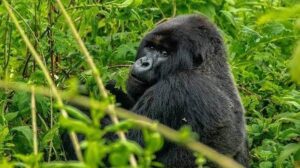
Gorilla tourism is one of the most important wildlife experiences in East Africa. Every year, travellers visit destinations such as Bwindi Impenetrable National Park and Mgahinga Gorilla National Park in Uganda, as well as Volcanoes National Park in Rwanda, to observe endangered mountain gorillas in their natural habitats.
Gorilla trekking creates opportunities for conservation funding, employment and community development. However, despite these benefits, there are also disadvantages of gorilla tourism that travellers, conservation organisations and local communities need to understand.
The main challenges include the risk of transmitting human diseases to gorillas, disturbance to their natural behaviour, pressure on forest habitats, unequal distribution of tourism income and the high costs associated with gorilla trekking. If these challenges are not managed responsibly, tourism can create risks for the very animals and communities it is intended to support.
In this guide, Mambo Gorilla Safaris Uganda explains the major disadvantages of gorilla tourism, how they affect wildlife and local people, and what can be done to make gorilla trekking more sustainable.
What Is Gorilla Tourism?
Gorilla tourism refers to organised travel experiences that allow visitors to observe mountain gorillas and, in some destinations, other gorilla species in protected natural habitats.
In Uganda, mountain gorilla trekking takes place in Bwindi Impenetrable National Park and Mgahinga Gorilla National Park. Rwanda offers gorilla trekking in Volcanoes National Park.
Visitors normally obtain permits, attend a briefing and trek with authorised guides and rangers to locate a habituated gorilla family. The experience is regulated to limit disturbance and protect the animals.
Although this form of tourism helps support conservation, it brings people into close proximity with endangered wildlife. This creates responsibilities for tourism operators, park authorities and visitors.
1. Risk of Disease Transmission from Humans to Gorillas
One of the most serious disadvantages of gorilla tourism is the risk of transmitting infectious diseases from humans to mountain gorillas.
Gorillas are closely related to humans and can be vulnerable to some of the same respiratory infections and other pathogens. An illness that causes relatively mild symptoms in a person can potentially have serious consequences for a gorilla.
Research conducted in Bwindi has highlighted concerns about visitors failing to maintain the required distance from gorillas during encounters. Disease prevention is therefore an essential part of responsible gorilla tourism.
How does tourism increase disease risks?
Visitors, guides, trackers and other people entering gorilla habitats may introduce pathogens through close contact. Risks can increase when visitors trek while unwell, ignore ranger instructions or approach animals too closely.
How can this disadvantage be reduced?
- Do not participate in a gorilla trek when you are ill; seek advice from your operator about the applicable rules.
- Follow all health-screening and hygiene instructions.
- Maintain the distance required by the relevant park authority.
- Never touch gorillas or attempt to attract their attention.
- Follow current rules on masks and other health precautions.
- Respect restrictions imposed by rangers to protect the gorillas.
The Uganda Wildlife Authority provides official information about gorilla tracking in Uganda. Visitors should check the latest rules before travelling.
2. Stress and Changes in Natural Gorilla Behaviour
Another disadvantage of gorilla tourism is the possibility that repeated human encounters can affect gorilla behaviour.
Mountain gorillas live in family groups with complex social relationships. They feed, rest, groom, care for their young and move through the forest according to their needs. The presence of tourists may sometimes interrupt these activities.
Research published in the Journal of Ecotourism examined tourist visits to mountain gorillas in Bwindi and found changes in several behavioural indicators during encounters. This highlights the importance of keeping a respectful distance and following viewing rules.
What behavioural changes may occur?
Depending on the circumstances, human presence may contribute to:
- Interruptions to feeding or resting.
- Increased vigilance towards visitors.
- Changes in social interactions.
- Avoidance or movement away from people.
- Signs of discomfort or stress in some encounters.
These effects are not identical in every gorilla group or every visit. Nevertheless, they demonstrate why tourism must be carefully controlled.
How can the impact be reduced?
Visitors should remain calm, avoid sudden movements, speak quietly and follow their ranger’s instructions. They should never chase a gorilla, surround an animal or try to obtain a closer photograph.
Responsible tourism means allowing gorillas to behave naturally rather than treating wildlife encounters as performances for visitors.
3. Unequal Distribution of Tourism Benefits
Gorilla tourism can generate income for national parks, safari operators, accommodation providers, guides, porters, transport companies and surrounding communities. However, the benefits may not reach everyone equally.
Some businesses and individuals have more opportunities to earn money from tourism because of their location, access to capital, education, business connections or employment opportunities.
Other residents may experience the restrictions associated with living near a protected forest without receiving comparable economic benefits.
Research on gorilla tracking at Bwindi has identified inequalities in how tourism benefits and conservation costs are distributed among local residents.
Why is unequal benefit distribution a problem?
When local people feel excluded from tourism income, they may consider conservation unfair. This can weaken trust between communities, tourism businesses and protected-area managers.
The issue is not simply how much money tourism generates, but who receives it and whether the benefits meaningfully address local needs.
How can this disadvantage be reduced?
Tourism operators and conservation organisations can help by:
- Employing local guides, trackers, drivers and porters where appropriate.
- Buying food, crafts and services from local suppliers.
- Supporting locally owned accommodation and community tourism.
- Providing fair payment and transparent working conditions.
- Encouraging inclusive participation in tourism planning.
- Explaining how conservation and tourism revenue-sharing programmes operate.
For visitors, choosing responsible operators and purchasing legitimate local services can help spread the benefits of their trip.
4. High Costs Can Limit Access to Gorilla Trekking
Gorilla trekking can be expensive compared with some other wildlife activities. Travellers may need to pay for a permit, accommodation, transport, meals, guiding services and international travel.
The cost can be especially challenging for budget travellers, local residents and families travelling together.
Permit fees are an important part of the regulated tourism system, but the total expense of reaching remote gorilla destinations can make the experience inaccessible to many people.
Why can gorilla tourism be expensive?
The overall cost may include:
- Gorilla trekking permits.
- Transport to Bwindi, Mgahinga or Volcanoes National Park.
- Accommodation near the trekking sector.
- Meals and drinking water.
- Safari guide and vehicle services.
- Porters and optional support services.
- Flights, visas and travel insurance where applicable.
Prices vary by country, visitor category, travel season, accommodation and itinerary. Visitors should verify current permit fees with the relevant authority or a properly licensed operator.
How can the financial barrier be reduced?
Travellers can compare accommodation categories, share transport where practical, book early and select an itinerary that matches their budget.
Responsible operators should provide clear quotations showing what is included and excluded, rather than advertising an unusually low headline price that leaves important costs undisclosed.
Although the high cost of gorilla trekking is a disadvantage for some travellers, permit revenue can also support conservation and protected-area management.
5. Pressure on Gorilla Habitats and Forest Ecosystems
Gorilla trekking takes place in sensitive forest environments. While tourism can create incentives to protect these habitats, poorly managed visitor activity and supporting infrastructure may add pressure to the surrounding ecosystem.
Potential concerns include trail erosion, disturbance to vegetation, litter, noise and the environmental footprint of accommodation and transport.
These effects depend on the scale of tourism, site conditions and how well visitors and operators follow conservation requirements.
How can tourism affect the environment?
Repeated foot traffic may damage sections of a trail, particularly on steep or wet slopes. Waste can pollute natural surroundings if it is not managed properly. Poorly planned infrastructure may also place pressure on forest edges or other sensitive areas.
The wider environmental footprint of a safari can include vehicle emissions, energy use, water consumption and waste generated by accommodation.
How can these impacts be reduced?
- Stay on authorised trails.
- Carry rubbish out of the forest and dispose of it appropriately.
- Avoid disturbing plants, insects and other wildlife.
- Choose accommodation with responsible waste and water management.
- Follow rules on noise and group behaviour.
- Support tourism providers that take environmental protection seriously.
Well-managed tourism can help make forest conservation economically valuable, but tourism facilities and activities must remain compatible with the protection of wildlife habitats.
6. Gorilla Tourism Can Create Dependence on a Single Industry
Some businesses and households around gorilla trekking destinations rely heavily on tourism for income. This can create economic vulnerability when visitor numbers decline.
Travel demand can be affected by global economic conditions, disease outbreaks, transport disruptions, security concerns, natural disasters or changes in travel restrictions.
When tourism income falls, guides, porters, lodge workers, drivers, craft sellers and other service providers may experience sudden financial difficulties.
Why is economic dependence a disadvantage?
Communities that depend heavily on one source of income may have few alternatives during a downturn. Businesses can face reduced revenue even when their operating costs remain high.
A destination that depends too heavily on gorilla permits may also overlook other sustainable economic opportunities.
How can communities become more resilient?
Diversifying tourism products can help spread income across different activities and locations.
Possible options include:
- Guided village walks and cultural experiences.
- Birdwatching and nature walks where permitted.
- Local craft production and sales.
- Community-owned accommodation.
- Agricultural enterprises supplying local lodges.
- Other wildlife and nature-based tourism experiences.
These activities should be developed with community participation and respect for local priorities. They should complement, rather than undermine, conservation goals.
7. Cultural Pressure and Unrealistic Visitor Expectations
Gorilla tourism can encourage cultural exchange and create opportunities for local enterprises. However, tourism may also create pressure when communities feel expected to perform cultural activities for visitors or when their daily lives are treated as tourist attractions.
Some travellers may arrive with unrealistic expectations about what they will see or how local people should behave. Others may take photographs of residents without asking permission or make assumptions about local traditions.
These problems are not inevitable, but they require care and respect.
How can cultural impacts be reduced?
- Ask permission before photographing people.
- Use community-led cultural experiences.
- Respect local customs, privacy and religious or cultural practices.
- Pay fairly for guided activities and locally made products.
- Avoid treating people as props for photographs.
- Allow communities to decide how their culture is presented to visitors.
Responsible cultural tourism should give residents control over their participation and provide fair opportunities to benefit economically.
Are the Disadvantages of Gorilla Tourism Greater Than the Benefits?
The disadvantages of gorilla tourism are important, but they do not mean that all gorilla tourism is harmful.
Regulated gorilla trekking can generate conservation revenue, create employment and encourage protection of mountain gorillas and their forest habitats. Uganda Wildlife Authority’s community revenue-sharing initiatives are one example of efforts to connect tourism with local development.
In June 2025, the Uganda Wildlife Authority announced a disbursement of approximately UGX 2.198 billion in revenue-sharing funds for communities around the Bwindi-Mgahinga Conservation Area. The funds were intended to support local development and strengthen community participation in conservation.
However, tourism income alone does not guarantee that every household benefits or that all environmental and animal-welfare risks disappear.
The central challenge is to maintain a balance between tourism, gorilla welfare, forest protection and the needs of communities living near protected areas.
When visitor rules are enforced, benefits are distributed fairly and conservation remains the priority, tourism can be an important part of gorilla protection.
How Can Tourists Practise Responsible Gorilla Trekking?
Visitors can help reduce the disadvantages of gorilla tourism by making thoughtful choices before and during their trip.
Before the trek
- Book through a legitimate, appropriately licensed operator.
- Check the permit requirements and current trekking rules.
- Choose an itinerary that allows sufficient time and avoids unnecessary pressure on the destination.
- Learn about gorilla conservation and the communities living around the park.
- Do not trek when ill; ask the operator about health requirements and rescheduling options.
During the trek
- Follow your ranger’s instructions at all times.
- Keep the required distance from gorillas.
- Avoid touching, feeding or calling to the animals.
- Follow the current rules on flash photography and masks.
- Remain quiet and move carefully.
- Keep all rubbish out of the forest.
- Never pressure your guide to break park regulations for a better photograph.
After the trek
Consider supporting local businesses, purchasing crafts directly from local makers and choosing community experiences that are organised with consent.
You can also share responsible information about gorilla conservation rather than encouraging visitors to approach or interact with wild gorillas outside authorised experiences.
Gorilla Tourism in Uganda: What Should Visitors Know?
Uganda is one of the leading destinations for mountain gorilla trekking. Visitors can trek in Bwindi Impenetrable National Park or Mgahinga Gorilla National Park, depending on permit availability and their itinerary.
Bwindi is divided into four main trekking sectors: Buhoma, Ruhija, Rushaga and Nkuringo. Trekking conditions vary, and walks can involve steep slopes, uneven terrain, mud and changing weather.
The experience is highly regulated because the welfare of gorillas must come before visitor convenience.
If you are planning a trip, explore Mambo Gorilla Safaris Uganda’s 3-day gorilla trekking safari in Bwindi as a starting point. Travellers interested in a longer itinerary can also review the 10-day wildlife and primate trekking in Uganda for ideas on combining gorilla trekking with other wildlife experiences. Confirm current inclusions, availability and permit arrangements before booking.
Frequently Asked Questions About the Disadvantages of Gorilla Tourism
What are the main disadvantages of gorilla tourism?
The main disadvantages include disease transmission risks, possible disturbance to gorilla behaviour, unequal distribution of tourism income, high travel costs, pressure on forest habitats and economic dependence on tourism.
Does gorilla tourism harm gorillas?
Gorilla tourism can create risks, particularly through close human contact, disease transmission and disturbance. However, regulated tourism can also provide funding and incentives for conservation. The outcome depends on effective management and compliance with wildlife-protection rules.
Can tourists transmit diseases to mountain gorillas?
Yes. Some human pathogens can affect gorillas. This is why visitors must follow health precautions, maintain the required distance and comply with ranger instructions.
Does gorilla tourism benefit local communities?
It can create jobs, business opportunities and community revenue-sharing benefits. However, the benefits are not always distributed equally, so local participation, fair employment and transparent revenue management are important.
Why is gorilla trekking expensive?
The total cost can include permits, transport, accommodation, meals, guides and other safari services. Permit revenue also contributes to the regulated management of gorilla tourism. Current prices should be checked with the relevant authority or a legitimate operator.
How can tourists reduce the negative effects of gorilla tourism?
Visitors can follow park rules, avoid trekking when sick, maintain the required distance, avoid littering, respect local communities and support responsible tourism providers.
Is gorilla tourism sustainable?
Gorilla tourism can contribute to conservation and community livelihoods when carefully managed. Sustainability depends on controlling visitor impacts, protecting habitat, enforcing health and viewing rules, and ensuring that communities receive fair benefits.
Conclusion: Making Gorilla Tourism More Responsible
Understanding the disadvantages of gorilla tourism is essential for protecting mountain gorillas and supporting the communities that live near their habitats.
Disease transmission, behavioural disturbance, unequal economic benefits, high costs and environmental pressure are genuine concerns. They should not be ignored simply because gorilla trekking is an extraordinary wildlife experience.
At the same time, responsibly managed tourism can help finance conservation, support local employment and strengthen incentives to protect forests and endangered gorillas.
The goal is not to eliminate gorilla tourism, but to manage it carefully so that gorilla welfare, habitat protection and community well-being remain central to every decision.
Plan your gorilla trekking adventure responsibly with Mambo Gorilla Safaris Uganda. Contact our team to discuss your travel dates, permit arrangements and itinerary options for Uganda’s mountain gorilla destinations. We encourage visitors to follow park rules and choose experiences that respect wildlife and local communities.


