Email: info@mambogorillasafarisuganda.com | Call: +256772666331

Where Can You Have a Photography Safari in Rwanda? 5 Best Places for Wildlife Photography

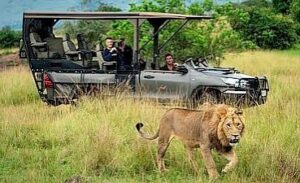
Rwanda is one of East Africa’s most rewarding destinations for nature and wildlife photography. Known as the Land of a Thousand Hills, the country combines mountain rainforests, endangered mountain gorillas, golden monkeys, savannah wildlife, beautiful lakes and spectacular volcanic landscapes.
A photography safari in Rwanda gives you opportunities to photograph African elephants, lions, giraffes, zebras, hippos, birds, primates and dramatic natural scenery. Whether you are a professional wildlife photographer, a beginner with a camera or a traveller who enjoys capturing memorable holiday moments, Rwanda offers a variety of photographic experiences.
The best destination depends on what you want to photograph. Akagera National Park is the leading choice for traditional savannah wildlife photography, Volcanoes National Park is famous for mountain gorillas and volcanic scenery, and Nyungwe National Park offers rainforest photography, chimpanzees and remarkable birdlife.
At Mambo Gorilla Safaris Uganda, we help travellers explore East African wildlife and primate safari options, including journeys that combine Rwanda with gorilla trekking in Uganda.
1. Akagera National Park – Best for Savannah Wildlife Photography
Akagera National Park is one of the best places for a photography safari in Rwanda if you want to capture classic African wildlife. Located in eastern Rwanda, the park features savannah grasslands, lakes, wetlands and woodland habitats.
It is Rwanda’s principal savannah safari destination and supports a wide range of wildlife. The variety of habitats gives photographers opportunities to capture animals in open landscapes as well as around water.
What can you photograph in Akagera National Park?
During game drives, you may have opportunities to photograph:
- African elephants moving through the savannah.
- Lions resting, interacting or hunting.
- Giraffes feeding on trees and shrubs.
- Zebras grazing in open grassland.
- Buffaloes and different antelope species.
- Hippos and crocodiles near lakes and waterways.
- Waterbirds, raptors and other bird species.
- Beautiful sunrise and sunset landscapes.
Akagera is also known for its Big Five wildlife: lion, leopard, elephant, buffalo and rhinoceros. However, seeing every species during one visit is not guaranteed.
Best photography experiences in Akagera
Morning game drives: Early light can create beautiful colours and softer shadows. Predators and other wildlife may also be active during cooler hours.
Afternoon game drives: Late-afternoon light is useful for wildlife portraits, landscapes and animals moving across the plains.
Lake Ihema boat trips: A boat excursion, when available and booked, can offer opportunities to photograph hippos, crocodiles and waterbirds from the water.
Bird photography: Akagera’s wetlands, lakes and grasslands attract a wide range of bird species. Birders should consider carrying binoculars and a suitable telephoto lens.
When should you visit Akagera for photography?
The drier periods, generally June to September and December to February, can offer favourable wildlife-viewing conditions. Rwanda also has wetter seasons, when the landscape may become greener and cloud formations more dramatic.
Your best travel dates will depend on whether you prioritise animal sightings, birdlife, green landscapes or dramatic weather.
Photography tip: If wildlife photography is your main priority, consider spending at least two nights in or near Akagera. Additional game drives provide more opportunities to find wildlife and photograph it in different lighting conditions.
2. Volcanoes National Park – Best for Mountain Gorilla Photography
Volcanoes National Park in northwestern Rwanda is one of Africa’s most famous destinations for mountain gorilla trekking. Its misty forests, bamboo vegetation and volcanic mountain scenery create a distinctive setting for wildlife photography.
The park is also home to golden monkeys and numerous forest bird species, making it attractive to photographers interested in primates and high-altitude habitats.
Photographing mountain gorillas in Rwanda
Mountain gorillas are among the most sought-after wildlife subjects in Africa. During a permitted gorilla trek, visitors may observe a gorilla family under the supervision of park guides and rangers.
Depending on the encounter, photographers may have opportunities to capture:
- Adult gorillas feeding or resting.
- Young gorillas playing and interacting.
- Silverbacks displaying their impressive size.
- Family groups moving through forest vegetation.
- Natural behaviours in the mountain forest.
Gorilla photography requires patience because the animals move through dense vegetation, and the forest can be dark. You may not always have a clear view of every animal.
A gorilla permit and an authorised guided trek are required. Follow ranger instructions and current rules on viewing distance, photography and flash use. Never approach a gorilla independently or try to move closer to obtain a photograph.
Other photography opportunities in Volcanoes National Park
Beyond gorillas, the park offers opportunities to photograph:
- Golden monkeys during authorised tracking experiences.
- Volcanic peaks and mountain ridges.
- Bamboo forest and misty mountain scenery.
- Forest birds and other wildlife.
- Nature and cultural experiences arranged with appropriate guides.
Best time for gorilla photography
Rwanda’s mountain forests can be visited throughout the year, but weather and trail conditions vary. Drier periods can make trekking conditions easier, while mist, rain and cloud can create atmospheric images.
There is no guarantee of clear skies or ideal photography conditions. Waterproof protection for your camera and comfortable trekking clothing are important.
Photography tip: Use a camera that performs well in low light, and consider a lens with a wide maximum aperture. Avoid flash unless the park authorities explicitly permit it; follow all instructions given by your ranger.
3. Nyungwe National Park – Best for Rainforest, Chimpanzee and Bird Photography
Nyungwe National Park in southwestern Rwanda protects a large area of montane rainforest. It is an excellent destination for photographers who enjoy dense vegetation, primates, forest birds, butterflies and unusual plant life.
Unlike the open savannah of Akagera, Nyungwe presents a different photographic challenge: animals may be partly hidden by foliage, light levels can be low, and the forest environment changes quickly with the weather.
What can you photograph in Nyungwe?
Potential photography subjects include:
- Chimpanzees during authorised tracking experiences.
- Black-and-white colobus monkeys.
- Other forest primates.
- Forest birds, including species associated with the Albertine Rift.
- Butterflies, flowers and other small forest subjects.
- Towering trees, moss-covered vegetation and forest trails.
- Scenic views from elevated forest viewpoints.
Chimpanzees are active, fast-moving animals. Photographing them can require quick autofocus, a suitable shutter speed and patience. Always maintain the distance required by your guides and follow the current primate-viewing rules.
Bird photography in Nyungwe
Nyungwe is especially appealing to bird photographers interested in forest species. Some birds are easier to hear than to see, so an experienced local birding guide can make a significant difference.
A telephoto lens helps you photograph birds high in the canopy, while binoculars help you locate subjects before raising your camera.
The canopy walkway
Nyungwe’s canopy walkway is another attraction for visitors interested in forest landscapes. Subject to current access arrangements and conditions, it offers an elevated view into the forest environment.
It is particularly useful for wide-angle forest photographs and scenic compositions, although the movement of the walkway and changing light may require careful camera handling.
Photography tip: Carry rain protection, spare batteries and a lens cloth. Forest humidity and changing weather can affect equipment, while low light may require a wider aperture or higher ISO.
4. Gishwati-Mukura National Park – Best for a Quieter Forest Photography Experience
Gishwati-Mukura National Park is another option for nature photographers exploring Rwanda. It comprises protected forest areas that support biodiversity and community-based tourism opportunities.
Compared with Rwanda’s best-known safari destinations, it may appeal to travellers seeking a different forest experience and an interest in conservation.
Photography opportunities
Depending on the permitted activities, conditions and wildlife sightings, photographers may focus on:
- Forest landscapes and vegetation.
- Birds and other forest wildlife.
- Primates where encountered during authorised activities.
- Flowers, insects and other small natural subjects.
- Conservation and community-based tourism experiences.
Because forest wildlife can be elusive, do not plan your visit around guaranteed sightings of a particular animal. Confirm available activities, access conditions and guiding arrangements before travelling.
Who should visit Gishwati-Mukura?
This destination may suit photographers who have already explored Rwanda’s main safari areas or who are especially interested in forest ecology, conservation and biodiversity.
Photography tip: Consider a specialist local guide who understands forest birds and wildlife. Good field knowledge can help you locate subjects without disturbing them.
5. Lake Kivu and Rwanda’s Scenic Landscapes – Best for Landscape Photography
A photography safari in Rwanda does not have to focus entirely on animals. Lake Kivu, rolling hills, rural landscapes and lakeside communities offer a different collection of photographic opportunities.
Lake Kivu, in western Rwanda, is known for its beautiful scenery, lakeside towns and opportunities for outdoor experiences.
What can you photograph around Lake Kivu?
- Sunsets and changing light over the lake.
- Boats and fishing activities, with permission where appropriate.
- Lakeside landscapes and distant hills.
- Reflections on calm water.
- Local markets and everyday life, with respect and consent.
- Scenic roads, terraced hillsides and rural landscapes.
Popular lakeside areas include Rubavu and Karongi. Each offers a different setting for a relaxing photography extension after wildlife experiences in Rwanda’s national parks.
Best time for landscape photography
Early morning and late afternoon are often ideal for softer light and reflections. Cloudy weather can also produce attractive colours and atmospheric scenes.
If you intend to photograph people, ask permission first. For commercial shoots, drone use or organised professional filming, check the relevant rules and permissions before your visit.
Photography tip: A wide-angle lens is useful for expansive views, while a standard zoom lens can help you capture boats, people and details without needing to approach too closely.
Which Is the Best Place for a Photography Safari in Rwanda?
The right destination depends on your photographic interests, available time and travel budget.
| Destination | Best for | Recommended for |
|---|---|---|
| Akagera National Park | Elephants, lions, giraffes, savannah and birds | Traditional wildlife photography |
| Volcanoes National Park | Mountain gorillas, golden monkeys and volcanic scenery | Primate and mountain photography |
| Nyungwe National Park | Chimpanzees, forest birds and rainforest landscapes | Rainforest and bird photography |
| Gishwati-Mukura National Park | Forest habitats, biodiversity and conservation | Specialist nature photography |
| Lake Kivu | Lakes, hills, boats and sunsets | Landscape and cultural photography |
For a first photography safari in Rwanda, Akagera is a strong choice if you want to photograph a variety of savannah animals. Volcanoes National Park is the natural choice for a gorilla-focused experience, while Nyungwe is particularly appealing to birdwatchers and rainforest enthusiasts.
If your budget and schedule allow, combining two destinations will give you a more varied photographic experience.
What Is the Best Time for a Photography Safari in Rwanda?
Rwanda offers photography opportunities throughout the year. The best season depends on the wildlife you want to photograph and the conditions you prefer.
Dry seasons
Rwanda generally experiences drier periods around June to September and December to February. These periods can be useful for wildlife viewing and trekking, although conditions vary between regions.
In savannah areas such as Akagera, shorter vegetation in some locations can improve visibility. In forest parks, trekking conditions may be more manageable when trails are less muddy.
Rainy seasons
Rwanda’s wetter periods generally occur around March to May and October to November. Rainfall varies by location and year.
Rain can create lush landscapes, dramatic skies and interesting forest photography. However, muddy trails, wet equipment and reduced visibility may present challenges.
Best time of day for wildlife photography
Early morning and late afternoon usually offer softer light and attractive colours. Midday can still be productive for certain birds, forest subjects or animals near water, but strong overhead sunlight can create harsh shadows.
For a photography-focused trip, allow sufficient time at each destination instead of trying to visit every park in a short holiday.
Essential Camera Equipment for a Rwanda Photography Safari
You do not need expensive professional equipment to enjoy wildlife photography in Rwanda. Choose gear that suits your interests and learn how to use it before travelling.
Consider packing:
- Camera body: A DSLR or mirrorless camera with reliable autofocus.
- Telephoto lens: A lens such as a 100–400 mm zoom can be useful for wildlife, depending on your camera system.
- Wide-angle lens: Useful for volcanic landscapes, lakes and forest scenes.
- Fast lens: Helpful for low-light photography in rainforest environments.
- Extra batteries: Cold, wet conditions and frequent shooting can make spares valuable.
- Memory cards: Bring enough storage for high-resolution photographs and video.
- Rain protection: Use a rain cover or protective bag for your camera.
- Lens cloth: Useful for removing moisture and condensation.
- Binoculars: Helpful for locating birds and distant wildlife.
- Comfortable camera bag: Choose one that protects your gear while allowing easy access.
For gorilla trekking, pack lightly enough to move safely on forest trails. Your guide may recommend carrying only the equipment you need for the trek.
Tips for Taking Better Wildlife Photographs in Rwanda
1. Choose an experienced guide
A knowledgeable guide can help you understand animal behaviour, locate wildlife and make the most of your time. For a specialist photography trip, explain your interests before booking so the itinerary can be planned accordingly.
2. Understand the light
Soft light in the early morning and late afternoon can create more natural colours and fewer harsh shadows. In forests, look for openings in the canopy that allow light to reach your subject.
3. Be patient around wildlife
Avoid rushing from one sighting to another. Waiting quietly may allow you to photograph natural behaviour and more interesting interactions.
4. Prepare your camera settings
Wildlife can move quickly. Learn how to adjust shutter speed, autofocus and ISO before the safari. A faster shutter speed is often useful for active animals and birds.
5. Keep your equipment protected
Rain and humidity can be challenging in Rwanda’s forests. Use protective covers, keep spare batteries accessible and wipe moisture from equipment when appropriate.
6. Follow wildlife photography rules
Never feed animals, disturb their behaviour or ask guides to approach dangerously close. During gorilla and chimpanzee experiences, follow the rules and instructions given by the park authorities.
7. Allow enough time for each destination
More time gives you additional opportunities to adapt to changing weather, wildlife movements and lighting. A focused itinerary often produces better results than travelling long distances every day.
Sample 7-Day Rwanda Photography Safari Itinerary
This sample itinerary combines savannah wildlife, mountain scenery and rainforest photography. The final route should be adjusted to transport times, permit availability and your photography priorities.
Day 1: Arrival in Kigali
Arrive in Kigali, settle into your accommodation and check your camera equipment. If time allows, explore suitable city or landscape photography opportunities.
Day 2: Travel to Akagera National Park
Travel to Akagera and, depending on your arrival time and park arrangements, enjoy an afternoon game drive. Begin photographing the savannah and wildlife.
Day 3: Full-day wildlife photography in Akagera
Spend the day on game drives, looking for elephants, giraffes, buffaloes, antelopes and predators. A boat trip may be possible if booked and operating.
Day 4: Travel to Volcanoes National Park
Transfer to the Musanze area in northwestern Rwanda. Prepare for the following day’s activities and confirm your gorilla permit and briefing arrangements if you have booked a trek.
Day 5: Gorilla trekking and forest photography
Take part in an authorised gorilla trek if your permit and arrangements are confirmed. Follow all ranger instructions and photograph only within the permitted rules.
Day 6: Travel towards Nyungwe National Park
Travel towards southwestern Rwanda. This is a substantial road journey, so allow adequate time and consider an overnight stop if needed.
Day 7: Forest photography or departure planning
Depending on your schedule, explore an available forest activity or birding experience. If your international flight departs from Kigali the same day, allow sufficient time for the return journey; an extra night may be the safer option.
Planning advice: Seven days can be tight for Akagera, Volcanoes and Nyungwe together. For a more relaxed photography safari, consider eight to ten days or focus on Akagera and Volcanoes National Park. Gorilla permits, transport and accommodation should be confirmed before finalising the itinerary.
Can You Combine a Rwanda Photography Safari with Gorilla Trekking in Uganda?
Yes. Rwanda and Uganda can be combined into a wider East African photography and primate holiday. This can suit travellers who want to photograph Rwanda’s savannah wildlife and mountain landscapes while also experiencing Uganda’s mountain gorillas and other wildlife.
A combined trip might include:
- Wildlife photography in Akagera National Park.
- Gorilla trekking or golden monkey tracking in Rwanda, subject to permits.
- Travel into Uganda.
- Mountain gorilla trekking in Bwindi Impenetrable National Park.
- Additional wildlife and primate experiences, depending on the length of the trip.
Cross-border itineraries require careful planning. Check current entry requirements, transport arrangements and permit availability, and allow sufficient time for transfers between destinations.
You can explore Mambo Gorilla Safaris Uganda’s Rwanda safari information and its 3-day gorilla trekking in Bwindi as starting points for planning. Confirm the current itinerary, transport and inclusions before booking.
How Much Does a Photography Safari in Rwanda Cost?
The cost of a photography safari in Rwanda depends on the destinations you visit, the duration of your trip, accommodation category, transport and activities.
Your budget may include:
- Accommodation and meals.
- National park entry fees.
- Gorilla or chimpanzee trekking permits.
- Safari vehicle and guide services.
- Transfers between parks.
- Boat excursions or other optional activities.
- Photography equipment rental, if needed.
- Travel insurance and international flights.
Gorilla trekking and other specialist wildlife experiences have separate permit arrangements and availability requirements. Check current rates and booking conditions directly with the relevant authority or your safari operator before making payments.
A private vehicle may offer more flexibility for wildlife photography, while a shared safari may reduce costs. Ask for a detailed quotation showing what is included and excluded.
Responsible Photography and Conservation in Rwanda
Responsible photography helps protect Rwanda’s wildlife and natural habitats while respecting local communities.
- Follow your guide’s instructions and park regulations.
- Maintain the required distance from wild animals.
- Never feed or deliberately disturb wildlife for a photograph.
- Follow current rules on flash photography during primate encounters.
- Ask permission before photographing people.
- Respect community customs and sacred or private places.
- Confirm any special requirements for commercial filming, photography or drone use.
- Choose responsible tourism services that respect conservation and local livelihoods.
Rwanda’s protected areas are important for biodiversity and tourism. Travelling responsibly helps ensure that future visitors can continue to enjoy the country’s wildlife and landscapes.
Frequently Asked Questions About Photography Safaris in Rwanda
Where is the best place for a photography safari in Rwanda?
Akagera National Park is an excellent choice for savannah wildlife photography, including elephants, giraffes, birds and predators. Volcanoes National Park is best known for mountain gorilla photography, while Nyungwe offers rainforest, chimpanzee and bird photography.
Can I photograph mountain gorillas in Rwanda?
Photography is generally possible during an authorised gorilla trek, subject to current park rules and ranger instructions. A valid permit is required, and visitors must follow all viewing-distance and flash-photography rules.
When is the best time for a Rwanda photography safari?
The drier periods around June to September and December to February can offer favourable conditions for some wildlife and trekking activities. Wetter periods can provide lush landscapes and dramatic forest scenes. The ideal time depends on your subjects and destination.
How many days do I need for a photography safari in Rwanda?
Three to four days can work for one main destination. Five to seven days can allow a combination of destinations, while eight to ten days is more suitable if you want to explore Akagera, Volcanoes and Nyungwe without rushing.
Is Rwanda suitable for beginner wildlife photographers?
Yes. Rwanda offers a range of experiences for beginners and experienced photographers. A suitable camera or smartphone, patience and a knowledgeable guide can help you make the most of your trip.
Can I see the Big Five during a Rwanda safari?
Akagera National Park is Rwanda’s Big Five safari destination. However, sightings of lion, leopard, elephant, buffalo and rhinoceros are not guaranteed, and the likelihood of seeing each species varies.
Can I combine Rwanda and Uganda on one safari?
Yes. Travellers can plan a multi-country itinerary combining Rwanda’s wildlife and landscapes with Uganda’s gorilla trekking and other safari experiences. Check entry requirements, permits, transfers and travel times before booking.
Plan Your Photography Safari in Rwanda with Mambo Gorilla Safaris Uganda
Rwanda offers an exceptional range of photography experiences, from elephants and predators in Akagera National Park to mountain gorillas in Volcanoes National Park, rainforest wildlife in Nyungwe and beautiful landscapes around Lake Kivu.
The best photography safari is one planned around your interests, available time, budget and preferred travel style. Choosing the right season, allowing enough time at each destination and travelling with knowledgeable guides can help you make the most of your experience.
Contact Mambo Gorilla Safaris Uganda to discuss a Rwanda photography safari or a combined Rwanda and Uganda wildlife adventure. Share your preferred travel dates, photography interests, accommodation preferences and whether you would like to include gorilla trekking.
Request a personalised itinerary and confirm all permits, services and inclusions before booking your trip.


