Email: info@mambogorillasafarisuganda.com | Call: +256772666331

One-Week Safari in Rwanda: The Best 7-Day Itinerary

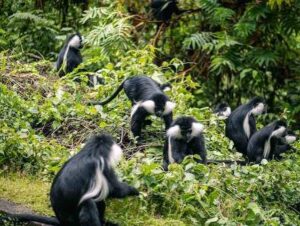
A one-week safari in Rwanda is an excellent way to discover the country’s mountain gorillas, golden monkeys, savannah wildlife, tropical rainforests and beautiful lakes. Known as the Land of a Thousand Hills, Rwanda offers a remarkable combination of wildlife encounters, cultural experiences and scenic road journeys within a relatively compact country.
For travellers planning a seven-day Rwanda safari, the main challenge is choosing which destinations to include. You could trek mountain gorillas in Volcanoes National Park, search for elephants and lions in Akagera National Park, track chimpanzees in Nyungwe Forest National Park, or relax beside Lake Kivu.
At Mambo Gorilla Safaris Uganda, we help travellers explore East Africa through wildlife safaris, primate experiences and tailor-made itineraries. This guide explains what to do on a one-week safari in Rwanda, where to visit, how to organise your days and how to choose an itinerary that matches your interests.
Quick Overview: What to Do on a One-Week Safari in Rwanda
During seven days in Rwanda, you can experience several of the country’s most rewarding attractions.
- Mountain gorilla trekking in Volcanoes National Park.
- Golden monkey tracking in the Virunga Mountains.
- Game drives and a boat safari in Akagera National Park.
- Chimpanzee tracking and a forest canopy walk in Nyungwe.
- A Kigali city tour and cultural experiences.
- Relaxation beside Lake Kivu, depending on your route.
Visiting every major destination in one week is possible with careful planning, but it involves substantial driving. For a more relaxed holiday, focus on gorilla trekking and one or two additional destinations.
Day 1: Arrive in Kigali and Discover Rwanda’s Capital
Begin your one-week Rwanda safari in Kigali, the country’s capital. After arriving at Kigali International Airport, meet your safari guide, transfer to your hotel and settle in before beginning your adventure.
If your flight arrives early enough, spend the afternoon exploring the city.
Things to do in Kigali
Visit the Kigali Genocide Memorial: Learn about the 1994 Genocide against the Tutsi and its lasting impact on Rwanda. The memorial offers important historical context for visitors.
Explore local markets: Discover Rwandan crafts, fabrics, artwork and locally made souvenirs.
Visit an art gallery or cultural centre: Kigali has a growing creative scene where visitors can discover contemporary Rwandan art.
Enjoy Rwandan cuisine: Try local dishes and experience the country’s hospitality at a restaurant serving traditional or contemporary food.
Spend your first night in Kigali. If you arrive late, keep the day simple and begin sightseeing the following morning.
Day 2: Travel to Volcanoes National Park
After breakfast, travel north towards Volcanoes National Park, located in Rwanda’s northern province near Musanze. The park is part of the Virunga volcanic region and is one of Africa’s most important destinations for mountain gorilla trekking.
The journey takes you through Rwanda’s rolling hills, cultivated countryside and rural communities.
After checking into your lodge, use the afternoon to relax or choose a suitable local activity.
What to do near Volcanoes National Park
- Visit the scenic Twin Lakes of Burera and Ruhondo.
- Enjoy views of the Virunga volcanoes.
- Learn about local traditions through a community or cultural visit.
- Prepare your trekking equipment and confirm the following day’s arrangements.
Staying near the park before your gorilla trek is recommended because trekking normally begins with an early morning briefing.
Day 3: Experience Mountain Gorilla Trekking in Volcanoes National Park
Mountain gorilla trekking is often the highlight of a one-week safari in Rwanda. Volcanoes National Park protects endangered mountain gorillas in a beautiful landscape of volcanic slopes, bamboo forests and montane vegetation.
The day begins early with a briefing from park staff. Visitors are assigned to a gorilla trekking group and accompanied by authorised guides and trackers into the forest.
The trek may take several hours, depending on where the gorilla family is located and the terrain encountered along the way.
What to expect during gorilla trekking
A guided forest hike: Follow experienced guides and trackers through the gorillas’ natural habitat.
An unforgettable wildlife encounter: Observe the gorillas feeding, resting, moving through vegetation or interacting with members of their family.
A limited viewing period: Visitors are generally allowed one hour with the gorilla group once it has been located, subject to current park rules.
A meaningful conservation experience: Gorilla tourism supports conservation efforts and provides economic opportunities for surrounding communities.
Gorilla trekking requires a valid permit, which should be secured before finalising the trip. Availability, prices and booking conditions should be confirmed with the relevant authorities when planning.
After the trek, return to your lodge for a meal and a well-earned rest.
For travellers interested in combining Rwanda with Uganda, explore our Rwanda safari and gorilla trekking options and ask our team about a suitable cross-border itinerary.
Day 4: Track Golden Monkeys or Explore the Volcanoes Region
Dedicate your fourth day to another experience around Volcanoes National Park. After the physical demands of gorilla trekking, choose an activity that matches your fitness, interests and budget.
Option 1: Golden monkey tracking
Golden monkeys are lively primates found in the bamboo forests of the Virunga region. Their striking golden-orange markings and active behaviour make them fascinating to observe.
Golden monkey tracking usually involves a forest walk with park guides. It is a rewarding addition for travellers who enjoy primates and want to experience more of Rwanda’s biodiversity.
Option 2: Visit a local cultural centre
A guided cultural visit can introduce you to Rwandan traditions, music, dance, storytelling and local crafts. Choose experiences that respect community preferences and ensure local people benefit fairly from tourism.
Option 3: Explore the volcanic scenery
Depending on the conditions and your fitness, consider a guided nature walk or a longer hiking activity in the region. Mountain hikes require appropriate preparation and should be arranged with authorised operators.
Spend another night near Volcanoes National Park or adjust your overnight location to suit the next destination.
Day 5: Travel to Nyungwe Forest or Akagera National Park
For the second half of your safari, choose between Rwanda’s rainforest and savannah experiences.
These parks offer different wildlife encounters, and selecting one is often the best way to keep a seven-day trip enjoyable rather than spending too much time on the road.
Option A: Visit Nyungwe Forest National Park
Nyungwe is a major destination for rainforest biodiversity and primate experiences. It is particularly suitable for travellers who want to add chimpanzee tracking to their gorilla trekking holiday.
The drive from the northern part of Rwanda to Nyungwe is long, so allow sufficient time and confirm the route and overnight arrangements in advance.
Depending on your arrival time, spend the evening relaxing at your accommodation or enjoying the surrounding scenery.
Option B: Visit Akagera National Park
Akagera National Park offers a contrasting landscape of savannah plains, woodland, wetlands and lakes. It is Rwanda’s principal destination for classic savannah wildlife safaris.
Travellers may encounter elephants, giraffes, zebras, buffaloes, antelopes and, with luck, lions, leopards and rhinoceroses. Wildlife sightings are never guaranteed.
An Akagera visit is a strong choice for guests who prefer game drives, birdwatching and open landscapes to additional rainforest trekking.
Planning tip: Nyungwe and Akagera are in different parts of Rwanda. Trying to include both alongside gorilla trekking in seven days can make the itinerary demanding. If all three national parks are essential, discuss a tightly planned route with your safari operator or consider adding extra days.
Day 6: Enjoy Chimpanzee Tracking or a Savannah Wildlife Safari
Your sixth day depends on the destination selected on Day 5.
If you chose Nyungwe Forest National Park
Start early for chimpanzee tracking, following park regulations and the instructions of your guide. Chimpanzees are active, intelligent primates, and observing them in a natural forest environment is a very different experience from seeing mountain gorillas.
You may also encounter other primates and forest birds during your visit.
If your schedule, permit and park arrangements allow, consider the Nyungwe canopy walk. This elevated walkway offers views into the forest canopy and surrounding landscape.
Chimpanzee tracking and the canopy walk are separate activities, and their availability should be confirmed when booking.
If you chose Akagera National Park
Set out on a guided game drive to search for wildlife across the park’s different habitats.
Possible sightings include:
- Elephants moving through woodland or open country.
- Giraffes feeding on trees.
- Zebras and antelopes grazing across the plains.
- Buffaloes gathering near water.
- Predators such as lions and leopards, if conditions and luck permit.
A boat trip on Lake Ihema, where available and scheduled, offers another perspective on the park’s wetlands and birdlife. Hippos, crocodiles and waterbirds may be seen.
After the day’s activities, spend the night according to your planned route. If you are travelling back to Kigali the next day, confirm the journey time and departure arrangements.
Day 7: Return to Kigali and Depart
Enjoy breakfast before returning to Kigali for your international departure or onward travel.
If your flight leaves later in the day and your route allows enough time, you may be able to enjoy a short city visit or buy last-minute souvenirs. Do not schedule activities too tightly around your flight.
For travellers completing a safari in Nyungwe or Akagera, the return journey can be substantial. Where possible, arrange an extra night in Kigali or leave a generous buffer before your international flight.
A well-planned final day helps you end your one-week Rwanda safari without unnecessary pressure.
Best Places to Visit on a One-Week Safari in Rwanda
Rwanda has several destinations worth considering. Your ideal combination depends on whether you prioritise primates, classic wildlife viewing, culture or relaxation.
1. Volcanoes National Park
Volcanoes National Park is the essential destination for travellers whose main goal is mountain gorilla trekking. The park also offers golden monkey tracking, volcanic scenery and selected hiking experiences.
Best for: Gorilla trekking, primates, guided hikes and mountain landscapes.
2. Akagera National Park
Akagera is the best choice for travellers seeking a traditional savannah safari in Rwanda. Game drives, birdwatching and boat excursions provide opportunities to explore the park’s diverse habitats.
Best for: Wildlife photography, game drives, elephants, giraffes and savannah scenery.
3. Nyungwe Forest National Park
Nyungwe is ideal for rainforest exploration, chimpanzee tracking, birdwatching and the canopy walk.
Best for: Chimpanzees, forest biodiversity, birding and nature activities.
4. Kigali
Kigali provides an introduction to modern Rwanda, its history, arts, food and urban culture. It is also the main international arrival and departure point for many visitors.
Best for: City tours, cultural experiences, history and travel connections.
5. Lake Kivu
Lake Kivu offers attractive lakeside scenery and opportunities to relax after busy trekking days. Depending on your route, you may enjoy lakeside walks, a boat excursion or time at a lakeside lodge.
Best for: Relaxation, scenery, lakeside stays and a slower-paced safari.
How Much Does a One-Week Safari in Rwanda Cost?
The total cost of a seven-day Rwanda safari depends on your chosen activities, accommodation standard, travel dates, transport arrangements and group size.
Your budget may include:
- Gorilla trekking permit.
- Golden monkey or chimpanzee tracking permits, where applicable.
- National park fees and other activity charges.
- Accommodation and meals.
- Private safari vehicle, driver-guide and fuel.
- Airport transfers and other transport.
- Visa fees, flights, travel insurance, tips and personal expenses where applicable.
Gorilla trekking is often one of the largest individual expenses. Always confirm current permit prices and conditions with the relevant authorities before paying or advertising a package price.
Ways to plan your safari budget
Budget safari: Choose simple accommodation, prioritise your must-do activities and ask about joining a group where appropriate.
Mid-range safari: Balance comfortable lodges with a private guide and a carefully selected itinerary.
Luxury safari: Choose premium accommodation, private transport and additional experiences, subject to availability.
Request a written quotation that clearly explains what is included and excluded. This makes it easier to compare safari offers accurately.
Best Time to Take a One-Week Safari in Rwanda
Rwanda can be visited throughout the year, but weather conditions affect trekking, hiking and wildlife activities.
The relatively drier periods are often preferred for gorilla trekking and hiking because trails may be less muddy. Rainy periods can make forest trails more challenging, but they also bring lush scenery and rewarding conditions for some nature and photography experiences.
When selecting your dates, consider:
- Your preferred gorilla trekking permit date.
- Current permit availability.
- Rainfall and trail conditions.
- The activities planned in each national park.
- Accommodation availability and your budget.
Gorilla trekking takes place in a natural forest environment, so rain is possible even during generally drier periods. Pack for changing weather and follow your guide’s instructions.
What to Pack for a Seven-Day Rwanda Safari
Packing appropriately makes a significant difference to your comfort.
Bring the following essentials:
- Sturdy hiking boots with good grip.
- Long trousers and long-sleeved trekking clothing.
- A lightweight waterproof jacket.
- Gardening-style gloves or suitable hiking gloves for vegetation.
- A small daypack.
- Reusable water bottle.
- Insect repellent and sun protection.
- Binoculars for wildlife viewing and birdwatching.
- Camera, spare batteries and memory cards.
- Personal medication and basic toiletries.
- Comfortable clothes for travel and evenings.
For gorilla trekking, wear clothing that protects your arms and legs from vegetation. Keep a safe distance from wildlife, avoid touching animals and follow the instructions of authorised guides.
Can You Combine Rwanda Gorilla Trekking with Uganda?
Yes. Travellers with additional time can combine Rwanda’s gorilla trekking and wildlife attractions with selected destinations in Uganda.
A cross-border itinerary can include mountain gorilla trekking in either country, chimpanzee tracking, savannah wildlife viewing or other primate experiences. The best route depends on the permits available, border arrangements, travel documents and the amount of time you have.
Mambo Gorilla Safaris Uganda can help you explore options for a broader East African trip. Start by reviewing our Uganda wildlife and primate trekking safari for inspiration, then request an itinerary tailored to your dates and interests.
Do not assume that a Rwanda permit is valid in Uganda or vice versa. Each activity has its own booking and permit requirements, and cross-border travel requires the correct documents.
Tips for Planning a Successful One-Week Rwanda Safari
Book gorilla permits early. Secure your preferred trekking date before committing to non-refundable flights and accommodation.
Choose a realistic route. A seven-day trip is more enjoyable when driving time is balanced against wildlife activities.
Stay near the park before trekking. This makes it easier to attend the early briefing without a stressful journey.
Use an experienced safari guide. A knowledgeable guide can coordinate transfers, explain wildlife behaviour and help manage the itinerary.
Check what your package includes. Confirm permits, accommodation, meals, park fees, transport and airport transfers in writing.
Leave room for rest. Gorilla trekking and long drives can be physically demanding. Avoid scheduling too many major activities on consecutive days.
Respect wildlife and communities. Follow park rules, maintain the required distance from animals and choose responsible local experiences.
Frequently Asked Questions About a One-Week Safari in Rwanda
Is seven days enough for a Rwanda safari?
Yes. Seven days can provide an excellent introduction to Rwanda, particularly if you prioritise gorilla trekking and one or two additional destinations. Visiting Volcanoes, Nyungwe and Akagera in a single week is possible with careful logistics but can involve long transfers.
What is the best itinerary for a one-week Rwanda safari?
For primate lovers, spend time in Kigali and Volcanoes National Park, then travel to Nyungwe for chimpanzee tracking and the canopy walk. For travellers who prefer savannah wildlife, combine Volcanoes with Akagera instead. Add Lake Kivu if your route and available time permit.
Can I see gorillas and chimpanzees in Rwanda in seven days?
Yes. You can combine mountain gorilla trekking in Volcanoes National Park with chimpanzee tracking in Nyungwe Forest National Park. Because the parks are far apart, allow sufficient time for the transfers and confirm permits in advance.
Can I see the Big Five in Rwanda?
Akagera National Park is Rwanda’s main destination for a Big Five safari. Elephants, lions, leopards, rhinoceroses and buffaloes are among the species visitors may seek, although sightings of any particular animal are not guaranteed.
Do I need a gorilla trekking permit?
Yes. Gorilla trekking requires a valid permit and must be conducted under park rules with authorised personnel. Confirm the current price, availability, eligibility requirements and booking conditions before travelling.
What should I wear for gorilla trekking in Rwanda?
Wear sturdy hiking boots, long trousers, long sleeves and a waterproof jacket. Forest conditions can be wet and muddy, so comfortable clothing with good protection and grip is important.
Is Rwanda suitable for a first-time safari traveller?
Rwanda can be an excellent choice for first-time safari travellers, especially those interested in gorillas, primates, landscapes and cultural experiences. An itinerary planned around realistic travel times and confirmed permits can make the trip more comfortable.
How do I book a one-week safari in Rwanda with Mambo Gorilla Safaris Uganda?
Contact Mambo Gorilla Safaris Uganda with your travel dates, group size, preferred accommodation standard and the experiences you want to include. Ask for a personalised itinerary and a clear quotation covering permits, transport, accommodation, meals and other inclusions.
Plan Your One-Week Rwanda Safari with Mambo Gorilla Safaris Uganda
A one-week safari in Rwanda can bring together unforgettable primate encounters, beautiful volcanic landscapes, rainforest adventures and classic African wildlife viewing. The best itinerary is not necessarily the one that includes the most destinations; it is the one that gives you enough time to enjoy each experience without rushing.
Whether you dream of meeting mountain gorillas in Volcanoes National Park, tracking chimpanzees in Nyungwe, watching wildlife in Akagera or relaxing beside Lake Kivu, careful planning will help you make the most of your holiday.
Contact Mambo Gorilla Safaris Uganda to request a tailor-made Rwanda safari itinerary. Share your preferred travel dates, budget and must-see attractions so your trip can be planned around your priorities and available permits.
Your Rwanda adventure starts with choosing the right experiences and building a realistic route around them.


