Email: info@mambogorillasafarisuganda.com | Call: +256772666331

Uganda Safari During Rainy Season: What to Expect

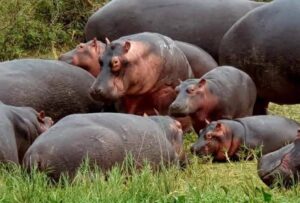
Planning a safari during the rainy season in Uganda can be an excellent way to experience the country’s wildlife, tropical forests and beautiful landscapes. Although rain can make some safari activities more challenging, it does not mean that your holiday will be disappointing. With the right preparation and a well-planned itinerary, you can enjoy mountain gorilla trekking, wildlife game drives, boat cruises, birdwatching and cultural experiences.
Uganda, often called the Pearl of Africa, is home to diverse landscapes, including savannah grasslands, tropical rainforests, wetlands, mountains and freshwater lakes. During the rainy season, these environments become greener and more vibrant, creating rewarding opportunities for nature lovers and wildlife photographers.
For travellers considering a wet-season holiday, understanding what changes, what remains possible and how to prepare is essential. In this guide, Mambo Gorilla Safaris Uganda explains what to expect on a rainy-season safari, the best destinations to consider, the advantages and disadvantages of travelling during wetter months, and practical tips for enjoying your trip.
When Is the Rainy Season in Uganda?
Uganda generally experiences two rainy periods, although rainfall patterns vary across the country.
- March to May: The main rainy season in many parts of Uganda.
- October to November: A second, generally shorter rainy period in many regions.
The relatively drier periods are commonly June to August and December to February. However, these are general patterns rather than guarantees, and rain can occur outside the usual wet seasons, particularly in mountainous and forested areas.
Western Uganda, including Bwindi Impenetrable National Park and parts of Queen Elizabeth National Park, can experience different conditions from the drier northeastern regions. The weather also varies with altitude and local geography.
Before travelling, check the expected conditions for your specific destinations rather than relying only on the national seasonal calendar.
What to Expect on a Safari During the Rainy Season in Uganda
A rainy-season safari can feel different from a dry-season holiday. The experience depends on your destination, the intensity of rainfall and the activities planned for each day.
1. Lush Green Landscapes and Beautiful Scenery
One of the most noticeable features of a rainy-season safari is the transformation of Uganda’s landscapes. Grasslands become greener, forest vegetation grows thick and fresh, and hillsides look especially vibrant.
This scenery is particularly attractive in southwestern Uganda, where rolling hills, forested slopes and cultivated countryside surround several popular safari destinations.
For photographers, cloudy skies and mist can create dramatic scenes. The changing light may also provide excellent opportunities for landscape photography.
However, thick vegetation can sometimes make animals harder to spot in savannah parks, so wildlife sightings may require patience and a knowledgeable guide.
2. Slippery Trails During Gorilla Trekking
Mountain gorilla trekking remains one of Uganda’s most memorable wildlife experiences. Visitors can track habituated mountain gorilla families in Bwindi Impenetrable National Park and Mgahinga Gorilla National Park.
During the rainy season, forest trails can become muddy and slippery. Steep sections may require extra care, and walking can take longer than expected.
Gorilla trekking typically involves several hours of hiking, depending on the location of the assigned gorilla family, the terrain and the conditions on the day.
To prepare for a rainy-season trek:
- Wear sturdy, waterproof hiking boots with good grip.
- Carry a waterproof jacket and rain-resistant daypack.
- Use trekking poles if they help with your balance.
- Wear long trousers and long sleeves to protect against vegetation.
- Consider hiring a porter to assist with your bag and provide practical support on difficult sections.
- Follow your guides’ instructions on slippery or steep ground.
Rain does not automatically prevent gorilla trekking, but the park authorities and guides make decisions based on safety and prevailing conditions.
3. Wildlife Viewing Can Require More Patience
Uganda’s savannah parks remain attractive during wetter months, but rain can affect the safari experience.
Tall grass and thicker vegetation may make some animals more difficult to see. Some wildlife can spread across a larger area when water and fresh vegetation are widely available.
Heavy rain may also temporarily interrupt a game drive or reduce visibility. On the other hand, breaks in the weather can reveal animals feeding, moving through the grasslands or gathering near water.
Possible sightings include elephants, buffaloes, giraffes, antelopes, hippos and numerous bird species, depending on the park. Predators such as lions and leopards may also be encountered, although no wildlife sighting is guaranteed.
A flexible schedule and an experienced safari guide can help you make the most of changing conditions.
4. Excellent Opportunities for Birdwatching
The rainy season can be particularly rewarding for birdwatchers. Wetlands, forests and savannah habitats support diverse birdlife, and seasonal changes can influence breeding activity and the presence of migratory species.
Depending on the destination and time of year, visitors may see kingfishers, bee-eaters, hornbills, herons, eagles and many other birds.
Useful destinations for birdwatching include:
- Bwindi Impenetrable National Park.
- Queen Elizabeth National Park.
- Murchison Falls National Park.
- Mabamba wetland near Lake Victoria.
- Mabira Forest.
Bird activity and species sightings vary with location, weather and season. Travellers with specific birdwatching interests should discuss their target species with their safari operator before choosing an itinerary.
5. Some Roads and Transfers May Take Longer
Rain can affect road conditions, especially on unpaved access roads, rural tracks and routes leading to forest lodges. Certain journeys may take longer than expected, and heavy rainfall can occasionally disrupt access.
This is particularly important when travelling between distant national parks or staying in accommodation reached by steep or unpaved roads.
To reduce inconvenience, plan realistic driving times, use a suitable safari vehicle and avoid scheduling important activities too close together.
If you have an international flight, consider spending your final night near the airport rather than relying on a long same-day drive from a remote park.
Best National Parks to Visit During Uganda’s Rainy Season
Uganda offers a variety of safari experiences during the wetter months. The best park for your trip depends on whether you prefer primates, savannah wildlife, waterfalls, birdwatching or scenery.
1. Bwindi Impenetrable National Park
Bwindi is one of the world’s most important destinations for mountain gorilla trekking. Its dense rainforest, steep hills and remarkable biodiversity make it a highlight of many Uganda safaris.
During the rainy season, the forest becomes especially lush, but muddy trails can increase the physical demands of the trek.
Travellers should arrange their gorilla permits in advance, confirm the assigned trekking sector and choose accommodation that makes the morning briefing accessible.
The experience can be rewarding for visitors who prepare for wet conditions and are comfortable with a physically demanding forest walk.
Explore our 3-day gorilla trekking safari in Bwindi for an itinerary starting point. Confirm the current route, inclusions and departure arrangements when requesting a quotation.
2. Queen Elizabeth National Park
Queen Elizabeth National Park combines savannah, woodland, crater lakes and wetlands. It is known for wildlife drives, birdwatching and boat trips along the Kazinga Channel.
During the rainy season, the scenery can be particularly green, making it attractive for photographers and nature enthusiasts.
Possible activities include:
- Guided game drives.
- Boat cruises on the Kazinga Channel, subject to schedules and conditions.
- Birdwatching.
- Exploring the park’s varied landscapes.
- Visiting the Ishasha sector, famous for its tree-climbing lion sightings, if the route and schedule allow.
Rain may affect visibility or road conditions, so it is helpful to remain flexible about the timing of activities.
Discover our Queen Elizabeth National Park safari option and ask which itinerary best suits your travel dates.
3. Murchison Falls National Park
Murchison Falls National Park offers a combination of savannah wildlife, river scenery and the dramatic Victoria Nile.
Visitors can enjoy game drives, boat excursions towards the falls and opportunities to observe wildlife in different habitats.
Rain can make some roads muddy and influence visibility, but the park remains an appealing destination for travellers seeking a classic wildlife safari.
The powerful Murchison Falls and surrounding river landscape can also provide memorable photography opportunities when conditions are suitable.
Review our 3-day Murchison Falls safari as a starting point for planning.
4. Kibale National Park
Kibale National Park is well known for chimpanzee tracking and its rich tropical forest environment.
Rainy weather can make forest paths slippery, so suitable footwear and a willingness to walk at a careful pace are important.
Chimpanzee tracking is guided and subject to park rules and permit arrangements. Seeing chimpanzees in the forest is a wildlife experience, not a guaranteed encounter at a precise time or location.
Kibale can be combined with Queen Elizabeth National Park for travellers interested in experiencing both forest primates and savannah wildlife.
5. Lake Mburo National Park
Lake Mburo National Park offers a different safari experience, with rolling grasslands, acacia woodland, wetlands and lakes.
Activities may include game drives, birdwatching, guided nature walks with authorised guides and boat trips when available.
During the rainy season, the green landscape can be especially attractive. However, visitors should confirm activity availability and road conditions before departure.
Lake Mburo can also work well as part of a western Uganda itinerary, depending on the route and time available.
Advantages of Taking a Safari During the Rainy Season
Travelling in the rainy season has several potential benefits, especially for flexible visitors who enjoy scenery and nature.
Greener scenery
Fresh vegetation, misty hills and dramatic skies can make Uganda’s landscapes particularly beautiful.
Good photography opportunities
Cloud cover can soften harsh sunlight, while mist and lush vegetation create atmospheric forest and landscape images. Wildlife photography still depends on visibility and animal behaviour.
Birdwatching opportunities
Wet-season conditions can coincide with increased bird activity and seasonal visitors. The best timing depends on the species and location.
Potential accommodation savings
Some lodges and safari providers may offer lower rates during quieter travel periods. Discounts are not universal, so request current quotations and compare what is included.
A quieter travel experience
Certain destinations may have fewer visitors than during peak travel periods. This can create a more relaxed atmosphere, although visitor numbers vary by park, date and accommodation.
Important: Do not assume that gorilla permits are discounted during the rainy season. Check the current official permit price and booking rules with the relevant authorities.
Disadvantages of a Rainy-Season Safari
The rainy season also presents challenges that should be considered before booking.
Slippery hiking trails: Gorilla trekking and forest walks can be more difficult when the ground is wet.
Unpredictable weather: A clear morning can be followed by rain, so flexibility is essential.
Longer road transfers: Muddy or damaged roads may increase driving times.
Photography challenges: Rain, mist and low light can make it harder to capture sharp images of wildlife.
Possible activity changes: Heavy weather may require guides or park authorities to adjust certain activities for safety.
These challenges do not mean you should avoid the rainy season. They simply mean your itinerary should allow enough time, use suitable transport and include the right equipment.
What to Pack for a Rainy-Season Safari in Uganda
Packing the right gear can make a significant difference to your comfort and safety.
Essential clothing
- Waterproof hiking boots with good grip.
- Lightweight waterproof jacket.
- Quick-drying trousers and shirts.
- Long-sleeved tops and long trousers for forest walks.
- Spare socks and a change of clothes.
- Warm layers for cool mornings and evenings.
- A hat and suitable sun protection for clearer weather.
Practical safari equipment
- Waterproof backpack or rain cover.
- Dry bags for electronics and important documents.
- Camera rain cover or protective pouch.
- Binoculars.
- Reusable water bottle.
- Insect repellent.
- Personal medication and basic first-aid supplies.
- Headlamp or torch for early starts.
- Walking poles if recommended for your trek.
For gorilla trekking, consider gloves to protect your hands when moving through vegetation. Keep your equipment secure and avoid leaving rubbish in the forest.
Tips for Planning a Successful Rainy-Season Safari
Book permits and activities early
If gorilla trekking or chimpanzee tracking is a priority, confirm permit availability before finalising non-refundable travel arrangements.
Build flexibility into your itinerary
Avoid planning too many activities in one day. Allow extra time for road transfers and changes caused by weather.
Choose accommodation carefully
Ask about road access, distance from park entrances, transport arrangements and what happens if heavy rain affects your arrival.
Travel with a suitable vehicle and experienced guide
A knowledgeable guide can help you navigate the itinerary, monitor conditions and make practical adjustments when needed.
Keep your camera equipment protected
Use rain covers or dry bags, carry spare batteries and keep lenses protected when moving through wet environments.
Stay informed about local conditions
Check the weather forecast before travelling and follow guidance from your safari operator and park authorities. Conditions can change quickly, particularly in mountainous areas.
Choose activities that suit your fitness
Gorilla trekking and some forest activities involve substantial walking. Be honest about your fitness and discuss any concerns with your operator before booking.
Is the Rainy Season a Good Time for Gorilla Trekking in Uganda?
Yes, the rainy season can be a suitable time for gorilla trekking if you are prepared for the conditions.
Gorilla trekking is available throughout the year, but rain can make trails muddier and more physically demanding. The experience depends on the weather on the day, the terrain, the gorilla family’s location and your own fitness.
Visitors should not assume that trekking will be shorter or easier simply because it is raining. The length of the trek varies, and the gorillas move freely through their natural habitat.
For a comfortable experience, wear suitable boots, bring waterproof clothing, follow your guide’s instructions and allow enough time for the activity.
If you prefer firmer trails and generally drier conditions, consider travelling during one of Uganda’s relatively drier periods. If you value lush scenery, birdwatching and potentially quieter travel, the wet season may suit you well.
What Does a Rainy-Season Safari in Uganda Cost?
The cost of a rainy-season safari depends on the destinations, duration, accommodation, group size, transport and activities included.
Your quotation may cover:
- Accommodation and meals.
- Private safari vehicle and driver-guide.
- Fuel and road transfers.
- National park entrance fees.
- Gorilla or chimpanzee permits, where applicable.
- Game drives and scheduled boat trips.
- Airport transfers and other agreed services.
Some accommodation providers may offer seasonal rates, but prices and savings vary. Gorilla permits have their own official pricing and booking conditions.
When comparing safari packages, ask for a written breakdown of inclusions and exclusions. Confirm whether permits, meals, park activities, transfers and applicable taxes are included.
Frequently Asked Questions About Uganda Safaris During the Rainy Season
Can you go on safari in Uganda during the rainy season?
Yes. Many safari activities remain available during the rainy season, including game drives, birdwatching, boat trips when conditions permit and guided primate experiences. Rain can affect road conditions, trail difficulty and visibility, so flexibility is important.
What months are rainy season in Uganda?
The main rainy periods in many parts of Uganda are March to May and October to November. However, rainfall varies by region and altitude, and forest destinations can receive rain throughout the year.
Is gorilla trekking possible during the rainy season?
Yes. Gorilla trekking takes place throughout the year, subject to permit availability and park safety decisions. Wet trails can make hiking more challenging, so wear suitable boots and waterproof clothing.
Is the rainy season cheaper for a Uganda safari?
It can be cheaper in some cases because some accommodation providers offer lower rates during quieter periods. However, savings are not guaranteed, and official permit prices may remain unchanged. Request a current quotation before booking.
Can I see wildlife during the rainy season?
Yes. Uganda’s national parks remain rewarding wildlife destinations during wetter months. Animals may be more difficult to spot in thick vegetation, and rain may temporarily reduce visibility, but sightings can still be excellent.
What is the best national park to visit during the rainy season?
The best park depends on your interests. Bwindi is ideal for mountain gorilla trekking, Kibale for chimpanzees, Queen Elizabeth for a mix of wildlife and boat cruises, and Murchison Falls for savannah wildlife and river scenery.
What shoes should I wear on a rainy-season safari?
For forest trekking, use sturdy waterproof hiking boots with ankle support and good grip. Ordinary trainers may be unsuitable for steep, muddy trails. Bring spare socks and allow time to dry your footwear between activities.
Should I cancel my safari if rain is forecast?
Not necessarily. Rain is a normal feature of Uganda’s climate, and many activities can continue in wet conditions. Ask your safari operator about the specific forecast, road conditions and activity rules before making a decision.
Plan Your Rainy-Season Safari with Mambo Gorilla Safaris Uganda
A safari during the rainy season in Uganda can be a rewarding adventure for travellers who prepare well. From mountain gorilla trekking in Bwindi to chimpanzee tracking in Kibale, wildlife drives in Queen Elizabeth National Park and boat excursions at Murchison Falls, the country offers a wide range of experiences in its greener months.
The key is to choose a realistic itinerary, pack appropriate clothing, allow extra time for transfers and confirm the current conditions for your planned activities.
Contact Mambo Gorilla Safaris Uganda to plan a safari around your travel dates, budget and wildlife interests. Tell us whether you want to prioritise gorilla trekking, chimpanzees, savannah wildlife, birdwatching or a combination of experiences, and request a personalised itinerary with clear inclusions.
With thoughtful planning and the right expectations, the rainy season can be an excellent time to discover Uganda’s wildlife and natural beauty.


