Email: info@mambogorillasafarisuganda.com | Call: +256772666331

What to Expect on a Safari During the Rainy Season in Rwanda

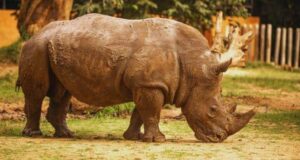
A safari during the rainy season in Rwanda can be an unforgettable experience for travellers who want to discover mountain gorillas, golden monkeys, chimpanzees, savannah wildlife and spectacular green landscapes. Although rain can make some outdoor activities more challenging, it does not mean that you should avoid visiting Rwanda during the wetter months.
Known as the Land of a Thousand Hills, Rwanda offers remarkable wildlife experiences in Volcanoes National Park, Akagera National Park and Nyungwe National Park. During the rainy season, forests become lush, hillsides turn green and the country’s landscapes provide beautiful opportunities for nature photography and birdwatching.
However, rain can affect hiking trails, road conditions, wildlife visibility and travel schedules. Understanding these conditions before departure helps you choose the right destinations, pack appropriately and enjoy your safari with realistic expectations.
At Mambo Gorilla Safaris Uganda, we help travellers explore Rwanda and neighbouring Uganda through tailor-made wildlife and primate adventures. This guide explains what to expect during Rwanda’s rainy season, the best places to visit, the advantages and challenges of travelling during wetter months, and practical tips for planning a successful safari.
When Is the Rainy Season in Rwanda?
Rwanda generally experiences two main rainy periods, although the timing and intensity of rainfall vary between regions.
- Long rainy season: Generally March to May.
- Short rainy season: Generally October to November, with seasonal variations that can extend into surrounding months.
- Longer dry season: Generally June to September.
- Shorter dry season: Generally December to February.
These are broad seasonal patterns rather than guarantees. Rain can occur during the drier months, particularly in mountainous areas and tropical rainforests.
Volcanoes National Park, in the northwestern highlands, can experience cool temperatures, mist and rainfall throughout the year. Akagera National Park in eastern Rwanda has a different climate and landscape, so conditions there may differ considerably from those in the Virunga Mountains.
For the most useful forecast, check conditions for each destination on your itinerary rather than relying on a national seasonal calendar alone.
What to Expect on a Rainy-Season Safari in Rwanda
1. Lush Green Landscapes and Beautiful Scenery
One of the main attractions of visiting Rwanda during the rainy season is the scenery. Regular rainfall supports fresh vegetation, green hillsides, flowering plants and misty mountain views.
The Virunga volcanic region can be particularly atmospheric when clouds move across the mountains and rainforest. In Akagera National Park, the rainy season transforms parts of the savannah into greener landscapes that can be rewarding for photography.
For nature lovers, these conditions provide opportunities to capture dramatic scenery and observe the changing appearance of Rwanda’s ecosystems.
However, thick vegetation can make some animals harder to spot in savannah areas. Patience and the knowledge of an experienced guide remain important for successful wildlife viewing.
2. Gorilla Trekking Can Be More Physically Demanding
Mountain gorilla trekking is one of Rwanda’s most famous wildlife experiences. Volcanoes National Park protects endangered mountain gorillas and offers guided treks to habituated gorilla groups.
Gorilla trekking continues during the rainy season, subject to permit availability and park safety decisions. However, wet conditions can make the experience more demanding.
Trails may become muddy, steep slopes can be slippery, and vegetation may be wet along the route. The time required to find a gorilla family varies according to its location, terrain and movement.
To prepare for a rainy-season gorilla trek:
- Wear sturdy waterproof hiking boots with good traction.
- Carry a waterproof jacket and a rain-resistant daypack.
- Dress in long trousers and long sleeves to protect against vegetation.
- Bring a spare pair of socks.
- Use walking poles if helpful and permitted.
- Consider hiring a porter for assistance with your bag and difficult sections.
- Follow the instructions of your authorised guide throughout the trek.
Visitors generally spend a limited period with the gorilla group once it has been located, according to the applicable park rules.
The rainy season can still provide a memorable gorilla encounter, but travellers should be comfortable with wet conditions and allow sufficient time for the activity.
3. Wildlife Viewing in Akagera National Park May Require Patience
Akagera National Park is Rwanda’s principal destination for savannah wildlife safaris. Its landscapes include grasslands, woodland, lakes and wetlands, providing habitat for a wide range of wildlife.
During the rainy season, the park can look especially green and beautiful. However, abundant water and fresh vegetation can influence where animals spend their time, while taller grass may reduce visibility in certain areas.
Wildlife sightings are never guaranteed, but visitors may encounter:
- African elephants.
- Giraffes.
- Zebras.
- Buffaloes.
- Antelopes.
- Hippos and crocodiles around water bodies.
- Lions and leopards, with luck and suitable conditions.
- A wide variety of resident and migratory birds.
Rain may temporarily interrupt a game drive or make some tracks difficult to access. Park staff and guides may change routes when necessary for safety.
A flexible itinerary is especially useful during wetter months because it allows your guide to adapt the day’s activities to the prevailing conditions.
4. Excellent Opportunities for Birdwatching
Rwanda is an appealing destination for birdwatchers, with species found in montane forests, savannahs, wetlands and lakeside habitats.
Rainy-season travel can offer lush environments and opportunities to observe seasonal bird activity. Akagera is particularly attractive for savannah and wetland birding, while Nyungwe’s forest habitats are rewarding for visitors interested in forest birds.
Depending on the destination and season, birdwatchers may encounter kingfishers, hornbills, herons, eagles, bee-eaters and numerous other species.
If birdwatching is a priority, tell your safari operator which species you hope to see. A specialist guide can help you select appropriate locations and allocate sufficient time.
5. Road Journeys May Take Longer
Rain can affect unpaved roads, rural access routes and tracks inside national parks. This may increase driving times or make certain sections temporarily inaccessible.
In mountainous areas, wet roads and mist can also require slower driving. Within parks, access to some tracks may be restricted when conditions become unsuitable.
To reduce disruption:
- Allow extra time for transfers.
- Use an appropriate safari vehicle.
- Avoid scheduling important activities too close together.
- Confirm road access with your operator before departure.
- Keep your final travel day flexible, especially if you have an international flight.
A well-planned rainy-season safari should prioritise safe travel rather than trying to fit too many destinations into a short holiday.
Best Places to Visit During Rwanda’s Rainy Season
The best destination depends on your interests. Some travellers prioritise gorillas and other primates, while others prefer classic wildlife drives, birdwatching or scenic relaxation.
1. Volcanoes National Park
Volcanoes National Park is a leading destination for mountain gorilla trekking. Located in the Virunga Mountains, the park features volcanic scenery, montane forest and bamboo vegetation.
During the rainy season, the forest becomes lush and mist often creates beautiful views of the surrounding mountains. However, hiking trails may be muddy and slippery.
Activities to consider include:
- Mountain gorilla trekking.
- Golden monkey tracking.
- Guided nature walks where available.
- Selected volcano hiking experiences.
- Community and cultural visits.
Gorilla trekking requires a valid permit and must follow the relevant park regulations. Book in advance and confirm the current permit price, availability and trekking arrangements.
Best for: Gorilla trekking, golden monkeys, forest scenery and mountain photography.
2. Akagera National Park
Akagera offers a different experience from Rwanda’s mountain forests. The park combines savannah, woodland and wetland habitats, making it a strong choice for wildlife drives and birdwatching.
During the rainy season, the landscape becomes greener and can be particularly attractive for photographers. Depending on rainfall, some park tracks may become difficult or temporarily unavailable.
Possible activities include guided game drives, birdwatching and boat excursions on Lake Ihema when scheduled and conditions permit.
Best for: Savannah wildlife, elephants, giraffes, birds and scenic photography.
3. Nyungwe National Park
Nyungwe is an important destination for rainforest biodiversity and primate experiences. Travellers visit for chimpanzee tracking, forest birdwatching and the canopy walk.
Rain can make forest paths slippery, so sturdy hiking boots and appropriate clothing are important. Chimpanzee tracking involves walking through a natural forest environment, and the duration depends on the location and movement of the chimpanzees.
The canopy walk provides a different perspective on the forest, subject to current availability and weather-related safety arrangements.
Best for: Chimpanzee tracking, forest biodiversity, birdwatching and rainforest scenery.
4. Kigali
Kigali is a convenient starting or ending point for many Rwanda safaris. It also provides opportunities to learn about the country’s history, culture, food and contemporary arts.
If rain affects outdoor sightseeing, indoor attractions such as museums, galleries and cultural venues can provide alternatives.
Consider visiting the Kigali Genocide Memorial to learn about the 1994 Genocide against the Tutsi and its lasting impact on the country. Visitors should approach this site respectfully.
Best for: History, culture, cuisine and city experiences.
5. Lake Kivu
Lake Kivu offers attractive lakeside scenery, green hills and a more relaxed atmosphere after busy days of trekking or wildlife viewing.
Depending on weather conditions, visitors may enjoy lakeside walks, boat excursions and time at a lakeside lodge. Boat activities should be confirmed locally because weather and lake conditions can affect schedules.
Best for: Scenic relaxation, lakeside stays and photography.
Advantages of Visiting Rwanda During the Rainy Season
Greener scenery
Rainfall brings fresh vegetation and vivid landscapes that appeal to nature lovers and photographers.
Potentially quieter parks
Some destinations may experience lower visitor numbers during wetter months. This can create a more relaxed atmosphere, although crowd levels vary by park and date.
Birdwatching opportunities
Seasonal changes can provide rewarding birdwatching, especially in wetlands and forest habitats.
Possible accommodation offers
Some lodges and tour operators may offer lower rates during quieter periods. Discounts are not guaranteed, so compare current quotations and check exactly what is included.
Opportunities for nature photography
Clouds, mist, fresh vegetation and changing light can create atmospheric photographs. Protect your camera equipment and allow time for changing weather.
Disadvantages of a Rainy-Season Safari in Rwanda
Before booking, consider the potential challenges.
Muddy trekking trails: Gorilla and chimpanzee tracking can become more physically demanding when forest paths are wet.
Unpredictable weather: Rain can occur even when forecasts suggest better conditions, especially in mountainous areas.
Reduced wildlife visibility: Thick vegetation may make some animals more difficult to spot in savannah parks.
Slower road transfers: Rain may affect rural roads and park tracks.
Possible activity changes: Some activities may be delayed, adjusted or cancelled if conditions are unsafe.
These challenges do not mean that a rainy-season safari is a poor choice. They highlight the importance of realistic planning, appropriate equipment and flexibility.
What to Pack for a Rainy-Season Safari in Rwanda
Packing correctly helps you stay comfortable during forest walks, game drives and transfers.
Clothing and footwear
- Waterproof hiking boots with good grip.
- Lightweight waterproof jacket.
- Quick-drying trousers and shirts.
- Long-sleeved tops and long trousers for forest activities.
- Warm layers for cool mornings and evenings.
- Spare socks and a change of clothes.
- Comfortable clothing for relaxing at your lodge.
Safari equipment
- Waterproof daypack or rain cover.
- Dry bags for electronics and documents.
- Camera rain cover.
- Binoculars.
- Reusable water bottle.
- Insect repellent.
- Sun protection for clearer weather.
- Personal medication and basic first-aid supplies.
- Walking poles if suitable for your activity.
For gorilla trekking, consider gloves that protect your hands when moving through vegetation. Keep your belongings secure and avoid leaving litter in protected areas.
Is the Rainy Season a Good Time for Gorilla Trekking in Rwanda?
Yes. Gorilla trekking is possible during Rwanda’s rainy season, subject to permits and park safety arrangements.
The key difference is often the condition of the trails rather than whether trekking is offered. Wet forest paths can make the hike more challenging, and mist or rain may affect visibility.
The length of a trek depends on the location of the assigned gorilla family and the terrain. There is no guarantee that a rainy-season trek will be shorter, easier or more difficult than a dry-season trek.
If you choose to trek during wetter months:
- Book a valid gorilla permit for your preferred date.
- Stay near the park to make the early start easier.
- Wear waterproof boots and suitable trekking clothes.
- Consider a porter if you would benefit from assistance.
- Follow your guide’s instructions and maintain the required distance from the gorillas.
Travellers who prefer firmer trails may favour the relatively drier months, generally June to September or December to February. However, rain is possible at any time, especially in the high-altitude forest.
What Does a Rainy-Season Safari in Rwanda Cost?
The total cost depends on the duration of your trip, activities, accommodation standard, group size and transport arrangements.
Your safari quotation may include:
- Accommodation and meals.
- Safari vehicle and driver-guide.
- Transfers between destinations.
- National park fees.
- Gorilla trekking or chimpanzee tracking permits.
- Game drives and scheduled boat excursions.
- Airport transfers and agreed services.
Some accommodation providers may offer seasonal deals, but prices vary. Do not assume that gorilla permits or other park activities are automatically discounted during the rainy season. Confirm current rates and conditions with the relevant authorities.
Before paying a deposit, request a written quotation that lists inclusions, exclusions, cancellation terms and any additional charges.
Tips for Planning a Successful Rainy-Season Safari
Book permits before confirming every other detail
If gorilla trekking or chimpanzee tracking is essential, check permit availability first. Match your accommodation and transport arrangements to the confirmed activity dates.
Choose a realistic itinerary
Rwanda’s parks offer different environments and experiences. Trying to visit every major destination in a short trip can lead to long drives and little time for wildlife activities.
For a shorter safari, consider focusing on Volcanoes National Park and one additional destination. Allow more days if you want to combine gorillas, chimpanzees and Akagera’s savannah wildlife.
Use a knowledgeable safari operator
An experienced operator can help organise transfers, activity schedules and accommodation while allowing for changing weather conditions.
Stay flexible
Leave space in your itinerary for longer drives, rain delays and rest. Flexibility is especially useful when travelling between mountainous and lowland destinations.
Protect your valuables
Use waterproof bags for passports, phones, cameras and other electronics. Keep important documents accessible but protected from moisture.
Follow park rules
Always follow the instructions of guides and park authorities. Do not touch or feed wild animals, and maintain the required distance during primate encounters.
Can You Combine Rwanda and Uganda During the Rainy Season?
Yes. Travellers with sufficient time can combine Rwanda’s primate experiences with Uganda’s gorilla trekking, chimpanzee tracking and savannah wildlife.
A cross-border safari can offer greater variety, but the route must account for driving times, border crossings, accommodation and separate activity permits.
If you are interested in combining both countries, explore our Rwanda safari options and Uganda wildlife and primate trekking safari as starting points. Ask Mambo Gorilla Safaris Uganda to confirm the current itinerary, availability and inclusions before booking.
Remember that gorilla trekking permits are specific to the relevant destination and must be arranged according to the rules of the country and park where the activity takes place.
Frequently Asked Questions About Rwanda Safaris During the Rainy Season
Can you go on safari in Rwanda during the rainy season?
Yes. Many activities remain possible, including gorilla trekking, chimpanzee tracking, game drives and birdwatching. Weather and road conditions may affect the experience, so confirm current arrangements and allow flexibility.
What months are rainy season in Rwanda?
The main rainy periods are generally March to May and October to November, although local patterns vary and rainfall can extend into neighbouring months.
Is gorilla trekking possible during the rainy season in Rwanda?
Yes. Gorilla trekking takes place throughout the year, subject to permit availability and safety decisions. Trails may be muddier, so wear sturdy boots and waterproof clothing.
Is Rwanda cheaper to visit during the rainy season?
Some lodges and safari providers may offer lower rates during quieter periods. Savings vary, and you should confirm current accommodation prices, permit fees and package inclusions before booking.
Can you see animals in Akagera during the rainy season?
Yes. Akagera remains a wildlife destination during wetter months. However, thick vegetation, rainfall and changing animal movements can affect visibility and sightings.
What should I wear for gorilla trekking in Rwanda during the rainy season?
Wear sturdy waterproof hiking boots, long trousers, long sleeves and a waterproof jacket. Bring spare socks and consider gloves to protect your hands when moving through vegetation.
Does it rain all day in Rwanda during the rainy season?
Not necessarily. Rainfall patterns vary by region and day. Some periods bring showers followed by clearer weather, while other days can be wet for longer. Plan for changing conditions rather than assuming a particular daily pattern.
Which Rwanda national park is best during the rainy season?
Volcanoes National Park is ideal for mountain gorilla trekking and golden monkeys, Nyungwe for chimpanzees and forest experiences, and Akagera for savannah wildlife and birdwatching. The best choice depends on your interests and current park conditions.
Plan Your Rwanda Rainy-Season Safari with Mambo Gorilla Safaris Uganda
A safari during the rainy season in Rwanda can offer lush scenery, memorable primate encounters, wildlife photography and excellent opportunities to explore the country’s diverse natural environments.
Whether your priority is mountain gorilla trekking in Volcanoes National Park, chimpanzee tracking in Nyungwe, wildlife viewing in Akagera or relaxing beside Lake Kivu, the secret to a rewarding trip is to choose a realistic itinerary and prepare for changing weather.
Contact Mambo Gorilla Safaris Uganda to request a tailor-made Rwanda safari. Share your travel dates, group size, budget and preferred experiences so your itinerary can be planned around available permits, realistic travel times and the activities that matter most to you.
With appropriate preparation and flexible planning, Rwanda’s rainy season can be a rewarding time to discover the Land of a Thousand Hills.


