Email: info@mambogorillasafarisuganda.com | Call: +256772666331

Gorilla Trekking for Seniors in Uganda: Things to Consider Before Your Trip

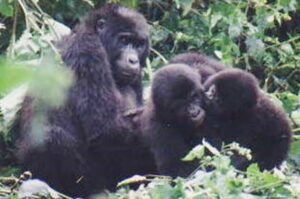
Gorilla trekking is one of the most memorable wildlife experiences in Africa, offering visitors the opportunity to observe endangered mountain gorillas in their natural rainforest habitat. For older travellers, the experience can be especially meaningful, but careful planning is important to make the journey comfortable, manageable and enjoyable.
Uganda is a leading destination for mountain gorilla trekking, with opportunities in Bwindi Impenetrable National Park and Mgahinga Gorilla National Park. Although the trek can involve steep slopes, muddy trails and long periods of walking, older visitors should not assume that age alone prevents them from participating.
The key is to assess your personal fitness, discuss any health concerns with a qualified medical professional, choose suitable accommodation, arrange assistance where necessary and understand the conditions before booking.
In this guide, Mambo Gorilla Safaris Uganda explains the most important things to consider when planning gorilla trekking for seniors in Uganda, including permits, trekking difficulty, porters, sedan chairs, accommodation, transport and alternative activities.
1. Is Gorilla Trekking in Uganda Suitable for Older People?
Yes, gorilla trekking may be suitable for many older travellers, depending on their individual health, mobility and ability to manage the terrain.
There is generally no upper age limit for gorilla trekking in Uganda. However, the absence of an upper age limit does not mean that every person can safely complete every trek. The forest terrain, weather, walking distance and location of the gorilla family can make the experience physically demanding.
Some older visitors comfortably walk through the forest with the support of a guide and porter. Others may need additional assistance, including a porter-carried sedan chair arranged in advance.
Before making a booking, consider whether you can comfortably manage uneven ground, gradual or steep slopes, humid conditions and a potentially lengthy excursion.
The most important consideration is not your age alone, but whether the activity and available assistance are appropriate for your individual needs.
2. Consult Your Doctor Before Booking
Medical preparation is particularly important for older travellers planning an active safari.
Gorilla trekking may involve exertion at altitude, walking on uneven ground, exposure to rain and changes in temperature. Anyone with concerns about their health or mobility should discuss the proposed activity with a qualified medical professional before confirming the trip.
Your clinician can help you assess your fitness for the trek, review your medication and advise on precautions relevant to your circumstances.
Consider discussing:
- Your ability to walk uphill and over uneven ground.
- Any heart, breathing, balance or joint concerns that could affect exertion.
- Current medication and how to manage it during travel.
- Vaccinations and other travel-health precautions relevant to Uganda.
- Whether you need additional rest or support during the itinerary.
- Travel insurance and access to medical assistance while travelling.
Carry essential medication in its original packaging and keep it accessible during transfers and activities. If you have a medical condition that may require emergency care, discuss an appropriate travel plan before departure.
A safari operator can help coordinate logistics, but cannot replace a medical assessment or guarantee that a trek is medically suitable.
3. Understand the Physical Difficulty of Gorilla Trekking
One of the most important things to consider when planning gorilla trekking for seniors is the difficulty of the forest walk.
Gorillas live in mountainous rainforest environments. Depending on the location of the assigned family, a trek may involve:
- Steep uphill or downhill sections.
- Muddy and slippery ground.
- Tree roots, rocks and uneven trails.
- Dense vegetation.
- Humid weather or rainfall.
- Several hours of walking and waiting.
The trek’s duration and difficulty vary from day to day. A gorilla family found relatively close to the starting point may require less walking than one that has moved farther into the forest.
There is no reliable way to promise a short or easy trek simply because a visitor is older or requests a particular group. Rangers make operational decisions based on the conditions and gorilla movements.
Be realistic about your physical abilities and tell your safari operator what kind of terrain you can comfortably manage. This information helps the team discuss possible arrangements before the trekking date.
4. Choose the Most Suitable Gorilla Trekking Sector
Bwindi Impenetrable National Park has four main gorilla trekking sectors: Buhoma, Ruhija, Rushaga and Nkuringo.
Each sector has different accommodation options, terrain and access routes. Some trails may be more manageable than others on a particular day, but no sector guarantees a gentle trek.
Buhoma sector
Buhoma is a popular starting point in northern Bwindi and has a range of accommodation choices. Some visitors consider it when looking for a potentially more manageable itinerary, but the actual trek can still be steep or demanding depending on where the gorillas are found.
Ruhija sector
Ruhija lies in the higher-altitude part of Bwindi. It is also known for forest scenery and birdwatching. Travellers should consider the elevation, local terrain and the physical demands of the planned activity.
Rushaga sector
Rushaga is in southern Bwindi and has several habituated gorilla families. The terrain and walking requirements vary, so permit availability alone should not determine your choice.
Nkuringo sector
Nkuringo is known for dramatic scenery and challenging terrain in parts of the region. Visitors with significant mobility limitations should discuss their needs carefully with their tour operator before choosing this sector.
Important: Do not choose a trekking sector based only on online claims that it is the easiest. Ask about current arrangements, accommodation access and available support, and understand that the final trek depends on the gorillas’ location and ranger guidance.
5. Consider Hiring a Porter
Hiring a porter is a practical option for older visitors, even those who expect to walk the entire trek.
A porter can carry your daypack and may provide assistance with balance on difficult sections when appropriate. This can reduce the effort required to manage your belongings and allow you to focus on walking.
Porters are local workers whose services also create income for communities around the park.
Before the trek, explain your needs and ask your guide how best to use porter assistance. A porter is not a substitute for medical care, and the level of physical support available depends on the individual and the trail conditions.
If you anticipate needing substantial mobility assistance, discuss that requirement before travelling rather than waiting until the trek begins.
6. Ask About a Sedan Chair for Visitors With Limited Mobility
A porter-carried sedan chair may be an option for visitors who cannot comfortably complete the trek on foot. It can allow some travellers with mobility limitations to participate in the gorilla encounter with the appropriate arrangements.
The chair is carried by a team of trained local porters through the forest and back. It is not the same as a paved-path wheelchair experience: the terrain can remain steep, muddy, uneven and physically challenging for the carrying team.
If you think you may need a sedan chair:
- Tell your tour operator as early as possible.
- Explain your mobility needs and any limitations on sitting or transferring.
- Ask about availability, cost, booking procedures and the carrying arrangements.
- Confirm that the chair and team can be coordinated for your trekking date.
- Discuss the plan with your healthcare professional if you have concerns about the position, duration or physical demands.
Availability, cost and suitability should be confirmed in advance with the responsible park authority and your operator. Do not assume that a chair can always be arranged at short notice.
7. Book Your Gorilla Permit in Advance
A gorilla trekking permit is required to participate in the activity. Permit availability is limited, and bookings should be made before you finalise a tightly scheduled itinerary.
When arranging a permit for an older traveller, consider more than the date alone. You should also plan the trekking sector, nearby accommodation, transportation and any assistance that may be required.
Before payment, confirm:
- The date and sector of the trek.
- The applicable permit fee for your visitor category.
- The official booking confirmation.
- Whether accommodation and transport are included in the safari package.
- Any additional arrangements required for porter or sedan-chair assistance.
- The applicable cancellation and amendment conditions.
Permit prices and administrative requirements can change. Confirm current details through the Uganda Wildlife Authority or an appropriately licensed tour operator instead of relying on outdated online prices.
8. Select Accommodation Close to the Trekking Starting Point
The right accommodation can make a substantial difference to the comfort of an older traveller.
Staying close to your assigned trekking sector can reduce early-morning driving and allow more time for breakfast, preparation and rest.
When comparing lodges, ask about:
- The distance and travel time to the trekking briefing point.
- Steps, slopes and pathways around the property.
- Ground-floor rooms or rooms with convenient access.
- Comfortable beds and private bathrooms.
- Availability of meals that meet your needs.
- Reliable hot water and suitable heating or blankets.
- Access to staff assistance when needed.
- Vehicle access and parking arrangements.
Do not assume that every lodge described as accessible has the same facilities. If you have particular mobility requirements, ask the property to confirm the specific features of your room and the route from the vehicle to the entrance.
A comfortable night before the trek can help you start the day feeling rested.
9. Arrange Comfortable Transportation
The journey to Bwindi or Mgahinga can involve several hours on the road, depending on your arrival point, route and chosen sector.
For older travellers, a well-planned transfer is important. A private vehicle may provide greater flexibility for rest stops, luggage and the pace of the journey.
Discuss the following with your operator:
- The expected driving time and road conditions.
- The vehicle type and ease of getting in and out.
- The availability of comfortable seating and space for luggage.
- Planned breaks for meals, stretching and restroom stops.
- Whether an overnight stop would make the journey more comfortable.
- The distance between your accommodation and the trekking briefing point.
Domestic flights may shorten some transfers, depending on the available route and schedule. However, flights also require transfers to and from airstrips, and baggage limits may apply.
Choose the option that best matches your mobility, budget and comfort requirements rather than selecting the fastest route automatically.
10. Prepare Physically Before the Safari
If your healthcare professional agrees that the trek is appropriate, gradual preparation can help you feel more confident.
You do not need to train like a competitive athlete, but being comfortable with ordinary walking and gentle inclines can be helpful.
Depending on your ability, preparation may include:
- Regular walks on safe, familiar routes.
- Gradually increasing walking time.
- Practising with the shoes you plan to wear.
- Using walking poles if appropriate and permitted.
- Building in rest days and avoiding sudden increases in exercise.
- Learning how to manage your daypack and water.
Do not start a strenuous exercise programme without considering your health and current fitness. Stop if you experience unusual symptoms and seek appropriate medical advice.
The aim is to arrive prepared, not exhausted.
11. Pack the Right Clothing and Equipment
The rainforest can be wet, muddy and cool, particularly early in the morning. Practical clothing and equipment help make the trek more comfortable.
Recommended items include:
- Well-fitting hiking boots with good grip.
- Long trousers and a long-sleeved shirt.
- A lightweight waterproof jacket.
- Comfortable socks.
- Gardening or trekking gloves for protection against vegetation.
- A walking pole if appropriate and permitted.
- A small daypack.
- Drinking water and any food permitted by park rules.
- Insect repellent and sun protection.
- Personal medication and essential travel documents.
- A camera or phone with flash disabled.
Avoid carrying unnecessary items. If you hire a porter, ask which belongings they can carry and what you should keep with you.
Test your footwear before the safari rather than wearing new boots for the first time on trekking day.
12. Plan for Rest, Hydration and Meals
Older travellers may benefit from a more relaxed itinerary with enough time to recover after long transfers and physically demanding activities.
Drink water regularly in line with your medical needs and the guidance of your trekking team. Eat a suitable breakfast and ask your operator whether a packed meal is provided or should be arranged.
Do not feel pressured to walk faster than is comfortable. Tell the guide if you need a pause, feel unwell or are struggling with the terrain.
Consider scheduling a quiet afternoon after the trek instead of planning another demanding activity on the same day.
The aim is to enjoy the gorilla encounter without making the rest of the holiday unnecessarily tiring.
13. Follow Gorilla Trekking Safety and Conservation Rules
Gorilla trekking is a regulated wildlife activity designed to protect visitors and the gorillas.
During the briefing, park staff explain the rules that apply to your group. Follow the ranger’s instructions throughout the trek and encounter.
Key precautions include:
- Stay with the authorised guide and group.
- Maintain the distance directed by the ranger.
- Do not touch, feed, surround or pursue the gorillas.
- Keep noise low and avoid sudden movements.
- Do not use flash photography.
- Follow all hygiene instructions.
- Do not leave litter in the forest.
- Inform the guide if you feel unwell or cannot continue safely.
Gorillas are vulnerable to some human respiratory infections. If you are ill, especially with symptoms of a potentially infectious respiratory illness, contact your operator and follow current park guidance rather than assuming it is safe to participate.
Following these rules helps protect the animals and preserves the experience for future visitors.
14. Consider a Slower Safari Itinerary
A common mistake is trying to combine too many parks into a short holiday. For older travellers, a slower itinerary can offer a better balance between wildlife viewing and rest.
For example, a five-day Uganda safari might include:
Day 1: Arrive in Uganda and transfer to a comfortable overnight stay, depending on arrival time.
Day 2: Travel towards the chosen gorilla trekking sector, with suitable breaks and an overnight stay nearby.
Day 3: Gorilla trekking, followed by rest at the lodge.
Day 4: Enjoy a scenic and less strenuous activity suited to your interests, or allow an additional recovery day.
Day 5: Begin the return journey or continue to another destination if your schedule and energy levels allow.
This is only a planning example. Driving times, permits, accessibility and individual needs must be considered before confirming the route.
If you wish to include chimpanzee tracking, a wildlife game drive or Lake Bunyonyi, consider adding more days rather than compressing every activity into one trip.
15. What If You Cannot Complete the Trek on Foot?
If you become tired or find the terrain more difficult than expected, tell your guide promptly. The guide can assess the situation and explain the options available under the park’s procedures.
A porter may help carry your belongings or provide appropriate assistance. A sedan chair may be an option if it has been arranged and the circumstances allow, but you should not rely on an unconfirmed last-minute arrangement.
Your safety is more important than completing the trek at all costs. If you have significant mobility limitations, discuss them honestly before booking so the necessary support can be considered in advance.
16. Are There Alternative Activities for Older Travellers?
Yes. If gorilla trekking does not suit your health, mobility or personal preferences, Uganda offers other wildlife and nature experiences that may be more appropriate.
Depending on your interests and the accessibility of each activity, consider:
- Kazinga Channel boat cruise: A boat trip in Queen Elizabeth National Park offers opportunities to view hippos, waterbirds and other wildlife from the water.
- Wildlife game drives: Explore suitable areas of Queen Elizabeth or Lake Mburo National Park by safari vehicle.
- Lake Bunyonyi: Enjoy scenic views, a lakeside stay or a locally organised boat trip.
- Birdwatching: Explore suitable birding locations with a knowledgeable guide.
- Scenic countryside tours: Enjoy local landscapes and community visits at a comfortable pace.
Accessibility varies by vehicle, boat, trail and accommodation. Confirm the physical requirements and facilities of each activity before booking.
You do not need to complete a strenuous trek to enjoy a rewarding Uganda safari.
17. How Much Does Gorilla Trekking for Seniors Cost?
The cost depends on the permit category, accommodation level, transport, length of stay and any additional assistance required.
A complete safari package may include:
- Gorilla trekking permit.
- Accommodation and meals.
- Safari vehicle and driver-guide.
- Transfers to and from the trekking sector.
- Porter services, where specified.
- Sedan-chair services, if arranged and included.
- Additional park visits or activities.
Do not assume that porter or sedan-chair assistance is included in the standard gorilla permit. Request a written quotation that clearly lists each service and any extra charge.
Permit prices and service fees can change, so confirm the current rates before paying.
18. Why Plan Your Senior Gorilla Trekking Safari With Mambo Gorilla Safaris Uganda?
Planning a gorilla safari for an older traveller requires attention to details that may be less important on a standard itinerary. Accommodation access, road transfers, trekking sector, available assistance and time for recovery all deserve careful consideration.
Mambo Gorilla Safaris Uganda can help you plan a trip around your travel dates, interests, budget and stated mobility requirements. Share your needs early so the proposed itinerary can be discussed before permits and accommodation are finalised.
Explore our 3-day Bwindi gorilla trekking safari, consider the 4-day Bwindi gorillas and Lake Mburo safari, or look at our 10-day Uganda wildlife and primate trekking safari for a longer holiday with more time to rest between activities.
When enquiring, tell us the age range of your group, any mobility assistance you expect to need, your preferred accommodation and the number of days available. These details help us discuss suitable options and identify arrangements that must be confirmed in advance.
Frequently Asked Questions About Gorilla Trekking for Seniors in Uganda
Is there an upper age limit for gorilla trekking in Uganda?
There is generally no upper age limit, but every traveller must be able to participate safely under the applicable rules. Health, mobility and the physical demands of the trek should be considered individually.
Can someone in their seventies or eighties go gorilla trekking?
Some travellers in their seventies and eighties do participate. Suitability depends on individual health, fitness, mobility, trail conditions and whether the necessary assistance is available. A medical consultation is advisable before booking.
Is gorilla trekking too difficult for older people?
Not necessarily. Some older travellers can walk the route with support, while others may need a porter-carried sedan chair or may decide on a different activity. Trek difficulty varies with the gorilla family’s location and conditions in the forest.
Can I use a sedan chair during gorilla trekking?
A porter-carried sedan chair may be available for visitors who cannot comfortably complete the trek on foot. It must be discussed and arranged in advance, and its suitability depends on the individual’s needs and the available service.
Which Bwindi sector is best for older travellers?
There is no sector that guarantees an easy trek. Buhoma is sometimes considered when planning for visitors who prefer a potentially more manageable route, but the actual difficulty depends on the gorilla family’s location and trail conditions. Discuss all four sectors with your operator.
Should older travellers hire a porter?
Porter assistance is worth considering. A porter can carry your daypack and may provide practical support on difficult terrain. If you need more substantial mobility assistance, discuss a sedan chair or other arrangements before travel.
Do I need a medical check before gorilla trekking?
If you have health concerns, reduced mobility or uncertainty about your ability to walk on steep and uneven ground, consult a qualified medical professional before booking. They can advise you based on your individual circumstances.
What is the best way to prepare for gorilla trekking?
Prepare gradually with appropriate walking if medically suitable, use comfortable footwear, pack light, arrange assistance in advance and allow time to rest before and after the trek.
Can older travellers enjoy Uganda without gorilla trekking?
Yes. Boat cruises, wildlife game drives, birdwatching, scenic lakes and selected cultural activities offer alternatives that may be more suitable, depending on accessibility and personal needs.
How early should I book a gorilla safari for an older traveller?
Book early enough to confirm the permit, suitable accommodation, transport and any special assistance. The earlier you explain your needs, the more time your operator has to discuss the available arrangements.
Conclusion
Gorilla trekking for seniors in Uganda can be a memorable experience when it is planned around the individual traveller rather than age alone. The most important considerations are personal health, fitness, trail difficulty, the choice of trekking sector, porter assistance, sedan-chair availability, suitable accommodation and enough time to rest.
Do not assume that every trek will be easy, and do not assume that being older automatically makes the experience impossible. Assess your needs honestly, confirm the available support in advance and follow the guidance of park staff throughout the activity.
With careful preparation and a realistic itinerary, older travellers can make informed decisions about whether gorilla trekking is right for them and how to enjoy Uganda’s remarkable wildlife and scenery.
Contact Mambo Gorilla Safaris Uganda to discuss a gorilla trekking safari tailored to your travel dates, comfort requirements and interests.


