Email: info@mambogorillasafarisuganda.com | Call: +256772666331

Gorilla Trekking During Pregnancy in Uganda and Rwanda: Is It Safe?

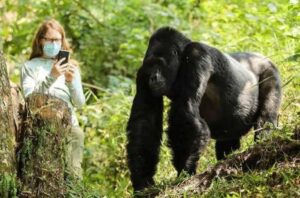
Gorilla trekking is one of Africa’s most memorable wildlife experiences, giving visitors the opportunity to observe endangered mountain gorillas in their natural rainforest habitat. Uganda and Rwanda are two of the best-known destinations for this extraordinary adventure. However, for women who are pregnant or planning a pregnancy, an important question arises: Is gorilla trekking during pregnancy safe?
The answer depends on individual health, the stage of pregnancy, the difficulty of the trek and access to medical care. Gorilla trekking can involve several hours of walking through steep, muddy and uneven forest terrain. In remote national parks, reaching a hospital with maternity services may take considerable time.
For these reasons, pregnant travellers should speak with an obstetrician before booking a gorilla trekking safari. Depending on their circumstances, postponing the trek may be the most prudent decision.
At Mambo Gorilla Safaris Uganda, we encourage visitors to plan their wildlife experiences around their health, comfort and safety. This guide explains the main considerations for pregnant women considering gorilla trekking in Uganda or Rwanda, as well as alternative safari activities to enjoy during pregnancy.
Can You Go Gorilla Trekking While Pregnant?
There is no single medical answer that applies to every pregnant woman. Pregnancy varies from person to person, and an activity that one traveller feels comfortable discussing with her doctor may be unsuitable for another.
However, gorilla trekking is generally not a suitable activity to undertake during pregnancy without careful medical assessment. The physical demands, risk of falling, remote setting and possibility of unexpected pregnancy complications deserve serious consideration.
Uganda’s mountain gorilla trekking destinations include Bwindi Impenetrable National Park and Mgahinga Gorilla National Park. In Rwanda, gorilla trekking takes place in Volcanoes National Park. These parks offer remarkable wildlife encounters, but the experience takes place in natural forest environments rather than controlled walking facilities.
Before considering a trek, pregnant travellers should discuss the following with their healthcare provider:
- Their stage of pregnancy and whether it is considered low-risk or high-risk.
- Their usual fitness level and ability to walk on steep, slippery ground.
- Any history of pregnancy complications or other medical concerns.
- The distance from the trekking area to appropriate emergency medical facilities.
- Travel vaccinations, malaria prevention and any medicines needed for the trip.
- Whether the proposed itinerary includes long road transfers or other strenuous activities.
Medical clearance does not remove every risk, and the final decision should take the advice of the treating clinician, current park requirements and practical access to emergency care into account.
Why Gorilla Trekking Can Be Risky During Pregnancy
Understanding the physical demands of a gorilla trek helps expectant mothers make informed travel decisions.
1. Steep and slippery forest trails
Mountain gorillas live in forested and mountainous environments. Depending on the location of the gorilla family, visitors may walk uphill, descend uneven slopes, cross muddy ground and move through thick vegetation.
Rain can make the trails particularly slippery. A stumble or fall can have more serious consequences during pregnancy, even for someone who is normally active.
A guide may help visitors navigate difficult sections, but no guide can eliminate the natural hazards of the forest.
2. Long periods of physical exertion
In Uganda, gorilla trekking can take approximately two to seven hours, depending on the location of the gorillas and the conditions on the day. The actual duration and difficulty vary, and the full experience can be demanding. https://ugandawildlife.org/activities/gorilla-tracking/
Pregnancy may affect balance, energy levels, tolerance of heat and the ability to sustain physical activity. The demands of a particular trek cannot be predicted precisely in advance because the gorillas move freely through their habitat.
Travellers should not assume that a short-looking itinerary means the walk will be easy.
3. Limited access to emergency maternity care
Gorilla trekking takes place in protected forest areas, often far from major hospitals. If a pregnant visitor develops concerning symptoms or experiences an unexpected complication, evacuation and access to appropriate medical care may take time.
This is an important consideration even for travellers who feel well before the trip.
Before visiting a remote destination during pregnancy, discuss emergency arrangements, medical evacuation coverage and the availability of suitable healthcare with your clinician and travel insurer.
4. Altitude, fatigue and dehydration
Some gorilla trekking routes involve elevated terrain. Walking uphill, fatigue and insufficient fluid intake can make a demanding day harder to manage.
Pregnant travellers should ask their healthcare provider how to manage exertion, hydration and altitude exposure on their proposed itinerary. They should not rely on general travel advice as a substitute for individual medical guidance.
5. Mosquito-borne illnesses and travel medication
Malaria prevention is an important part of travel planning in Uganda and Rwanda. Pregnancy can increase the consequences of malaria, and not all preventive medicines are suitable during pregnancy.
Consult an obstetrician or qualified travel-medicine clinician well before departure. Ask about malaria prevention, recommended vaccinations, food and water precautions, and any medication you may need.
Do not start, stop or change prescribed medication without professional advice.
Does the Stage of Pregnancy Matter?
Yes. The stage of pregnancy is an important part of medical travel planning, but there is no universal trimester-based rule that makes gorilla trekking safe for everyone.
First trimester
Early pregnancy can involve nausea, tiredness and dizziness, although symptoms vary widely. Some pregnancy complications can also arise during this period.
Because gorilla trekking involves strenuous activity in a remote environment, discuss the proposed trip with your clinician rather than assuming that early pregnancy makes the trek safe.
Second trimester
Some women feel more energetic during the second trimester. However, feeling well does not automatically make a strenuous forest trek appropriate.
Balance, physical comfort, individual pregnancy risks and access to emergency care remain important. Obtain personalised medical advice before deciding whether to participate.
Third trimester
As pregnancy advances, physical movement may become more difficult and the possibility of needing urgent maternity care becomes increasingly important to consider.
A remote gorilla trek may be particularly impractical during this stage. Postponing the trekking experience until after pregnancy is often the more cautious option.
Important: These are general considerations, not medical clearance criteria. Your healthcare provider is best placed to advise you based on your individual circumstances.
Gorilla Trekking in Uganda During Pregnancy
Uganda offers mountain gorilla trekking in Bwindi Impenetrable National Park and Mgahinga Gorilla National Park.
Bwindi is known for its dense rainforest, mountainous terrain and several trekking sectors: Buhoma, Ruhija, Rushaga and Nkuringo. Mgahinga offers another opportunity to see mountain gorillas in the Virunga Mountains.
The exact difficulty of a trek depends on the gorilla family’s location, trail conditions and the route used that day. Choosing a lodge close to a park entrance may reduce road travel, but it does not guarantee an easy forest walk.
Pregnant travellers considering a visit to Uganda should:
- Obtain individual medical advice before booking a trek.
- Check current requirements with the Uganda Wildlife Authority or an authorised operator.
- Consider avoiding the strenuous trek and enjoying other activities instead.
- Allow rest time and avoid an overly demanding itinerary.
- Confirm the availability of appropriate medical facilities and emergency transport.
- Check travel insurance terms relating to pregnancy, complications and medical evacuation.
For official information about Uganda’s gorilla trekking activity, visit the Uganda Wildlife Authority website: https://ugandawildlife.org/activities/gorilla-tracking/
Gorilla Trekking in Rwanda During Pregnancy
Rwanda’s main mountain gorilla trekking destination is Volcanoes National Park, in the country’s northwestern region.
Many visitors travel through Kigali and continue to the Musanze area before their trek. Although the journey can be convenient compared with some routes into southwestern Uganda, the gorilla encounter still requires walking through natural mountain forest.
A shorter transfer to the park does not make the trek itself risk-free during pregnancy. Trail conditions, physical exertion, altitude and access to emergency maternity care must all be considered.
Pregnant travellers planning a Rwanda safari should consult an obstetrician, discuss their itinerary with a reputable tour operator and confirm current requirements with the Rwanda Development Board or the relevant park authority.
Official Rwanda tourism information is available at https://visitrwanda.com/.
Should Pregnant Women Book a Gorilla Permit Before Getting Medical Advice?
It is best to seek medical advice before committing to a gorilla trekking permit or a non-refundable safari package.
Permits are limited, and the booking, cancellation and rescheduling conditions may vary. If a clinician advises against trekking, the financial consequences can depend on the applicable terms and the timing of the cancellation.
Before paying, ask your safari operator to explain:
- The permit booking and cancellation conditions.
- Whether accommodation and transport can be changed.
- Which payments are refundable or transferable.
- Whether an alternative itinerary can be arranged.
- What documentation may be required if travel plans change for medical reasons.
Do not assume that a permit can automatically be transferred or refunded because of pregnancy. Obtain the current conditions in writing before booking.
Safer Safari Alternatives for Pregnant Travellers
Not every memorable African safari needs to involve a strenuous mountain trek. Depending on medical advice, comfort and travel arrangements, pregnant visitors may be able to enjoy other wildlife and cultural experiences in Uganda or Rwanda.
1. Queen Elizabeth National Park
Queen Elizabeth National Park offers game drives through varied landscapes, with opportunities to look for elephants, buffaloes, antelopes, lions and other wildlife.
A safari vehicle can reduce the physical demands compared with hiking through a mountain forest. Ask your operator about road conditions, journey length, toilet stops and suitable accommodation.
Explore a possible itinerary with Mambo Gorilla Safaris Uganda: https://mambogorillasafarisuganda.com/3-day-exciting-tour-to-queen-elizabeth-in-uganda/
2. Kazinga Channel boat cruise
A boat cruise on the Kazinga Channel provides opportunities to observe wildlife along the water’s edge, including hippos and numerous bird species.
This can be a more relaxed way to enjoy Uganda’s wildlife, although boarding arrangements, boat stability, weather and access to toilets should be considered. Confirm suitability with your healthcare provider and the activity operator.
3. Lake Bunyonyi
Lake Bunyonyi is a scenic destination in southwestern Uganda, known for its hills, islands and tranquil lake views. Depending on individual preferences and medical advice, visitors can enjoy time at a suitable lakeside lodge, scenic viewpoints and relaxed cultural experiences.
Boat trips should be assessed individually, with attention to safety equipment, weather and access to medical help.
4. Cultural experiences and community visits
Some visitors prefer to learn about local culture, crafts, food and community life rather than undertake a strenuous trek. A carefully arranged village or cultural visit can be adapted to allow shorter walks, frequent rests and comfortable transport.
Choose responsible experiences led by local hosts, and discuss the itinerary in advance so the physical demands are clear.
5. Rwanda wildlife and scenic experiences
Depending on the route and medical advice, Rwanda offers scenic drives, cultural activities and wildlife experiences that do not require a mountain gorilla trek. Some activities still involve walking or long transfers, so ask your operator to explain the conditions before choosing.
The best alternative is one that matches your health needs, comfort and preferred travel pace.
How Mambo Gorilla Safaris Uganda Can Help You Plan Responsibly
At Mambo Gorilla Safaris Uganda, safari planning should begin with the traveller’s needs, not simply the destination.
If you are pregnant and dreaming of seeing mountain gorillas, our team can help you explore possible itineraries, accommodation, road transfers and alternative wildlife experiences. We can also help you understand the permit booking process and the conditions that apply before you commit to a trip.
Our role is to help you make informed travel arrangements, not to replace medical advice. We cannot guarantee that a pregnant traveller will be permitted or medically fit to trek, and any final decision must take account of professional healthcare guidance and the current rules of the park authorities.
If your clinician recommends postponing gorilla trekking, you can still discuss a safari focused on game drives, scenic landscapes, cultural experiences and comfortable lodge stays.
Explore Uganda safari options at https://mambogorillasafarisuganda.com/ and ask about an itinerary suited to your travel requirements.
Frequently Asked Questions About Gorilla Trekking During Pregnancy
Is gorilla trekking safe during pregnancy?
Gorilla trekking is physically demanding and takes place in remote forest terrain. It may expose pregnant travellers to risks from falls, exertion and delays in reaching medical care. Consult an obstetrician before considering the activity; postponing the trek may be the safest choice.
Can I go gorilla trekking in Uganda while pregnant?
There is no universal medical answer for every pregnancy. Uganda’s gorilla treks involve uneven terrain and potentially long periods of walking. Seek individual medical advice and confirm current requirements with the park authority before making a booking.
Can I go gorilla trekking in Rwanda while pregnant?
Rwanda’s Volcanoes National Park also involves trekking through natural mountain terrain. A shorter transfer to the park does not remove the physical demands or medical considerations. Consult your healthcare provider before deciding whether to travel or trek.
Which trimester is best for gorilla trekking?
No trimester can be described as universally safe for gorilla trekking. Pregnancy risks, fitness, terrain, trek duration and access to medical care vary. Your obstetrician should assess your circumstances and advise you on suitable activities.
Can I hire a porter or use a sedan chair during pregnancy?
Porters can help carry bags, while sedan-chair assistance may be available for certain visitors by prior arrangement. However, neither option removes the risks associated with pregnancy, remote terrain or medical emergencies. Confirm availability with the operator and park authorities, and do not treat assistance as a substitute for medical advice.
What if I have already booked a gorilla permit and discover I am pregnant?
Contact your healthcare provider and safari operator as soon as possible. Ask the relevant permit authority or authorised operator about current cancellation, transfer and rescheduling conditions. Do not assume a refund or change is guaranteed.
Can I still enjoy a Uganda safari while pregnant?
Possibly. Depending on your medical advice and individual needs, a safari with shorter transfers, comfortable accommodation, game drives and selected cultural activities may be more suitable than a strenuous gorilla trek. Every activity should be assessed individually.
When is the best time to go gorilla trekking after pregnancy?
There is no fixed waiting period that applies to everyone. Recovery varies according to the type of delivery, complications, physical condition and other personal factors. Ask your healthcare provider when strenuous walking and remote travel are appropriate for you.
Final Thoughts: Plan Your Gorilla Safari Around Your Health
Gorilla trekking in Uganda and Rwanda is an extraordinary wildlife experience, but pregnancy calls for careful consideration. Steep trails, physical exertion, remote locations and limited access to emergency maternity care can make the activity unsuitable for some expectant mothers.
Before booking, seek advice from your obstetrician, confirm current park requirements and review the financial terms of your permit and safari arrangements. If trekking is not appropriate, consider a more relaxed wildlife itinerary with game drives, scenic destinations, comfortable lodges and selected cultural experiences.
Plan your Uganda or Rwanda safari responsibly with Mambo Gorilla Safaris Uganda. Contact the team to discuss your travel needs and explore alternatives that prioritise your comfort and wellbeing.


