Email: info@mambogorillasafarisuganda.com | Call: +256772666331

How Mountain Gorillas Are Named During Rwanda’s Kwita Izina Ceremony

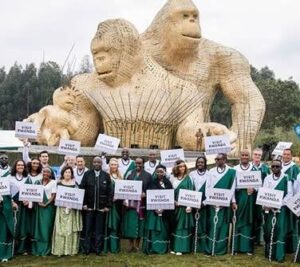
Mountain gorillas are among the world’s most remarkable wildlife species, and protecting them requires years of conservation work, dedicated park staff and support from surrounding communities. In Rwanda, one of the most important celebrations of this effort is Kwita Izina, the annual mountain gorilla naming ceremony.
But how are mountain gorillas named during Kwita Izina? Who chooses their names, what do the names mean, and why does Rwanda organise a special ceremony for baby gorillas?
Kwita Izina is inspired by a centuries-old Rwandan tradition of naming newborn children in the presence of family and community members. Rwanda adapted this cultural practice to celebrate newborn mountain gorillas, raise awareness of conservation and recognise the people working to protect them.
The first official Kwita Izina ceremony took place in 2005. Since then, the event has developed into an internationally recognised celebration of wildlife conservation, community participation and responsible tourism.
What Is Kwita Izina in Rwanda?
Kwita Izina is a Kinyarwanda expression meaning “to give a name.” In Rwanda, the ceremony brings together conservationists, park staff, local communities, government representatives, tourism professionals and invited guests to celebrate mountain gorillas and the work involved in protecting them.
The ceremony takes place near Volcanoes National Park, the protected area in northwestern Rwanda where the country’s mountain gorillas live.
Kwita Izina has two important purposes. First, it celebrates the arrival of new gorillas and recognises their place within their families. Second, it draws attention to the conservation work required to protect mountain gorillas, their forest habitat and the communities living around the park.
The event also highlights the relationship between wildlife conservation and responsible tourism in Rwanda.
How Are Mountain Gorillas Named During Kwita Izina?
Mountain gorilla naming is not simply a matter of selecting a pleasant-sounding name for a baby animal. Names can communicate meaningful messages about the gorilla, its family, conservation achievements, Rwandan culture or the people who help protect the species.
The process involves several important stages.
1. Park staff monitor births and gorilla families
Rangers, trackers, researchers and other conservation professionals closely monitor mountain gorilla groups in Volcanoes National Park.
They observe individual gorillas, record important information and follow the development of family groups. This monitoring helps conservation teams understand births, family relationships, movements and the general wellbeing of the gorillas.
The information collected by people working in the field helps conservation authorities identify gorillas for recognition during the naming ceremony.
2. Conservation teams identify gorillas for naming
The gorillas selected for Kwita Izina are identified through ongoing conservation monitoring. Newborns are observed within their natural family groups, and park staff maintain records that help distinguish individuals.
The selection is not based on a public contest in which visitors choose a baby gorilla. It is part of a managed conservation programme involving the relevant authorities and people familiar with the animals.
The ceremony can recognise newborn gorillas and babies whose births or circumstances are being formally acknowledged through the event. The number named varies from year to year.
3. Names are chosen to carry a meaningful message
A central part of Kwita Izina is the meaning behind each name. Names may celebrate strength, hope, protection, resilience, family, community involvement or Rwanda’s conservation achievements.
The individual gorilla’s story and wider conservation themes can help shape the meaning. The official descriptions published for each ceremony explain the reasons behind particular names.
For example, during the 2026 ceremony, names included:
- Ishakwe, meaning “determination,” recognising Rwanda’s commitment to biodiversity protection.
- Mukondo, meaning “starting point” or “source,” connecting gorilla protection with the wider ecosystem.
- Shikama, meaning “stand strong,” reflecting resilience.
- Mucyo, meaning “light,” recognising the role mountain gorillas play in drawing attention to biodiversity conservation.
These examples show how a name can communicate a message beyond the identity of an individual animal.
4. Selected namers officially give the gorillas their names
Kwita Izina invites people from conservation, tourism, public service, business, philanthropy, sport and other fields to act as official namers.
Their participation helps bring international attention to mountain gorilla conservation. Namers announce the names publicly during the ceremony, with each name linked to an individual gorilla and its story.
The event also recognises the people whose daily work supports gorilla protection, including rangers, trackers, researchers, veterinarians and neighbouring communities.
5. The names become part of conservation recognition
Naming a gorilla does not mean the animal is taken away from its mother or removed from its natural habitat.
Mountain gorillas remain in the wild with their families. The public ceremony celebrates them through the presentation of their names, conservation stories and other event activities. Live baby gorillas are not brought onto the ceremony stage for naming.
The records maintained by conservation professionals continue to support the identification and monitoring of individual gorillas.
When Did Rwanda Start the Kwita Izina Ceremony?
Before the official ceremony began, rangers and researchers had already been naming gorillas as part of their work to identify and monitor individual animals.
Rwanda introduced the official Kwita Izina ceremony in 2005, building on the traditional Rwandan practice of naming newborn children in the presence of family and community members.
Over time, the event has expanded into a major conservation celebration. It highlights the progress made in mountain gorilla protection and encourages continued cooperation among conservation organisations, government institutions, tourism businesses and local communities.
How Many Mountain Gorillas Were Named at Kwita Izina 2026?
Rwanda held the 21st Kwita Izina ceremony on 4 September 2026 in Kinigi, Musanze District, near Volcanoes National Park. During the event, 22 baby mountain gorillas were named.
The ceremony was held under the theme “Conservation is Life: Sustaining the Future.” It brought together local communities, conservation partners and invited guests to recognise the progress made in protecting mountain gorillas.
The number of gorillas named is different each year. Therefore, travellers researching older ceremonies should check the official event records rather than assuming the latest number applies to every edition.
Why Are Mountain Gorillas Given Names?
Naming mountain gorillas has practical, cultural and conservation significance.
Identification and monitoring
Gorilla names help conservation professionals and the public distinguish individual animals when discussing their lives and family groups. Names work alongside field records and other identification methods used by researchers and park staff.
Celebrating new life
The ceremony recognises the birth and survival of young gorillas. Infant gorillas depend on their mothers and family groups, so each birth is an important event for the conservation teams monitoring the population.
Raising awareness
Kwita Izina brings attention to the challenges facing mountain gorillas, including habitat protection, disease risks and the need to maintain safe conditions for wildlife.
Recognising conservation workers
Rangers, trackers, researchers and veterinarians contribute to gorilla conservation throughout the year. The naming ceremony offers an opportunity to recognise their work and the role of local communities.
Supporting community conservation
Tourism around Volcanoes National Park creates employment and business opportunities. Rwanda also operates a tourism revenue-sharing programme that directs a portion of eligible tourism revenue to community projects. These efforts help connect conservation with local livelihoods.
Where Does the Kwita Izina Ceremony Take Place?
Kwita Izina is held in Kinigi, in Musanze District, at the foothills of Volcanoes National Park in northwestern Rwanda.
The area is a gateway to gorilla trekking and other nature-based activities. It is surrounded by volcanic landscapes, agricultural communities and forest habitats that form part of the wider Virunga mountain ecosystem.
Visitors planning to attend the ceremony should follow official announcements for the confirmed date, programme, registration or invitation requirements. Attendance arrangements can vary, so travellers should not assume that every part of the event is open to walk-in visitors.
Can Tourists See Mountain Gorillas During Kwita Izina?
Yes, visitors can plan a gorilla trekking experience around the Kwita Izina period, subject to permit availability and park regulations. However, the naming ceremony itself is not a gorilla viewing activity.
Gorilla trekking takes place in the gorillas’ natural habitat under the supervision of authorised guides and park staff. Visitors hike through the forest to locate a habituated gorilla group and must follow all instructions about distance, behaviour, photography and health precautions.
A gorilla trekking permit is separate from attendance at the naming ceremony. Travellers should arrange the correct permit in advance and confirm the applicable booking conditions.
If you want to experience gorillas in Uganda instead, you can explore our 3 Days Gorilla Trekking in Bwindi safari.
How Does Kwita Izina Support Mountain Gorilla Conservation?
Mountain gorilla conservation depends on more than protecting animals inside a national park. It also involves protecting forest habitat, monitoring gorilla health, reducing threats and working with the people who live near protected areas.
Kwita Izina helps communicate these priorities to a wider audience.
Protecting gorilla habitats
Mountain gorillas depend on healthy forest ecosystems for food, shelter and movement. Protecting their habitat helps support gorillas and many other species.
Supporting monitoring and research
Ongoing monitoring helps conservation professionals understand births, family relationships, movements and potential health concerns. The information supports informed management of gorilla populations.
Encouraging responsible tourism
Gorilla tourism creates opportunities for visitors to learn about conservation while supporting local employment and tourism-related businesses. Responsible tourism must also prioritise the wellbeing of the gorillas and the integrity of their habitat.
Involving surrounding communities
Communities near national parks play an important role in conservation. Employment, local enterprise and community development initiatives can strengthen the relationship between people and protected areas.
Kwita Izina celebrates this shared responsibility and encourages continued support for the long-term protection of mountain gorillas.
Can You Combine Kwita Izina with a Gorilla Safari in Uganda?
Yes. Travellers can plan a Rwanda and Uganda itinerary that includes the Kwita Izina ceremony, a gorilla trekking experience and other wildlife activities. The best route depends on the event dates, available permits, border arrangements and the amount of time available.
In Rwanda, Volcanoes National Park is the main destination for mountain gorilla trekking. In Uganda, visitors can trek mountain gorillas in Bwindi Impenetrable National Park or Mgahinga Gorilla National Park.
A cross-border safari can also include wildlife viewing, cultural experiences and scenic stops. Travellers should confirm visa and entry requirements for their nationality, the border crossing they intend to use and any applicable regional travel arrangements.
For inspiration, explore our 7-Day Wildlife, Gorilla and Rwanda Safari or 10 Days of Wildlife and Primate Trekking in Uganda.
Frequently Asked Questions About Kwita Izina
1. What does Kwita Izina mean?
Kwita Izina is a Kinyarwanda expression meaning “to give a name.” Rwanda uses the tradition to celebrate baby mountain gorillas and raise awareness of conservation.
2. How are mountain gorillas named during Kwita Izina?
Conservation professionals monitor gorilla births and family groups. Selected gorillas are recognised during the ceremony, where invited namers publicly announce names chosen to carry meaningful messages about the animals, their families, culture or conservation.
3. Who gives names to baby gorillas?
Selected local and international guests, conservation professionals and other invited personalities act as official namers. Their participation helps promote awareness of gorilla conservation.
4. Are baby gorillas brought to the ceremony?
No. The ceremony does not require live baby gorillas to be taken from their mothers or brought onto the stage. Gorillas remain in their natural habitat.
5. When is Kwita Izina held?
The ceremony is generally held annually, often in September. The official date should be confirmed through Rwanda’s official Kwita Izina and tourism announcements.
6. Where is the Kwita Izina ceremony held?
It takes place in Kinigi, Musanze District, near Volcanoes National Park in northwestern Rwanda.
7. How many gorillas were named in 2026?
The 21st ceremony, held on 4 September 2026, named 22 baby mountain gorillas.
8. Can I go gorilla trekking during Kwita Izina?
Yes, if trekking permits are available for your chosen dates. Ceremony attendance and gorilla trekking are separate activities, so you should arrange each separately.
9. Can I visit Rwanda and Uganda on the same gorilla safari?
Yes. A cross-border itinerary can combine gorilla trekking in Rwanda with gorilla trekking or other wildlife experiences in Uganda. Route planning, permits, entry requirements and travel time should be confirmed before booking.
Plan Your Rwanda and Uganda Gorilla Safari with Mambo Gorilla Safaris Uganda
Rwanda’s Kwita Izina ceremony is a celebration of new life, cultural heritage and the collective effort required to protect mountain gorillas. Each name tells a story, helping connect an individual gorilla with the wider work of conservation.
If you want to experience mountain gorillas in their natural habitat, Mambo Gorilla Safaris Uganda can help you plan a Uganda gorilla trekking safari or a wider East African adventure that includes Rwanda.
Contact Mambo Gorilla Safaris Uganda to discuss your travel dates, gorilla permit availability, accommodation and a tailor-made itinerary.
Visit Mambo Gorilla Safaris Uganda to begin planning your gorilla safari.


