Email: info@mambogorillasafarisuganda.com | Call: +256772666331

Cultural Sites and Safaris in Rwanda: Discover History, Culture and Wildlife

Rwanda is one of East Africa’s most fascinating destinations for travelers who want to experience more than a traditional wildlife safari. Known as the Land of a Thousand Hills, Rwanda combines remarkable landscapes, rich cultural heritage, royal history, community experiences and exceptional wildlife encounters.
Planning cultural sites and safaris in Rwanda gives you the opportunity to explore historical landmarks, learn about Rwandan traditions, visit museums, discover local communities and experience some of Africa’s most memorable wildlife destinations.
From the historic King’s Palace Museum in Nyanza to the Kigali Genocide Memorial, Volcanoes National Park, Nyungwe Forest National Park and Akagera National Park, Rwanda offers a diverse range of experiences for curious travelers.
For visitors who want to combine Rwanda with Uganda, a cross-border itinerary can also include mountain gorilla trekking, golden monkey tracking, chimpanzee tracking and additional wildlife experiences.
At Mambo Gorilla Safaris Uganda, we help travelers plan customized East African safari experiences that combine cultural discovery, primate encounters, wildlife viewing and scenic destinations.
Why Combine Cultural Sites and Safaris in Rwanda?
A cultural and wildlife safari provides a deeper understanding of Rwanda. Instead of focusing only on national parks, you can explore the country’s history, traditions, communities and conservation efforts.
Here are some reasons to consider a cultural safari in Rwanda:
- Discover royal history: Visit heritage sites that explain Rwanda’s traditional monarchy and cultural development.
- Learn about Rwanda’s past: Explore memorial and museum experiences that provide historical context.
- Experience local culture: Discover traditional architecture, crafts, music, dance and community life.
- Go mountain gorilla trekking: Explore the forests of Volcanoes National Park.
- Discover diverse wildlife: Visit Akagera National Park for savannah wildlife and Nyungwe for rainforest experiences.
- Enjoy scenic landscapes: Explore Rwanda’s rolling hills, lakes, tea-growing regions and forested mountains.
Rwanda’s cultural attractions and national parks can be combined in different ways, depending on your travel dates, interests and budget.
1. Visit the King’s Palace Museum in Nyanza
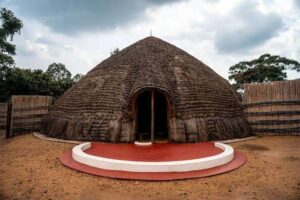
The King’s Palace Museum is one of Rwanda’s most important cultural attractions. Located in Nyanza in the Southern Province, the museum introduces visitors to the history of Rwanda’s monarchy and traditional royal life.
The reconstructed traditional palace provides insight into the architectural style and customs associated with the royal court. The wider museum experience helps visitors understand the significance of cattle, traditional leadership and royal ceremonies in Rwanda’s history.
Depending on the available activities, visitors may discover:
- Traditional royal architecture
- Rwanda’s monarchical history
- The importance of cattle in traditional society
- Royal customs and cultural practices
- The long-horned royal cattle known as Inyambo
- The historical development of the monarchy
The King’s Palace Museum is particularly suitable for travelers interested in African history, traditional leadership and cultural heritage.
Travel tip: Allow enough time to explore the museum and confirm current visiting arrangements if you want to include special cultural activities.
Official visitor information is available through the Rwanda Cultural Heritage Academy.
2. Explore the Kigali Genocide Memorial
The Kigali Genocide Memorial is one of Rwanda’s most significant historical and educational sites. Located in Gisozi, Kigali, it commemorates victims of the 1994 Genocide against the Tutsi.
The memorial offers exhibitions that help visitors understand the history of the genocide, its devastating consequences and the continuing importance of remembrance, education and preventing future atrocities.
A visit is a meaningful opportunity to learn about Rwanda’s recent history and the country’s journey toward reconciliation and renewal.
Visitors should approach the memorial with sensitivity and respect. It is a place of remembrance and burial, not simply a conventional tourist attraction.
What should you know before visiting?
- Allow sufficient time to explore the exhibitions.
- Dress and behave respectfully.
- Consider booking a guided experience in advance.
- Follow photography restrictions and visitor instructions.
- Check opening hours and special closure notices before traveling.
The official memorial website provides current visitor information and booking guidance: Kigali Genocide Memorial.
For travelers interested in history and culture, this is one of the most important stops to consider when planning cultural sites and safaris in Rwanda.
3. Discover Rwanda’s National Museums
Rwanda’s national museums offer another way to understand the country’s heritage, traditional lifestyles, art and historical development.
The Rwanda Cultural Heritage Academy manages a network of museums and heritage sites across the country. The most suitable museum for your itinerary will depend on your route and interests.
Ethnographic Museum in Huye
The Ethnographic Museum in Huye, formerly known as the National Museum of Rwanda, is known for its collections relating to traditional life, material culture and history.
Its exhibits provide context for understanding traditional crafts, social practices, clothing, tools and other aspects of life in Rwanda.
Kandt House Museum in Kigali
Kandt House Museum explores aspects of Kigali’s history and Rwanda’s natural heritage. The visitor experience includes historical interpretation and exhibits relating to the natural environment.
Rwanda Art Museum
Located at the former presidential palace site, the Rwanda Art Museum offers an opportunity to explore contemporary and modern artistic expression in the country.
Planning tip: Check the official museum website for current opening hours, visitor arrangements and admission information before including a museum in your safari schedule.
Visit the Rwanda Cultural Heritage Academy for official museum information.
4. Experience Rwandan Culture Through Local Communities
Rwanda’s culture is also experienced through everyday life, traditional crafts, food, music, dance and community activities.
A well-organized cultural visit can help travelers learn about local livelihoods and the ways communities preserve and share their heritage.
Depending on the destination and the experience available, activities may include:
- Traditional music and dance
- Local cooking experiences
- Visits to craft workshops
- Learning about traditional architecture
- Community walks
- Agricultural and rural-life experiences
- Storytelling and cultural interpretation
The most rewarding experiences are those that are locally led and respectful of the community’s preferences.
Ask your guide about the purpose of the experience and how the participating community benefits. Always request permission before photographing people, homes or cultural activities.
For travelers who want to combine culture with wildlife, a community experience can be added before or after a national park visit, depending on the route.
5. Go Mountain Gorilla Trekking in Volcanoes National Park
Volcanoes National Park is one of Rwanda’s most famous wildlife destinations and a leading location for mountain gorilla trekking.
Situated in the Virunga Mountains in northwestern Rwanda, the park protects mountain gorillas, golden monkeys, montane forest and dramatic volcanic scenery.
Gorilla trekking involves joining an authorized guided excursion to search for a habituated gorilla family. The trek can be physically demanding because trails may be steep, muddy and uneven.
When you encounter the gorillas, you can observe their behaviour in their natural habitat while following the instructions of your guides and park personnel.
What makes Volcanoes National Park special?
The park offers a combination of:
- Mountain gorilla trekking
- Golden monkey tracking
- Guided volcano hikes
- Bird watching
- Forest landscapes
- Conservation and research experiences
Important gorilla trekking advice
Book permits well in advance, especially for popular travel dates. Permit availability and prices must be confirmed for your specific dates before you finalize your trip.
Pack waterproof hiking boots, long trousers, a rain jacket and a small daypack. Be prepared for changing weather and follow all wildlife viewing rules.
For travelers interested in exploring Rwanda and Uganda together, gorilla trekking can be combined with other primate and wildlife destinations, subject to permit availability and border arrangements.
Explore Mambo Gorilla Safaris Uganda’s Rwanda safari experiences.
6. Track Golden Monkeys in Volcanoes National Park
Golden monkey tracking is another rewarding wildlife experience in Rwanda.
Golden monkeys are distinctive primates associated with the Virunga region. Tracking them provides an opportunity to explore forest habitats and observe their movements and social behaviour.
Compared with a gorilla trek, golden monkey tracking is a different experience, with active troops moving through their habitat. The actual difficulty and duration depend on conditions and the location of the monkeys.
The activity is particularly appealing to:
- Wildlife photographers
- Primate enthusiasts
- Travelers interested in conservation
- Visitors who want to add another wildlife experience to their gorilla safari
If time and budget allow, combining golden monkey tracking with gorilla trekking creates a varied primate-focused holiday.
Check current permit arrangements and activity requirements when planning your visit.
7. Explore Nyungwe Forest National Park
Nyungwe Forest National Park is a major destination for rainforest experiences and primate encounters in southwestern Rwanda.
The park protects an extensive forest ecosystem with a rich diversity of primates, birds and plants. It is especially popular with visitors interested in chimpanzee tracking, forest walks and bird watching.
Things to do in Nyungwe Forest
Depending on current operating arrangements, visitors can consider:
- Chimpanzee tracking
- Guided forest walks
- Bird watching
- Nature photography
- Primate viewing
- The famous canopy walkway experience
The canopy walkway offers an elevated perspective over the forest and is a highlight for many visitors. Availability and access should be confirmed before travel.
Nyungwe is an excellent choice for travelers who prefer rainforest exploration to traditional savannah game drives.
It can also be combined with cultural visits in southern Rwanda, although travelers should allow sufficient time for road transfers between destinations.
8. Visit Akagera National Park for a Classic Wildlife Safari
Akagera National Park offers a different experience from Rwanda’s mountain forests. Located in the eastern part of the country, it features savannah, lakes, wetlands and woodland habitats.
The park is an important destination for travelers who want to enjoy a traditional African wildlife safari while exploring Rwanda.
Depending on wildlife movements and conditions, visitors may encounter elephants, buffaloes, giraffes, zebras, antelopes and numerous bird species. Lions, leopards and other predators may also be present, but sightings are never guaranteed.
Popular activities in Akagera
- Guided game drives
- Wildlife photography
- Bird watching
- Scenic drives through the park
- Boat excursions when available
- Sunrise and sunset wildlife viewing
Akagera can be a rewarding addition to a Rwanda cultural itinerary because it provides a contrast to Kigali’s heritage sites and the country’s mountainous forest destinations.
Plan enough time for the drive from Kigali, the park activities and your accommodation arrangements.
9. Explore Lake Kivu and Rwanda’s Scenic Landscapes
Lake Kivu is one of Rwanda’s most attractive destinations for travelers seeking lakeside scenery and relaxation.
The lake’s surroundings include green hills, waterfront communities and scenic viewpoints. Towns along the lake can provide opportunities for relaxation, boat activities where available and visits to local businesses.
A Lake Kivu extension can be particularly appealing after several days of trekking or wildlife viewing.
Possible experiences include:
- Enjoying lakeside scenery
- Taking a boat trip with an appropriate local operator
- Exploring nearby towns
- Photographing the surrounding hills
- Relaxing at a lakeside lodge
- Learning about local livelihoods
Lake Kivu can also form part of a longer journey between Rwanda and southwestern Uganda. Border-crossing plans should account for the selected crossing point, immigration requirements and travel time.
10. Discover Traditional Architecture, Crafts and Local Food
Cultural tourism is not limited to museums and historical buildings. Rwanda’s traditional architecture, handicrafts and food culture offer additional ways to learn about local life.
Depending on the experience arranged, travelers can discover local crafts, learn about traditional building styles, sample regional dishes and observe how communities maintain cultural practices in contemporary life.
Food experiences may include locally prepared meals featuring ingredients such as beans, plantains, sweet potatoes, vegetables and other staples. The menu varies by location and host.
For a more personal experience, consider a locally guided activity where hosts explain the meaning and history behind the food, craft or tradition being shared.
Always inform your tour operator of dietary requirements before the activity.
Suggested 7-Day Cultural Sites and Safari Itinerary in Rwanda
A seven-day itinerary can combine Kigali’s historical attractions, Rwanda’s royal heritage and selected wildlife experiences. The schedule below is a sample plan and should be adjusted according to permit availability, operating hours, accommodation and road conditions.
Day 1: Arrive in Kigali
Arrive in Kigali and transfer to your accommodation.
Depending on your arrival time, enjoy a relaxed introduction to the city and prepare for the following day’s activities.
Overnight: Kigali.
Day 2: Kigali Cultural and Historical Tour
Visit the Kigali Genocide Memorial and allow adequate time for the historical exhibitions.
Depending on your interests and the available time, add another accessible cultural attraction or museum.
Overnight: Kigali.
Day 3: Travel to Nyanza and Visit the King’s Palace Museum
Travel to Nyanza to explore the King’s Palace Museum and learn about Rwanda’s royal heritage.
Allow time for the journey and the museum visit. If your schedule permits, discuss other cultural attractions in the area with your guide.
Overnight: Nyanza or another suitable location based on your route.
Day 4: Travel to Volcanoes National Park
Continue toward northwestern Rwanda, enjoying the changing scenery of the countryside.
Arrive in the Volcanoes National Park area, check in and prepare for your scheduled activity.
Overnight: Volcanoes National Park area.
Day 5: Gorilla Trekking
Attend the required briefing and join the authorized gorilla trekking activity for which your permit has been confirmed.
The trek may take several hours, depending on the gorillas’ location and forest conditions. After the trek, return to your accommodation and relax.
Overnight: Volcanoes National Park area.
Day 6: Golden Monkey Tracking or a Cultural Experience
Choose golden monkey tracking or a suitable cultural activity, depending on availability, budget and interests.
Alternatively, travelers who prefer a slower pace can enjoy scenic experiences around the region.
Overnight: Volcanoes National Park area or Kigali, depending on the next day’s plans.
Day 7: Return to Kigali and Departure
Travel back to Kigali and transfer to the airport or your next destination.
Allow sufficient time for the road journey and airport check-in. If your flight is early, an additional night in Kigali may be necessary.
Important: This itinerary does not include Nyungwe Forest or Akagera National Park. Adding either destination will usually require extra days to avoid rushing between locations.
How Much Does a Cultural and Wildlife Safari in Rwanda Cost?
The cost of a Rwanda cultural and wildlife safari depends on the destinations, activities, accommodation and transportation selected.
Key factors include:
- Number of travelers
- Length of the safari
- Accommodation category
- Private or shared transport
- Gorilla trekking permits
- Golden monkey tracking permits
- National park and activity fees
- Museum admission and cultural experiences
- Meals and other inclusions
Gorilla trekking is often a major part of the budget. Confirm the applicable permit price and availability for your dates before making non-refundable travel arrangements.
Museum charges and other activity fees can differ according to the site and visitor category. Ask for an itemized quotation so you understand what is included and what must be paid separately.
Mambo Gorilla Safaris Uganda can help you plan an itinerary that matches your interests and budget.
Best Time to Visit Rwanda for Cultural Sites and Safaris
Rwanda’s cultural attractions can generally be incorporated into travel throughout the year. Wildlife and outdoor activities, however, may be affected by rainfall, trail conditions and local operating arrangements.
When choosing your travel dates, consider:
- Your preferred gorilla trekking date
- Permit availability
- Weather conditions for hiking and forest activities
- Museum and memorial opening arrangements
- Your planned route between destinations
- Public holidays and special closure notices
Mountain gorilla trekking takes place in a forest environment, so rain and muddy trails are possible even during generally drier periods.
Confirm activity schedules before departure, particularly if you are visiting a memorial or museum on a public holiday or during a special event.
What Should You Pack for a Rwanda Cultural and Wildlife Safari?
Your packing list depends on the activities and regions included in your itinerary.
Consider bringing:
- Comfortable walking shoes
- Waterproof hiking boots for gorilla trekking
- Long trousers and long-sleeved shirts
- A lightweight rain jacket
- A warm layer for cool mornings
- Sunscreen and insect repellent
- A reusable water bottle
- A small daypack
- Binoculars for wildlife viewing
- A camera and spare batteries
- Personal medication
- Suitable clothing for cultural and memorial visits
For gorilla trekking, waterproof clothing and good footwear are particularly important. For cultural visits, dress respectfully and follow local guidance on photography and conduct.
Responsible Cultural Tourism in Rwanda
Responsible travel helps protect Rwanda’s cultural heritage and supports local communities.
Follow these principles during your trip:
- Respect historical sites. Follow visitor rules and guidance from cultural custodians.
- Visit memorials thoughtfully. Remember that genocide memorials are places of remembrance and education.
- Support local businesses. Choose reputable local guides, artisans and community enterprises.
- Ask permission before photographing people. Respect privacy and cultural preferences.
- Follow wildlife rules. Listen to park guides and maintain the required distance from animals.
- Avoid damaging heritage sites. Do not remove objects or interfere with historic structures.
- Choose responsible operators. Ask how activities support conservation and local communities.
These simple actions help ensure that tourism benefits the places and people who make Rwanda such a rewarding destination.
Can You Combine Rwanda and Uganda on One Safari?
Yes. Rwanda and Uganda can be combined in one East African itinerary, particularly for travelers interested in mountain gorillas and other primates.
A cross-border itinerary might include:
Kigali + Volcanoes National Park + Mgahinga Gorilla National Park + Bwindi Impenetrable National Park.
Depending on the route, available permits and travel time, you may also add golden monkey tracking, chimpanzee tracking, Lake Kivu or other wildlife destinations.
Cross-border travel requires advance planning. Confirm passport and visa requirements, the chosen border crossing, transportation arrangements and the validity of your travel documents.
For travelers who want a wider regional experience, Mambo Gorilla Safaris Uganda can help coordinate a Rwanda-Uganda safari around the selected activities and available time.
Explore our Rwanda safari experiences for further itinerary ideas.
Why Book Your Rwanda Cultural and Wildlife Safari With Mambo Gorilla Safaris Uganda?
A successful cultural and wildlife holiday depends on more than choosing attractive destinations. You also need to coordinate travel times, accommodation, park activities, permits and site opening arrangements.
Mambo Gorilla Safaris Uganda can help you develop a customized itinerary based on your interests, travel dates, group size and budget.
Your safari can be designed to include:
- Kigali cultural and historical tours
- The King’s Palace Museum
- Rwanda’s national museums
- Mountain gorilla trekking
- Golden monkey tracking
- Nyungwe Forest experiences
- Akagera wildlife safaris
- Lake Kivu excursions
- Cross-border Uganda and Rwanda itineraries
Whether you want a short cultural tour, a primate-focused holiday or a longer East African adventure, planning the route carefully will help you make the most of your time.
Start planning your customized Rwanda safari with Mambo Gorilla Safaris Uganda. Share your preferred travel dates, budget and must-see attractions to begin building your itinerary.
Frequently Asked Questions About Cultural Sites and Safaris in Rwanda
What are the best cultural sites to visit in Rwanda?
Popular options include the King’s Palace Museum in Nyanza, the Kigali Genocide Memorial, the Ethnographic Museum in Huye, Kandt House Museum and Rwanda Art Museum. Check current visitor arrangements before visiting.
What is the King’s Palace Museum famous for?
The King’s Palace Museum introduces visitors to Rwanda’s royal history, traditional architecture, royal customs and the cultural importance of cattle, including the long-horned Inyambo.
Is the Kigali Genocide Memorial worth visiting?
For travelers interested in understanding Rwanda’s history, the memorial offers an important educational and remembrance experience. Visitors should approach it respectfully and allow sufficient time for the exhibitions.
Can I combine cultural tours with gorilla trekking in Rwanda?
Yes. You can combine cultural sites in Kigali or Nyanza with mountain gorilla trekking in Volcanoes National Park. The itinerary should account for travel times, permit availability and museum opening arrangements.
What wildlife can I see in Rwanda?
Depending on the destination, visitors may encounter mountain gorillas, golden monkeys, chimpanzees, elephants, buffaloes, giraffes, zebras, antelopes and many bird species. Sightings depend on location and conditions and are not guaranteed.
How many days are needed for a Rwanda cultural and wildlife safari?
Five to seven days can provide a good introduction to Kigali, selected cultural sites and Volcanoes National Park. A longer itinerary is recommended if you want to include Nyungwe Forest or Akagera National Park as well.
Can I combine Rwanda and Uganda on one trip?
Yes. A cross-border itinerary can include gorilla trekking in Rwanda and Uganda, golden monkey tracking, chimpanzee tracking and other wildlife activities. Confirm current immigration requirements and permit availability before booking.
How do I book a cultural and wildlife safari in Rwanda?
Choose your preferred travel dates, group size, accommodation category and must-see activities. Contact Mambo Gorilla Safaris Uganda to discuss your itinerary, check availability and receive a quotation.
Final Thoughts: Experience the Best Cultural Sites and Safaris in Rwanda
Rwanda offers much more than beautiful hills and mountain gorillas. Its royal heritage, museums, historical memorials, local communities and diverse national parks provide a richer way to experience the country.
From learning about Rwanda’s monarchy in Nyanza to reflecting on its history in Kigali, trekking through the forests of Volcanoes National Park and exploring Akagera’s wildlife, there are many ways to create a memorable journey.
Plan your cultural sites and safari in Rwanda with Mambo Gorilla Safaris Uganda and combine the experiences that matter most to you, whether that means heritage, gorilla trekking, wildlife viewing or a cross-border adventure with Uganda.


