Email: info@mambogorillasafarisuganda.com | Call: +256772666331

Cultural Sites and Safaris in Uganda: Discover Heritage, Wildlife and Authentic Experiences

Uganda is one of East Africa’s most rewarding destinations for travelers who want to experience more than wildlife. Known as the Pearl of Africa, the country combines remarkable biodiversity with centuries of cultural traditions, historic kingdoms, traditional music, community experiences and spectacular landscapes.
Planning cultural sites and safaris in Uganda allows you to explore the country’s heritage while enjoying unforgettable adventures such as mountain gorilla trekking, chimpanzee tracking, savannah game drives and boat cruises.
From the historic royal heritage of Buganda in Kampala to Batwa cultural experiences near Bwindi and Mgahinga, Uganda offers many opportunities to learn about local communities and their relationship with the land. You can combine these experiences with wildlife destinations such as Queen Elizabeth National Park, Murchison Falls National Park and Kibale Forest.
At Mambo Gorilla Safaris Uganda, we help travelers plan personalized Uganda safari experiences that combine cultural discovery, wildlife viewing, primate adventures and scenic destinations.
Why Combine Cultural Sites and Safaris in Uganda?
A cultural and wildlife safari gives you a more complete understanding of Uganda. Instead of seeing only animals and landscapes, you also discover the traditions, histories and communities that make each region unique.
Here are some reasons to include cultural experiences in your Uganda itinerary:
- Discover Uganda’s history: Visit important heritage sites, royal landmarks and cultural institutions.
- Meet local communities: Learn about traditional livelihoods, crafts, music, dance and everyday life.
- Experience mountain gorilla trekking: Explore the forests of southwestern Uganda.
- Enjoy wildlife safaris: Search for elephants, lions, buffaloes, antelopes and other wildlife.
- Support community tourism: Choose responsible experiences that benefit local guides, cultural practitioners and community enterprises.
- Explore different landscapes: Combine cultural towns, lakes, forests, mountains and savannah parks in one journey.
Uganda’s cultural heritage is diverse, reflecting different kingdoms, communities, languages and traditions. The country’s cultural attractions range from royal burial grounds and historical landmarks to traditional performances and community-led experiences.
1. Visit the Kasubi Royal Tombs in Kampala
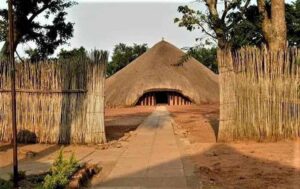
The Kasubi Royal Tombs are among Uganda’s most important cultural heritage sites. Located in Kampala, the site is associated with the Buganda Kingdom and serves as a royal burial ground and a significant spiritual centre for the Baganda people.
The tombs are recognized on UNESCO’s World Heritage List for their historical, architectural and cultural importance. The traditional architecture, use of natural building materials and continuing cultural practices make the site an important place to learn about Buganda’s heritage.
During a visit, travelers may learn about:
- The history of the Buganda Kingdom
- The role of the Kabaka, or king
- Traditional Ganda architecture
- Royal customs and cultural practices
- The importance of preserving living heritage
Visitors should approach the site respectfully because it is not simply a tourist attraction; it also has spiritual and cultural significance.
Travel tip: Confirm access and visiting arrangements before adding Kasubi to your itinerary, as heritage sites may have conservation work or visitor restrictions.
For more information, consult the UNESCO World Heritage Centre’s Kasubi Tombs page.
2. Explore Mengo Palace and Buganda’s Royal Heritage
Mengo Palace, also known as the Kabaka’s Palace, is another important landmark for understanding the Buganda Kingdom.
Located in Kampala, the palace provides historical context for the kingdom’s leadership, political development and relationship with Uganda’s wider history. Nearby Buganda institutions and heritage landmarks can add depth to a guided cultural tour.
A well-planned visit can help travelers understand how traditional kingdoms continue to influence cultural identity and community life.
Depending on access arrangements, a cultural tour around Kampala may include discussions about:
- The history of the Buganda monarchy
- Traditional leadership and governance
- Buganda customs and ceremonies
- The Luganda language
- The role of cultural institutions in modern Uganda
Travelers should confirm which areas are open to visitors and follow any restrictions imposed by the relevant authorities or cultural custodians.
3. Discover the Uganda National Museum
The Uganda National Museum has traditionally been an important place to explore the country’s cultural and natural heritage. Its collections have included traditional musical instruments, ethnographic displays, archaeological material and exhibits relating to everyday life in Uganda.
A museum visit can provide useful background before traveling to different regions, especially for visitors who want to understand the cultural diversity they encounter during a safari.
Important planning note: The official Uganda Museums visitor information currently reports that the Uganda National Museum is temporarily closed for renovations. Check the official Uganda Museums website for updated reopening information before planning a visit.
If it remains closed during your travel dates, ask your safari planner about alternative accessible heritage sites in Kampala.
4. Experience Batwa Culture in Southwestern Uganda
The Batwa are Indigenous people with deep historical connections to the forests of the Albertine Rift. Cultural experiences around southwestern Uganda can introduce visitors to Batwa history, forest knowledge, music, storytelling and the community’s relationship with the surrounding landscape.
Batwa-led experiences near Bwindi and Mgahinga can complement a gorilla trekking safari by adding a human and cultural perspective to the region’s conservation story.
Depending on the specific experience, activities may include:
- Learning about traditional forest knowledge
- Listening to stories about historical ways of life
- Experiencing music and dance
- Learning about traditional food and crafts
- Understanding the relationship between communities and protected forests
Choose experiences led by community members and ask how participation supports local livelihoods. Approach the experience with respect and avoid treating people’s traditions as performances detached from their history.
Best combination: Batwa cultural experience, mountain gorilla trekking and a scenic visit to Lake Mutanda or Lake Bunyonyi.
Mambo Gorilla Safaris Uganda can help you explore suitable cultural activities alongside a gorilla safari, subject to availability and local arrangements.
5. Discover Traditional Communities and Cultural Performances
Uganda’s cultural diversity extends beyond the major royal sites. Different regions have distinctive languages, traditional foods, crafts, music, dance and social customs.
A community visit can help travelers appreciate these differences through direct interaction with local hosts.
Depending on the destination, an experience may include:
- Traditional music and dance
- Local cooking demonstrations
- Handicraft-making activities
- Village walks
- Visits to community projects
- Learning about farming and local livelihoods
- Storytelling and cultural interpretation
The best experiences are those in which local people choose how their culture is shared and receive a fair benefit from tourism.
Ask permission before photographing people, follow your guide’s advice and respect any cultural practices or places where photography is restricted.
6. Go Mountain Gorilla Trekking in Bwindi Impenetrable National Park
Mountain gorilla trekking is one of Uganda’s most celebrated wildlife experiences. Bwindi Impenetrable National Park, in southwestern Uganda, protects an important population of endangered mountain gorillas in an ancient forest landscape.
Visitors join a guided trek with authorized park personnel to locate a habituated gorilla family. The walk may take several hours, and terrain can be steep, muddy or uneven.
Along the way, you may encounter dense vegetation, forest birds, butterflies and other signs of the rich ecosystem.
A gorilla safari can be combined with a cultural experience in the surrounding region, making it an excellent choice for travelers interested in both wildlife and local heritage.
What to know before booking
- Gorilla trekking permits must be arranged for your travel date.
- Permit availability should be confirmed before finalizing the itinerary.
- Participants must follow park rules and ranger instructions.
- Appropriate hiking boots and rain protection are recommended.
- Physical demands vary according to the gorilla family’s location and trail conditions.
For travelers who want a shorter primate holiday, see Mambo Gorilla Safaris Uganda’s 3 Days Bwindi Gorilla Trekking Tour.
7. Explore Mgahinga Gorilla National Park
Mgahinga Gorilla National Park is another excellent destination for combining wildlife and cultural experiences in southwestern Uganda.
The park lies within the Virunga Mountains and protects mountain gorillas, golden monkeys, montane forest and volcanic scenery. It is also associated with Batwa cultural experiences that help visitors learn about the Batwa’s historical relationship with the forest.
Activities may include:
- Mountain gorilla trekking
- Golden monkey tracking
- Guided volcano hiking
- Bird watching
- Nature walks
- Community and cultural experiences
The three volcanoes associated with the park are Mount Muhabura, Mount Gahinga and Mount Sabyinyo. Hiking options differ in difficulty, so choose an activity that matches your fitness and available time.
Mgahinga is especially suitable for travelers who want primate encounters, mountain landscapes and cultural discovery within the same region.
8. Visit Queen Elizabeth National Park for Wildlife Safaris
Queen Elizabeth National Park is one of Uganda’s best-known savannah and wetland wildlife destinations. It offers a contrast to the forest environments of Bwindi and Mgahinga.
Depending on wildlife movements and conditions, a safari may provide opportunities to see elephants, buffaloes, antelopes, hippos and numerous bird species. Lions and other predators may also be encountered, although sightings are never guaranteed.
Popular activities include:
- Guided game drives
- A boat cruise on the Kazinga Channel
- Bird watching
- Scenic drives through the park
- Exploring the Ishasha sector, known for its tree-climbing lion sightings
For a cultural and wildlife holiday, you can combine a game drive with a suitable community visit arranged around your route.
See Mambo Gorilla Safaris Uganda’s 3-Day Queen Elizabeth National Park Safari.
9. Discover Murchison Falls National Park
Murchison Falls National Park is another strong choice for travelers interested in Uganda’s natural heritage and wildlife.
The park is famous for the Nile River forcing its way through a narrow gorge at Murchison Falls. The surrounding landscape includes savannah, woodland, riverine habitats and wetlands.
Depending on your itinerary, you can enjoy:
- Game drives across the savannah
- A boat trip on the Nile
- A visit to viewpoints around the falls
- Bird watching
- Photography and scenic stops
- Wildlife viewing along the river
Murchison Falls can be combined with cultural experiences in communities along a suitable route, provided sufficient time is allowed for travel and activities.
Explore Mambo’s 3-Day Murchison Falls Safari when planning a wildlife extension.
10. Visit Kibale Forest for Chimpanzee Tracking
Kibale Forest National Park is a leading destination for travelers interested in chimpanzees and other primates.
Guided chimpanzee tracking introduces visitors to forest habitats and the behaviour of our closest living relatives. The forest is also home to other primates and a variety of birds and plants.
A Kibale visit can be combined with a community experience in the surrounding area, depending on the activities available and the route chosen.
For primate enthusiasts, a particularly rewarding itinerary is:
Kibale chimpanzee tracking + Bwindi gorilla trekking + a cultural experience in southwestern Uganda.
This combination offers a broader experience of Uganda’s forests, wildlife and communities.
11. Explore the Source of the Nile and Jinja
Jinja offers a different side of Uganda, combining the River Nile, lakeside scenery, adventure tourism and cultural history.
Visitors can explore the area around the source of the Nile, learn about its importance to local communities and enjoy a range of activities available in the region.
Depending on your interests, a Jinja visit may include:
- A boat trip near the source of the Nile
- River and lakeside scenery
- Local food and crafts
- Guided cultural activities
- Optional adventure experiences
- Photography and relaxation
When arranging a visit, use qualified activity providers and check safety requirements for any adventure activities.
Jinja is a good addition to a longer Uganda itinerary that begins or ends in Kampala.
12. Discover Uganda’s Traditional Kingdoms
Uganda’s traditional kingdoms are an important part of its cultural landscape. The Buganda, Busoga, Tooro and Bunyoro kingdoms, among other cultural institutions and communities, have distinct histories and traditions.
A well-organized cultural tour can introduce visitors to the role of traditional leadership, local languages, ceremonies, food, crafts and community identity.
Possible themes include:
- Royal history and traditional governance
- Cultural architecture and historic sites
- Traditional music and dance
- Regional foods and crafts
- Oral history and storytelling
- The relationship between heritage and modern life
Not every palace, ceremony or cultural institution is open to tourists at all times. Confirm visitor arrangements in advance and respect the guidance of local custodians.
Suggested 7-Day Cultural Sites and Safari Itinerary in Uganda
A seven-day trip can combine cultural discovery with some of Uganda’s most memorable wildlife experiences. The itinerary below is a sample plan; the route may need adjusting according to permit availability, arrival time, road conditions and your chosen accommodation.
Day 1: Arrive in Entebbe and Transfer to Kampala
Arrive in Uganda and meet your safari representative. Depending on your arrival time, enjoy a relaxed introduction to Kampala or Entebbe.
If suitable sites are open, include a guided cultural visit. Otherwise, use the day to rest and prepare for the journey ahead.
Overnight: Kampala or Entebbe.
Day 2: Explore Cultural Heritage in Kampala
Visit accessible cultural landmarks associated with Buganda’s history. Depending on opening arrangements, your tour may include the Kasubi Royal Tombs or other suitable heritage sites.
Learn about the history of traditional kingdoms, local customs and the cultural diversity of Uganda.
Overnight: Kampala or Entebbe.
Day 3: Travel to Queen Elizabeth National Park
Travel west through Uganda’s changing landscapes toward Queen Elizabeth National Park.
After arrival, enjoy a planned activity if time permits. The exact schedule depends on your departure time and road conditions.
Overnight: Queen Elizabeth National Park area.
Day 4: Game Drive and Kazinga Channel Boat Cruise
Enjoy a guided game drive in search of wildlife. Later, take a boat cruise on the Kazinga Channel, known for its hippos, waterbirds and other wildlife along the shores.
Overnight: Queen Elizabeth National Park area.
Day 5: Transfer to Bwindi or Mgahinga
Travel to the gorilla trekking region in southwestern Uganda. Depending on your selected park, permit arrangements and accommodation, your guide will organize the most suitable route.
Enjoy the scenic mountain landscape and relax before the next day’s activity.
Overnight: Bwindi or Mgahinga area.
Day 6: Gorilla Trekking and Cultural Experience
Join the authorized gorilla trekking activity for which your permit has been confirmed.
After the trek, if timing and your energy allow, enjoy a community or cultural experience. Alternatively, arrange the cultural visit for another suitable time.
Overnight: Bwindi or Mgahinga area.
Day 7: Cultural Visit and Departure or Safari Extension
Enjoy a cultural experience or scenic stop if your schedule allows, then begin the journey to your next destination.
Depending on your flight and route, you may need an additional overnight stay. For a more relaxed trip, consider extending your safari rather than rushing between destinations.
Important: A seven-day itinerary combining Kampala, Queen Elizabeth and southwestern Uganda involves substantial road travel. Travelers with more time may prefer a longer itinerary to enjoy each destination without rushing.
How Much Does a Cultural and Wildlife Safari in Uganda Cost?
The cost of a cultural and wildlife safari depends on several factors:
- Number of travelers
- Number of travel days
- Accommodation category
- Private or shared transportation
- Gorilla or chimpanzee permits
- Park entry and activity fees
- Cultural experience charges
- Meals and other inclusions
- Travel season and route
Gorilla trekking can significantly affect the overall budget because permits are a separate, date-dependent booking requirement. Other cultural activities have their own arrangements and fees, which should be confirmed before travel.
For an accurate quotation, tell Mambo Gorilla Safaris Uganda your preferred travel dates, group size, accommodation level and the experiences you want to include.
Best Time to Visit Uganda for Cultural Sites and Safaris
Uganda’s cultural sites and wildlife destinations can be visited throughout the year, but weather conditions may affect trekking, hiking, road travel and outdoor activities.
Many travelers prefer generally drier periods for forest trekking and game drives. However, conditions vary by region, and rain is possible even during drier months.
When choosing your travel dates, consider:
- The availability of gorilla and chimpanzee permits
- Your preferred wildlife activities
- The condition of roads and hiking trails
- Cultural site opening arrangements
- School holidays and expected visitor demand
- The amount of time available for travel
Rather than selecting dates based only on weather, plan around your most important experiences and confirm current operating arrangements before paying for the trip.
What Should You Pack for a Uganda Cultural and Wildlife Safari?
Your packing list will depend on the regions and activities included in your itinerary.
Consider bringing:
- Lightweight, comfortable clothing
- Long trousers and long-sleeved shirts for forest trekking
- Waterproof hiking boots for gorilla trekking
- A rain jacket
- A warm layer for cool mornings and evenings
- Sunscreen and insect repellent
- A reusable water bottle
- A small daypack
- Binoculars for bird watching and wildlife viewing
- A camera and spare batteries
- Personal medication
- Some cash for appropriate local purchases and tips
For cultural visits, choose respectful clothing and follow local guidance on dress and photography. Your safari operator can provide destination-specific advice before departure.
Responsible Cultural Tourism in Uganda
Responsible travel helps protect cultural heritage and supports the people who share it with visitors.
Keep these principles in mind during your trip:
- Respect local customs. Listen to your guide and follow instructions at cultural and sacred sites.
- Ask before taking photographs. Some people, ceremonies and locations may not be photographed.
- Choose community-led experiences. Where possible, book activities that provide a clear benefit to local hosts.
- Buy local crafts responsibly. Purchase from legitimate artisans and ask about the story behind their work.
- Protect wildlife and habitats. Follow park rules and maintain the required distance from animals.
- Avoid intrusive behaviour. Treat cultural experiences as opportunities to learn and connect, not as staged spectacles.
- Respect heritage sites. Do not touch, remove or damage historic objects or structures.
Cultural tourism is most meaningful when it respects local people’s choices and helps preserve traditions for future generations.
Why Book Your Cultural Sites and Safaris in Uganda With Mambo Gorilla Safaris Uganda?
Combining Uganda’s cultural attractions with wildlife destinations requires thoughtful planning. Distances between regions can be considerable, while permits, opening hours, accommodation and activity schedules may affect your route.
Mambo Gorilla Safaris Uganda can help you build an itinerary around your interests, travel dates, group size and budget.
Your safari can be designed to include:
- Cultural heritage visits in Kampala
- Community and Batwa cultural experiences
- Mountain gorilla trekking
- Chimpanzee tracking
- Queen Elizabeth National Park
- Murchison Falls National Park
- Scenic lakes and mountain destinations
- Private road transfers and accommodation arrangements
You can begin with a short gorilla safari or create a longer journey combining primates, wildlife and culture.
Explore our 3-Day Bwindi Gorilla Trekking Tour or 10-Day Wildlife and Primate Trekking Safari in Uganda for ideas on extending your trip.
Frequently Asked Questions About Cultural Sites and Safaris in Uganda
What are the best cultural sites to visit in Uganda?
Popular options include the Kasubi Royal Tombs, landmarks associated with Buganda’s royal heritage, traditional cultural institutions, community-led cultural experiences and regional heritage sites. Confirm opening arrangements before visiting.
Can I combine cultural tours with gorilla trekking in Uganda?
Yes. You can combine cultural experiences in southwestern Uganda with gorilla trekking in Bwindi Impenetrable National Park or Mgahinga Gorilla National Park. The best route depends on permit availability, travel time and your interests.
How many days do I need for a cultural and wildlife safari?
Seven days can provide a useful introduction to selected cultural sites and wildlife destinations, although the schedule may be busy. Ten days or longer gives you more flexibility to combine cultural heritage, gorillas, chimpanzees and savannah wildlife.
Is Uganda suitable for first-time safari travelers?
Yes. Uganda offers a broad range of guided travel experiences, from cultural visits and scenic excursions to primate tracking and traditional game drives. A well-planned itinerary helps first-time visitors understand travel times and activity requirements.
Can I visit Uganda’s cultural sites without going gorilla trekking?
Yes. A cultural itinerary can focus on Kampala’s heritage sites, traditional kingdoms, museums when open, local crafts, food and community experiences. You can also add wildlife parks without booking a gorilla trek.
What wildlife can I see on a Uganda safari?
Depending on the destinations and conditions, visitors may see elephants, buffaloes, hippos, antelopes, primates, numerous bird species and, in suitable areas, lions and other predators. Wildlife sightings are never guaranteed.
Is the Uganda National Museum open to visitors?
The official Uganda Museums website currently reports that the museum is temporarily closed for renovations. Check the official website for the latest information before including it in your plans.
How do I book a cultural and wildlife safari in Uganda?
Start by choosing your preferred travel dates, group size, budget and must-see destinations. Contact Mambo Gorilla Safaris Uganda to discuss an itinerary, check permit availability and confirm what is included in the quotation.
Plan Your Cultural Sites and Safaris in Uganda
Uganda offers a rewarding combination of living cultural traditions, historic heritage, spectacular landscapes and exceptional wildlife. From learning about Buganda’s royal history to meeting community hosts in southwestern Uganda, you can create a journey that goes beyond conventional sightseeing.
Combine cultural discovery with mountain gorilla trekking, chimpanzee tracking, savannah game drives and scenic adventures to experience more of the Pearl of Africa.
Plan your customized Uganda cultural and wildlife safari with Mambo Gorilla Safaris Uganda. Share your preferred travel dates, budget and interests, and start building an itinerary that brings together Uganda’s heritage, communities and natural wonders.


