Email: info@mambogorillasafarisuganda.com | Call: +256772666331

Virunga Ranges and Water Catchment: Why These Mountains Matter to Uganda

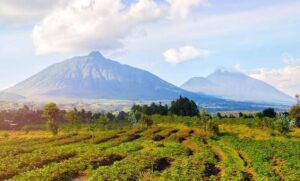
The Virunga ranges are among East Africa’s most remarkable mountain landscapes. Stretching across Uganda, Rwanda and the Democratic Republic of Congo (DRC), this volcanic region is famous for its mountain gorillas, montane forests, dramatic peaks and exceptional biodiversity.
However, the importance of the Virunga ranges goes far beyond wildlife tourism. Their forests, wetlands and volcanic landscapes play a significant role in water catchment, water retention, soil protection and the livelihoods of surrounding communities.
For Uganda, the Virunga landscape is especially important around Mgahinga Gorilla National Park in Kisoro District. The park protects mountain gorilla habitat while helping maintain the natural systems that collect, store and channel water through the surrounding highlands.
Understanding the connection between the Virunga ranges and water catchment helps travelers appreciate why protecting these mountains matters. It also adds another dimension to a Uganda safari, where gorilla trekking, volcano hiking and responsible nature tourism can introduce visitors to the importance of conservation.
At Mambo Gorilla Safaris Uganda, we encourage travelers to explore Uganda’s mountain landscapes while learning about the wildlife, ecosystems and communities that depend on them.
What Are the Virunga Ranges?
The Virunga ranges are a chain of volcanic mountains in the Albertine Rift region of East-Central Africa. They extend across the borders of Uganda, Rwanda and the Democratic Republic of Congo.
The mountains form part of the wider Greater Virunga Landscape, an ecologically important region containing forests, grasslands, wetlands, lakes and other habitats.
The Virunga volcanoes include several prominent peaks, among them:
- Mount Muhabura
- Mount Gahinga
- Mount Sabyinyo
- Mount Karisimbi
- Mount Bisoke
- Mount Mikeno
- Mount Nyiragongo
- Mount Nyamuragira
These mountains differ in elevation, geology, vegetation and management. Some are protected within national parks, while others lie within different conservation and land-use areas.
On the Ugandan side, Mgahinga Gorilla National Park protects three Virunga volcanoes: Mount Muhabura, Mount Gahinga and Mount Sabyinyo.
The region is internationally recognized for its mountain gorillas, but its forests and wetlands are also important for maintaining the natural water cycle.
What Is Water Catchment?
A water catchment is an area of land where rainfall and other surface water drain toward a shared outlet, such as a stream, river, lake or wetland.
Water catchments are essential because they influence how water moves through a landscape. Their condition can affect water availability, water quality, erosion and the amount of sediment reaching rivers and lakes.
In mountainous areas such as the Virunga ranges, water catchment processes are influenced by:
- Rainfall and cloud moisture
- Forest vegetation
- Wetlands and swamps
- Soil depth and structure
- Volcanic geology
- The steepness of slopes
- Human activities and land use
When rain falls on a mountain, some water flows over the surface, some infiltrates the soil, and some may be retained temporarily in wetlands or other landscape features.
The balance between these processes varies according to local geology, vegetation, rainfall and topography. This is why protecting forests and wetlands is an important part of sustainable water-resource management.
Why Are the Virunga Ranges Important for Water Catchment?
The Virunga ranges are important because their highlands, vegetation and wetlands help regulate how water moves through the landscape.
Mgahinga Gorilla National Park’s management plan identifies the park and wider Virunga landscape as important water-catchment areas. It describes streams, crater features and swamps associated with the volcanic mountains that contribute to local water systems.
1. Forests Help Protect the Soil
Forest vegetation provides ground cover and helps reduce the direct impact of rainfall on exposed soil.
Tree roots and other vegetation help stabilize soil, while leaf litter and organic material can improve the soil’s structure. These features can reduce erosion and help limit the amount of sediment carried into streams.
Where forest cover is removed or degraded, steep slopes may become more vulnerable to erosion, particularly during heavy rainfall.
Protecting the Virunga forests is therefore important not only for wildlife but also for maintaining the condition of mountain soils and nearby watercourses.
2. Wetlands and Swamps Retain Water
Wetlands are important features of the Virunga water-catchment system.
Swamps and other wet areas can temporarily store water, regulate local flows and provide habitat for plants, birds and other wildlife.
The Mgahinga landscape includes swamps between volcanic peaks and crater features associated with the mountains. These environments contribute to the area’s hydrology and ecological diversity.
Wetlands can be sensitive to drainage, pollution and changes in surrounding land use. Protecting them helps maintain their ecological functions.
3. Streams Connect the Mountains to Surrounding Communities
Water moves from highland catchments through streams and drainage systems toward lower-lying areas.
Around Mgahinga, mountain streams and other water sources are important to the wider landscape, including communities living near the park.
The amount and reliability of available water depend on many factors, including rainfall, geology, land cover, demand and water-management practices.
Protecting the catchment is therefore one part of maintaining water resources for both people and ecosystems.
4. Vegetation Helps Reduce Erosion and Sedimentation
Rain falling on steep, poorly protected slopes can carry soil downhill into streams and wetlands.
Excessive sediment can reduce water quality and affect aquatic habitats. Vegetation buffers beside streams can help trap some sediment before it reaches the water.
Maintaining forest cover and protecting streamside vegetation are practical measures for reducing erosion in mountain catchments.
5. Healthy Catchments Support Biodiversity
Water catchments are not only important for people. They also support the habitats that wildlife needs.
Forests, wetlands and streams provide water, food and shelter for a wide range of organisms. In the Virunga region, these habitats are part of a wider ecological network that includes mountain gorillas, golden monkeys, birds and numerous plant species.
Protecting water systems and wildlife habitats together can support a healthier landscape.
Mgahinga Gorilla National Park and Its Water Catchment
Mgahinga Gorilla National Park is located in southwestern Uganda, near the borders with Rwanda and the Democratic Republic of Congo.
Although it is Uganda’s smallest national park, covering approximately 33.7 square kilometres, it protects an important combination of volcanic scenery, montane forest, wildlife habitat and water-catchment features.
The park is associated with three volcanoes:
Mount Muhabura
Mount Muhabura is the highest of the three volcanoes in Mgahinga, rising to approximately 4,127 metres above sea level.
Its steep slopes, volcanic terrain and high-altitude vegetation form part of the landscape that influences rainfall runoff and local drainage.
The mountain also attracts hikers interested in challenging climbs and panoramic views.
Mount Gahinga
Mount Gahinga rises to approximately 3,474 metres.
The mountain is associated with volcanic features and swamp habitat. Its landscape forms part of the wider system of mountain vegetation and wet areas that contribute to local catchment processes.
Mount Sabyinyo
Mount Sabyinyo reaches approximately 3,669 metres and is known for its rugged volcanic ridges and distinctive peaks.
Together, these mountains create a dramatic landscape in which forests, wetlands and streams contribute to the ecological importance of Mgahinga.
Visitors should use authorized guides and follow park regulations when hiking or exploring the protected area.
How the Virunga Ranges Support Communities
The communities living around the Virunga ranges depend on the wider landscape in several ways.
Water is needed for domestic use, agriculture, livestock and other everyday activities. Healthy ecosystems also support tourism, which creates opportunities for guides, accommodation providers, transport operators, craftspeople and other local businesses.
The relationship between communities and catchments is especially important in volcanic highland areas, where geology can affect how water is stored and accessed.
Rainfall alone does not guarantee that every community has reliable water. Access also depends on infrastructure, source protection, maintenance, water quality and local management.
Water for Daily Life
Protected water sources and well-managed distribution systems can help communities access water more safely.
Around Mgahinga, conservation and community-development initiatives have included efforts to improve access to water and reduce pressure on natural resources.
The most effective long-term approaches combine ecosystem protection with practical water infrastructure and responsible management.
Water for Agriculture
Farming is an important livelihood in many parts of southwestern Uganda.
Water availability, soil condition and reliable rainfall influence agricultural productivity. Catchment protection can contribute to healthier soils and better-managed water resources, although outcomes also depend on farming methods, climate and local conditions.
Practices such as maintaining vegetation buffers, reducing soil disturbance on steep slopes and protecting wetlands can help limit erosion.
Tourism and Local Livelihoods
Mgahinga attracts visitors interested in mountain gorilla trekking, golden monkey tracking, bird watching, nature walks and volcano hiking.
Tourism creates opportunities for local businesses and guides while raising awareness of the importance of protecting the mountain landscape.
Responsible tourism is most beneficial when visitors respect park rules, use authorized operators and support legitimate local enterprises.
The Connection Between Water Catchment and Mountain Gorilla Conservation
Mountain gorillas are among the most recognized animals of the Virunga landscape. Mgahinga Gorilla National Park provides habitat for mountain gorillas and protects the forest ecosystem on which many species depend.
Gorilla conservation and water-catchment protection are connected through the condition of the wider habitat.
Forests Support Wildlife Habitat
Healthy forest vegetation provides food, shelter and movement corridors for wildlife.
When forest ecosystems are damaged, the effects can extend beyond individual animal species to soil condition, local drainage and other ecological processes.
Conservation Protects More Than Gorillas
Protecting Mgahinga helps conserve multiple ecological features at the same time, including forest habitat, wetlands, streams and volcanic landscapes.
This is one reason protected areas are important to wider landscape management.
Tourism Can Help Build Conservation Awareness
A guided gorilla trek gives visitors an opportunity to understand the relationship between wildlife, habitat and conservation.
Travelers can deepen that understanding by learning about the forests, water systems and communities surrounding the park.
Gorilla trekking is a wildlife activity, not a water-catchment tour, but it can be part of a broader nature-focused journey that highlights the importance of protecting the entire landscape.
Environmental Threats Facing Virunga Water Catchments
The long-term health of mountain catchments depends on natural processes and how people manage the surrounding land.
Potential pressures include:
Forest Degradation
Loss of natural vegetation can increase erosion and affect wildlife habitat. Forest protection and restoration help maintain the ecological functions of the landscape.
Wetland Encroachment
Draining or converting wetlands can reduce their ability to store water and support biodiversity.
Protecting wetlands and managing surrounding land use are important for maintaining their functions.
Soil Erosion
Poorly managed cultivation on steep slopes can expose soil to heavy rainfall. Soil conservation measures and vegetation cover can help reduce erosion.
Pollution
Wastewater, agricultural runoff and improperly disposed rubbish can affect water quality. Responsible waste management and protection of water sources are essential.
Climate Variability
Changes in rainfall patterns and temperature can affect water availability, vegetation and agricultural livelihoods. Healthy ecosystems can help communities adapt, but catchment conservation alone cannot eliminate climate-related risks.
Growing Demand for Water
Communities, agriculture, tourism and other activities all require water. Sustainable planning needs to consider the condition of water sources, infrastructure, demand and equitable access.
Addressing these challenges requires cooperation between conservation organizations, government agencies, communities and other stakeholders.
How to Protect the Virunga Ranges and Their Water Catchments
Protecting the Virunga landscape requires action at several levels, from community water management to national park conservation.
Protect Forests and Natural Vegetation
Maintaining native vegetation on steep slopes helps protect soil and wildlife habitat.
Restoration efforts should be appropriate to the local ecosystem and avoid introducing unsuitable species into natural habitats.
Conserve Wetlands and Stream Banks
Wetlands should not be drained or polluted without appropriate assessment and authorization.
Maintaining vegetation along watercourses can help reduce erosion and protect habitat.
Promote Sustainable Farming
Farmers and land managers can reduce soil loss by using suitable soil-conservation practices, maintaining ground cover and avoiding inappropriate cultivation on steep slopes.
The best practices depend on local conditions and should be guided by appropriate agricultural and environmental advice.
Improve Water Management
Protecting the catchment should be combined with properly managed water systems, safe storage, maintenance and water-quality monitoring.
Communities need both healthy water sources and reliable systems for accessing and distributing water.
Support Conservation and Community Initiatives
Conservation projects are more effective when local communities participate in planning and benefit from the results.
Support credible projects that combine environmental protection, community priorities and sustainable livelihoods.
Practice Responsible Tourism
Visitors can help by following park rules, avoiding litter, respecting wildlife and choosing responsible tourism providers.
Every visitor should remember that the mountains are living ecosystems as well as destinations for recreation.
Best Ways to Experience the Virunga Ranges in Uganda
Travelers visiting the Virunga ranges can explore the landscape through several activities, depending on fitness, interests and available time.
1. Gorilla Trekking in Mgahinga Gorilla National Park
Gorilla trekking offers an opportunity to visit the natural habitat of mountain gorillas with authorized park guides.
The trek may involve steep, muddy or uneven trails, and its duration varies according to the gorillas’ location.
Visitors must obtain the appropriate permit and follow all park instructions.
2. Golden Monkey Tracking
Mgahinga is also known for golden monkey tracking.
This activity introduces visitors to the forest habitats of these distinctive primates and complements a gorilla trekking experience.
Confirm current activity arrangements and permits before booking.
3. Volcano Hiking
Hiking Mount Muhabura, Mount Gahinga or Mount Sabyinyo offers a closer look at the volcanic landscape.
These climbs differ in difficulty and duration. Use authorized guides, follow safety instructions and select an activity appropriate for your physical condition.
4. Bird Watching and Nature Walks
The forests and surrounding landscapes support a range of bird species and other wildlife.
Bird watching and guided nature walks provide opportunities to learn about forest ecology, vegetation and habitat conservation without undertaking a full volcano climb.
5. Visit Lake Mutanda
Lake Mutanda, near Kisoro, is a scenic destination where visitors can enjoy mountain views, photography and suitable lake activities.
It can be a relaxing addition to a Mgahinga gorilla or golden monkey safari.
6. Learn About Local Conservation and Community Life
Ask your safari operator about suitable community experiences and conservation interpretation around the region.
Choose activities that are locally led, respectful and transparent about how participating communities benefit.
Suggested 3-Day Mgahinga and Virunga Landscape Safari
This sample itinerary combines primate experiences with time to appreciate the volcanic landscape. Water-catchment conservation is the environmental theme of the trip rather than a guaranteed standalone visitor activity.
Day 1: Travel to Kisoro and Explore the Scenic Landscape
Travel to Kisoro and check into your accommodation.
Depending on your arrival time, enjoy a scenic drive or visit Lake Mutanda. Your guide can introduce you to the Virunga landscape and explain its importance for wildlife, water systems and surrounding communities.
Overnight: Kisoro or the Mgahinga area.
Day 2: Gorilla Trekking in Mgahinga
After an early breakfast, proceed to the designated park briefing point for your scheduled gorilla trek.
Follow the guidance of park personnel while exploring the forest habitat and observing the gorilla family under the applicable visitor rules.
After the trek, return to your accommodation and relax.
Overnight: Kisoro or the Mgahinga area.
Day 3: Golden Monkey Tracking or a Nature Experience
Choose golden monkey tracking, a suitable guided nature activity or a cultural experience, subject to availability and your schedule.
After the activity, begin your journey to your next destination.
If you want to add a volcano hike, plan additional time and check the required activity arrangements before finalizing your itinerary.
Best Time to Visit the Virunga Ranges
The Virunga ranges can be visited throughout the year, but weather conditions influence hiking, trekking and road travel.
Generally drier periods may provide more manageable trail conditions, while rainy periods can make forest paths muddy and slippery. Weather varies by altitude and location, and rain can occur at any time.
When planning your trip, consider:
- Your preferred activity
- Gorilla or golden monkey permit availability
- Your physical fitness
- Trail and weather conditions
- Road travel time
- The accommodation you prefer
Rather than relying on weather alone, confirm the activity arrangements and pack for changing mountain conditions.
What to Pack for a Virunga Safari
For gorilla trekking, golden monkey tracking and other mountain activities, consider bringing:
- Waterproof hiking boots
- Long trousers and long-sleeved shirts
- A waterproof jacket
- A warm layer for cool conditions
- Gardening gloves for vegetation on forest trails
- A small daypack
- Drinking water
- Sunscreen and insect repellent
- Binoculars
- A camera and spare batteries
- Personal medication
- A reusable water bottle
For volcano hiking, check the specific equipment recommendations for your chosen route. Use appropriate footwear and follow your guide’s advice.
Why Include the Virunga Ranges in Your Uganda Safari?
The Virunga ranges offer much more than dramatic mountain views. They provide an opportunity to explore the relationship between volcanic landscapes, forest ecosystems, water resources, wildlife and community life.
A visit to Mgahinga Gorilla National Park can combine mountain gorilla trekking, golden monkey tracking, volcano hiking and scenic exploration while helping travelers understand the importance of conservation.
For visitors interested in nature and responsible tourism, learning about the water-catchment role of the Virunga ranges adds an important environmental dimension to the experience.
Plan Your Mgahinga and Virunga Safari With Mambo Gorilla Safaris Uganda
Mambo Gorilla Safaris Uganda can help you plan a personalized trip to southwestern Uganda based on your interests, available time, travel dates and budget.
Your itinerary may include:
- Gorilla trekking in Mgahinga
- Golden monkey tracking
- Volcano hiking
- Bird watching and nature walks
- Lake Mutanda
- Community cultural experiences
- Bwindi gorilla trekking
- Other Uganda wildlife destinations
We can help you coordinate transportation, accommodation and activity arrangements, subject to availability and the applicable park requirements.
Explore our 3-Day Bwindi Gorilla Trekking Tour or 10-Day Wildlife and Primate Trekking Safari in Uganda for ideas on extending your journey.
Frequently Asked Questions About the Virunga Ranges and Water Catchment
What are the Virunga ranges?
The Virunga ranges are a chain of volcanic mountains in the Albertine Rift region of East-Central Africa, extending across Uganda, Rwanda and the Democratic Republic of Congo.
Why are the Virunga ranges important for water catchment?
Their forests, wetlands, swamps and mountain terrain influence how rainfall is retained, absorbed and channelled into streams and other water systems. They also help protect soil and support surrounding ecosystems.
Which Virunga volcanoes are found in Uganda?
Mgahinga Gorilla National Park protects Mount Muhabura, Mount Gahinga and Mount Sabyinyo.
How does Mgahinga Gorilla National Park contribute to water conservation?
Its forest cover, wetlands, crater features and streams form part of an important mountain catchment system. Protecting these natural features helps maintain ecosystem functions and supports water resources in the surrounding landscape.
Are the Virunga ranges important for mountain gorillas?
Yes. The wider Virunga landscape includes protected habitats for mountain gorillas. In Uganda, Mgahinga Gorilla National Park protects mountain gorilla habitat alongside other important forest ecosystems.
Can tourists visit the Virunga ranges?
Yes. Visitors can explore Uganda’s side of the Virunga landscape through authorized activities such as gorilla trekking, golden monkey tracking, volcano hiking and bird watching, subject to permits and park regulations.
What environmental threats affect Virunga water catchments?
Potential pressures include forest degradation, wetland encroachment, soil erosion, pollution, changing rainfall patterns and increasing demand for water.
How can travelers support Virunga conservation?
Travelers can follow park rules, avoid littering, respect wildlife, use responsible tour operators and support legitimate local businesses and community-led experiences.
Can I combine gorilla trekking with a visit to Lake Mutanda?
Yes. Lake Mutanda can be included in a Kisoro itinerary alongside gorilla trekking or other suitable activities, depending on travel time and your schedule.
How many days do I need to explore Mgahinga?
Two to four days can provide time for selected activities such as gorilla trekking, golden monkey tracking, Lake Mutanda and a cultural experience. Additional days are recommended if you want to include a volcano hike or combine the region with other national parks.
Conclusion: Protecting the Virunga Ranges Protects More Than Wildlife
The Virunga ranges are a vital part of the natural heritage shared by Uganda, Rwanda and the Democratic Republic of Congo. Their volcanic mountains, forests, wetlands and streams support biodiversity and contribute to water-catchment processes that matter to both ecosystems and people.
Protecting this landscape requires more than conserving individual animal species. It also means safeguarding forests, managing water resources responsibly, protecting wetlands and involving communities in sustainable conservation.
For travelers, visiting Mgahinga Gorilla National Park offers an opportunity to experience the region’s extraordinary scenery and wildlife while learning why the surrounding environment matters.
Plan your Virunga and Mgahinga safari with Mambo Gorilla Safaris Uganda and discover a landscape where mountain gorillas, volcanic scenery, forests and conservation come together.


