Email: info@mambogorillasafarisuganda.com | Call: +256772666331

What Animals Can I See on a Safari in Amboseli National Park?

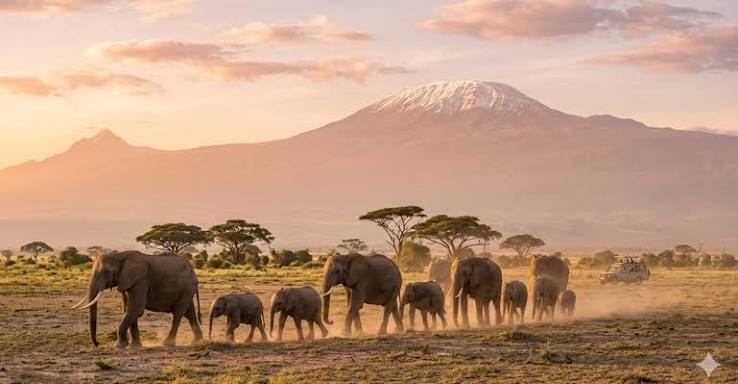
Amboseli National Park is one of Kenya’s most rewarding destinations for wildlife enthusiasts, photographers and travelers planning an unforgettable African safari. Famous for its large elephant herds and breathtaking views of Mount Kilimanjaro, the park offers opportunities to observe diverse wildlife across open grasslands, acacia woodlands, swamps and seasonal wetlands.
If you are wondering, what animals can I see on a safari in Amboseli National Park?, the answer includes African elephants, lions, buffaloes, giraffes, zebras, wildebeest, gazelles, hyenas and an impressive variety of birds. Cheetahs and other elusive animals may also be encountered, although sightings are never guaranteed.
Amboseli is particularly attractive because its open landscapes and permanent water sources create excellent opportunities to observe wildlife in different habitats. Whether you are planning a family holiday, a photography adventure or a longer East African safari, this destination offers a memorable introduction to Kenya’s natural heritage.
At Mambo Gorilla Safaris Uganda, we help travelers plan customized East African safari experiences, including wildlife adventures in Kenya and primate-focused holidays in Uganda.
Why Is Amboseli National Park Famous for Wildlife?
Amboseli National Park lies in southern Kenya near the Tanzania border, with Mount Kilimanjaro providing one of Africa’s most recognizable safari backdrops.
The park is especially well known for its elephants, which are frequently seen moving across open plains or gathering near wetlands. Its landscape also supports a variety of herbivores, predators and birds.
According to Kenya Wildlife Service, Amboseli features open grass plains, acacia woodland, thorny bushland, swamps and marshes. These different habitats help support its rich wildlife diversity.
The main reasons to visit include:
- Large herds of African elephants
- Excellent opportunities for wildlife photography
- Lions and other predators
- Giraffes, zebras, wildebeest and gazelles
- Wetlands that attract waterbirds
- Views of Mount Kilimanjaro on clear days
- Opportunities to learn about Maasai culture and conservation
For many visitors, the combination of elephants and Kilimanjaro is the defining Amboseli safari experience.
1. African Elephants: The Main Attraction in Amboseli
African elephants are the animals most closely associated with Amboseli National Park. The park is widely recognized for its elephant research and the opportunity to observe family groups in their natural environment.
During a game drive, you may see elephants crossing the plains, feeding on vegetation, gathering around wetlands or walking in family groups that include young calves.
Why are Amboseli’s elephants special?
Amboseli’s elephants have been studied for decades, contributing valuable knowledge about elephant behaviour, family relationships and conservation.
The park’s wetlands are particularly important during dry periods because they provide water and access to green vegetation.
Photographers often visit Amboseli hoping to capture elephants with Mount Kilimanjaro in the background. Clear skies are important for this iconic view, so the mountain may not always be visible.
Best viewing tip: Take several game drives and follow your guide’s advice about wildlife movements. Never approach elephants on foot or ask a driver to get dangerously close for a photograph.
2. Lions: The Predators of Amboseli
Lions occur in Amboseli National Park and are among the animals many visitors hope to see.
These large predators may be found resting in shade, moving across open terrain or searching for prey near areas where herbivores gather.
Lions are often easier to spot when they are active during cooler periods, although their movements vary with weather, prey availability and other conditions.
Can you always see lions in Amboseli?
No. Although lions live in the ecosystem, sightings depend on their location and behaviour on the day of your safari.
A knowledgeable guide can help search suitable areas and interpret signs of predator activity, but no responsible safari operator should guarantee a lion sighting.
If lions are particularly important to you, allow time for several game drives rather than relying on a single short excursion.
3. Cheetahs: Fast Predators of the Open Plains
Cheetahs may be encountered in the Amboseli ecosystem, especially in open landscapes where they can scan for prey.
Their speed and hunting behaviour make them fascinating animals to observe. They generally hunt smaller and medium-sized herbivores, relying on stealth, acceleration and careful positioning.
However, cheetah sightings are less predictable than encounters with some of Amboseli’s common herbivores.
If you see one, your guide may explain how it uses the surrounding landscape to hunt and avoid competition with larger predators.
Photography tip: Use a zoom lens and remain inside your safari vehicle unless your guide gives different authorized instructions. Never encourage an animal to move for a better photograph.
4. African Buffaloes: Powerful Grazers of the Park
African buffaloes are another impressive animal to look for during an Amboseli safari.
They may be seen grazing in open areas, moving through grassland or gathering near wetland habitats. Their strong build and large horns make them easy to recognize.
Buffaloes are social animals that can form large herds. They are also powerful and potentially dangerous, so visitors should observe them from a safe distance.
Buffaloes are one of the animals traditionally included in the African Big Five.
5. Giraffes: Elegant Giants of the Savannah
Giraffes are among the most photogenic animals in Amboseli National Park.
They are often associated with acacia woodland and open bushland, where they feed on leaves and shoots from trees and shrubs.
Their height allows them to reach vegetation that many other herbivores cannot access. They may be seen walking slowly across the landscape, browsing on trees or moving between feeding areas.
Giraffes are particularly attractive subjects for wildlife photographers because of their distinctive patterns and graceful movements.
6. Zebras: Common Sightings on the Open Plains
Zebras are among the familiar herbivores visitors may encounter during a game drive in Amboseli.
Their black-and-white stripes make them easy to identify, and they may be seen grazing in open grassland or moving in groups across the plains.
Zebras are an important part of the savannah ecosystem, where they share habitats with wildebeest, gazelles and other grazing animals.
Their presence also contributes to the wider food web that supports predators such as lions and hyenas.
7. Wildebeest: Important Grazers of the Amboseli Ecosystem
Wildebeest are another species visitors may encounter while exploring Amboseli.
They graze on grasses and move in response to food, water and changing environmental conditions. Their movements are influenced by seasonal rainfall and the availability of suitable pasture.
Although wildebeest are famous for the Great Migration in the Maasai Mara and Serengeti ecosystems, Amboseli also supports wildebeest within its wider wildlife landscape.
Seeing wildebeest alongside zebras and other plains animals adds to the diversity of a game drive.
8. Gazelles and Other Antelopes
Amboseli’s grasslands and woodland edges support several antelope species.
Depending on the area and conditions, visitors may see impalas, gazelles and other grazing or browsing animals.
These species play important ecological roles by feeding on vegetation and serving as prey for predators.
Look carefully across open plains and around the edges of woodland. Some antelopes are more easily overlooked than larger animals, particularly when they are resting or partially hidden by vegetation.
Your guide can help identify species and explain how they differ in size, markings and behaviour.
9. Spotted Hyenas and Other Carnivores
Spotted hyenas are important predators and scavengers in the Amboseli ecosystem.
They may hunt their own prey, scavenge carcasses and compete with other carnivores. Their role helps maintain the balance of the ecosystem.
Jackals and other smaller carnivores may also be encountered, although sightings vary.
Leopards are elusive and should be treated as a possible bonus rather than a likely highlight of every Amboseli trip. If seeing a leopard is a priority, discuss your expectations with your safari planner when comparing Kenya’s wildlife destinations.
10. Hippos and Other Wildlife Around Wetlands
Amboseli’s swamps and marshes are important wildlife habitats, especially in an otherwise dry landscape.
Hippos may be present in suitable wetland areas, while other animals visit the water to drink or feed on nearby vegetation.
Wetlands also attract birds and support the ecological conditions that make the park valuable to wildlife.
Visitors should remember that animals near water are still wild and can be dangerous. Stay inside the vehicle unless you are at a designated, authorized viewing area.
11. Birds: A Major Highlight for Birdwatchers
Amboseli is not only a destination for large mammals. Kenya Wildlife Service highlights the park’s impressive birdlife, with more than 400 bird species recorded in the wider park environment.
The variety of habitats creates opportunities to see waterbirds around swamps, birds of prey above open plains and other species in woodland and bushland.
Depending on the season and location, birdwatchers may encounter:
- Flamingos when conditions at the lake basin are suitable
- Pelicans
- Herons and egrets
- Fish eagles
- Kingfishers
- Raptors
- Ostriches
- Other wetland and savannah birds
Not every species is visible on every visit. Some birds are seasonal, and the appearance of flamingos in particular depends on water conditions and habitat suitability.
Is Amboseli good for bird watching?
Yes. Its range of habitats makes Amboseli a rewarding destination for bird enthusiasts as well as general safari travelers.
Bring binoculars, allow time for observation and consider traveling with a guide who has experience identifying local bird species.
12. Small Mammals, Reptiles and Other Wildlife
Large mammals often receive most of the attention, but Amboseli also supports smaller wildlife that contributes to the park’s biodiversity.
Depending on the habitat and conditions, visitors may encounter baboons, vervet monkeys, mongooses and other small mammals. Reptiles and insects are also part of the ecosystem.
These animals can be especially interesting for travelers who enjoy learning about animal behaviour and the relationships between different species.
Take time to look beyond the largest animals. Your guide may point out tracks, calls or signs of wildlife that would otherwise go unnoticed.
Can You See the Big Five in Amboseli National Park?
Amboseli is famous for elephants and is home to several other major African mammals, but it is not a reliable destination for seeing all five Big Five animals.
The traditional Big Five are:
- African elephant
- Lion
- Leopard
- African buffalo
- Rhinoceros
Elephants and buffaloes are important Amboseli highlights, and lions occur in the park. Leopards are elusive, while Amboseli is not a destination where visitors should expect to see wild rhinos.
If seeing all five animals is a major goal, speak with your safari planner about adding other suitable parks or reserves to your Kenya itinerary. Wildlife sightings always depend on natural conditions and cannot be guaranteed.
Best Places and Habitats to Look for Wildlife in Amboseli
The animals you see during your safari will depend partly on the habitats you explore.
Open grasslands
Open plains are useful for spotting zebras, wildebeest, gazelles and other grazing animals. Predators may also move through these areas.
Swamps and marshes
Wetlands attract elephants, buffaloes, waterbirds and other animals that depend on water and green vegetation.
Acacia woodland
Woodland provides food and cover for giraffes, elephants, antelopes and various bird species.
Scenic viewpoints
Designated viewpoints can provide a broader view of the landscape and help visitors appreciate how wildlife habitats connect.
Your guide will select routes according to park conditions, wildlife movements, road accessibility and the time available.
Best Time to See Animals in Amboseli National Park
Amboseli can be visited throughout the year, but weather and water availability influence wildlife movements and the appearance of the landscape.
Generally drier periods
Drier conditions can make some animals easier to locate around water sources and open habitats. Dusty landscapes may also provide the classic safari photography style associated with Amboseli.
Wetter periods
Rain can transform the scenery, bring fresh vegetation and influence the distribution of wildlife. However, wet conditions can affect roads, visibility and access to certain areas.
What about Mount Kilimanjaro views?
The mountain is often clearest during suitable weather conditions, particularly when cloud cover is limited. Even at generally favourable times of year, visibility can change during the day.
For the best overall experience, plan several game drives, carry suitable clothing and allow some flexibility in your schedule.
What Is a Typical Day on an Amboseli Wildlife Safari Like?
A typical safari day often includes an early morning game drive, time to rest during the warmer hours and another wildlife excursion later in the day, depending on your accommodation and park arrangements.
Early morning
Set out with your guide to search for elephants, herbivores and predators when temperatures are cooler.
Midday
Return to your lodge or camp for meals and rest, or enjoy other activities available at your accommodation.
Afternoon
Head out again to explore different habitats and look for wildlife you may have missed earlier.
Sunset
If your schedule and park regulations permit, enjoy scenic views and photograph the landscape as the light changes.
Always follow park opening times and your operator’s instructions. Night drives are not automatically available within the national park and should only be undertaken where expressly authorized.
How to Photograph Animals in Amboseli
Amboseli is especially attractive to photographers because of its elephants, open landscapes and Mount Kilimanjaro backdrop.
For better wildlife photographs:
- Carry a camera with a suitable zoom lens.
- Use early morning and late-afternoon light when possible.
- Be patient and allow animals to behave naturally.
- Ask your driver to stop only where safe and permitted.
- Avoid crowding animals with other vehicles.
- Keep a respectful distance from wildlife.
- Bring spare batteries and enough memory storage.
A clear view of Kilimanjaro is never guaranteed, so focus on the wildlife and landscape even when the mountain is hidden by clouds.
How Many Days Do You Need for an Amboseli Safari?
A two- or three-day visit can provide a rewarding introduction to Amboseli, with time for several game drives and opportunities to enjoy the scenery.
A longer stay may suit photographers, birdwatchers and travelers who want a more relaxed experience.
Your ideal itinerary depends on:
- Your arrival and departure points
- The number of game drives you want
- Your accommodation choice
- Whether you want cultural activities
- Whether you plan to visit other Kenyan parks
- Your overall East African travel schedule
If you are combining Amboseli with the Maasai Mara, Tsavo or destinations in Uganda, allow enough time for transfers rather than attempting to visit too many places in a short trip.
Can You Combine Amboseli With a Uganda Gorilla Safari?
Yes. Travelers can combine a Kenya wildlife safari with a separate gorilla trekking experience in Uganda, provided they allow sufficient time for flights, ground transfers and permit arrangements.
A broader East African itinerary might include:
Amboseli National Park + another Kenya wildlife destination + Bwindi Impenetrable National Park in Uganda.
This combination offers a contrast between open savannah wildlife and mountain gorilla trekking in a forest environment.
Gorilla permits must be confirmed for your intended dates, and cross-border travel requires suitable travel documents and transportation planning.
Mambo Gorilla Safaris Uganda can help travelers explore suitable Uganda safari options alongside a wider East African itinerary.
Responsible Wildlife Viewing in Amboseli
Responsible tourism helps protect wildlife and the habitats on which animals depend.
During your safari:
- Follow your guide’s instructions.
- Remain inside the vehicle unless you are in an authorized area.
- Never feed or chase wild animals.
- Avoid loud noises and sudden movements.
- Do not pressure drivers to approach animals dangerously.
- Respect park rules and wildlife viewing distances.
- Choose operators who support conservation and responsible tourism.
Amboseli’s wildlife also depends on the wider ecosystem and the communities living around the park. Learning about local conservation initiatives can help visitors appreciate the importance of protecting both wildlife and community livelihoods.
Why Plan Your East African Safari With Mambo Gorilla Safaris Uganda?
An East African safari can be tailored around the wildlife and experiences you most want to see.
Mambo Gorilla Safaris Uganda can help you plan a journey that combines Uganda’s primate experiences with other destinations in the region, subject to the services and arrangements available for your travel dates.
Your wider itinerary may include:
- Kenya wildlife safaris
- Amboseli elephant viewing
- Other Kenyan national parks and reserves
- Uganda mountain gorilla trekking
- Chimpanzee tracking
- Queen Elizabeth National Park
- Murchison Falls National Park
- Cultural and scenic experiences
For inspiration, explore our 10-Day Wildlife and Primate Trekking Safari in Uganda or visit the Mambo Gorilla Safaris Uganda website.
Frequently Asked Questions About Animals in Amboseli National Park
What animals can I see on a safari in Amboseli National Park?
You may see African elephants, lions, buffaloes, giraffes, zebras, wildebeest, gazelles, hyenas and many bird species. Cheetahs and other less frequently seen animals are also possible.
Is Amboseli National Park famous for elephants?
Yes. Amboseli is internationally known for its elephant herds, long-running elephant research and scenic wildlife photography opportunities.
Are lions easy to see in Amboseli?
Lions occur in Amboseli, but sightings depend on their location and behaviour. Multiple game drives may improve your opportunities, but sightings cannot be guaranteed.
Can I see cheetahs in Amboseli?
Cheetahs may be encountered, but they are less predictable than elephants and common plains herbivores. Treat a sighting as a possibility rather than a promise.
Are rhinos found in Amboseli National Park?
Amboseli is not a reliable destination for wild rhino sightings. If rhinos are essential to your trip, ask your safari planner about other suitable Kenyan parks and reserves.
How many bird species are found in Amboseli?
Kenya Wildlife Service reports more than 400 bird species associated with Amboseli. The species you see depend on habitat, season and conditions.
Is Amboseli suitable for wildlife photography?
Yes. Its elephant herds, open plains and views of Mount Kilimanjaro make it a popular destination for wildlife photography. Mountain visibility depends on weather and cloud cover.
What is the best time to visit Amboseli for wildlife?
Amboseli is a year-round destination. Generally drier conditions can help with wildlife viewing in some areas, while wetter periods bring greener landscapes. Choose dates according to your interests and allow flexibility for changing weather.
Can I combine Amboseli with gorilla trekking in Uganda?
Yes. A Kenya-Uganda itinerary can combine Amboseli wildlife viewing with mountain gorilla trekking, provided you plan transportation, permits and sufficient travel time in advance.
Final Thoughts: Discover Amboseli’s Incredible Wildlife
Amboseli National Park offers a remarkable opportunity to experience Kenya’s wildlife, especially its African elephants, against the backdrop of Mount Kilimanjaro.
From lions and buffaloes to giraffes, zebras, gazelles and hundreds of bird species, the park provides varied wildlife experiences across its plains, woodlands and wetlands.
The best safari is one that allows you time to explore different habitats, observe animals responsibly and appreciate the natural environment without rushing between sightings.
Plan your next East African wildlife adventure with Mambo Gorilla Safaris Uganda. Whether you want to explore Kenya’s wildlife or combine a safari with Uganda’s mountain gorillas, a well-planned itinerary can help you make the most of your journey.