Email: info@mambogorillasafarisuganda.com | Call: +256772666331

Film Fixers in Uganda: A Complete Guide to Filming Permits, Locations and Production Support

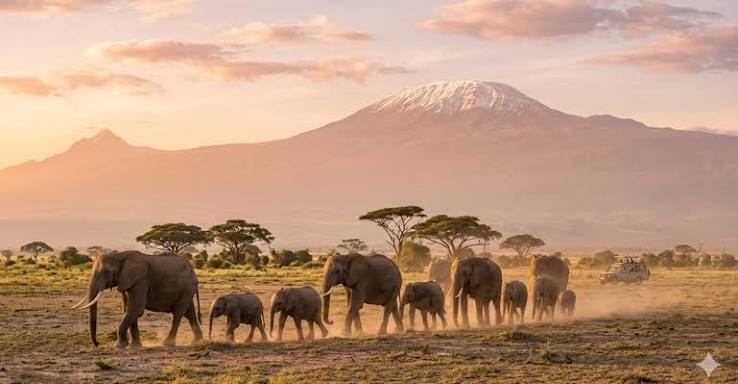
Uganda is an attractive destination for filmmakers, documentary producers, journalists, photographers and international media teams seeking compelling stories, diverse landscapes and extraordinary wildlife. From the mountain gorillas of Bwindi Impenetrable National Park to the dramatic waterfalls of Murchison Falls, the country offers a wide range of filming opportunities.
However, organizing a successful production in Uganda involves more than choosing a beautiful location. International crews may need media accreditation, appropriate immigration authorization, location permissions, equipment clearance, local crew, transportation and accommodation.
This is where film fixers in Uganda become valuable. A professional local fixer helps a production team navigate the practical arrangements required for filming, coordinate with relevant authorities and local contacts, and solve logistical challenges on the ground.
Whether you are producing a wildlife documentary, television programme, travel film, news report, commercial or independent documentary, understanding how local film-fixing services work can help you prepare a more efficient production.
For teams filming Uganda’s wildlife and safari destinations, Mambo Gorilla Safaris Uganda can be a point of contact for discussing safari logistics and destination planning. Specialist filming permits and production services should be coordinated with the relevant authorities and appropriately qualified local production professionals.
What Is a Film Fixer in Uganda?
A film fixer is a local professional or production-support specialist who helps visiting film crews organize filming activities in a destination.
Unlike a general tour guide, a film fixer focuses on the operational requirements of a production. Depending on the project, the fixer may coordinate locations, permissions, local crew, transportation, accommodation, interpreters and other practical arrangements.
In Uganda, local fixing support can be especially useful for international crews unfamiliar with the country’s administrative procedures, filming environments and regional logistics.
A film fixer may help with:
- Identifying suitable filming locations
- Coordinating location scouting
- Explaining permit and accreditation requirements
- Communicating with relevant authorities
- Arranging local production crew
- Coordinating equipment transport and customs processes
- Organizing ground transportation and accommodation
- Finding local contacts and interpreters
- Planning filming schedules
- Supporting on-location production logistics
The exact services vary by provider. Before hiring a fixer, ask which services are handled directly, which are coordinated through partners, and which approvals remain the responsibility of the production company.
Why Hire a Local Film Fixer in Uganda?
Filming in another country presents logistical challenges that can affect budgets, schedules and production quality. Working with a knowledgeable local fixer can help reduce uncertainty and make the planning process more manageable.
1. Help With Filming Permissions
Different filming locations may be governed by different authorities. A production in a national park, for example, may require permissions beyond those needed for filming in a privately owned location.
A fixer can help identify the relevant authorities, explain the application process and coordinate the submission of required documents.
However, a fixer cannot replace official approval. The production team must ensure that all necessary permissions are issued before filming begins.
2. Location Scouting
Uganda has a variety of filming environments, including tropical forests, wetlands, lakes, savannah plains, mountains, urban areas and rural communities.
A local fixer can help identify locations that match the creative brief, visual requirements, accessibility needs and production schedule.
Location scouting may involve checking:
- Access and road conditions
- Lighting and filming times
- Vehicle and equipment access
- Background noise and other environmental factors
- Safety and security considerations
- Local permissions and community requirements
- Accommodation and support facilities
Early scouting is particularly important when the production requires remote locations or wildlife filming.
3. Access to Local Production Crew
Depending on the project, a fixer may help source camera operators, sound recordists, drivers, translators, production assistants, guides and other local professionals.
Using local crew can improve communication, provide valuable local knowledge and reduce some logistical challenges associated with bringing an entire team from overseas.
Ask for crew profiles, relevant experience, availability, equipment capabilities and clearly defined rates before confirming arrangements.
4. Transportation and Accommodation
Filming schedules often require early departures, extended working hours, travel between remote locations and the movement of delicate equipment.
A local production coordinator can help plan vehicle arrangements, accommodation, realistic travel times and contingency options.
Wildlife productions may require specially suitable vehicles, additional safety arrangements or more time at filming locations than a conventional tourist itinerary.
5. Local Knowledge and Problem-Solving
Weather, access restrictions, changing production requirements and other unexpected challenges can affect a filming schedule.
A fixer who understands the locations and local operating environment may help the team identify alternatives and coordinate adjustments.
This support is particularly useful for documentaries and wildlife productions, where filming opportunities may depend on animal movements, environmental conditions and the availability of authorized access.
Essential Permits and Requirements for Filming in Uganda
The requirements for filming in Uganda depend on the production type, the nationality and role of the crew, the location and the nature of the project.
Do not assume that a tourist visa or a general filming arrangement automatically authorizes every production activity.
Media accreditation
Foreign journalists and other eligible media professionals may need accreditation through the Media Council of Uganda.
The Council publishes application requirements for foreign journalists, including Form G and supporting documentation. Its official guidance also addresses work authorization for media assignments.
Start with the Media Council of Uganda’s foreign journalist accreditation requirements.
Ask the Council to confirm the requirements that apply to your specific production and each crew member. Requirements and processing times may change, so verify them before booking flights or committing to a filming schedule.
Work authorization and immigration requirements
Foreign production personnel must confirm the appropriate immigration and work authorization for their activities in Uganda.
The relevant authorization depends on the individual’s circumstances and the purpose of travel. Do not assume that entry permission alone allows someone to undertake professional filming work.
Consult the Uganda Directorate of Citizenship and Immigration Control for the current rules and application process.
A fixer may help coordinate documentation, but immigration decisions and approvals remain with the responsible authorities.
National park and protected-area filming permits
Filming in protected areas may require separate permission from the relevant management authority.
For Uganda’s national parks, contact the Uganda Wildlife Authority to establish the applicable filming application, fees, restrictions, safety conditions and deadlines.
Official starting point: Uganda Wildlife Authority.
Provide details such as the proposed filming locations, dates, crew size, equipment, intended use of the footage and whether drones or other specialist equipment will be used.
Do not enter restricted areas or begin filming on the assumption that a pending application will be approved.
Private property and community permissions
Filming on private land or in community settings may require permission from the owner, relevant representative or other responsible party.
A local fixer can help establish who needs to be contacted and coordinate arrangements. Productions should obtain the necessary consent and respect any restrictions on filming people, homes, ceremonies or culturally sensitive locations.
Equipment importation and customs clearance
International crews often travel with cameras, lenses, tripods, audio equipment, lighting and other production materials.
Before departure, prepare a detailed equipment inventory and confirm the applicable customs procedure with the relevant authorities or a qualified customs agent.
Depending on the circumstances, the process may involve temporary import arrangements, supporting documentation or other requirements.
Do not assume that professional equipment can automatically be brought into Uganda without formalities. Resolve the process early to avoid delays at the border.
Best Filming Locations in Uganda
The best location depends on the story, production requirements, access permissions and available budget. The following destinations illustrate the range of filming environments Uganda offers.
1. Bwindi Impenetrable National Park
Bwindi is internationally known for its mountain gorillas and ancient forest landscape. It is a compelling setting for approved conservation documentaries, wildlife productions and stories about forest ecosystems.
Potential filming themes include:
- Mountain gorilla conservation
- Biodiversity and forest ecology
- Community livelihoods and conservation
- Responsible tourism
- Research and environmental protection
Important: Gorilla and other wildlife filming must follow the relevant park rules and permissions. Access to a gorilla trekking experience does not automatically authorize commercial filming. Discuss the production’s specific objectives with the appropriate authorities before planning the shoot.
2. Mgahinga Gorilla National Park
Mgahinga offers volcanic scenery, montane forests, mountain gorillas and golden monkeys. The surrounding landscape can support stories about biodiversity, conservation and communities living near protected areas.
The terrain and weather may affect access, so scouting and realistic scheduling are important.
3. Murchison Falls National Park
Murchison Falls offers dramatic river scenery, savannah habitats, waterfalls and wildlife.
Depending on approvals and conditions, a production may explore subjects such as wildlife ecology, river systems, conservation or Uganda’s natural landscapes.
Crews should account for road distances, wildlife safety, park rules and the conditions around the falls.
4. Queen Elizabeth National Park
Queen Elizabeth National Park includes savannah, wetlands, crater lakes and other diverse habitats.
It can provide a varied backdrop for approved wildlife documentaries and nature productions. The Kazinga Channel and the Ishasha sector are among the areas that may interest filmmakers, subject to location permissions and current access rules.
5. Kibale Forest National Park
Kibale is well known for chimpanzees and other primates. Its rainforest habitat may suit approved productions focused on primate behaviour, forest ecology and conservation.
Wildlife filming requires patience, appropriate conduct and compliance with park regulations. Confirm what filming is permitted before designing the production schedule.
6. Rwenzori Mountains
The Rwenzori Mountains provide dramatic alpine scenery, steep mountain terrain and distinctive vegetation zones.
The region may be suitable for landscape documentaries, trekking productions and environmental stories. Remote terrain can increase transportation and equipment challenges, so detailed planning is essential.
7. Kampala and Entebbe
Urban locations can support productions about contemporary Uganda, business, culture, food, transport, community life and travel.
A local fixer may help identify suitable locations and coordinate permissions with property owners or relevant authorities. Street filming, interviews and commercial shoots should be planned with consideration for public access, privacy, safety and any applicable requirements.
How to Choose the Right Film Fixer in Uganda
Choosing a fixer is an important production decision. The right partner should understand your project, communicate clearly and be transparent about responsibilities, costs and approvals.
Use the following checklist when evaluating potential providers.
Relevant experience: Ask about previous productions similar to yours, particularly if you are filming wildlife, working in remote areas or coordinating an international crew.
Local contacts: Find out whether the fixer has experience coordinating with the authorities, location managers, communities and production professionals relevant to your project.
Clear service scope: Request a written list of services, including what is included in the fee and what will be charged separately.
Transparent budgeting: Ask for a breakdown of professional fees, transport, accommodation, local crew, equipment, permits and other anticipated costs.
Permit knowledge: Confirm which applications the fixer can help coordinate and which approvals must be obtained directly from official authorities.
Safety planning: Ask about vehicle suitability, emergency procedures, location risks and contingency arrangements.
References: Where possible, request references or examples of comparable productions completed successfully.
Written agreement: Use a contract that defines deliverables, payment schedules, cancellation conditions, responsibilities and how additional costs will be approved.
A professional fixer should be willing to explain uncertainties honestly rather than promising permissions or access that cannot be guaranteed.
How Much Do Film Fixers in Uganda Cost?
There is no single standard fee for every filming project in Uganda. The cost depends on the production’s complexity, duration, crew size, locations and support requirements.
Factors that influence the budget include:
- Number of filming days
- Number and distance of locations
- Fixer or production coordinator fees
- Number of local crew members
- Vehicle and driver requirements
- Accommodation and meals
- Equipment rental
- Permit and accreditation charges
- Customs and equipment transport
- Safety arrangements and specialist access
- Postponements caused by weather or other circumstances
A small interview production in Kampala will generally have different requirements from a wildlife documentary working across several national parks.
Request an itemized quotation based on your actual brief. Treat government fees and third-party charges as separate line items where appropriate, and verify official charges directly with the relevant authorities.
When Should You Contact a Film Fixer?
Contact a local fixer as early as possible, ideally during pre-production rather than after your crew has arrived.
Early coordination allows time to identify locations, confirm permit requirements, check equipment import procedures and develop a realistic schedule.
For a production in a national park or another restricted location, begin discussions well before the planned filming date. The required lead time varies, so ask each relevant authority about its current deadlines.
A useful initial brief should include:
- Project title and production company
- Type of production and intended audience
- Proposed filming dates and total duration
- Locations under consideration
- Number and nationalities of crew members
- Crew roles and equipment list
- Whether interviews or community filming are planned
- Whether wildlife filming or drone use is proposed
- Expected budget range
- Distribution or broadcast plans
Providing this information early helps a potential fixer assess the scope of work and identify the approvals and logistics that need attention.
A Step-by-Step Guide to Organizing a Film Production in Uganda
Step 1: Define your production brief
Identify the story, intended locations, filming objectives, crew size and technical requirements.
Step 2: Identify a suitable local fixer
Compare providers based on experience, services, references, communication and transparent pricing.
Step 3: Confirm permits and accreditation
Identify the responsible authorities for your crew, filming locations and equipment. Confirm requirements directly rather than relying on old fee schedules or informal advice.
Step 4: Conduct location scouting
Assess access, lighting, road conditions, safety, accommodation and the practical requirements of each proposed location.
Step 5: Prepare the budget
Include professional fees, permits, transport, accommodation, equipment, meals, insurance and contingency funds.
Step 6: Confirm crew and equipment
Arrange any required local professionals, vehicles, equipment rental and customs documentation.
Step 7: Finalize the filming schedule
Allow sufficient time for travel, briefings, location access, weather delays and the unpredictable nature of wildlife filming.
Step 8: Film responsibly
Follow permit conditions, respect communities, protect wildlife and comply with instructions from location managers and authorities.
Step 9: Complete any required follow-up
Check whether the permits or agreements require reporting, copies of footage, acknowledgements or other obligations after filming.
Filming Wildlife Responsibly in Uganda
Wildlife productions have responsibilities beyond creating compelling footage. The production must avoid disturbing animals, damaging habitats or compromising the safety of the crew and other visitors.
Responsible wildlife filming includes:
- Following all park rules and permit conditions
- Maintaining the required distance from wildlife
- Avoiding harassment, baiting or deliberate disturbance
- Respecting ranger instructions
- Using drones only where specifically authorized
- Managing waste responsibly
- Avoiding restricted areas
- Respecting researchers and conservation work
- Obtaining appropriate permission for interviews and community filming
A professional production plan should prioritize the welfare of wildlife and the safety of people over obtaining a particular shot.
How Mambo Gorilla Safaris Uganda Can Help With Safari Logistics
Wildlife documentaries and travel productions sometimes need support with transportation, accommodation and itinerary planning around Uganda’s national parks and other destinations.
Mambo Gorilla Safaris Uganda specializes in safari experiences and can be a useful contact for discussing travel logistics associated with a wildlife or destination-focused project.
Depending on the project and availability, safari planning discussions may cover:
- Road transfers between destinations
- Accommodation arrangements
- Travel routes and estimated journey times
- Safari itinerary coordination
- Gorilla and chimpanzee trekking arrangements for eligible visitors
- Game drives and other tourism activities
- Combining several destinations in one journey
Important distinction: Safari logistics and tourist activities are not substitutes for specialist film-fixing services, media accreditation, work authorization or commercial filming permits. Those requirements must be confirmed with the relevant authorities and appropriate production professionals.
For a wildlife-focused travel itinerary, explore Mambo’s 3-Day Murchison Falls Safari or 10-Day Wildlife and Primate Trekking Safari in Uganda. Any filming beyond normal tourist activities should be disclosed and approved in advance.
Frequently Asked Questions About Film Fixers in Uganda
What does a film fixer do in Uganda?
A film fixer helps visiting production teams coordinate local filming logistics. Services may include location scouting, permit coordination, local crew sourcing, transportation, accommodation, equipment logistics and communication with local contacts.
Do I need a film fixer to shoot a documentary in Uganda?
Not every production is legally required to hire a fixer. However, a local production professional can help coordinate complex logistics, especially for international crews, wildlife filming and projects involving several locations.
Do foreign film crews need media accreditation in Uganda?
Foreign journalists and eligible media professionals may need accreditation from the Media Council of Uganda. Requirements depend on the individual’s role and assignment. Consult the Council’s current official guidance before travel.
Are filming permits required in Uganda’s national parks?
Commercial filming in protected areas may require authorization from the relevant park management authority. Contact the Uganda Wildlife Authority to confirm the application process, applicable fees, restrictions and deadlines.
Can a film fixer guarantee filming permission?
No responsible fixer can guarantee approval by an independent authority. A fixer may help prepare and coordinate an application, but the responsible authority decides whether to issue permission and under what conditions.
How much does a film fixer cost in Uganda?
Costs depend on the production’s duration, locations, crew size, transportation, equipment and services required. Request an itemized quotation based on your filming brief.
Can a film fixer arrange local camera operators and sound recordists?
Some fixers can source local crew, while others focus on permits and logistics. Confirm the provider’s actual services, crew experience, availability and rates before signing an agreement.
Can I film mountain gorillas in Uganda?
Wildlife filming involving mountain gorillas requires careful planning and compliance with the applicable park and wildlife authority rules. Contact the Uganda Wildlife Authority to confirm current filming requirements before making arrangements.
How early should I arrange a fixer?
Contact potential providers as soon as your production concept and approximate dates are known. Early planning is particularly important for protected areas, international equipment movements and productions with multiple locations.
Can Mambo Gorilla Safaris Uganda organize film permits?
Mambo Gorilla Safaris Uganda’s core offering is safari planning. Do not assume that ordinary safari arrangements include specialist film permits or media accreditation. Ask about travel logistics separately and coordinate production permissions with the relevant authorities or a specialist film fixer.
Final Thoughts: Finding Film Fixers in Uganda
Uganda offers diverse locations for documentaries, wildlife productions, travel films and other media projects. From mountain forests and savannah landscapes to urban stories and cultural experiences, the country provides many opportunities for compelling visual storytelling.
A knowledgeable local fixer can help coordinate the practical details of a production, but success depends on early planning, transparent budgeting, appropriate permits and responsible filming practices.
Before confirming your trip, establish your filming objectives, identify the relevant authorities, verify current requirements and select local professionals whose services match your production.
If your project also involves exploring Uganda’s wildlife destinations, Mambo Gorilla Safaris Uganda can help you discuss safari routes and travel arrangements that fit your wider itinerary.
Planning a wildlife or travel project in Uganda? Contact Mambo Gorilla Safaris Uganda to discuss safari logistics, destinations and possible travel arrangements, and coordinate any specialist filming requirements with the appropriate authorities and production professionals.