Email: info@mambogorillasafarisuganda.com | Call: +256772666331

Best Time to See Primates in Africa: Complete Uganda & Rwanda Primate Safari Guide

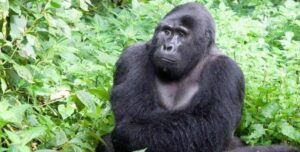
Planning a safari to see gorillas, chimpanzees, golden monkeys and other primates in Africa? Choosing the right time to travel can make a major difference to your trekking experience.
But what is the best time to see primates in Africa?
For travelers visiting Uganda and Rwanda, the drier periods of June to September and December to February are generally popular for primate trekking because forest trails are often easier to navigate. However, gorilla and chimpanzee trekking take place throughout the year, and every season has its own advantages.
At Mambo Gorilla Safaris Uganda, we help travelers plan customized primate and wildlife safaris according to their preferred travel dates, budget, interests and destinations. Our safaris cover some of East Africa’s most remarkable primate destinations, including Bwindi Impenetrable National Park, Kibale National Park, Mgahinga National Park, Volcanoes National Park and Nyungwe Forest National Park.
This guide explains when to visit, what to expect in every season, and how to plan the ultimate Uganda or Rwanda primate safari.
Quick Answer: What Is the Best Time to See Primates in Africa?
If you want generally favorable trekking conditions, consider:
- June to September – a popular drier period
- December to February – another commonly preferred period
- March to May – wetter season with lush forests
- October to November – another period when rainfall can be higher
However, there is no single perfect month for every primate safari.
The best time depends on whether your priority is gorilla trekking, chimpanzee tracking, golden monkey tracking, photography, easier hiking conditions, fewer travelers or combining primate experiences with a classic African wildlife safari.
For gorilla trekking in Uganda, Mambo Gorilla Safaris currently identifies June to September and December to February as generally favorable trekking periods.
Why Visit Africa for a Primate Safari?
Africa is home to some of the world’s most extraordinary primate species.
A primate safari can take you deep into tropical forests to encounter:
- Mountain gorillas
- Chimpanzees
- Golden monkeys
- Colobus monkeys
- L’Hoest’s monkeys
- Red-tailed monkeys
- Blue monkeys
- Vervet monkeys
- Olive baboons
- Grey-cheeked mangabeys
Uganda and Rwanda are particularly attractive destinations because travelers can combine several primate experiences with wildlife, cultural and scenic activities in the same trip.
For example, Mambo Gorilla Safaris offers Uganda itineraries combining chimpanzee trekking in Kibale with gorilla trekking in Bwindi, as well as broader wildlife and primate experiences.
Best Time for Gorilla Trekking in Uganda
Uganda is one of Africa’s premier destinations for mountain gorilla trekking.
The country’s main gorilla trekking destinations are:
- Bwindi Impenetrable National Park
- Mgahinga Gorilla National Park
For many travelers, June to September and December to February are the most convenient periods to plan a gorilla trekking safari because rainfall is generally lower than during the wetter periods.
However, the mountain gorillas live in their natural rainforest environment, meaning rain can occur at any time.
June to September
June through September is one of the most popular periods for gorilla trekking.
Advantages can include:
- Generally drier trail conditions
- Easier hiking in many areas
- Comfortable conditions for combining trekking with other safari activities
- Good opportunities for photography
Because these months are popular, it is sensible to arrange your gorilla permit, accommodation and transportation early.
December to February
December through February provides another popular trekking period.
These months can be especially convenient for travelers combining Uganda’s forests with savannah wildlife destinations.
Mambo Gorilla Safaris offers itineraries that combine gorilla and chimpanzee experiences with Uganda’s wider wildlife attractions.
March to May
March to May generally brings more rainfall.
This means travelers should prepare for:
- Muddy trails
- Wet vegetation
- Slippery terrain
- Rain showers
- More challenging hiking
But wetter conditions do not mean gorilla trekking stops.
For travelers who are flexible with weather, this can still be an unforgettable time to experience Bwindi’s lush rainforest.
October to November
October and November can also be wetter months.
The forest can be particularly green and beautiful, while travelers who are comfortable with changing weather may enjoy a quieter trekking atmosphere.
Best Time for Chimpanzee Trekking in Uganda
If chimpanzees are your priority, Uganda deserves special attention.
Kibale National Park is one of the country’s most important chimpanzee destinations and is particularly well known for primate experiences.
Mambo Gorilla Safaris also offers Uganda itineraries combining chimpanzee trekking and gorilla trekking, allowing travelers to experience two of Africa’s most famous great apes during one safari.
Other places where travelers can encounter chimpanzees include:
- Kibale National Park
- Budongo Forest
- Kyambura Gorge
- Semliki region
Chimpanzee tracking is different from gorilla trekking.
Chimpanzees are highly mobile and may move through the forest canopy or across the forest floor. Your experience therefore depends partly on the movements of the chimpanzee community on the day of your trek.
Best Time to See Golden Monkeys
Golden monkey tracking is another spectacular primate experience in East Africa.
In Uganda, golden monkeys can be encountered in Mgahinga Gorilla National Park.
In Rwanda, they can be tracked in Volcanoes National Park.
Golden monkeys are particularly interesting for photographers because of their distinctive golden-orange coloration and energetic behavior.
The experience can be combined with gorilla trekking for travelers who want to experience several of the Virunga region’s remarkable primates.
Mambo Gorilla Safaris’ Rwanda programs include gorilla and golden monkey experiences in Volcanoes National Park.
Best Time for Gorilla Trekking in Rwanda
Rwanda is another outstanding destination for mountain gorilla trekking.
The country’s gorillas are found in Volcanoes National Park, in the Virunga mountain region.
The relatively compact geography of Rwanda can also make it convenient for travelers who want to combine gorilla trekking with other experiences.
Mambo Gorilla Safaris offers Rwanda gorilla tours departing from Kigali, including short gorilla trekking programs in Volcanoes National Park.
June to September
These months are commonly selected by travelers looking for generally favorable hiking conditions.
However, Volcanoes National Park is a mountainous rainforest environment, so you should always be prepared for rain.
December to February
This is another popular period for gorilla trekking.
It can be convenient for travelers planning a broader East African itinerary.
March to May and October to November
The wetter seasons can produce more challenging trail conditions.
Nevertheless, gorilla trekking remains possible and the forest can be exceptionally lush.
Best Time for Chimpanzee Trekking in Rwanda
Rwanda’s major chimpanzee destination is Nyungwe Forest National Park.
Nyungwe offers much more than chimpanzees. A primate-focused visit can provide opportunities to encounter several forest species while also enjoying the famous forest environment.
Mambo Gorilla Safaris’ Rwanda primate programs combine chimpanzee trekking in Nyungwe with gorilla trekking in Volcanoes National Park, making it possible to experience two different great apes on one Rwanda safari.
Best Time to See Primates in Africa Month by Month
January
January is a popular month for primate safaris in Uganda and Rwanda.
It can provide favorable conditions for:
- Gorilla trekking
- Chimpanzee tracking
- Golden monkey tracking
- Wildlife safaris
It is also a good month for travelers who want to combine primate trekking with Uganda’s savannah parks.
February
February is another commonly preferred month for primate trekking.
The weather can be favorable for forest hiking, although rainforest conditions are never completely predictable.
March
March begins a wetter period in many areas.
Expect more rain and potentially muddier trails.
The forests, however, become beautifully green.
April
April can be among the wetter months.
If you travel during this period, pack:
- Waterproof hiking boots
- Rain jacket
- Gaiters
- Waterproof backpack cover
- Dry bags for cameras and electronics
May
May can still be wet, but primate trekking continues.
This period can suit flexible travelers who do not mind rain and want to experience the forests in lush conditions.
June
June marks the beginning of a popular drier period.
It is a strong month to consider for a Uganda or Rwanda primate safari.
July
July is a popular safari month.
Travelers often combine gorilla trekking or chimpanzee tracking with classic wildlife experiences.
Because demand can be high, early planning is recommended.
August
August continues the popular dry-season travel period.
It is particularly suitable for travelers planning a combined:
Gorilla + Chimpanzee + Wildlife Safari
in Uganda.
September
September can offer generally favorable trekking conditions while falling toward the end of the main June–September period.
It is worth considering if you want to experience several East African destinations during one trip.
October
October can bring increasing rainfall.
Pack suitable waterproof gear and allow flexibility in your trekking schedule.
November
November can be wetter, but the forests are lush and primate trekking remains available.
December
December is another popular month for primate safaris, particularly toward the end of the month.
Travel demand can increase around the holidays, so early booking is recommended.
Dry Season vs Wet Season for Primate Trekking
Why Choose the Dry Season?
Traveling during the generally drier months can provide:
- Easier hiking
- Less muddy terrain in many areas
- More comfortable trekking conditions
- Convenient safari logistics
- Good opportunities to combine primate trekking with wildlife viewing
The trade-off is that these periods can be popular.
Why Choose the Wet Season?
The wet season can provide:
- Lush green forests
- Fewer travelers in some periods
- Beautiful photography conditions
- A more atmospheric rainforest experience
- Greater flexibility for travelers with open schedules
The main disadvantage is the possibility of muddy and slippery trails.
Is the Rainy Season Good for Gorilla Trekking?
Yes.
Rain does not prevent gorillas from living in their natural habitat, and gorilla trekking can take place during wetter months.
The biggest difference is the hiking experience.
A rainy-season trek may involve:
- Mud
- Wet vegetation
- Slippery slopes
- Rain showers
- More challenging walking
With appropriate clothing, footwear and preparation, however, these conditions can be managed.
For adventurous travelers, trekking through a misty rainforest while searching for mountain gorillas can become one of the most memorable parts of the safari.
Best Time to See Primates for Photography
If photography is one of your main priorities, consider more than just the weather.
Forest photography can be challenging because of:
- Low light
- Dense vegetation
- Fast-moving animals
- Mist
- Rain
- Shadows beneath the forest canopy
A useful primate photography kit includes:
- Telephoto or versatile zoom lens
- Extra batteries
- Extra memory cards
- Rain cover
- Dry bag
- Lens cloth
- Lightweight camera backpack
Chimpanzee photography can require particularly quick reactions because chimpanzees can move rapidly through the forest.
Gorilla photography is different because gorillas often spend time resting, feeding or interacting within their family groups.
What to Pack for a Primate Safari in Uganda or Rwanda
Whatever month you choose, packing correctly is essential.
Gorilla and chimpanzee trekking essentials
- Waterproof hiking boots
- Long trousers
- Long-sleeved shirt
- Lightweight waterproof jacket
- Gaiters
- Gardening or trekking gloves
- Insect repellent
- Sunscreen
- Hat
- Reusable water bottle
- Daypack
- Camera
- Binoculars
- Waterproof bags
- Personal medication
Your footwear is particularly important.
Forest trails can be steep, muddy and uneven, so shoes with good traction are preferable.
How Difficult Is Primate Trekking?
Primate trekking is a genuine wilderness experience rather than a conventional sightseeing activity.
The duration and difficulty can vary according to:
- Location of the primate group
- Terrain
- Weather
- Elevation
- Animal movements
- Fitness level
Mambo Gorilla Safaris notes that Uganda gorilla treks can take approximately 2–6 hours, depending on the location of the gorilla family, and recommends moderate fitness.
That is why travelers should avoid assuming that a gorilla trek will take exactly a specific number of hours.
The forest decides the pace.
Uganda or Rwanda: Which Is Better for a Primate Safari?
Both Uganda and Rwanda offer exceptional primate experiences.
Instead of choosing based only on the country, consider what you want to experience.
Uganda Primate Safaris
Uganda offers opportunities for:
- Mountain gorilla trekking
- Chimpanzee trekking
- Golden monkey tracking
- Wildlife safaris
- Birding
- Nature walks
- Cultural experiences
Mambo Gorilla Safaris specializes in tailor-made Uganda safaris and currently offers itineraries combining gorillas, chimpanzees and wildlife.
Rwanda Primate Safaris
Rwanda offers:
- Gorilla trekking in Volcanoes National Park
- Golden monkey tracking
- Chimpanzee trekking in Nyungwe
- Wildlife safaris in Akagera
- Cultural experiences
- Kigali city tours
Mambo Gorilla Safaris currently offers Rwanda itineraries combining Volcanoes National Park, Nyungwe Forest and Akagera National Park, allowing travelers to combine primates and wildlife within one trip.
Uganda and Rwanda Primate Safari: Why Combine Both?
For travelers with more time, combining Uganda and Rwanda can create a diverse East African primate adventure.
A combined safari can include:
Uganda
→ Kibale chimpanzee trekking
→ Bwindi gorilla trekking
→ Queen Elizabeth wildlife safari
Rwanda
→ Volcanoes gorilla trekking
→ Golden monkey tracking
→ Nyungwe chimpanzee trekking
→ Akagera wildlife safari
Mambo Gorilla Safaris already offers Uganda–Rwanda primate itineraries designed around the region’s major attractions.
Sample Uganda Primate Safari
7 Days Uganda Gorilla and Chimpanzee Safari
A customized itinerary can be structured around:
Day 1: Travel to Kibale National Park
Day 2: Chimpanzee trekking
Day 3: Transfer toward Queen Elizabeth National Park
Day 4: Wildlife safari
Day 5: Transfer to Bwindi
Day 6: Gorilla trekking
Day 7: Return journey
The exact route can be adjusted according to your arrival point, preferred accommodation and available trekking permits.
Sample Rwanda Primate Safari
5 Days Rwanda Primate Adventure
Day 1: Arrival in Kigali and transfer
Day 2: Chimpanzee trekking in Nyungwe
Day 3: Nyungwe forest experience and transfer
Day 4: Transfer to Volcanoes National Park
Day 5: Gorilla or golden monkey trekking
Mambo Gorilla Safaris offers Rwanda primate programs that combine chimpanzees, gorillas and other primate experiences.
How to Choose the Best Time for Your Safari
Before booking, consider these five questions.
1. Which primate do you most want to see?
If gorillas are your priority, plan around gorilla permit availability and your preferred trekking destination.
If chimpanzees are your priority, consider a Kibale or Nyungwe itinerary.
2. Do you prefer drier conditions?
If yes, consider June–September or December–February.
3. Are you comfortable hiking in rain?
If yes, you have greater flexibility with your travel dates.
4. Are you combining primates with wildlife?
If your trip includes gorillas, chimpanzees and savannah wildlife, plan your itinerary as a whole rather than selecting dates for only one activity.
5. How much time do you have?
A short trip can focus on one destination.
A longer trip can combine several primate habitats and wildlife parks.
Responsible Primate Tourism with Mambo Gorilla Safaris
A primate safari should protect the animals and the forests that make the experience possible.
At Mambo Gorilla Safaris, responsible tourism and conservation are among the company’s stated priorities. The company highlights supporting gorilla protection and responsible tourism as part of its safari approach.
During your trek:
- Follow your guide’s instructions
- Maintain the required distance from wildlife
- Do not feed primates
- Do not attempt to touch wild animals
- Keep noise levels low
- Never litter
- Follow park regulations
- Respect local communities
- Avoid participating in activities that disturb wildlife
Responsible travel helps preserve these extraordinary ecosystems for future generations.
Frequently Asked Questions About the Best Time to See Primates in Africa
What is the best time to see primates in Africa?
The generally preferred periods for many Uganda and Rwanda primate safaris are June to September and December to February because conditions are often more favorable for trekking. However, primate experiences are available throughout the year.
What is the best time for gorilla trekking in Uganda?
June to September and December to February are generally favorable periods for gorilla trekking, although trekking is possible throughout the year.
Can I trek gorillas during the rainy season?
Yes. Gorilla trekking continues during wetter periods. Be prepared for muddy and slippery trails and carry appropriate waterproof clothing.
What is the best time for chimpanzee trekking in Uganda?
Chimpanzee trekking can be enjoyed throughout the year. Your choice of dates should depend on weather preferences, itinerary and other activities you want to combine with chimpanzee tracking.
Is Rwanda good for a primate safari?
Yes. Rwanda offers gorilla trekking in Volcanoes National Park, chimpanzee tracking in Nyungwe and golden monkey experiences in the Virunga region. Mambo Gorilla Safaris offers Rwanda itineraries combining several of these experiences.
Can I combine gorilla and chimpanzee trekking?
Yes. Uganda is particularly suitable for combining chimpanzee trekking in Kibale with gorilla trekking in Bwindi. Rwanda can also be structured around chimpanzee trekking in Nyungwe and gorilla trekking in Volcanoes National Park.
How many hours does gorilla trekking take?
The duration varies according to the location of the gorilla family, terrain and other conditions. Mambo Gorilla Safaris indicates that Uganda gorilla trekking can take around 2–6 hours.
What should I wear for primate trekking?
Wear comfortable long trousers, long sleeves, waterproof hiking boots, a lightweight rain jacket and gaiters. Trekking gloves can also be useful when moving through vegetation.
Book Your Uganda or Rwanda Primate Safari with Mambo Gorilla Safaris
The best time to see primates in Africa ultimately depends on what you want to experience.
For generally favorable trekking conditions, June to September and December to February are popular choices. But travelers who are comfortable with rain can enjoy Uganda and Rwanda’s forests throughout the year.
Whether your dream is to:
Track mountain gorillas in Bwindi,
Search for chimpanzees in Kibale,
Meet golden monkeys in Mgahinga,
Trek gorillas in Volcanoes National Park,
or combine Uganda and Rwanda into one unforgettable primate safari, Mambo Gorilla Safaris can help you build an itinerary around your interests and travel dates.
Mambo Gorilla Safaris provides custom safari planning, experienced local guides, accommodation arrangements, transportation and primate trekking experiences across Uganda and Rwanda. The company also highlights 24/7 support and tailor-made trips designed around travelers’ interests and budgets.
Start Planning Your Primate Safari Today
Contact Mambo Gorilla Safaris Uganda for a customized Uganda or Rwanda gorilla, chimpanzee and primate safari.
Your rainforest adventure starts here.