Email: info@mambogorillasafarisuganda.com | Call: +256772666331

Does Gorilla Trekking Help Conservation? How Gorilla Tourism Supports Conservation in Uganda

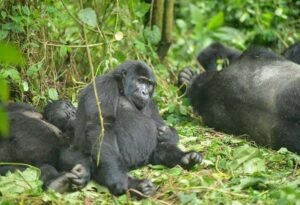
Yes, gorilla trekking helps conservation in Uganda. When it is carefully managed and visitors follow responsible tourism guidelines, gorilla tourism generates revenue for protected-area management, supports local communities, creates employment and strengthens the economic value of protecting mountain gorillas and their forest habitat.
For travelers planning a gorilla safari in Uganda, this is an important question. A gorilla trekking experience is not simply an opportunity to see one of Africa’s most endangered great apes. It is also part of a much wider conservation and community-development system.
Uganda is home to a significant population of the world’s remaining mountain gorillas, particularly in Bwindi Impenetrable National Park and Mgahinga Gorilla National Park. Protecting these gorillas requires more than rangers and forest boundaries. It requires sustainable funding, community participation, wildlife monitoring, health programmes and responsible tourism.
This is where gorilla trekking plays an important role.
At Mambo Gorilla Safaris Uganda, we believe that visiting Uganda’s mountain gorillas should be an unforgettable wildlife experience while also respecting the forests, communities and conservation programmes that make gorilla tourism possible.
How Does Gorilla Trekking Help Conservation?
Gorilla trekking supports conservation in Uganda in several interconnected ways:
- It generates tourism revenue.
- It contributes to protected-area management.
- It supports employment for local people.
- It creates income for guides, porters and lodge workers.
- It contributes to community revenue-sharing programmes.
- It encourages communities to participate in conservation.
- It raises international awareness about mountain gorillas.
- It gives protected forests long-term economic value.
- It supports conservation-related community projects.
- It encourages travelers to become advocates for wildlife protection.
Uganda Wildlife Authority states that it shares 20% of annual park revenue with communities surrounding protected areas. In June 2025, UWA reported distributing UGX 2.197 billion in revenue-sharing funds to communities around the Bwindi-Mgahinga Conservation Area.
This demonstrates that gorilla tourism is connected to benefits extending beyond the national park itself.
Why Is Gorilla Trekking Important for Conservation in Uganda?
Mountain gorillas depend on protected forest habitat.
Without healthy forests, there is nowhere for gorillas to feed, sleep, move, reproduce and raise their young.
Bwindi and Mgahinga therefore protect much more than gorillas. Their forests also support numerous other plants and animals and provide important ecological services.
Tourism gives these protected areas an additional economic value.
Instead of viewing the forest simply as land that could be converted to other uses, gorilla tourism demonstrates that a standing, healthy forest can support:
- Wildlife conservation
- Local employment
- Tourism businesses
- Community development
- Research
- Environmental education
- Long-term economic activity
The result is an important conservation principle:
Protecting the gorilla and protecting its habitat go together.
1. Gorilla Trekking Generates Revenue for Conservation
One of the most direct ways tourism contributes to conservation is by generating revenue.
Visitors traveling to Uganda spend money on gorilla permits, accommodation, transportation, guiding, meals and other tourism services.
Part of the revenue generated within the protected-area system supports the management of Uganda’s wildlife areas.
Conservation is expensive.
Protected areas require:
- Wildlife monitoring
- Ranger operations
- Trail maintenance
- Visitor management
- Law enforcement
- Conservation planning
- Community engagement
- Wildlife health programmes
Gorilla tourism therefore helps create a financial foundation for managing the protected areas where mountain gorillas live.
Uganda Wildlife Authority has also described gorilla tourism as an important contributor to its budget and emphasized the connection between tourism revenue and community conservation benefits.
2. Gorilla Tourism Supports Protected-Area Management
A national park cannot protect wildlife simply because it has been declared a protected area.
It needs active management.
Bwindi and Mgahinga require continuous monitoring of wildlife and habitat, visitor management and cooperation between conservation authorities, researchers, local communities and other partners.
Uganda’s gorilla conservation programme involves organizations working in areas including wildlife health, disease surveillance, community health, research and conservation.
UWA’s recent account of Uganda’s gorilla conservation journey highlights the importance of partnerships involving organizations such as Conservation Through Public Health, the International Gorilla Conservation Programme, the Mountain Gorilla Veterinary Project and the Bwindi Mgahinga Conservation Trust.
Tourism provides an important economic foundation within this wider conservation system.
3. Gorilla Trekking Creates Jobs for Local Communities
Gorilla tourism is also an important source of employment.
A visitor may only spend a few hours trekking through the forest, but many people are involved in making that experience possible.
Tourism supports opportunities for:
- Gorilla trekking guides
- Rangers and trackers
- Porters
- Drivers
- Lodge staff
- Cooks
- Restaurant workers
- Craft sellers
- Community tourism providers
- Local suppliers
UWA specifically reports that communities around Bwindi have benefited through employment as UWA staff, porters, guides and other tourism workers.
This matters because conservation becomes more meaningful when local people can earn legitimate income from an industry based on protecting wildlife.
4. Hiring a Porter Supports the Local Economy
One of the easiest ways a gorilla trekker can contribute directly to the local economy is by hiring a porter.
You may be physically fit enough to carry your own backpack, but a porter can still be extremely useful during a gorilla trek.
The terrain around Bwindi can be steep, muddy and challenging.
A porter can help carry:
- Your backpack
- Water
- Packed lunch
- Camera equipment
- Extra clothing
- Other personal items
More importantly, hiring a porter gives a local person an opportunity to earn income from tourism.
For many travelers, the relationship with their porter becomes one of the memorable parts of the gorilla trekking experience.
5. Gorilla Tourism Supports Local Communities
Conservation cannot succeed without considering the people who live around protected areas.
Communities surrounding Bwindi and Mgahinga live close to wildlife habitats. They can experience both the benefits and challenges associated with conservation.
For this reason, Uganda has established a revenue-sharing system.
UWA states that 20% of annual park revenue is shared with communities surrounding protected areas.
The purpose is to help communities benefit from the protected areas and strengthen their participation in conservation.
UWA has previously distributed billions of Ugandan shillings to districts surrounding Bwindi and Mgahinga. In 2022, for example, UWA handed over more than UGX 3.38 billion in revenue-sharing funds to communities surrounding the Bwindi-Mgahinga Conservation Area.
More recently, UWA reported that UGX 2.019 billion was allocated to Bwindi Impenetrable National Park through revenue sharing in the 2024/2025 financial year, while UGX 111 million was allocated to Kisoro from Mgahinga Gorilla National Park.
6. Revenue Sharing Can Support Community Development
Revenue sharing gives conservation a practical community dimension.
UWA’s reported revenue-sharing projects include areas such as:
- Schools
- Community development
- Livelihood improvement
- Human-wildlife conflict mitigation
- Other community priorities
During the 2024/2025 financial year, UWA reported monitoring 172 revenue-sharing projects across protected areas. A review of 42 projects included school interventions, livelihood initiatives, human-wildlife-conflict mitigation and community-development projects.
This is important because local communities need to see tangible benefits from conservation.
When tourism generates benefits beyond the park, the relationship between communities and protected areas can become stronger.
7. Gorilla Tourism Gives Mountain Gorillas Economic Value
There is another important reason gorilla tourism matters.
A living gorilla can support a sustainable tourism economy for many years.
A healthy forest can attract visitors year after year.
That creates economic opportunities for:
- Communities
- Tourism operators
- Guides
- Porters
- Lodges
- Drivers
- Conservation institutions
This does not mean that gorillas should be valued only because tourists pay to see them.
Mountain gorillas have intrinsic ecological value.
However, tourism creates an additional economic argument for maintaining their habitat and protecting the species.
8. Gorilla Trekking Raises Conservation Awareness
The conservation impact of gorilla tourism is not limited to money.
It also changes people’s understanding of wildlife.
A traveler who walks through Bwindi and eventually comes face-to-face with a mountain gorilla is likely to develop a much stronger connection with conservation.
During a gorilla trek, visitors can learn about:
- Gorilla behavior
- Forest ecology
- Wildlife protection
- Conservation challenges
- Local communities
- Responsible tourism
- The importance of protecting gorilla habitat
Visitors then return home with stories, photographs and knowledge about Uganda’s mountain gorillas.
That creates a wider international audience for conservation.
9. Protecting Gorillas Also Protects Their Forest
Gorillas cannot be separated from their habitat.
The forest provides them with:
- Food
- Shelter
- Nesting areas
- Movement corridors
- Social space
- Breeding habitat
Protecting the gorillas therefore means protecting the forest.
And when forests are protected, many other species benefit as well.
Bwindi is an important habitat for a wide range of biodiversity, including birds, primates, amphibians, insects and plant species.
This means a gorilla trekking safari is ultimately connected to a much larger conservation story.
10. Gorilla Tourism Encourages Community Participation
One of the most important principles of modern conservation is that local communities should be part of the solution.
People living around protected areas cannot simply be expected to protect wildlife without receiving opportunities to benefit from conservation.
Tourism helps create those opportunities.
A local resident can participate in the tourism economy as a:
- Porter
- Guide
- Driver
- Lodge employee
- Craft producer
- Community tourism provider
Community revenue-sharing programmes add another layer of benefit.
UWA has stated that the goal of revenue sharing is to recognize the role communities play in protecting wildlife resources and to strengthen cooperation between protected areas and surrounding communities.
Does 20% of Every Gorilla Permit Go to the Community?
This is an important point that travelers should understand correctly.
It is not accurate to say that 20% of every individual gorilla permit is simply handed directly to the community.
UWA states that 20% of annual park revenue is shared with surrounding communities.
Therefore, the more accurate explanation is:
Gorilla tourism contributes to protected-area revenue, and UWA operates a revenue-sharing programme through which a portion of annual park revenue is returned to surrounding communities.
This distinction is important when discussing how gorilla tourism supports conservation.
Does Gorilla Trekking Help Prevent Poaching?
Gorilla tourism can contribute to reducing the economic incentives associated with wildlife exploitation.
When communities benefit from tourism, wildlife can become a source of sustainable income.
A living gorilla can attract visitors repeatedly.
A dead gorilla cannot.
However, tourism alone does not prevent poaching.
Effective wildlife protection requires a combination of:
- Rangers
- Law enforcement
- Wildlife monitoring
- Community cooperation
- Habitat protection
- Research
- Veterinary care
- Conservation education
- Responsible tourism
Gorilla tourism is therefore one part of a much larger conservation system.
Gorilla Conservation Also Depends on Wildlife Health
Protecting mountain gorillas is not only about preventing poaching and protecting forests.
Disease is another major conservation concern.
Because gorillas are closely related to humans, certain human diseases can pose risks to wild gorilla populations.
UWA’s recent conservation report highlights the importance of disease surveillance, gorilla health monitoring and community health education.
This is why gorilla trekking regulations include health-related precautions.
If you are feeling sick before your trek, tell your safari operator and follow the guidance provided by the park authorities.
Can Gorilla Trekking Harm Gorillas?
Yes, poorly managed tourism can create risks.
Potential problems include:
- Disease transmission
- Disturbance
- Excessive visitor pressure
- Litter
- Trail erosion
- Habitat damage
This is why gorilla trekking must be carefully regulated.
Responsible gorilla tourism aims to provide visitors with an unforgettable encounter while minimizing disturbance to the animals.
Visitors should always follow the instructions of their ranger and guide.
Gorilla Trekking Rules Help Protect the Animals
When you trek with Mambo Gorilla Safaris Uganda, you will receive guidance about responsible behavior and the rules applicable to your gorilla trek.
Important principles include:
- Follow your ranger’s instructions.
- Maintain the required distance from gorillas.
- Do not touch the gorillas.
- Never feed wildlife.
- Do not litter.
- Avoid excessive noise.
- Follow photography instructions.
- Do not enter the forest when sick.
- Respect the forest environment.
- Never attempt to separate yourself from your trekking group.
These rules are designed to protect both the gorillas and visitors.
How Can You Make Your Gorilla Trek More Responsible?
As a traveler, you can contribute to conservation through simple choices.
1. Hire a Local Porter
This provides direct income to someone from the community.
2. Support Local Businesses
Purchase genuine local crafts and use locally owned services where appropriate.
3. Respect the Forest
Do not leave rubbish behind or remove plants, flowers or other natural materials.
4. Follow Gorilla Trekking Regulations
The rules exist to protect the gorillas.
5. Choose a Responsible Safari Operator
Work with an operator that respects park regulations and supports local communities.
6. Consider a Community Experience
Adding a cultural or community activity allows more of your tourism spending to reach local people.
Add a Cultural Experience to Your Uganda Gorilla Safari
Gorilla trekking can be combined with cultural experiences to create a deeper understanding of the communities surrounding Uganda’s forests.
Mambo Gorilla Safaris Uganda’s 3 Days Bwindi Gorilla Tour combines gorilla trekking with a Batwa cultural encounter. The itinerary includes a visit to Bwindi for gorilla trekking followed by an opportunity to experience Batwa culture through activities including storytelling, songs and dance.
This creates a safari experience that connects:
Wildlife + Forest + Culture + Community + Conservation
Book a Gorilla Safari With Mambo Gorilla Safaris Uganda
If you want to experience Uganda’s mountain gorillas while exploring more of the country’s wildlife and culture, Mambo Gorilla Safaris Uganda can organize a customized safari around your interests.
Mambo’s 3 Days Bwindi Gorilla Tour includes:
- Gorilla trekking
- Batwa cultural encounter
- 4×4 safari transportation
- Professional guide
- Park fees
- Accommodation
- Meals
- Activities included in the itinerary
The safari is suitable for travelers who want a focused gorilla experience without spending too many days on the road.
Book your 3 Days Bwindi Gorilla Safari with Mambo Gorilla Safaris Uganda.
Combine Gorilla Trekking With Lake Mburo
You can also extend your gorilla safari with other Ugandan wildlife experiences.
Mambo’s 4 Days Bwindi Gorillas & Lake Mburo Safari combines Bwindi with Lake Mburo National Park.
The itinerary includes opportunities for:
- Gorilla trekking
- Cultural experiences
- Nature walks
- Game drives
- Boat cruises
The safari combines Uganda’s mountain gorillas with wildlife and landscapes around Lake Mburo.
Explore the 4 Days Bwindi Gorillas & Lake Mburo Safari.
Explore Uganda’s Wildlife and Primates
For travelers with more time, gorilla trekking can become part of a longer Uganda safari.
Mambo’s 10 Days Wildlife and Primate Trekking Safari in Uganda combines gorilla trekking with chimpanzee trekking and wildlife experiences across destinations including Murchison Falls, Kibale, Queen Elizabeth, Bwindi and Lake Mburo.
A longer safari allows you to experience several of Uganda’s protected areas and spread your tourism spending across different destinations and communities.
Discover Mambo’s 10 Days Wildlife and Primate Safari in Uganda.
Why Choose Uganda for Gorilla Trekking?
Uganda is one of the world’s leading destinations for mountain gorilla trekking.
The country’s main gorilla trekking destinations are:
Bwindi Impenetrable National Park
Bwindi is the country’s primary mountain gorilla trekking destination and offers trekking in several sectors, including Buhoma, Ruhija, Rushaga and Nkuringo.
Mgahinga Gorilla National Park
Mgahinga forms part of the wider Virunga ecosystem and offers visitors an opportunity to experience mountain gorillas in a spectacular volcanic landscape.
Both destinations provide more than a wildlife encounter.
They provide an opportunity to understand the relationship between:
Mountain gorillas + forests + communities + tourism + conservation.
Is Gorilla Trekking Sustainable?
Gorilla trekking can be a sustainable form of tourism when it is properly managed.
Sustainable gorilla tourism requires a balance between four important areas:
Wildlife Protection
Gorillas must remain the priority.
Community Benefits
People living around protected forests should have opportunities to benefit from tourism.
Environmental Responsibility
Visitors and tourism operators should minimize negative impacts on the forest.
Long-Term Conservation
Tourism should contribute to a system capable of protecting gorillas and their habitat for future generations.
The success of gorilla tourism should therefore not be measured only by the number of visitors.
It should also be measured by the health of the gorillas, the protection of their habitat and the benefits reaching surrounding communities.
Does Gorilla Trekking Really Save Gorillas?
No single gorilla trek can save the mountain gorilla population on its own.
But every responsible trek can become part of a larger conservation system.
Your trip can contribute to:
- Tourism revenue
- Local employment
- Community development
- Conservation awareness
- Protected-area management
- Sustainable tourism
Thousands of travelers making responsible choices can create a significant cumulative impact.
That is why responsible gorilla tourism matters.
Frequently Asked Questions About Gorilla Trekking and Conservation
Does gorilla trekking help conservation?
Yes. Properly managed gorilla tourism contributes to conservation through tourism revenue, protected-area management, employment, community revenue sharing and conservation awareness.
How does gorilla trekking help conservation in Uganda?
It generates tourism revenue, supports local employment, contributes to community revenue-sharing programmes and gives economic value to protecting mountain gorillas and their forest habitat.
Does gorilla tourism benefit local communities?
Yes. Communities benefit through employment, portering, guiding, tourism businesses and revenue-sharing programmes.
What percentage of park revenue goes to communities?
Uganda Wildlife Authority states that 20% of annual park revenue is shared with communities surrounding protected areas.
Does 20% of every gorilla permit go directly to communities?
No. The official UWA description refers to 20% of annual park revenue, rather than 20% of each individual gorilla permit.
How does hiring a porter help conservation?
Hiring a porter provides direct tourism income to a local community member and helps spread the economic benefits of gorilla tourism.
Can gorilla tourism harm conservation?
Poorly managed tourism can create risks such as disease transmission, disturbance and environmental damage. This is why visitors must follow gorilla trekking regulations.
Why should I avoid trekking when I am sick?
Mountain gorillas are susceptible to human diseases. Health precautions help reduce the risk of transmitting illnesses to gorillas.
Can I combine gorilla trekking with other Uganda safaris?
Yes. Gorilla trekking can be combined with chimpanzee trekking, game drives, boat cruises, nature walks and cultural experiences.
Does Mambo Gorilla Safaris Uganda organize gorilla trekking?
Yes. Mambo organizes gorilla trekking safaris in Uganda, including its 3 Days Bwindi Gorilla Tour and longer Uganda wildlife and primate itineraries.
Final Thoughts
Does gorilla trekking help conservation? Absolutely.
But its contribution goes far beyond the gorilla permit.
A gorilla safari creates a chain of benefits.
A traveler visits Uganda.
The traveler pays for a regulated wildlife experience.
Guides and porters earn income.
Lodges employ local people.
Local businesses benefit from tourism.
Protected-area tourism generates revenue.
A portion of annual park revenue is shared with surrounding communities.
Conservation organizations and government agencies continue their work protecting gorillas, monitoring wildlife health and managing their habitat.
The result is a tourism model in which wildlife conservation, community development and responsible travel can support one another.
When you choose to trek mountain gorillas responsibly, respect the forest, hire local porters, support community businesses and follow the rules, you are doing more than taking a holiday photograph.
You are becoming part of Uganda’s wider gorilla conservation story.
Plan Your Uganda Gorilla Trekking Safari With Mambo Gorilla Safaris Uganda
Ready to experience Uganda’s mountain gorillas?
Mambo Gorilla Safaris Uganda can help you plan a gorilla trekking safari in Bwindi or combine gorilla trekking with other wildlife, primate and cultural experiences across Uganda.
Start planning your Uganda gorilla safari today.
Visit Mambo Gorilla Safaris Uganda and request your safari quote.


