Email: info@mambogorillasafarisuganda.com | Call: +256772666331

Gorilla Trekking in Uganda: What to Expect and How to Prepare

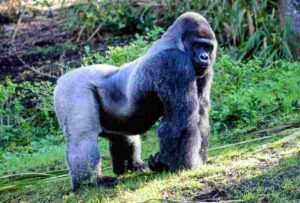
Gorilla trekking in Uganda is one of the most remarkable wildlife experiences in Africa. Imagine hiking through the misty rainforest of southwestern Uganda, following experienced trackers, and eventually coming face-to-face with a family of endangered mountain gorillas in their natural habitat.
For many travellers, this is a once-in-a-lifetime adventure.
But before booking your Uganda gorilla safari, it is important to know what the experience is really like.
How difficult is gorilla trekking?
What should you pack?
What should you wear?
How long does the trek take?
Where can you trek gorillas in Uganda?
When is the best time to visit?
And how can you prepare for your trek?
This complete guide from Mambo Gorilla Safaris Uganda answers these questions and provides practical advice to help you prepare for your Uganda gorilla trekking adventure.
Quick Facts About Gorilla Trekking in Uganda
| Question | Answer |
|---|---|
| Main gorilla destination | Bwindi Impenetrable National Park |
| Other destination | Mgahinga Gorilla National Park |
| Main Bwindi sectors | Buhoma, Ruhija, Rushaga and Nkuringo |
| Trek duration | Varies depending on gorilla location and trail conditions |
| Gorilla viewing | Regulated viewing period |
| Minimum trekking age | 15 years |
| Fitness | Moderate fitness recommended |
| Terrain | Mountainous rainforest, sometimes steep and muddy |
| Essential equipment | Hiking boots, rain jacket, long clothing and water |
| Main requirement | Valid gorilla trekking permit |
What Is Gorilla Trekking in Uganda?
Gorilla trekking is a guided wildlife experience where visitors hike through Uganda’s forests in search of habituated mountain gorilla families.
The trek takes place in their natural environment rather than in a zoo or enclosed sanctuary.
You are accompanied by trained guides, rangers and trackers who help locate the gorilla family and explain the forest ecosystem along the way.
The experience can involve several hours of hiking through dense vegetation, steep terrain, muddy trails and changing weather.
Once the gorillas are located, visitors spend regulated time observing them before returning through the forest.
The unpredictability is part of the adventure.
You don’t know exactly where the gorillas will be when you begin your hike.
Where Can You Go Gorilla Trekking in Uganda?
Uganda offers mountain gorilla trekking in two protected areas:
1. Bwindi Impenetrable National Park
Bwindi is Uganda’s most famous gorilla trekking destination.
The ancient rainforest is located in southwestern Uganda and provides habitat for mountain gorillas as well as numerous birds, primates, plants and other forest wildlife.
Bwindi has four main gorilla trekking sectors:
- Buhoma
- Ruhija
- Rushaga
- Nkuringo
Choosing the right sector is important because your trekking location affects where you stay and how your safari itinerary is organized.
Mambo Gorilla Safaris organizes gorilla trekking itineraries in Bwindi, including its 3-day Bwindi Gorilla Tour.
2. Mgahinga Gorilla National Park
Mgahinga is another destination for mountain gorilla trekking in Uganda.
The park forms part of the larger Virunga landscape and offers travellers another opportunity to experience mountain gorillas in their natural environment.
What to Expect on a Gorilla Trekking Day
Your gorilla trekking day usually starts early.
After breakfast at your lodge, you travel to the relevant park headquarters for briefing.
The rangers explain the trekking guidelines before visitors are assigned to groups and begin the hike.
From there, the real adventure starts.
You may walk through:
- Dense rainforest
- Steep hills
- Muddy trails
- Bamboo vegetation
- Thick undergrowth
- Uneven ground
- Slippery sections after rain
Your guide and trackers will help you navigate the forest and search for the gorilla family.
The amount of walking required varies because gorillas move through the forest.
Step-by-Step: What Happens During Gorilla Trekking?
Step 1: Have Breakfast
Start with a good breakfast because you may spend several hours in the forest.
Carry drinking water and, depending on your itinerary, a packed lunch and snacks.
Step 2: Travel to the Park Headquarters
Your safari guide takes you to the relevant trekking centre.
Mambo’s 3-day Bwindi itinerary includes transport to the park, professional guiding, accommodation, meals and the activities listed in the itinerary.
Step 3: Attend the Briefing
Before entering the forest, rangers explain:
- Safety procedures
- Gorilla trekking etiquette
- Photography rules
- Distance requirements
- Hygiene precautions
- Environmental responsibilities
Pay close attention to the briefing.
Step 4: Begin the Trek
You enter the forest with your guides and trackers.
The hike may be relatively easy in some sections and challenging in others.
Step 5: Find the Gorilla Family
Trackers communicate with each other while searching for the assigned gorilla family.
Once the gorillas are located, your group approaches carefully.
Step 6: Spend Time Observing the Gorillas
This is the highlight of the experience.
You may see:
- Silverbacks
- Mothers
- Infants
- Juveniles
- Gorillas feeding
- Gorillas resting
- Gorillas interacting with each other
Follow the rangers’ instructions throughout the encounter.
Step 7: Trek Back
After your regulated viewing time, you begin the journey back to the park headquarters.
Your Mambo guide then transfers you back to your lodge.
How Difficult Is Gorilla Trekking in Uganda?
One of the biggest questions travellers ask is:
“Is gorilla trekking difficult?”
The answer depends on the individual and the conditions on the day.
You don’t need to be a professional hiker, but a reasonable level of fitness is recommended.
Bwindi is a mountainous rainforest, and some trails can be steep, muddy and physically demanding.
The difficulty can depend on:
- Gorilla location
- Distance walked
- Terrain
- Weather
- Elevation
- Your physical condition
- Trail conditions
How to prepare physically
Start preparing several weeks before your safari.
Try:
- Long walks
- Hiking
- Stair climbing
- Hill walking
- Regular cardiovascular exercise
- Walking with a small backpack
If possible, practise using the same hiking boots you intend to wear during your safari.
How Long Does Gorilla Trekking Take?
There is no fixed duration.
Some gorilla families may be relatively close to the starting point while others can require considerably more walking.
You should therefore keep your entire day flexible.
Don’t plan an important activity immediately after your gorilla trek.
Give yourself time to hike back, have lunch and rest.
What Should You Wear for Gorilla Trekking in Uganda?
The right clothing can make your trek much more comfortable.
Because Bwindi is a rainforest environment, you should prepare for changing weather.
Wear:
Long trousers
Protect your legs from vegetation and insects.
Long-sleeved shirt
Useful for protection from branches, vegetation and insects.
Waterproof hiking boots
Choose boots with strong grip and ankle support.
Rain jacket
Rain can occur even when the day starts with sunshine.
Gardening or hiking gloves
Useful when moving through vegetation or holding onto branches.
Warm layer
A fleece or light sweater can be useful during cooler mornings.
What Shoes Are Best for Gorilla Trekking?
Your footwear is one of the most important decisions you will make.
Choose:
- Waterproof hiking boots
- Good ankle support
- Strong traction
- Comfortable fit
- Broken-in footwear
Avoid:
- Open sandals
- Fashion shoes
- High heels
- Completely new hiking boots
- Smooth-soled shoes
Muddy trails can become slippery, so grip is particularly important.
Gorilla Trekking Packing List
Here is a practical packing list for your Uganda gorilla safari.
Essential items
- Passport
- Gorilla trekking permit
- Hiking boots
- Long trousers
- Long-sleeved shirts
- Waterproof rain jacket
- Lightweight backpack
- Backpack rain cover
- Drinking water
- Snacks
- Camera
- Extra batteries
- Power bank
- Insect repellent
- Sunscreen
- Hat
- Sunglasses
- Extra socks
- Hiking gloves
- Personal medication
- Waterproof bags
Protect your electronics
Rainforest weather can change quickly.
Put your:
- Phone
- Camera
- Passport
- Batteries
- Power bank
inside waterproof protection.
Should You Hire a Porter for Gorilla Trekking?
Hiring a porter can be helpful.
A porter can carry your backpack and assist you on challenging sections of the trail.
This can be especially useful if you are carrying camera equipment or if you are not accustomed to long hikes.
Hiring a local porter can also provide an opportunity to directly support people living around the national park.
Ask your safari guide about porter arrangements before the trek.
What Are the Gorilla Trekking Rules?
Gorilla trekking is carefully regulated to protect both visitors and the gorillas.
Important rules include:
Keep your distance
Follow the ranger’s instructions regarding the required distance from the gorillas.
Do not use flash photography
Flash can disturb wildlife.
Do not visit the gorillas when sick
Gorillas are susceptible to human illnesses, so health precautions are extremely important.
Do not litter
Anything you bring into the forest should come back out with you.
Do not eat around the gorillas
Follow the ranger’s instructions about food and drinks.
Follow your guide
Your ranger and tracker understand gorilla behaviour and should always be followed.
Can You Take Photos During Gorilla Trekking?
Yes, photography is an important part of the experience.
However, photography should never come before responsible wildlife viewing.
Camera tips
Bring:
- Camera or smartphone
- Spare battery
- Memory card
- Power bank
- Waterproof camera protection
Because the forest can be dark, a camera with good low-light performance is useful.
Avoid flash photography.
And remember to put the camera down occasionally.
You are there to experience the gorillas—not only to photograph them.
What Is the Best Time for Gorilla Trekking in Uganda?
Gorilla trekking takes place throughout the year.
Many travellers prefer the relatively drier periods, particularly around:
- June to September
- December to February
The wetter periods can bring muddy and slippery trails, but they can also produce lush forest scenery and a beautiful rainforest atmosphere.
Dry vs Rainy Season
| Feature | Drier Periods | Wetter Periods |
|---|---|---|
| Rain | Generally less frequent | More frequent |
| Trails | Often easier | Can be muddy |
| Forest | Lush | Extremely green |
| Hiking | Often more comfortable | Can be more challenging |
| Photography | Good | Atmospheric rainforest conditions |
| Preparation | Rain gear still useful | Waterproof gear essential |
The key is preparation.
Rain should not automatically stop you from considering a gorilla trek.
How Much Does a Gorilla Safari in Uganda Cost?
The total price of your safari depends on your itinerary.
Factors include:
- Gorilla trekking permit
- Accommodation
- Number of safari days
- Safari vehicle
- Professional guide
- Meals
- Park fees
- Transfers
- Domestic flights
- Additional activities
- Accommodation category
Instead of focusing only on the gorilla permit price, consider the total cost of your complete safari.
For current permit prices and regulations, travellers should confirm the latest official Uganda Wildlife Authority information before booking.
When Should You Book Your Uganda Gorilla Safari?
Early booking is strongly recommended.
Gorilla trekking permits are limited, and accommodation in popular trekking areas can also become unavailable during busy travel periods.
Booking early gives you more flexibility when choosing:
- Travel dates
- Gorilla trekking sector
- Accommodation
- Safari duration
- Additional wildlife experiences
Mambo Gorilla Safaris can help organize the different elements of your Uganda gorilla safari.
How Do You Get to Bwindi?
You can travel to Bwindi by road or by air.
By Road
Road travel gives you the opportunity to experience Uganda’s countryside.
A road safari can also be combined with destinations such as:
- Lake Mburo
- Queen Elizabeth National Park
- Kibale Forest
- Ishasha
By Air
Travellers who want to reduce road travel can consider flying to the Bwindi region.
Mambo offers a 3-day Flying Gorilla Safari in Uganda, designed for travellers who prefer flying to Bwindi rather than travelling the entire distance by road. The itinerary uses the Kihihi or Kisoro area for access to the gorilla trekking region.
How Many Days Do You Need for a Uganda Gorilla Safari?
For travellers with limited time, a 3-day gorilla safari can be an excellent option.
Mambo Gorilla Safaris’ 3-day Bwindi Gorilla Tour follows a simple structure:
Day 1
Travel to Bwindi Impenetrable National Park.
Day 2
Gorilla trekking and Batwa cultural experience.
Day 3
Return towards Kampala or Entebbe.
The itinerary includes a 4×4 vehicle, professional guide, park fees, accommodation, meals and activities listed in the programme.
For travellers with more time, a longer safari allows you to combine gorilla trekking with wildlife and other primate experiences.
Combine Gorilla Trekking With a Uganda Wildlife Safari
One of the biggest advantages of choosing Uganda for your safari is the ability to combine gorillas with traditional wildlife experiences.
Gorilla Trekking + Lake Mburo
Mambo’s 4 Days Bwindi Gorillas & Lake Mburo Safari combines:
- Gorilla trekking
- Cultural encounters
- Nature walks
- Game drives
- Boat cruises
The itinerary visits both Lake Mburo National Park and Bwindi Impenetrable National Park.
Gorilla Trekking + Queen Elizabeth National Park
A longer itinerary can combine Bwindi with Queen Elizabeth National Park and wildlife viewing.
This provides a different experience from gorilla trekking, allowing travellers to experience Uganda’s savannah wildlife as well as its rainforest primates.
Gorilla Trekking + Chimpanzee Trekking
For travellers interested in primates, combining Bwindi gorillas with chimpanzee trekking in Kibale Forest can create a more complete primate safari.
Mambo’s 10-day wildlife and primate itinerary combines gorilla trekking in Bwindi, chimpanzee trekking in Kibale and wildlife experiences in several Ugandan national parks.
Gorilla Trekking and the Batwa Cultural Experience
Your Uganda gorilla safari can include more than wildlife.
Mambo’s 3-day Bwindi Gorilla Tour includes an opportunity for a Batwa cultural encounter after gorilla trekking.
Cultural experiences can help visitors understand the communities and history connected to the forests.
Ask Mambo Gorilla Safaris about adding cultural activities to your itinerary.
Why Choose Mambo Gorilla Safaris for Your Uganda Gorilla Trek?
Planning a gorilla safari involves coordinating several important elements.
Mambo Gorilla Safaris’ Uganda itineraries combine:
- Gorilla trekking
- Wildlife safaris
- Chimpanzee trekking
- Cultural experiences
- Nature walks
- Game drives
- Boat cruises
- Road safaris
- Flying safaris
The company currently offers short gorilla-focused itineraries as well as longer wildlife and primate journeys.
This allows your safari to be built around your available time, interests and preferred travel style.
Recommended Mambo Gorilla Safaris
3-Day Bwindi Gorilla Trekking Safari
Ideal for travellers who want a short Uganda gorilla experience.
Highlights:
- Bwindi gorilla trekking
- Batwa cultural encounter
- 4×4 safari transport
- Professional guide
- Accommodation
- Meals
View the 3-Day Bwindi Gorilla Tour
4-Day Bwindi Gorillas & Lake Mburo Safari
A great option for travellers who want gorillas plus wildlife.
Highlights:
- Gorilla trekking
- Lake Mburo
- Game drive
- Nature walk
- Boat cruise
- Cultural experience
View the 4-Day Bwindi & Lake Mburo Safari
3-Day Flying Gorilla Safari
Designed for travellers who prefer to reduce long road journeys.
View the Flying Gorilla Safari
10-Day Wildlife & Primate Safari
For travellers who want a broader Uganda experience combining gorillas, chimpanzees and wildlife.
View the 10-Day Wildlife & Primate Safari
Frequently Asked Questions About Gorilla Trekking in Uganda
Is gorilla trekking difficult?
Gorilla trekking can be physically demanding because the activity takes place in mountainous rainforest terrain. Your experience depends on the gorilla family’s location, weather, terrain and personal fitness.
What should I wear for gorilla trekking?
Wear long trousers, a long-sleeved shirt, waterproof hiking boots, a rain jacket and comfortable clothing suitable for hiking.
What should I pack for gorilla trekking?
Pack hiking boots, rain protection, water, snacks, a backpack, gloves, extra socks, insect repellent, sunscreen, personal medication and waterproof protection for electronics.
Can I go gorilla trekking in the rain?
Yes. Gorilla trekking can take place in wet conditions. Proper waterproof clothing and footwear are particularly important during rainy periods.
Can children go gorilla trekking?
Uganda’s gorilla trekking regulations set the minimum age at 15 years.
Do I need a porter?
A porter is not necessarily required, but many travellers find one useful for carrying luggage and providing support on difficult terrain.
How long do I spend with the gorillas?
The standard gorilla trekking experience provides a regulated viewing period with the gorilla family. Your ranger will explain the applicable rules on the day.
Can I combine gorilla trekking with a safari?
Yes. Uganda is particularly suitable for combining gorilla trekking with wildlife and chimpanzee experiences. Mambo offers itineraries combining Bwindi with destinations such as Lake Mburo, Queen Elizabeth, Kibale and Murchison Falls.
Your Uganda Gorilla Adventure Starts With Mambo
Gorilla trekking is more than simply seeing a wild animal.
It is a journey into one of Uganda’s remarkable rainforest environments, an opportunity to observe mountain gorillas in their natural habitat and a chance to combine wildlife adventure with cultural and conservation experiences.
The best way to prepare is to understand the terrain, pack correctly, allow enough time and choose an itinerary that matches your interests and fitness level.
Whether you have only three days for a focused Bwindi gorilla trek or more time for a combined gorilla and wildlife safari, Mambo Gorilla Safaris Uganda can help you plan your journey.
Ready to experience Uganda’s mountain gorillas?
Request Your Mambo Gorilla Safari Quote