Email: info@mambogorillasafarisuganda.com | Call: +256772666331

Gorilla Trekking in Uganda: Complete Bwindi Gorilla Safari Guide

Gorilla Trekking in Uganda: Complete Bwindi Gorilla Safari Guide
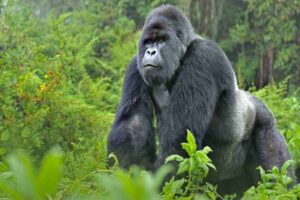
Gorilla trekking in Uganda is one of the most extraordinary wildlife experiences in Africa. Deep in the misty forests of southwestern Uganda, travelers hike through the ancient Bwindi rainforest in search of habituated mountain gorilla families.
At Mambo Gorilla Safaris Uganda, we help travelers turn this once-in-a-lifetime experience into a well-organized Uganda safari, from gorilla permit planning and accommodation to transportation, professional guiding and customized safari itineraries.
Whether you are planning a short 3-day Bwindi gorilla safari, a longer Uganda wildlife adventure, or a flying gorilla safari from Entebbe, this complete guide explains everything you need to know before going gorilla trekking in Uganda.
What Is Gorilla Trekking in Uganda?
Gorilla trekking is a guided wildlife experience where visitors hike through the forest in search of habituated mountain gorilla families.
Unlike a traditional game drive, gorilla trekking takes place on foot. You walk through dense vegetation, hills, valleys and forest trails with experienced guides, trackers and park rangers.
Once the gorilla family is located, visitors are allowed a limited period to observe the gorillas in their natural habitat.
Uganda Wildlife Authority states that gorilla trekking takes place in Bwindi Impenetrable National Park and Mgahinga Gorilla National Park. Treks require moderate fitness and may last approximately 2 to 7 hours, depending on the location of the gorilla family. Visitors receive one hour of observation with the habituated gorilla family.
Why Choose Uganda for Gorilla Trekking?
Uganda is one of the world’s leading destinations for mountain gorilla trekking.
Bwindi is particularly important because it is home to roughly half of the world’s mountain gorilla population, according to Uganda Wildlife Authority.
A Uganda gorilla safari also gives you the opportunity to combine gorilla trekking with other experiences, including:
- Wildlife game drives
- Chimpanzee trekking
- Nature walks
- Boat cruises
- Cultural experiences
- Batwa community experiences
- Bird watching
- Scenic countryside drives
This makes Uganda ideal for travelers who want more than just a single wildlife activity.
Where Can You Go Gorilla Trekking in Uganda?
There are two national parks where gorilla trekking takes place in Uganda.
Bwindi Impenetrable National Park
Bwindi is Uganda’s best-known gorilla trekking destination.
The park is divided into four main trekking sectors:
- Buhoma
- Ruhija
- Rushaga
- Nkuringo
Your trekking sector is important when planning your accommodation and transportation because Bwindi is a large mountainous forest.
Uganda Wildlife Authority confirms these four main Bwindi trekking sectors.
Mgahinga Gorilla National Park
Mgahinga lies in southwestern Uganda within the Virunga mountain region.
It provides another opportunity for travelers to experience mountain gorilla trekking while enjoying the dramatic volcanic landscapes of southwestern Uganda.
Bwindi Gorilla Trekking Sectors
Choosing the right sector is an important part of planning your Uganda gorilla safari.
Buhoma Gorilla Trekking
Buhoma is one of Bwindi’s most established tourism areas.
It can work well for travelers who want to combine gorilla trekking with additional forest activities and spend several nights around Bwindi.
Ruhija Gorilla Trekking
Ruhija is located on the eastern side of Bwindi.
It can be incorporated into itineraries connecting Bwindi with other destinations in southwestern Uganda.
Rushaga Gorilla Trekking
Rushaga is located in southern Bwindi and is an important gorilla trekking area.
It can be particularly convenient for itineraries involving the southern side of the park.
Nkuringo Gorilla Trekking
Nkuringo is another southern Bwindi trekking area surrounded by impressive mountainous scenery.
The terrain in this part of Bwindi can be demanding, making physical preparation important.
Which Bwindi sector is best?
There isn’t one sector that is automatically suitable for every traveler.
Your choice should take into account:
- Gorilla permit availability
- Travel route
- Accommodation
- Fitness level
- Safari duration
- Arrival and departure arrangements
- Other destinations you want to visit
Mambo Gorilla Safaris Uganda can help coordinate your trekking sector, accommodation and safari transportation around your preferred itinerary.
How Difficult Is Gorilla Trekking in Uganda?
One of the first questions travelers ask is:
“Is gorilla trekking difficult?”
The answer depends on several factors.
Bwindi is a mountainous rainforest with steep slopes, dense vegetation, uneven ground and muddy trails.
Some treks can be relatively short, while others require several hours of hiking.
Uganda Wildlife Authority recommends moderate fitness and notes that gorilla trekking can last approximately 2–7 hours.
You don’t need to be an elite athlete, but you should be comfortable walking for several hours over uneven terrain.
How to Prepare for Gorilla Trekking
Before your safari, consider:
- Walking regularly
- Hiking on hills
- Using stairs
- Building leg strength
- Improving cardiovascular fitness
- Practicing longer walks
- Getting used to hiking boots
If you have mobility or fitness concerns, tell your safari operator before your trek so your itinerary can be planned appropriately.
How Long Does Gorilla Trekking Take?
Gorilla trekking does not have a fixed duration.
The time required depends largely on where the assigned gorilla family is located and how far trackers need to travel through the forest.
A trek may take a few hours, while some can take most of the day.
The actual gorilla observation period is limited to one hour.
This means you should avoid scheduling important activities immediately after your trek.
Give yourself sufficient time for:
- The hike
- Gorilla observation
- Returning through the forest
- Lunch
- Rest
- Travel back to your lodge
What Happens on a Gorilla Trekking Day?
Understanding what happens on trekking day helps you prepare mentally and physically.
Step 1: Breakfast at Your Lodge
Start your day with an early breakfast.
Pack your water, lunch and trekking equipment before leaving.
Step 2: Travel to the Park Headquarters
Your Mambo Gorilla Safaris guide takes you to the appropriate briefing point.
Step 3: Gorilla Trekking Briefing
Park officials explain the rules and safety procedures.
Visitors are organized into trekking groups and assigned to a gorilla family.
Step 4: Begin the Forest Trek
You enter the forest with park rangers and trackers.
The trail may involve:
- Steep slopes
- Mud
- Tree roots
- Dense vegetation
- Streams
- Uneven ground
Step 5: Locate the Gorillas
Trackers use signs and information from the previous day to help locate the gorilla family.
Step 6: Spend Time With the Gorillas
Once the gorillas are found, you observe them from the permitted distance under ranger supervision.
Step 7: Return to the Starting Point
After the encounter, you hike back through the forest.
Your Mambo safari guide then takes you back to your accommodation.
How Close Can You Get to Mountain Gorillas?
Mountain gorillas are wild animals, even when habituated to human presence.
Visitors must follow the official distance and behavior rules provided by park authorities.
Do not attempt to:
- Touch the gorillas
- Feed the gorillas
- Chase the gorillas
- Shout at the gorillas
- Move toward them without instructions
If a gorilla approaches you, remain calm and follow your ranger’s instructions.
Responsible behavior protects both visitors and gorillas.
How Long Can You Stay With the Gorillas?
Standard gorilla trekking includes one hour of observation once the gorilla family has been located.
This limited viewing period helps manage human interaction with the gorillas and supports responsible tourism.
Make the most of the hour by observing natural behavior rather than spending the entire time looking through your camera.
Gorilla Trekking Rules
Following the rules is essential for a safe and responsible gorilla experience.
Important principles include:
Keep the Required Distance
Follow the distance instructions given by your ranger.
Don’t Use Flash
Flash photography can disturb the gorillas.
Keep Your Voice Low
Avoid unnecessary noise.
Never Touch the Gorillas
Even habituated gorillas remain wild animals.
Don’t Eat Around the Gorillas
Follow ranger instructions concerning food and drinks.
Don’t Leave Rubbish
Take everything you bring into the forest back with you.
Don’t Trek When Sick
Human illnesses can pose a serious risk to mountain gorillas.
Always inform your safari operator or park officials if you are unwell.
What Is the Gorilla Trekking Age Requirement?
Gorilla trekking is subject to an official minimum age requirement.
If you are planning a family trip, confirm the current requirements when booking your permit.
This is especially important because conservation regulations can change.
Mambo Gorilla Safaris can help you check the current requirements when planning your safari.
How Much Does Gorilla Trekking in Uganda Cost?
The total cost of a Uganda gorilla safari depends on more than the gorilla permit.
Your total budget can include:
- Gorilla permit
- Accommodation
- Transportation
- Safari guide
- Meals
- Park fees
- Cultural activities
- Additional safari activities
- Travel insurance
- International flights
Gorilla permit rates and regulations can change, so travelers should confirm the current official tariff before booking.
What Determines the Price of a Mambo Gorilla Safari?
Your safari price can vary according to:
- Number of travelers
- Safari duration
- Accommodation category
- Private or shared arrangements
- Road or flying safari
- Additional destinations
- Travel season
- Activities included
Mambo Gorilla Safaris can customize your itinerary around your budget and preferred travel style.
How Far in Advance Should You Book Gorilla Trekking?
Early booking is recommended because gorilla permits are limited.
Booking in advance is especially useful if you:
- Have fixed travel dates
- Want a particular trekking sector
- Are traveling during a busy season
- Need specific accommodation
- Are traveling with a group
- Want to combine gorillas with other safari destinations
The earlier you begin planning, the more flexibility you generally have when coordinating permits, accommodation and transportation.
Best Time for Gorilla Trekking in Uganda
Gorilla trekking is possible throughout the year.
Bwindi is a rainforest, so rain can occur even during periods commonly described as dry seasons.
Many travelers prefer relatively drier months because forest trails may be more comfortable to navigate.
Commonly preferred travel periods include:
- June
- July
- August
- September
- December
- January
- February
Rainier periods commonly include:
- March
- April
- May
- October
- November
However, weather in a rainforest can change quickly.
If you trek during a wetter period, prepare with waterproof clothing and good hiking boots.
Gorilla Trekking During the Rainy Season
Rain does not automatically mean your gorilla trek is cancelled.
Instead, you should prepare for wet conditions.
Rain can result in:
- Muddy trails
- Slippery slopes
- Wet vegetation
- More challenging hiking
- Damp clothing
What to Pack for Rainy-Season Gorilla Trekking
Bring:
- Waterproof hiking boots
- Rain jacket
- Waterproof backpack cover
- Dry bags
- Extra socks
- Long trousers
- Long-sleeved clothing
- Trekking gloves
Protect cameras, phones and other electronics from moisture.
What to Wear for Gorilla Trekking
Comfort and protection are more important than fashion.
We recommend:
- Long trousers
- Long-sleeved shirt
- Waterproof hiking boots
- Hiking socks
- Lightweight rain jacket
- Warm layer
- Trekking gloves
Good footwear is particularly important because Bwindi trails can be uneven, steep and slippery.
Gorilla Trekking Packing List
Before leaving for your Uganda gorilla safari, prepare the following:
Hiking Boots
Choose boots with good grip and ankle support.
Rain Jacket
Bwindi is a rainforest and weather can change quickly.
Water
Carry sufficient drinking water for the trek.
Packed Lunch and Snacks
Long treks may require food during the day.
Waterproof Backpack
Protect personal belongings from rain.
Camera
Bring enough battery power and memory.
Dry Bags
Useful for phones, documents and electronics.
Insect Repellent
Useful when spending time in the forest.
Sunscreen
Useful even when much of your trek takes place beneath forest cover.
Gloves
Protect your hands when moving through dense vegetation.
Should You Hire a Gorilla Trekking Porter?
A porter is optional, but many travelers find porter assistance useful.
A porter can help:
- Carry your backpack
- Carry drinking water
- Assist on steep sections
- Provide support on difficult terrain
- Reduce the weight you carry
Hiring local porters also provides an opportunity to support people living around Bwindi.
Gorilla Trekking Photography Tips
Photography is an important part of the gorilla experience, but responsible photography should always come first.
Remember to:
- Avoid flash
- Maintain the required distance
- Listen to your ranger
- Avoid sudden movements
- Protect your camera from rain
- Carry spare batteries
- Carry additional memory cards
A camera with a suitable zoom lens allows you to photograph the gorillas without trying to get unnecessarily close.
Can You Use a Smartphone for Gorilla Trekking?
Yes.
Modern smartphones can produce excellent photographs and videos.
However, protect your phone from:
- Rain
- Mud
- Moisture
- Drops
A waterproof phone pouch can be useful.
Is Gorilla Trekking Safe?
Gorilla trekking is conducted with trained guides, trackers and park rangers.
Visitors receive a briefing before entering the forest and must follow ranger instructions.
However, mountain gorillas remain wild animals.
For this reason, never approach them independently or attempt to interact with them.
Your ranger’s instructions should always take priority.
Gorilla Trekking for Older Travelers
Older travelers can participate in gorilla trekking depending on their individual fitness and mobility.
Before booking, consider:
- Your walking ability
- Hiking experience
- Fitness level
- Terrain
- Trekking sector
- Weather conditions
If you have concerns about the physical demands, discuss them with Mambo Gorilla Safaris before booking.
Gorilla Trekking for Travelers With Limited Fitness
You don’t necessarily need to be extremely fit.
However, Bwindi’s terrain can be physically demanding.
A good preparation program can include:
- Daily walking
- Hill walking
- Stair climbing
- Light strength training
- Longer weekend hikes
Tell your safari operator about your fitness level when planning your trip.
Gorilla Conservation in Uganda
Gorilla trekking is closely connected to conservation.
Tourism provides an economic reason to protect mountain gorilla habitats while creating employment and business opportunities around protected areas.
Visitors contribute to conservation through regulated tourism and park fees.
Responsible travelers can also support conservation by:
- Following trekking rules
- Hiring local porters
- Supporting community businesses
- Avoiding single-use waste
- Respecting local communities
- Following ranger instructions
The goal is to ensure that gorilla tourism contributes to protecting these extraordinary animals for future generations.
Gorilla Trekking and the Batwa Cultural Experience
A gorilla safari can be enhanced with a cultural experience around Bwindi.
Mambo Gorilla Safaris includes a Batwa cultural encounter in its 3-day Bwindi gorilla itinerary. Travelers can experience local traditions through cultural activities, including storytelling, songs and dance.
This creates an opportunity to learn more about the people and communities connected to the forest.
How to Get to Bwindi for Gorilla Trekking
Most travelers reach Bwindi by road from Kampala or Entebbe.
The journey takes you through Uganda’s countryside, with opportunities to stop at places such as the Equator depending on your itinerary.
Mambo’s 3-day Bwindi itinerary travels toward southwestern Uganda via the Kampala–Masaka–Mbarara route and includes an Equator stop before continuing toward Bwindi.
For travelers who prefer to minimize long road journeys, Mambo also offers a flying gorilla safari using flights toward the Bwindi region, followed by transfer to the lodge or trekking area.
How Many Days Do You Need for Gorilla Trekking?
For travelers starting from Kampala or Entebbe, a 3-day gorilla safari is a practical short itinerary.
A typical itinerary is:
Day 1: Kampala/Entebbe to Bwindi
Meet your Mambo safari guide and travel toward Bwindi.
Depending on the route, enjoy an Equator stop and continue toward your lodge.
Day 2: Gorilla Trekking
After breakfast, proceed to the park headquarters for briefing.
Enter Bwindi with the ranger team and search for your assigned gorilla family.
Spend one hour observing the gorillas before returning through the forest.
In the evening, you can relax at the lodge or participate in a cultural experience depending on your itinerary.
Day 3: Bwindi to Kampala/Entebbe
Enjoy breakfast before beginning your return journey.
Mambo’s current 3-day Bwindi package includes a 4×4 vehicle, professional guide, park fees, accommodation, meals and activities listed in the itinerary.
Mambo Gorilla Safaris Uganda 3-Day Bwindi Gorilla Safari
Our 3 Days Bwindi Gorilla Tour is designed for travelers who want to experience mountain gorilla trekking without spending a long period on safari.
Safari Highlights
- Gorilla trekking
- Batwa cultural encounter
- Bwindi rainforest
- Scenic Uganda countryside
- Professional safari guide
Included
- 4×4 safari vehicle
- Professional guide
- Park fees
- Accommodation
- Meals
- Activities included in the itinerary
Not Included
- Alcoholic drinks
- Laundry
- Tips
- Shopping
- Travel insurance
- Personal expenses
- Anything not included in the itinerary
The exact itinerary and accommodation can be discussed with the Mambo Gorilla Safaris team when requesting a quote.
4 Days Bwindi Gorillas and Lake Mburo Safari
If you want to combine gorilla trekking with wildlife, Mambo also offers a 4-day Bwindi Gorillas and Lake Mburo safari.
The itinerary combines:
- Gorilla trekking
- Cultural experiences
- Nature walks
- Game drives
- Boat cruises
This option gives travelers an opportunity to experience both mountain gorillas and Uganda’s savannah wildlife in one trip.
Flying Gorilla Safari in Uganda
Travelers who prefer to minimize long road journeys can consider Mambo’s 3-Day Flying Gorilla Safari.
The itinerary starts and ends around Entebbe or Kajjansi and uses flights toward Kihihi or Kisoro, followed by road transfer to the Bwindi area.
A flying safari can be particularly attractive for travelers with limited time who want to spend more of their trip around Bwindi.
Gorilla Trekking Combined With Uganda Wildlife Safaris
One of the advantages of booking with Mambo Gorilla Safaris is the ability to combine gorilla trekking with Uganda’s other wildlife destinations.
Possible combinations include:
Bwindi + Queen Elizabeth National Park
Enjoy gorilla trekking alongside game drives and a Kazinga Channel boat cruise.
Bwindi + Kibale Forest
Combine mountain gorillas with chimpanzee trekking and other primate experiences.
Bwindi + Lake Mburo
Combine gorilla trekking with game drives, nature walks and boat activities.
Bwindi + Murchison Falls
For longer trips, explore northern Uganda before traveling south toward Bwindi.
Mambo’s longer wildlife and primate itineraries combine gorilla trekking with destinations including Murchison Falls, Kibale, Queen Elizabeth and Lake Mburo.
Gorilla Trekking vs Gorilla Habituation Experience
These are two different experiences.
Gorilla Trekking
Standard gorilla trekking provides a limited viewing period with a habituated gorilla family.
Gorilla Habituation
The habituation experience is designed around gorilla groups undergoing the habituation process and involves a different permit and longer observation period.
If you specifically want a habituation experience, mention this when contacting Mambo Gorilla Safaris so the appropriate itinerary can be discussed.
Can You See Gorillas Every Time?
Gorillas are wild animals, so wildlife encounters should never be presented as an absolute guarantee.
However, habituated gorilla families are monitored by trackers, which makes gorilla trekking a highly structured wildlife experience.
The most important thing is to approach the experience with respect and realistic expectations.
Your goal is not simply to “find” an animal but to observe mountain gorillas responsibly in their natural habitat.
Why Book Gorilla Trekking With Mambo Gorilla Safaris Uganda?
Planning a gorilla safari involves coordinating several important elements.
Mambo Gorilla Safaris can help organize:
- Gorilla permits
- Safari transportation
- Accommodation
- Professional guides
- Park fees
- Meals
- Cultural experiences
- Gorilla trekking
- Wildlife safaris
- Chimpanzee trekking
- Flying safaris
- Airport transfers
Our itineraries can be adapted for different travel styles, from short three-day gorilla adventures to longer Uganda wildlife and primate safaris.
Whether you are a solo traveler, couple, family or group, contact Mambo Gorilla Safaris to discuss your preferred travel dates, accommodation level and safari activities.
Book Your Uganda Gorilla Trekking Safari
A gorilla trek in Uganda is more than a wildlife excursion.
It is a journey through Bwindi’s ancient rainforest, a challenging but rewarding hike, an opportunity to observe mountain gorillas in their natural environment and a chance to experience the communities surrounding the forest.
With proper preparation, the right equipment and an experienced safari team, your gorilla trekking adventure can become one of the most memorable experiences of your Uganda trip.
Ready to explore Bwindi and meet the mountain gorillas?
Contact Mambo Gorilla Safaris Uganda today and let us help you plan your gorilla trekking safari.
Plan Your Safari With Mambo Gorilla Safaris
Website: Mambo Gorilla Safaris Uganda
Email: info@mambogorillasafarisuganda.com
Phone: +256 772 666331
Location: Kampala, Uganda
Request your customized Uganda gorilla safari quote today.