Email: info@mambogorillasafarisuganda.com | Call: +256772666331
Mongoose Tracking Experience in Queen Elizabeth National Park, Uganda

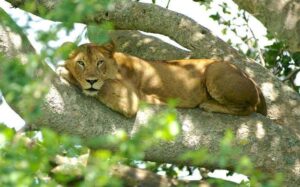
When most travelers think of a Uganda safari, they imagine elephants crossing the savannah, lions resting beneath acacia trees, hippos gathering along the Kazinga Channel, or the famous tree-climbing lions of Ishasha. But Queen Elizabeth National Park offers another fascinating wildlife experience that takes you beyond ordinary game drives: the mongoose tracking experience.
Mongoose tracking in Queen Elizabeth National Park gives visitors an opportunity to follow and observe wild banded mongooses while learning about their social behavior, movements, feeding habits and interactions from people involved in their long-running research. The experience takes place around the Mweya Peninsula, an important area for the Banded Mongoose Project.
For travelers who enjoy wildlife, conservation and unusual safari experiences, mongoose tracking can add a completely different dimension to a Uganda safari.
With Mambo Gorilla Safaris Uganda, this experience can be incorporated into a tailor-made Queen Elizabeth National Park safari alongside game drives, the Kazinga Channel boat cruise, chimpanzee tracking and other activities.
What Is Mongoose Tracking in Queen Elizabeth National Park?
Mongoose tracking is an experiential wildlife activity in which visitors accompany researchers or authorized guides to observe banded mongoose groups in their natural environment.
Instead of simply driving through the park looking for animals, you become more involved in understanding one particular species. The experience can include observing mongoose behavior, identifying individuals or groups, following their movements and learning about their social organization and ecology.
The Banded Mongoose Project is based around the Mweya Peninsula and has followed wild banded mongooses for many years. Researchers use observations of individual animals and groups to investigate questions about cooperation, family relationships, aggression, reproduction and other aspects of mongoose society.
This makes mongoose tracking particularly interesting for visitors who want to understand how wildlife research contributes to conservation and our knowledge of African ecosystems.
Where Is Mongoose Tracking Done?
Mongoose tracking is conducted around the Mweya Peninsula in Queen Elizabeth National Park, western Uganda.
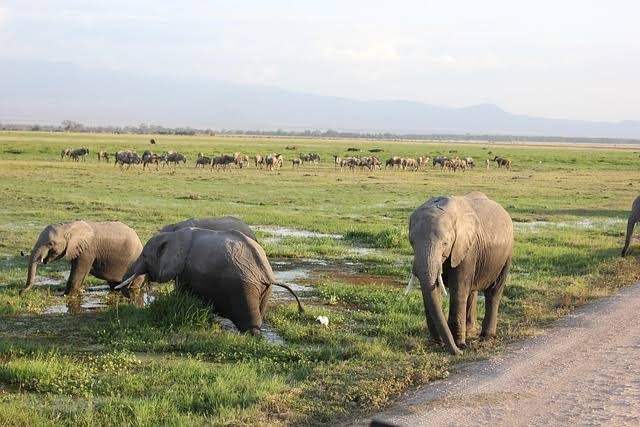
Mweya is strategically located within the park and is surrounded by diverse habitats. The area supports wildlife such as elephants, buffaloes, waterbucks, warthogs and numerous bird species, in addition to the banded mongooses studied by researchers.
The Mweya Peninsula is also an excellent base for exploring other attractions in Queen Elizabeth National Park, making it easy to combine mongoose tracking with a broader safari itinerary.
Why Is the Banded Mongoose Special?
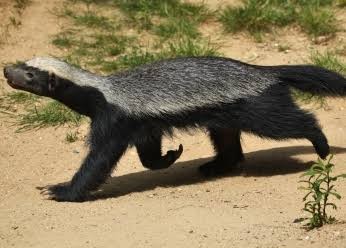
The banded mongoose is a small carnivorous mammal with a remarkably social lifestyle.
Unlike many solitary predators, banded mongooses live in social groups and cooperate in activities such as foraging, caring for young and defending themselves from threats. Their communication and group dynamics have made them particularly valuable subjects for behavioral research.
The Banded Mongoose Project has followed individuals throughout their lives and across generations, allowing researchers to investigate how individual experiences and social relationships influence behavior.
During a mongoose tracking experience, you therefore get much more than a quick wildlife sighting. You gain an opportunity to observe the complicated social world of a small African mammal.
What Happens During a Mongoose Tracking Experience?
Your experience may vary depending on research activities, weather, animal movements and the arrangements available on the day. However, a typical experience involves several interesting stages.
1. Briefing Before the Activity
Before heading into the field, you receive information about the activity and what to expect.
Your guide or research team explains how to behave around the animals and how visitors can observe without unnecessarily disturbing them.
This briefing is important because mongoose tracking is designed around observation and research rather than simply taking photographs.
2. Entering the Mongoose Research Area
You then head toward the area where the banded mongoose groups are being monitored.
Unlike a conventional game drive where you remain in a safari vehicle for most of the experience, mongoose tracking can involve moving through the environment on foot under appropriate guidance.
The activity allows visitors to experience the habitat from a different perspective.
3. Locating the Mongoose Group
The research team uses its knowledge of the animals and their movements to locate the mongoose groups.
The objective is not simply to find a mongoose and leave. You are there to observe the animals and learn about their behavior.
Depending on the group’s activity, you may see them moving through vegetation, searching for food, interacting with one another, grooming, resting or responding to members of the group.
4. Learning About Mongoose Behavior
This is arguably the most fascinating part of the experience.
Researchers have spent years studying banded mongoose societies, so visitors can gain insights into behaviors that would be difficult to understand during an ordinary safari.
You may learn about:
- Mongoose social structures
- Group communication
- Foraging behavior
- Relationships between adults and young
- Cooperation within the group
- Territorial behavior
- Individual identification
- Reproduction and family relationships
- Predator avoidance
- Research and conservation methods
The Banded Mongoose Project specifically studies questions surrounding cooperation, aggression, family relationships and social evolution by following wild animals over long periods.
How Long Does Mongoose Tracking Take?
Mongoose tracking is commonly described as an activity lasting up to about three hours, although the actual experience can vary according to animal movements, field conditions and the day’s research activities.
Unlike a fixed-duration attraction, wildlife experiences are naturally influenced by what the animals are doing.
The additional time is part of what makes the experience rewarding. Rather than rushing from one sighting to another, you have time to watch natural behavior.
Is Mongoose Tracking Suitable for Families?
Mongoose tracking can be an interesting activity for families, wildlife enthusiasts and travelers interested in nature education.
Children who are fascinated by animals can learn that wildlife conservation involves much more than protecting large mammals such as elephants and lions.
Small mammals also play important roles in ecosystems, and studying their behavior helps researchers understand how different species interact with their environments.
Families should nevertheless consider the walking component and the age, fitness and interests of individual travelers when planning the activity.
What Wildlife Can You See Around Mweya?
Although the primary objective is to observe banded mongooses, you are visiting one of Uganda’s richest wildlife areas.
Depending on where you go and the conditions on the day, the wider Mweya area can offer opportunities to see other wildlife and birds.
Possible sightings around Queen Elizabeth National Park include:
- African elephants
- African buffaloes
- Hippos
- Warthogs
- Waterbucks
- Uganda kobs
- Lions
- Leopards
- Various antelope species
- Numerous bird species
- Other small mammals and reptiles
Queen Elizabeth National Park protects a mixture of savannah, wetlands, forests, lakes and other habitats, supporting a remarkably diverse wildlife community. The Banded Mongoose Project also notes the presence of elephants, buffaloes, waterbucks, warthogs, crocodiles and other wildlife around Mweya Peninsula.
Mongoose Tracking vs a Normal Game Drive
A normal game drive and mongoose tracking offer very different experiences.
A game drive is designed to explore a large area and look for multiple wildlife species. You may see elephants, buffaloes, lions, Uganda kobs, warthogs and many other animals during the same outing.
Mongoose tracking is more specialized.
| Normal Game Drive | Mongoose Tracking |
|---|---|
| Focuses on many wildlife species | Focuses mainly on banded mongooses |
| Usually vehicle-based | Can involve walking with guides/researchers |
| Covers broader areas | Focuses on mongoose research areas |
| Wildlife viewing is the primary goal | Observation and research are central |
| Suitable for general safari viewing | Particularly interesting for wildlife enthusiasts |
| Can produce many different animal sightings | Provides deeper insight into one social species |
The two experiences complement each other very well.
For example, you could enjoy an early morning game drive to explore the Kasenyi plains, return for breakfast or lunch, and then participate in another wildlife experience depending on the day’s arrangements.
Why Add Mongoose Tracking to Your Uganda Safari?
1. It Takes You Beyond the Big Five
Uganda’s wildlife is much more than lions, elephants, buffaloes and leopards.
Mongoose tracking introduces you to the fascinating world of smaller mammals that are often overlooked on conventional safaris.
2. You Learn From Wildlife Research
The Banded Mongoose Project provides an unusual connection between tourism and scientific research.
Visitors can gain insight into how researchers follow individual animals and investigate social behavior over many years.
3. It Offers a Different Kind of Safari Experience
After several game drives, some travelers want something more specialized.
Mongoose tracking gives you a chance to slow down and concentrate on animal behavior rather than simply collecting a list of species.
4. It Supports Conservation and Education
Experiential tourism can help visitors understand the importance of scientific monitoring and wildlife conservation.
Seeing researchers at work can make conservation concepts more meaningful because you are witnessing how information about wild animals is collected in the field.
5. It Fits Naturally Into a Queen Elizabeth Safari
Queen Elizabeth National Park already offers a wide range of activities, including game drives, boat cruises, chimpanzee tracking, nature walks and other wildlife experiences.
Mambo Gorilla Safaris can arrange an itinerary that combines these activities according to your interests and available time.
Best Time for Mongoose Tracking in Queen Elizabeth National Park
Queen Elizabeth National Park can be visited throughout the year.
However, the dry seasons are generally popular for safari activities, particularly because roads and walking areas tend to be easier to navigate.
The commonly recognized dry periods include approximately June to September and December to February, although weather patterns can vary.
Mongoose tracking is a wildlife activity, so sightings and animal behavior cannot be guaranteed. Even with habituated research groups, animals remain wild and their movements naturally change.
For the most accurate arrangements for your travel dates, Mambo Gorilla Safaris can check the current activity availability when planning your safari.
What Should You Pack for Mongoose Tracking?
Because the experience may involve walking, comfortable safari clothing is important.
We recommend carrying:
- Lightweight long-sleeved shirts
- Long safari trousers
- Comfortable walking shoes
- A wide-brimmed hat
- Sunscreen
- Insect repellent
- Sunglasses
- Reusable drinking water
- Binoculars
- Camera with spare batteries
- Extra memory cards
- Lightweight rain jacket
- Small day backpack
Neutral-colored clothing is generally useful for wildlife viewing because it helps you blend into the surroundings and reduces unnecessary visual disturbance.
Mongoose Tracking Photography Tips
Banded mongooses are small, active animals, so photographing them can require patience.
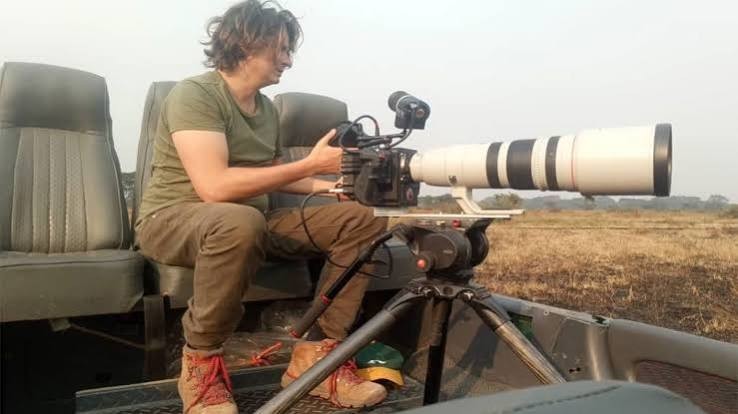
A camera with a reasonable telephoto lens can help you capture behavior without approaching the animals unnecessarily.
Instead of photographing only individual animals, try to capture:
- Groups moving together
- Mongoose social interactions
- Grooming
- Foraging
- Young mongooses with adults
- Animals emerging from vegetation
- Environmental portraits
- Researchers conducting fieldwork
Most importantly, follow the instructions of your guide and research team.
A good wildlife photograph should never come at the expense of disturbing the animals.
Responsible Mongoose Tracking
Mongoose tracking is built around observing animals in their natural environment.
Responsible behavior is therefore essential.
During the activity:
- Follow the instructions of your guide or researchers.
- Maintain an appropriate distance from wildlife.
- Do not chase the animals.
- Avoid loud noises.
- Never feed the mongooses.
- Do not attempt to touch wildlife.
- Avoid blocking the animals’ natural movements.
- Keep your group together where instructed.
- Follow all park regulations.
- Respect research procedures.
The goal is to observe natural behavior rather than cause animals to behave differently because of visitors.
How to Combine Mongoose Tracking With Other Queen Elizabeth Activities
One of the advantages of choosing Mambo Gorilla Safaris is the ability to build a flexible itinerary around your interests.
A Queen Elizabeth National Park safari can combine mongoose tracking with several other experiences.
Mongoose Tracking + Game Drive
Start with a game drive across the savannah to search for elephants, buffaloes, lions, Uganda kobs and other wildlife, then dedicate additional time to the smaller world of banded mongooses.
Mongoose Tracking + Kazinga Channel Boat Cruise
The Kazinga Channel is one of the major attractions of Queen Elizabeth National Park.
A boat cruise provides opportunities to observe hippos, crocodiles, elephants, buffaloes and waterbirds from the water. Mambo’s Queen Elizabeth itineraries already combine game drives with a Kazinga Channel cruise.
Mongoose Tracking + Chimpanzee Trekking
For primate lovers, combine mongoose tracking with chimpanzee trekking in Kyambura Gorge.
This creates a diverse wildlife itinerary covering both small carnivores and great apes.
Mongoose Tracking + Gorilla Trekking
For a longer Uganda safari, combine Queen Elizabeth National Park with Bwindi Impenetrable National Park.
You can experience the savannah wildlife of Queen Elizabeth before continuing to southwestern Uganda for mountain gorilla trekking.
Mambo Gorilla Safaris also offers Uganda itineraries combining Queen Elizabeth National Park with Bwindi and other major wildlife and primate destinations.
Sample 3-Day Queen Elizabeth Mongoose Tracking Safari
Day 1: Kampala or Entebbe to Queen Elizabeth National Park
Meet your Mambo Gorilla Safaris guide and begin the journey westward toward Queen Elizabeth National Park.
Depending on your departure point, the journey can include a stop at the Equator before continuing through Uganda’s countryside toward the park.
Arrive at your lodge, relax and prepare for the following day’s wildlife activities.
Day 2: Mongoose Tracking and Kazinga Channel
After breakfast, participate in the mongoose tracking experience around the Mweya Peninsula.
Spend time learning about banded mongoose behavior and observing the animals in their natural habitat.
Later, enjoy lunch before proceeding for a boat cruise along the Kazinga Channel, where you can look for hippos, crocodiles, elephants, buffaloes and waterbirds.
Return to your lodge for dinner and overnight.
Day 3: Morning Game Drive and Departure
Enjoy an early morning game drive through the park before beginning your journey back toward Kampala or Entebbe.
Depending on your onward travel arrangements, Mambo can also extend the itinerary to include another destination such as Bwindi, Kibale or Lake Mburo.
Mongoose Tracking and Gorilla Trekking in One Uganda Safari
If your main interest is primates and wildlife, Uganda allows you to combine very different experiences in one journey.
Imagine starting your safari with the social world of banded mongooses at Mweya, continuing through Queen Elizabeth’s savannah for elephants and lions, visiting Kibale for chimpanzee trekking, and finishing in Bwindi with mountain gorillas.
This type of itinerary allows you to experience Uganda’s wildlife at several levels—from small social carnivores to some of Africa’s most iconic mammals and great apes.
Mambo Gorilla Safaris specializes in tailor-made Uganda wildlife and primate safaris and can adjust the number of days, accommodation level, transport and activities around your travel plans.
Why Book Your Mongoose Tracking Safari With Mambo Gorilla Safaris?
Choosing the right local safari operator can make a significant difference when arranging a specialized experience.
With Mambo Gorilla Safaris Uganda, you can benefit from:
- Tailor-made Uganda safari itineraries
- Experienced local driver-guides
- 4×4 safari transport
- Assistance with park activities and permits
- Accommodation planning
- Airport transfers
- Gorilla and chimpanzee safari combinations
- Queen Elizabeth wildlife safaris
- Uganda, Rwanda and Congo safari combinations
- Flexible private safari arrangements
Mambo’s existing Queen Elizabeth itineraries combine wildlife viewing with activities such as game drives and Kazinga Channel cruises, while longer itineraries can connect Queen Elizabeth with Kibale, Bwindi and Lake Mburo.