Email: info@mambogorillasafarisuganda.com | Call: +256772666331

8 Best Safari Activities in Kidepo Valley National Park, Uganda

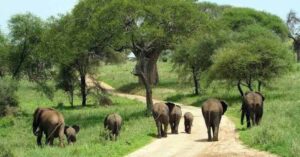
Kidepo Valley National Park is one of Uganda’s most remarkable wildlife destinations, offering vast savannah plains, rugged mountains, seasonal river valleys and unforgettable encounters with African wildlife. Located in the remote Karamoja region of northeastern Uganda, the park appeals to travelers looking for a quieter, more adventurous safari away from the country’s busier tourist routes.
From watching elephants and buffaloes during a game drive to exploring the wilderness on a guided nature walk, Kidepo offers a range of experiences for wildlife lovers, photographers, birdwatchers and cultural travelers.
If you are planning a safari in northern Uganda, understanding the best safari activities in Kidepo Valley National Park will help you decide how long to stay and what to include in your itinerary.
In this guide, Mambo Gorilla Safaris Uganda explores eight rewarding activities, explains what visitors can expect and shares practical tips for planning a memorable Kidepo safari.
1. Enjoy a Wildlife Game Drive in Kidepo Valley National Park
A wildlife game drive is one of the best things to do in Kidepo Valley National Park. The park’s open grasslands and expansive landscapes provide opportunities to observe wildlife from a safari vehicle while an experienced guide explains animal behaviour and the surrounding ecosystem.
Kidepo is known for its impressive herds of buffaloes and its populations of elephants, giraffes, zebras, antelopes and predators. Depending on the area and conditions, visitors may also encounter lions, leopards, spotted hyenas and jackals.
Because the park is remote and its wildlife is free-ranging, sightings vary from one drive to another. The experience is as much about exploring the landscape as it is about finding particular animals.
Explore the Narus Valley
The Narus Valley is one of Kidepo’s principal wildlife-viewing areas. Its grasslands and available water sources attract animals, making it a rewarding place to explore during a guided game drive.
Depending on the season and wildlife movements, you may see:
- African elephants moving across the plains.
- Large herds of Cape buffaloes.
- Rothschild’s giraffes browsing on trees.
- Burchell’s zebras grazing in open areas.
- Jackson’s hartebeests, oribis and other antelopes.
- Lions and other predators when conditions are favourable.
Morning and late-afternoon drives are popular because temperatures can be cooler and wildlife activity may be rewarding. Your guide can recommend the best departure time for the conditions.
Explore the Kidepo Valley
The Kidepo Valley offers a different landscape, with seasonal river channels, open terrain and striking views of the surrounding mountains.
Wildlife encounters depend on rainfall, water availability and animal movements. A drive through this area can be especially appealing to photographers who want to capture the park’s distinctive scenery as well as its wildlife.
What makes a Kidepo game drive special?
Kidepo offers a sense of space and wilderness that many visitors find appealing. The scenery changes across valleys and grasslands, and the park is often less crowded than some of Uganda’s more frequently visited safari destinations.
Travel tip: Bring binoculars, a camera, sun protection and drinking water. A suitable four-wheel-drive vehicle is advisable, and you should follow your guide’s instructions around wildlife.
2. Go on a Guided Nature Walk in the African Wilderness
A guided nature walk is another rewarding safari activity in Kidepo Valley National Park. Walking through the wilderness allows you to notice details that may be missed from a vehicle, including animal tracks, plants, insects, bird calls and changes in the landscape.
Some walks around the Apoka area offer opportunities to observe wildlife such as zebras, reedbucks and hartebeests. Longer routes may pass through open grassland where visitors can look for giraffes, buffaloes, elephants and other animals from a safe distance.
What can you experience on a nature walk?
Depending on the route and current arrangements, a guided walk may include:
- Learning how to identify animal tracks and signs.
- Discovering the park’s grasses, shrubs and trees.
- Observing birds and smaller wildlife.
- Enjoying views of the Narus Valley and surrounding hills.
- Learning about the relationship between wildlife and the local environment.
The experience is different from a game drive because it encourages a slower pace and closer attention to the natural surroundings.
Are nature walks safe?
Nature walks inside Kidepo Valley National Park must follow the park’s rules and be conducted with the required authorized ranger guide. Do not walk independently through wildlife areas or approach animals on foot.
Trail length, walking time and wildlife sightings vary. Ask about the route, fitness requirements and weather conditions before setting out.
Travel tip: Wear sturdy closed shoes, long trousers and a hat. Carry water, use sun protection and follow the ranger’s instructions throughout the walk.
3. Discover Kidepo’s Exceptional Birdlife
Kidepo Valley National Park is a rewarding destination for birdwatchers. Its combination of savannah, seasonal wetlands, rocky hills and open valleys creates habitats for a diverse range of birds.
Whether you are an experienced birder or simply enjoy watching colourful wildlife, birdwatching can add a special dimension to your safari.
Which birds can you look for?
Depending on the habitat, season and conditions, birds of interest may include:
- Ostriches.
- Kori bustards.
- Abyssinian ground hornbills.
- Secretarybirds.
- Verreaux’s eagles.
- Pygmy falcons.
- Abyssinian rollers.
- Various weavers, bee-eaters and other savannah species.
Some species are particularly associated with the Karamoja region and make Kidepo an attractive destination for travelers interested in Uganda’s less familiar birdlife.
Best areas for birdwatching
The Narus Valley, Kidepo Valley, Namamukweny Valley and the Apoka area are potential places to look for different bird species. The best location depends on the birds you want to see and the conditions on the day.
A ranger guide with local knowledge can help you identify calls, distinguish similar species and select appropriate viewing areas.
When should you go birdwatching?
Early morning is often a good time to begin, when many birds are active. However, different habitats and species may offer opportunities at other times of the day.
If birdwatching is a main reason for visiting, tell your safari operator in advance so enough time can be set aside for observation.
Travel tip: Carry binoculars, a bird identification guide or app, a camera and a notebook if you record sightings. Keep a respectful distance from nesting birds and avoid disturbing wildlife.
4. Hike in the Morungole Mountains
The Morungole Mountains rise above the surrounding landscape and offer a different kind of adventure from Kidepo’s game drives. Hiking in this area can provide panoramic views, encounters with local natural environments and an opportunity to appreciate the rugged geography of northeastern Uganda.
Mountain hiking is best suited to travelers who enjoy walking and are prepared for a physically demanding outing.
What can you expect?
Depending on the route, conditions and permissions, a hike may involve steep or uneven ground, changing weather and extended periods of walking.
The experience can reward visitors with broad views of the surrounding valleys and mountains. It also offers a different perspective on Karamoja, where dramatic terrain and open landscapes shape daily life and travel.
Can you visit the Ik community?
The Ik people live in the mountains of northeastern Uganda, and cultural visits may be possible through appropriately arranged local guiding and community contacts.
A visit should be planned respectfully and with attention to the wishes and privacy of local residents. Ask your operator about the route, community arrangements, expected walking time and any additional requirements.
How should you prepare for a mountain hike?
- Wear sturdy hiking boots with good grip.
- Carry enough drinking water.
- Use sun protection and bring suitable clothing.
- Check the route’s difficulty before booking.
- Follow the guide’s instructions.
- Allow sufficient time for the return journey.
Mountain hiking is not the same as a casual nature walk. Confirm that the activity matches your fitness level and travel schedule.
5. Experience a Night Game Drive
A night game drive can provide a different perspective on Kidepo’s wildlife. As daylight fades, some nocturnal animals become more active, creating opportunities to look for species that are harder to encounter during daytime drives.
When available and authorized, night drives are conducted according to park rules and the relevant guide or ranger arrangements. Confirm current availability before including one in your safari.
Which animals might you see?
Depending on conditions and luck, a night drive may provide opportunities to look for:
- Spotted hyenas.
- Jackals.
- Nocturnal small mammals.
- Night-active birds.
- Other wildlife moving through the savannah after dark.
Some animals seen during the day may also be encountered resting or moving through the area at night.
Nocturnal sightings are unpredictable, so the experience should be approached as an exploration rather than a guaranteed opportunity to see a specific animal.
Why choose a night drive?
A night drive introduces visitors to another part of the ecosystem. Guides may explain animal calls, nocturnal behaviour and the ways wildlife responds to changing temperatures and darkness.
It is particularly attractive to repeat safari travelers and wildlife enthusiasts who want to explore beyond conventional daytime game drives.
Travel tip: Confirm the activity’s schedule, cost, minimum requirements and operating arrangements with your tour operator. Follow all instructions about vehicle lighting, noise and wildlife distance.
6. Explore Kidepo’s Scenic Valleys and Seasonal River Channels
Kidepo Valley National Park is known for its broad landscapes, distant mountains, open plains and seasonal watercourses. Scenic drives through the valleys can be a rewarding activity in their own right, particularly for visitors who enjoy landscape photography.
The park’s changing scenery creates opportunities to appreciate the scale and character of the Karamoja region.
Visit the Kidepo Valley landscape
The Kidepo Valley has seasonal river channels and distinctive vegetation that change with rainfall. At different times of year, the landscape may feature dry riverbeds, green growth, open grassland or contrasting colours across the valley.
Your guide can explain how seasonal rainfall affects water availability, vegetation and wildlife movements.
Enjoy landscape photography
The open terrain and distant hills can create striking photographic compositions. Early morning and late afternoon may offer softer light, depending on weather and cloud cover.
Useful subjects include:
- Wide savannah landscapes.
- Mountain silhouettes.
- Seasonal river channels.
- Wildlife against open grassland.
- Trees and vegetation adapted to dry conditions.
Stay on permitted routes and follow guidance about safe places to stop. Do not leave the vehicle or enter restricted areas without authorization.
Why include a scenic drive?
A scenic drive allows you to enjoy the park even when wildlife is not immediately visible. It also helps explain how habitats, water and seasonal changes shape the region.
For many travelers, the combination of scenery and wildlife makes Kidepo especially memorable.
7. Learn About Karamojong Culture Through a Community Visit
A safari in Kidepo can be an opportunity to learn about the cultures and livelihoods of northeastern Uganda as well as its wildlife.
The Karamojong are among the communities associated with the wider Karamoja region. A locally arranged cultural visit may introduce travelers to aspects of community life, traditional knowledge, crafts, music, dance or the history of the area.
Experiences differ between communities and providers, so ask for details before booking.
What might a community visit include?
Depending on the local arrangement, visitors may be able to:
- Learn about traditional homesteads and daily life.
- Hear stories about local history and cultural practices.
- Learn about livestock and pastoral livelihoods.
- Experience locally organized music or dance.
- Purchase crafts made by community members.
- Understand the relationship between communities, wildlife and tourism.
A cultural visit should be organized with local participation and respect for the people involved. Not every community offers the same activities, and visits should never be treated as an entitlement to photograph residents or enter private homes.
How can visitors be responsible?
Ask permission before taking photographs, listen to local guides, follow community instructions and purchase goods fairly. If a cultural activity includes a fee, clarify what it covers and how the visit is organized.
Community experiences can add meaningful context to your safari by helping you understand the people and traditions of the region.
8. Discover the Karamoja Region Beyond the National Park
If you have extra time, consider extending your trip beyond Kidepo Valley National Park to explore other parts of Karamoja.
The wider region features rugged hills, open landscapes, local communities and distinctive cultural heritage. Depending on your route and interests, an extension may include additional scenic drives, locally guided visits or other nature-based experiences.
Explore local landscapes
The terrain outside the park offers opportunities to appreciate the region’s mountains, dryland environments and changing vegetation. Your guide can help select appropriate routes and stops based on road conditions and the time available.
Arrange a responsible cultural experience
A locally organized visit can help travelers learn about the history, livelihoods and traditions of communities in the region.
Because local arrangements, accessibility and community preferences may change, confirm the details with your operator before departure.
Combine nature and culture
One of the advantages of spending more time in Karamoja is that you can experience both the wildlife inside the protected area and the cultural landscape beyond its boundaries.
A longer stay also gives you more flexibility if weather, road conditions or activity schedules change.
Best Time to Visit Kidepo Valley National Park
Kidepo Valley National Park can be visited throughout the year, but weather and road conditions affect the safari experience.
The park has a generally semi-arid climate, and seasonal changes influence vegetation, water availability and animal movements. Drier periods may make some roads easier to navigate, while the wetter season can bring greener landscapes and different birdwatching opportunities.
Rather than choosing dates based on a guarantee of wildlife sightings, consider your interests, travel flexibility and comfort with changing conditions.
What should you consider when choosing travel dates?
- Wildlife viewing: Animal movements depend on water, vegetation and other conditions.
- Birdwatching: Seasonal changes can affect which birds are present and where they are found.
- Road access: Rain may affect road conditions, so check before travelling.
- Hiking: Choose a route and date that suit your fitness and weather conditions.
- Accommodation: Reserve suitable accommodation in advance, particularly if your dates are fixed.
Ask your tour operator and the park authority for current information before confirming your plans.
How Many Days Do You Need for a Kidepo Safari?
Kidepo is remote, so it is worth allowing enough time for both travel and activities. A stay of three nights or more can provide a good starting point for many travelers, although the ideal duration depends on your route, interests and budget.
Suggested 4-day Kidepo Valley National Park itinerary
Day 1: Travel to Kidepo Valley National Park
Travel to the park by your chosen route and settle into your accommodation. Depending on arrival time and conditions, you may have time for a short activity or simply rest before the next day’s safari.
Day 2: Morning and afternoon game drives
Explore the Narus Valley and other suitable game-viewing areas. Your guide can help you search for elephants, buffaloes, giraffes, antelopes and predators.
Day 3: Nature walk and birdwatching
Join an authorized guided nature walk if available, then spend time birdwatching or exploring scenic areas. You may choose a different game-drive route depending on your interests.
Day 4: Cultural experience and departure
If arrangements and travel time allow, include a locally organized community visit before departing. For a long road journey, prioritize a safe departure time and avoid overloading the schedule.
This itinerary is an example rather than a fixed package. A longer trip may be necessary if you want to add mountain hiking, a night drive or an extended cultural experience.
How to Get to Kidepo Valley National Park
Kidepo lies in northeastern Uganda, far from Kampala and Entebbe compared with the country’s more accessible safari destinations.
Travelers commonly consider two options:
Travel by road
A road safari allows you to experience more of Uganda’s countryside and can be suitable for travelers who want a multi-day overland journey. However, driving distances are substantial, and journey times depend on the chosen route, road conditions and stops.
A suitable four-wheel-drive safari vehicle is advisable, particularly for travel within the park and on routes that may be affected by weather.
Travel by air
Scheduled or charter flight options may be available depending on the operator, season and current service arrangements. Flying can reduce road travel time, but you must account for airport transfers, luggage restrictions and onward transport within the park.
Check current flight schedules and operating arrangements before booking.
Which option is best?
Road travel may suit travelers who enjoy a longer journey and have sufficient time. Flying may be attractive to those with a shorter itinerary or who prefer to reduce overland travel.
Your decision should consider the overall safari budget, arrival time, accommodation and how many days you want to spend exploring the park.
What to Pack for a Kidepo Valley Safari
Kidepo’s climate and remote setting make preparation important. Temperatures can be hot, and some activities involve walking or spending extended periods outdoors.
Consider packing:
- Lightweight, breathable clothing.
- A hat, sunglasses and sunscreen.
- Comfortable closed shoes for walking.
- A light jacket for cool mornings and evenings.
- Drinking water and a reusable water bottle.
- Binoculars and a camera.
- Insect repellent.
- Personal medication and essential travel documents.
- A small daypack.
- Suitable clothing for hiking if you plan a mountain excursion.
Ask your operator for a final packing list based on your activities, accommodation and travel dates.
Why Choose Mambo Gorilla Safaris Uganda for Your Kidepo Safari?
A successful Kidepo safari requires careful planning because of the park’s remote location and the need to coordinate transport, accommodation, park activities and guided experiences.
Mambo Gorilla Safaris Uganda can help you discuss a safari itinerary based on your travel dates, interests, group size and budget.
If you want to explore more of Uganda, you may also be interested in these trips:
- 10 Days of Wildlife and Primate Trekking in Uganda for a broader wildlife and primate journey.
- 8-Day Luxury Uganda Wildlife and Gorilla Safari for a longer wildlife and gorilla experience.
- 4-Day Wildlife Safari in Murchison Falls National Park for a different northern Uganda wildlife destination.
- 3-Day Murchison Falls Safari for a shorter wildlife and scenery experience.
These are examples of other Uganda trips on the website; they do not necessarily include Kidepo. Ask Mambo Gorilla Safaris Uganda about the availability of a dedicated Kidepo itinerary and whether it can be combined with other destinations.
When requesting a quotation, provide your travel dates, number of travelers, preferred accommodation level, departure point and activities of interest. Ask for a written breakdown of park fees, transport, accommodation, meals and optional experiences.
Frequently Asked Questions About Safari Activities in Kidepo Valley National Park
1. What are the best safari activities in Kidepo Valley National Park?
The leading activities include wildlife game drives, guided nature walks, birdwatching, mountain hiking, scenic drives, night game drives where available, and cultural visits with local communities.
2. What animals can I see in Kidepo Valley National Park?
Wildlife includes elephants, buffaloes, giraffes, zebras, antelopes, lions, leopards, hyenas and jackals. Sightings vary with season, location and animal movements, so no particular species can be guaranteed.
3. Is Kidepo Valley National Park good for birdwatching?
Yes. The park’s open grasslands, seasonal wetlands, hills and valleys provide varied habitats for birds. A knowledgeable guide can help you identify species and choose appropriate birdwatching areas.
4. Can I go on a walking safari in Kidepo?
Guided nature walks are available subject to park rules, routes and current arrangements. Walks inside the park require the appropriate authorized ranger guide. Confirm the route and fitness requirements in advance.
5. Can I visit the Ik people during a Kidepo safari?
A cultural visit may be possible through appropriate local arrangements, including excursions associated with the Morungole Mountains. Confirm the route, guiding, physical demands and community arrangements before booking.
6. Are night game drives available in Kidepo?
Night game drives may be offered subject to current authorization and operational arrangements. Check availability, fees, departure times and requirements with the park authority or your tour operator.
7. How many days should I spend in Kidepo Valley National Park?
Three nights or more can provide a useful starting point for game drives and additional activities. You may need more time if travelling by road from distant parts of Uganda or adding hiking and cultural excursions.
8. What is the best time to visit Kidepo?
Kidepo can be visited throughout the year. Seasonal weather affects road conditions, vegetation and wildlife movements, so choose dates that suit your interests and confirm current conditions before travelling.
9. Is Kidepo suitable for families?
Families may enjoy game drives, scenery and selected guided activities. Suitability depends on children’s ages, journey length, accommodation and the requirements of each activity. Discuss these details with your operator before booking.
10. How do I book a safari to Kidepo Valley National Park?
Contact Mambo Gorilla Safaris Uganda to discuss an itinerary, transport, accommodation and activities. Confirm the current availability and cost of each service before making a booking.
Conclusion: Discover the Wild Beauty of Kidepo with Mambo Gorilla Safaris Uganda
Kidepo Valley National Park offers a distinctive safari experience for travelers who want to explore Uganda’s remote wilderness. Wildlife game drives, guided nature walks, birdwatching, mountain hiking, scenic valleys and cultural encounters provide different ways to appreciate the region.
Its broad savannahs, rugged mountain scenery and varied wildlife make Kidepo a rewarding destination for photographers, birdwatchers, adventure seekers and travelers looking for a less crowded safari experience.
For the best experience, allow enough time for travel, choose activities that match your interests and confirm current park requirements before departure.
Ready to explore northeastern Uganda? Contact Mambo Gorilla Safaris Uganda to discuss a Kidepo Valley National Park safari and plan your journey into one of Uganda’s most distinctive wilderness destinations.


