Email: info@mambogorillasafarisuganda.com | Call: +256772666331

8 Best Safari Activities in Queen Elizabeth National Park, Uganda

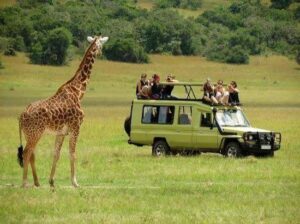
Queen Elizabeth National Park is one of Uganda’s most rewarding wildlife safari destinations, offering a remarkable combination of savannah game drives, boat cruises, primate encounters, birdwatching and spectacular scenery. Located in western Uganda, the park brings together open grasslands, wetlands, crater lakes, forests and the famous Kazinga Channel.
Whether you are planning your first African safari, adding wildlife viewing to a gorilla trekking holiday or exploring Uganda with your family, there are many exciting safari activities in Queen Elizabeth National Park to include in your itinerary.
From watching elephants and buffaloes on the Kasenyi Plains to cruising past hippos on the Kazinga Channel and searching for chimpanzees in Kyambura Gorge, each activity offers a different way to experience the park.
In this guide, Mambo Gorilla Safaris Uganda explores eight of the best activities, explains what to expect and shares practical tips to help you plan an enjoyable safari.
1. Enjoy a Wildlife Game Drive in Queen Elizabeth National Park
A wildlife game drive is one of the best safari activities in Queen Elizabeth National Park. It allows visitors to explore the park’s diverse habitats in a safari vehicle with a knowledgeable guide who helps identify animals and explains their behaviour.
The park is home to animals such as African elephants, buffaloes, Uganda kob, waterbucks, warthogs and several other mammal species. Lions and leopards also live in the park, although sightings depend on wildlife movements, weather and the area visited.
Best places for game drives
Kasenyi Plains
Kasenyi is one of the park’s well-known game-viewing areas. Its open grasslands support large numbers of Uganda kob and other grazing animals. These plains can offer opportunities to see lions and a variety of savannah wildlife.
Katunguru and the northern Kazinga area
Game-drive routes around the northern part of the park provide opportunities to explore different habitats and watch animals moving between grasslands, woodland and water sources.
Ishasha sector
Located in the southern part of Queen Elizabeth National Park, Ishasha is famous for its tree-climbing lions. Visitors may see lions resting in large fig trees, but this behaviour and sightings are never guaranteed.
Morning or afternoon game drive?
Early-morning game drives are popular because some animals are active while temperatures are relatively cool. Afternoon drives offer another opportunity to explore the savannah and observe animals as the day progresses.
The best schedule depends on your accommodation, travel plans and the routes available on the day.
Tip: Bring binoculars, a camera, sun protection and a light jacket for early departures. Choose a suitable safari vehicle and follow your guide’s instructions around wildlife.
2. Take a Boat Cruise on the Kazinga Channel
The Kazinga Channel boat cruise is one of the signature experiences in Queen Elizabeth National Park. The channel connects Lake George and Lake Edward and provides excellent opportunities to observe wildlife from the water.
A scheduled cruise typically lasts around two hours, although arrangements and timings should be confirmed when booking.
What can you see on the Kazinga Channel?
The banks and waters of the channel attract a wide range of wildlife, including:
- Hippopotamuses: Often seen resting in groups in the water.
- Nile crocodiles: Sometimes visible along the shoreline.
- African elephants: May come to drink or move along the banks.
- Buffaloes: Frequently found near water and surrounding grasslands.
- Waterbirds: Look for herons, storks, kingfishers, cormorants and other species.
- Other wildlife: Depending on conditions, you may observe animals visiting the channel.
The boat provides a different perspective from a game drive. Instead of searching for animals across the plains, you can watch them along the water’s edge while your guide explains the ecosystem.
When should you take the boat cruise?
Morning and afternoon departures may be available, depending on the operator and current schedule. Choose a departure that fits your game drive and accommodation arrangements.
The experience is particularly appealing to wildlife photographers and birdwatchers because it offers opportunities to observe animals from a relatively steady viewing platform.
Tip: Bring binoculars, a camera and sun protection. Follow crew instructions and avoid making loud noises that could disturb wildlife.
3. Go Chimpanzee Tracking in Kyambura Gorge
Queen Elizabeth National Park is not only a destination for savannah wildlife. It also offers opportunities to explore forest habitats and search for chimpanzees.
Kyambura Gorge, sometimes called the Valley of Apes, is a forested gorge within the park’s wider landscape. It provides habitat for chimpanzees and other forest wildlife.
Chimpanzee tracking gives visitors the opportunity to learn about our closest living relatives in their natural environment.
What happens during chimpanzee tracking?
The activity generally begins with a briefing from authorized guides. Visitors then walk into the forest with a guide and follow information about the chimpanzees’ movements.
The trek can involve uneven ground, slopes, vegetation and changing trail conditions. The length of the experience varies according to where the chimpanzees are found.
If the group locates them, visitors can observe their behaviour under the applicable wildlife-viewing rules. Chimpanzees may feed, communicate, move through trees or travel along the forest floor.
Is chimpanzee tracking suitable for everyone?
Participants should be prepared for walking on natural trails. Ask about fitness requirements, age restrictions, permit arrangements and current availability before booking.
Chimpanzee sightings are not guaranteed because the animals are wild and move freely through the forest.
Tip: Wear sturdy walking shoes, carry drinking water and follow your guide’s instructions. Keep a respectful distance and follow all health precautions intended to protect both visitors and chimpanzees.
4. Search for Tree-Climbing Lions in the Ishasha Sector
One of the most distinctive attractions of Queen Elizabeth National Park is the possibility of seeing tree-climbing lions in the Ishasha sector.
Unlike the more familiar image of lions resting on the ground, some lions in this area are known to climb and rest in large trees. This makes Ishasha a popular destination for wildlife photographers and travelers seeking unusual animal behaviour.
Why visit Ishasha?
Ishasha has a different atmosphere from the northern game-drive areas. The sector features open grassland and scattered trees, creating opportunities to search for lions and other savannah animals.
During a guided drive, your guide may check known areas where lions have previously been observed. You may also see elephants, buffaloes, antelopes and other wildlife.
However, lions can be difficult to find, and they may be resting on the ground or moving through another part of the sector. No safari operator can guarantee a sighting.
Can you combine Ishasha with gorilla trekking?
Yes. Ishasha is an option for travelers combining Queen Elizabeth National Park with Bwindi Impenetrable National Park. The southern part of Queen Elizabeth is geographically useful for some routes toward the Bwindi area, although driving times depend on the precise route, road conditions and accommodation locations.
This combination can provide a varied safari with savannah wildlife viewing followed by a mountain gorilla trekking experience.
Tip: If tree-climbing lions are a priority, allow enough time for a proper game drive rather than treating Ishasha as only a brief stop on a transfer day.
5. Go Birdwatching in Queen Elizabeth National Park
Queen Elizabeth National Park is a rewarding destination for birdwatchers because its habitats include savannah, wetlands, forest, lakes and the Kazinga Channel.
The range of environments supports many bird species, from large waterbirds to colourful kingfishers and smaller woodland species.
Birds to look out for
Depending on the location, season and conditions, you may encounter:
- African fish eagles
- Pied kingfishers
- Great and intermediate egrets
- Goliath herons
- Yellow-billed storks
- African jacanas
- Cormorants
- Various bee-eaters, rollers and other savannah birds
Birdwatching can be enjoyed during game drives, boat cruises and selected guided walks where available.
The Kazinga Channel is particularly appealing for observing waterbirds, while forested areas and woodland habitats provide opportunities to search for different species.
Is birdwatching suitable for beginners?
Yes. You do not need to be an expert to enjoy birdwatching. A knowledgeable guide can help you identify species, understand their calls and explain how they fit into the park’s ecosystem.
If birdwatching is a major interest, tell your tour operator in advance so that your itinerary can allow more time for suitable habitats and observation.
Tip: Bring binoculars, a bird guide or identification app and a camera with a suitable zoom lens. Be patient and avoid disturbing nesting birds or other wildlife.
6. Explore the Crater Lakes and Scenic Landscapes
Queen Elizabeth National Park is known for more than its wildlife. Its scenery includes volcanic crater lakes, rolling hills, grasslands and viewpoints overlooking the Great Rift Valley landscape.
A guided drive around suitable crater-lake routes can add a scenic element to your safari, especially if you enjoy photography, geology and peaceful landscapes.
What makes the crater lakes special?
The crater lakes and surrounding hills create striking contrasts with the park’s open savannah. Some viewpoints offer wide panoramas of the landscape, while the surrounding countryside provides opportunities to observe local farming and settlement patterns.
Depending on your route and the current access arrangements, your guide may suggest selected viewpoints or scenic stops.
What can you do around the crater lakes?
- Take landscape photographs from appropriate viewpoints.
- Learn about the region’s volcanic features.
- Enjoy a guided drive through the surrounding countryside.
- Combine scenic stops with wildlife viewing.
- Learn about local livelihoods and the relationship between people and the landscape.
Not every lake or viewpoint has the same access conditions or visitor facilities, so confirm the route with your guide.
Tip: Wear comfortable clothing, bring water and follow your guide’s instructions around steep edges or restricted areas. Do not assume every crater lake is suitable for swimming.
7. Discover Local Culture and Community Experiences
A safari in Queen Elizabeth National Park can also provide opportunities to learn about the communities living around the protected area.
Community experiences vary by location and provider. They may include cultural performances, traditional crafts, local food, village visits or opportunities to learn about livelihoods connected to the surrounding landscape.
One example is learning about salt production and local livelihoods around Lake Katwe, where salt extraction has a long history. The activity can provide insight into the relationship between people, natural resources and the wider region.
What should you expect from a cultural visit?
A locally guided visit may introduce you to community history, traditional skills and everyday activities. The specific experience depends on the hosts and the arrangements made before your visit.
Choose activities that are organized respectfully and provide a fair benefit to the local participants.
How can you be a responsible visitor?
- Ask permission before taking photographs of people.
- Listen respectfully when community members share their experiences.
- Follow local guidance at cultural or work sites.
- Purchase crafts directly from local makers where possible.
- Avoid activities that exploit people or wildlife.
Community visits can add depth to a safari by helping you understand the human stories connected to the region’s wildlife and landscapes.
Tip: Ask Mambo Gorilla Safaris Uganda which community experiences can be included in your travel dates and route.
8. Consider Guided Nature Walks and Special Wildlife Experiences
For visitors who want something beyond conventional game drives and boat cruises, Queen Elizabeth National Park may offer additional guided experiences, depending on current availability and authorization.
These can include selected nature walks, forest experiences and specialist wildlife activities.
Guided nature walks
Where authorized and available, guided walks provide opportunities to explore an environment at a slower pace. Visitors can learn about plants, smaller wildlife, tracks and ecological relationships that may be overlooked from a vehicle.
Walks must take place in permitted areas and under the relevant guide or ranger instructions. Never leave designated routes or approach dangerous wildlife on foot.
Specialist wildlife experiences
Some specialist activities may focus on wildlife research or monitoring, such as authorized lion-tracking or mongoose-tracking experiences. These activities are not the same as ordinary game drives and may require advance booking, specific fees and limited availability.
Ask the relevant authorities or your tour operator which activities are currently operating and what conditions apply. Do not assume a research activity is available on every travel date.
Which extra activity should you choose?
Choose according to your interests:
- Wildlife photography: Allow extra time for game drives and animal observation.
- Birdwatching: Arrange time in wetland, forest and savannah habitats.
- Nature and conservation: Ask about authorized guided walks or specialist activities.
- Culture: Add a suitable local community visit.
- Relaxed travel: Avoid overloading your itinerary with too many activities in one day.
The best safari is not necessarily the one with the most activities. It is the one that allows you to enjoy each experience without rushing.
How Many Days Do You Need for Queen Elizabeth National Park?
Two to three days is a useful starting point for many visitors, although the ideal duration depends on your interests and the activities you want to include.
Suggested 3-day Queen Elizabeth safari itinerary
Day 1: Travel to Queen Elizabeth National Park
Travel to the park from your starting point and settle into your accommodation. If you arrive with sufficient time, you may be able to enjoy an afternoon game drive.
Day 2: Game drive and Kazinga Channel boat cruise
Begin the day with a guided game drive, followed by a scheduled boat cruise. The combination offers opportunities to observe savannah wildlife, hippos, crocodiles and waterbirds.
Day 3: Chimpanzee tracking or Ishasha game drive
Choose an activity based on your priorities, route and availability. Chimpanzee tracking is a good option for primate enthusiasts, while Ishasha may appeal to travelers interested in searching for tree-climbing lions. Allow time for the onward journey.
If you want to include several specialist activities or combine Queen Elizabeth National Park with Bwindi gorilla trekking, consider a longer itinerary.
Best Time to Visit Queen Elizabeth National Park
Queen Elizabeth National Park can be visited throughout the year. Weather, vegetation, road conditions and animal movements influence the experience, so no particular month guarantees better wildlife sightings.
Relatively drier periods, commonly around June to August and December to February, are popular with many safari travelers. Wetter periods can make some roads and trails more challenging, but the changing landscape can also be attractive for scenery and birdwatching.
When choosing your travel dates, consider:
- Your preferred activities and permit availability.
- Road conditions and travel time between destinations.
- Accommodation availability and budget.
- Whether your priority is game drives, chimpanzee tracking or birdwatching.
- How much flexibility you want in your schedule.
Before travelling, check current park conditions and activity schedules with the relevant authorities or your safari operator.
What to Pack for a Queen Elizabeth National Park Safari
A few practical items can help you enjoy the park comfortably:
- Lightweight, neutral-coloured clothing.
- A hat, sunscreen and sunglasses.
- Comfortable walking shoes.
- A light rain jacket.
- Binoculars for wildlife and birdwatching.
- A camera and spare batteries.
- Drinking water.
- Insect repellent.
- Personal medication and essential travel documents.
- A small daypack for daily activities.
For chimpanzee tracking or nature walks, wear sturdy footwear and clothing suitable for potentially muddy conditions. Follow your guide’s advice about what you can carry during each activity.
How Much Does a Queen Elizabeth National Park Safari Cost?
The total cost depends on several factors, including the length of your stay, accommodation category, transport, park entrance fees and the activities you choose.
Your budget may need to cover:
- Park entrance fees.
- Game-drive or vehicle-related charges where applicable.
- Kazinga Channel boat cruise.
- Chimpanzee tracking permits, if included.
- Accommodation and meals.
- Transport and driver-guide services.
- Optional specialist activities.
- Personal expenses and gratuities.
Fees can change, and different rates may apply depending on visitor category and activity. Check the latest information on the official Uganda Wildlife Authority website before booking.
Ask your tour operator for a written quotation that clearly states what is included and what must be paid separately.
Combine Queen Elizabeth National Park with Gorilla Trekking in Uganda
One of the advantages of visiting western Uganda is the opportunity to combine savannah wildlife with mountain gorilla trekking.
A multi-park itinerary can give you a more varied experience of Uganda’s landscapes and wildlife. Queen Elizabeth National Park offers game drives and boat cruises, while Bwindi Impenetrable National Park is known for mountain gorilla trekking.
Depending on your route, available permits and time, you may also be able to include other destinations or activities.
Explore these Mambo Gorilla Safaris Uganda options:
- 3-Day Queen Elizabeth National Park Safari — a safari focused on the park’s wildlife and key activities.
- 3-Day Gorilla Trekking in Bwindi — for travelers seeking a mountain gorilla encounter.
- 10 Days of Wildlife and Primate Trekking in Uganda — a longer journey combining wildlife and primate experiences.
- 4 Days Bwindi Gorillas and Lake Mburo — an option for travelers interested in combining gorillas and savannah wildlife.
Contact Mambo Gorilla Safaris Uganda to discuss your dates, group size, accommodation preferences and budget. Your final itinerary should account for driving time, permit availability and the activities that matter most to you.
Frequently Asked Questions About Safari Activities in Queen Elizabeth National Park
1. What are the best safari activities in Queen Elizabeth National Park?
The most popular experiences include wildlife game drives, a Kazinga Channel boat cruise, chimpanzee tracking in Kyambura Gorge, searching for tree-climbing lions in Ishasha, birdwatching, scenic crater-lake visits and selected cultural experiences.
2. Can I see the Big Five in Queen Elizabeth National Park?
The park is known for elephants, buffaloes, lions and leopards. It does not have a resident wild rhino population, so visitors should not expect to see all five traditional Big Five animals within the park.
3. How long does the Kazinga Channel boat cruise take?
A scheduled cruise commonly lasts around two hours. Confirm the departure time, duration and booking arrangements with the operator before your visit.
4. Can I track chimpanzees in Queen Elizabeth National Park?
Yes. Chimpanzee tracking is offered in Kyambura Gorge, subject to current permit availability and park arrangements. Participants should be prepared for walking on uneven forest trails.
5. Where can I see tree-climbing lions in Queen Elizabeth National Park?
The Ishasha sector in the southern part of the park is particularly known for tree-climbing lions. However, sightings are not guaranteed because the animals move freely.
6. Is Queen Elizabeth National Park good for birdwatching?
Yes. The park’s savannah, wetlands, forests, lakes and channel support a wide variety of birds. A knowledgeable guide can help you identify species and select suitable areas for birdwatching.
7. What is the best time for a game drive?
Early morning and late afternoon are popular times for game drives. The best schedule depends on weather, wildlife movements, the route and your accommodation.
8. Can I visit Queen Elizabeth National Park with children?
Families can enjoy selected safari activities, but suitability depends on the child’s age, the activity’s rules and the length of travel. Confirm current requirements for chimpanzee tracking and other specialist activities before booking.
9. Can I combine Queen Elizabeth National Park with Bwindi gorilla trekking?
Yes. Many travelers combine the park with Bwindi Impenetrable National Park. Plan the route and overnight stops carefully, and secure gorilla permits for the intended trekking date.
10. How can I book a Queen Elizabeth National Park safari?
You can contact Mambo Gorilla Safaris Uganda to discuss an itinerary, transport, accommodation and activities. Confirm current fees, availability and inclusions before making a booking.
Conclusion: Discover the Best of Queen Elizabeth National Park with Mambo Gorilla Safaris Uganda
Queen Elizabeth National Park offers a rewarding variety of safari experiences, from classic game drives across the Kasenyi Plains to boat cruises on the Kazinga Channel and chimpanzee tracking in Kyambura Gorge.
Searching for tree-climbing lions in Ishasha, watching birds in the wetlands, exploring scenic crater lakes and learning about local communities can make your visit even more memorable.
To make the most of your trip, select activities that match your interests, allow enough time for travel and check current park rules and activity availability before departure.
Ready to explore Queen Elizabeth National Park? Contact Mambo Gorilla Safaris Uganda to plan your wildlife safari and experience the remarkable landscapes and wildlife of western Uganda.


