Email: info@mambogorillasafarisuganda.com | Call: +256772666331

UK and US Travel Advisories for Uganda: Facts, Safety and Stereotypes

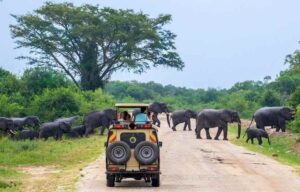
Uganda is known for its mountain gorillas, chimpanzees, diverse wildlife, scenic landscapes and welcoming communities. Every year, travellers consider visiting the country for gorilla trekking, wildlife safaris, birdwatching, cultural experiences and adventure holidays.
However, international travel advisories can influence how potential visitors view Uganda. Headlines about security threats, crime, political unrest or public health concerns may cause some people to question whether they should visit.
This raises an important question: Do UK and US travel advisories give travellers a complete picture of Uganda, or can they contribute to stereotypes about the country?
The answer requires a balanced approach. Official travel advisories provide important information that visitors should take seriously. At the same time, travellers should read the details, understand the specific risks and avoid assuming that a whole country or its population can be defined by a single warning.
For anyone planning a Uganda safari, understanding the difference between documented risks, generalisations and practical travel precautions is an essential part of responsible planning.
What Are UK and US Travel Advisories?
Travel advisories are official government publications that help citizens assess risks when travelling abroad. They may cover crime, terrorism, political unrest, health concerns, natural disasters, local laws, border conditions and access to consular assistance.
The United Kingdom publishes country-specific guidance through the Foreign, Commonwealth & Development Office (FCDO). The United States Department of State publishes its own travel advisories and supporting information.
These governments use their own assessment methods and may classify risks differently. Their advice can also change when circumstances develop or new information becomes available.
A travel advisory is therefore not simply a judgement about whether a destination is good or bad. It is a risk-management resource intended to help travellers make informed decisions.
Read the official guidance before making plans:
- UK government: Foreign travel advice for Uganda
- US government: Travel advisory for Uganda
What Do the UK and US Advisories Say About Uganda?
Travel advice is time-sensitive, so visitors should consult the original government pages rather than rely on an old blog post or social media discussion.
At the time this article was reviewed on 11 October 2026, the UK government’s Uganda travel advice had been updated on 8 October 2026. It highlights security considerations, including terrorism, crime and the possibility of unrest. It advises travellers to assess risks, follow local guidance and obtain appropriate travel insurance.
The US State Department’s current Uganda advisory page displays Level 4, “Do Not Travel,” citing crime, health, terrorism and unrest. Travellers should read the full advisory, including its explanation and any government employee restrictions, and check for subsequent updates before making a decision.
These are significant official warnings and should not be dismissed as stereotypes. Travellers should also recognise that advisories are issued for risk-management purposes and are not comprehensive descriptions of every place, community or daily activity in a country.
Neither the existence of wildlife tourism nor the fact that businesses continue to operate is, by itself, proof that a destination is safe for every visitor. Individual circumstances, location, timing and the nature of a trip all matter.
Can Travel Advisories Create Stereotypes About Uganda?
Travel advisories can influence perceptions when their headlines are repeated without the full context. A warning about a specific threat may be interpreted by some readers as evidence that every part of Uganda is dangerous at all times.
That conclusion is too broad.
Uganda has cities, rural communities, national parks, border regions and tourist destinations with different conditions and risk profiles. A traveller considering Kampala, Bwindi Impenetrable National Park or another destination should examine the advice that applies to their intended route and activities.
However, it would also be misleading to suggest that risks mentioned by foreign governments are imaginary or merely based on prejudice. Security incidents, crime, health risks and civil unrest deserve careful consideration wherever they occur.
The best response is to examine the evidence, read the full guidance and avoid both extremes: portraying Uganda as uniformly unsafe or claiming that visitors have nothing to worry about.
Why Uganda Remains Known for Its Natural Attractions
Uganda offers a range of natural and cultural experiences that attract visitors from around the world. Its tourism appeal includes mountain gorillas, chimpanzees, savannah wildlife, forests, lakes, rivers, mountains and cultural heritage.
Popular safari experiences include:
Mountain gorilla trekking in Bwindi
Bwindi Impenetrable National Park is internationally recognised for its mountain gorillas and guided trekking experiences. Visitors should obtain the required permits, follow park rules and respect the instructions of authorised guides and rangers.
Gorilla trekking in Mgahinga
Mgahinga Gorilla National Park offers another opportunity to see mountain gorillas in their natural habitat, subject to permit availability and applicable regulations.
Chimpanzee tracking in Uganda
Kibale Forest National Park and other established chimpanzee-tracking destinations provide opportunities to learn about primates and forest ecosystems. Visitors should check which experiences are available and book through authorised channels.
Wildlife safaris in Queen Elizabeth and Murchison Falls national parks
These parks are known for wildlife viewing and scenic landscapes. Activities may include game drives, birdwatching and boat excursions, depending on the destination and current operating conditions.
These attractions explain Uganda’s appeal as a tourism destination. Nevertheless, travellers should not use a destination’s popularity as a substitute for checking current security guidance before travelling.
How Should Travellers Interpret a Negative Travel Advisory?
A travel advisory is most useful when it informs a practical decision. Instead of relying only on a headline, visitors should ask several questions.
1. What risks are identified?
Read the full advisory to understand whether it discusses violent crime, terrorism, protests, public health, particular border areas or other concerns.
Different risks call for different precautions. For example, advice about avoiding demonstrations is not the same as advice about travelling near a border.
2. Where do the warnings apply?
Check whether the government provides regional guidance or identifies locations where additional caution is recommended.
Do not assume that advice for one area applies identically to every destination. Equally, do not assume that a tourist destination is exempt from broader national risks unless official guidance supports that conclusion.
3. When was the advice last updated?
Security and health conditions can change. Check the publication date, review any recent updates and revisit the advice shortly before departure.
Older articles, travel forums and social media posts may not reflect the current situation.
4. Does the advice affect your planned activities?
A gorilla trek, a city stay, a long road journey and a visit to a remote border region involve different arrangements. Review the risks relevant to your itinerary and ask your tour operator how transport, accommodation, communication and emergency procedures are organised.
A tour operator can provide practical trip information, but it cannot override a government warning or guarantee personal safety.
5. What does your travel insurance cover?
Check whether your policy covers the destinations and activities on your itinerary. Some policies have exclusions related to travel against official government advice. Confirm the details directly with your insurer before booking or departing.
Practical Safety Tips for Visitors Planning a Uganda Safari
Travellers who are considering Uganda should build risk assessment into their preparations.
- Check official advice: Review the current UK FCDO or US State Department guidance, depending on your nationality and circumstances.
- Monitor updates: Recheck advisories, airline notices and relevant health guidance before departure.
- Choose an established tour operator: Confirm the company’s identity, written itinerary, payment terms and emergency contact arrangements.
- Plan transport carefully: Discuss road journeys, arrival transfers, travel times and any regional concerns before confirming your route.
- Protect valuables: Use sensible precautions with cash, passports, phones and other personal belongings.
- Avoid demonstrations and large political gatherings: Follow local authorities’ instructions and move away from areas where unrest develops.
- Follow park guidance: Listen to rangers and guides, keep the required distance from wildlife and observe all conservation rules.
- Arrange suitable insurance: Check medical cover, evacuation provisions where available, activity exclusions and any advisory-related restrictions.
- Understand local laws and customs: Review entry requirements, permitted activities and relevant local regulations.
- Keep emergency contacts accessible: Know how to contact your accommodation, tour operator, insurer and relevant embassy or consulate.
These steps help travellers make informed choices, but they do not eliminate risk. The decision to travel should take account of the latest official guidance and personal circumstances.
What Role Do Ugandan Tour Operators Play?
Tour operators can help visitors understand the practical details of a trip. They can explain planned routes, accommodation arrangements, permit procedures, driving schedules and the services included in a safari package.
Responsible operators should provide clear information rather than make sweeping promises about safety. They should communicate honestly about itinerary changes, follow applicable regulations and help clients understand where to find official travel advice.
For visitors interested in gorilla trekking, a useful planning conversation should cover permit availability, transport between destinations, accommodation, cancellation terms, travel insurance and contingency arrangements.
Tour operators should also respect a traveller’s decision if official advice or personal circumstances lead them to postpone or cancel a trip. Transparent communication builds trust more effectively than dismissing legitimate concerns.
How Can Travellers Learn About Uganda Beyond Headlines?
Reading a range of reliable sources can help travellers understand a destination more fully. Official travel advice should remain central to risk assessment, while tourism information can help visitors learn about attractions, conservation rules, accommodation and transport.
Useful steps include:
- Read the full travel advisory rather than relying on a headline.
- Check official tourism and national park information for current visitor requirements.
- Ask accommodation providers and tour operators specific questions about the planned itinerary.
- Consult your airline and insurer about travel disruptions and coverage.
- Compare information from reputable sources and check when it was published.
Personal stories and visitor reviews may provide useful perspectives, but one traveller’s experience cannot establish that an entire country is either safe or unsafe.
A fair understanding of Uganda should acknowledge its attractions and cultural richness while taking documented risks seriously.
Is Uganda Worth Considering for a Gorilla Trekking Safari?
Uganda offers distinctive wildlife experiences, including mountain gorilla trekking and chimpanzee tracking. For many visitors, these experiences are an important reason to consider a safari in East Africa.
Whether a trip is appropriate at a particular time depends on the current security situation, official travel advice, the traveller’s circumstances, insurance conditions and the details of the itinerary.
Before committing to a booking, check the latest government guidance and ask your tour operator to explain the proposed route and arrangements. Confirm permit availability, costs, accommodation, transport and cancellation terms in writing.
If official advice recommends against travel, take that recommendation seriously and contact your insurer and relevant travel providers before making further commitments.
Plan Your Uganda Safari With Mambo Gorilla Safaris Uganda
Mambo Gorilla Safaris Uganda helps travellers explore safari options involving Uganda’s mountain gorillas, primates, wildlife and natural attractions.
If you are researching a future safari, you can explore these itinerary pages as starting points:
- Three-day gorilla trekking in Bwindi
- Uganda wildlife and primate trekking safari
- Queen Elizabeth National Park safari
Use these pages to explore possible experiences, then confirm current availability, package inclusions, prices and travel arrangements directly with the operator. Review official travel advisories before deciding whether and when to travel.
Frequently Asked Questions
Are UK travel advisories for Uganda the same as US travel advisories?
No. The UK and US publish their own assessments and use different advisory systems. Their advice may differ in classification, wording, timing or emphasis. Read the current official guidance from the government relevant to you.
Do travel advisories mean that every part of Uganda is unsafe?
A national advisory is an important warning, but it should not be interpreted as a detailed assessment of every community or location. Read the full guidance, including any regional information. Do not assume that risks are absent in places not specifically mentioned.
Should travellers ignore negative travel advisories when planning a safari?
No. Travellers should take official warnings seriously and assess how they affect their plans, insurance and personal circumstances. Tourism attractions and positive visitor experiences are not reasons to disregard current safety advice.
How can I check the latest Uganda travel advice?
Use the UK government’s Uganda travel advice page or the US government’s Uganda travel advisory page. Recheck before departure because advice can change.
Can I book a gorilla trekking safari before checking travel advice?
You can research itineraries in advance, but check current official guidance before making financial commitments. Review cancellation terms, permit conditions and insurance exclusions, and confirm current arrangements with your operator.
What should I ask a Uganda safari operator before booking?
Ask about the route, transport, accommodation, permit availability, total cost, inclusions, cancellation policy, emergency contacts and how itinerary changes are handled. Also ask where to find the official travel advice relevant to your planned journey.
Conclusion: Facts, Context and Responsible Travel Decisions
UK and US travel advisories are important resources for anyone considering Uganda. They highlight risks that travellers need to understand, but they should be read in full rather than reduced to headlines or broad assumptions about an entire country.
Uganda’s mountain gorillas, wildlife, landscapes and cultural attractions remain important parts of its tourism identity. A responsible approach recognises these attractions without allowing them to overshadow legitimate safety concerns.
The best way to plan a Uganda safari is to combine reliable information, current official guidance, realistic expectations and careful preparation. Mambo Gorilla Safaris Uganda encourages prospective visitors to research their options, ask clear questions and make travel decisions based on the latest information available.


