Email: info@mambogorillasafarisuganda.com | Call: +256772666331

What You Need to Know When Visiting Kibale National Park for the First Time

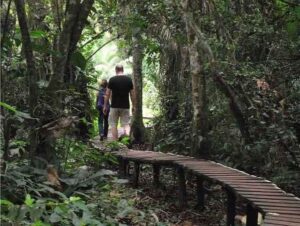
Are you planning your first visit to Kibale National Park in Uganda? Known for its remarkable chimpanzee trekking experiences, tropical rainforest, colourful birdlife and rich primate diversity, Kibale is one of the most rewarding destinations to include in a Uganda safari.
Located in western Uganda near Fort Portal, Kibale National Park gives visitors an opportunity to explore a natural forest habitat and observe wild chimpanzees with trained guides. You can also discover other primates, enjoy birdwatching, visit nearby community projects and explore the scenic crater lakes around Fort Portal.
However, a successful first visit requires preparation. You need to understand chimpanzee permit bookings, trekking conditions, transport, accommodation, weather and the rules that protect both visitors and wildlife.
In this guide, Mambo Gorilla Safaris Uganda explains what you need to know before visiting Kibale National Park for the first time, helping you plan a memorable and well-organised experience.
Where Is Kibale National Park Located?
Kibale National Park is in western Uganda, near Fort Portal city in the Tooro region. It protects a rich tropical forest ecosystem and is widely recognised for its chimpanzees and other primates.
The park is often included in western Uganda safari itineraries alongside Queen Elizabeth National Park, Bwindi Impenetrable National Park and other attractions.
Travelling from Kampala by road generally takes around six to eight hours, depending on traffic, road conditions, stops and your final accommodation. Allow enough time for the journey instead of planning a demanding activity immediately after arrival.
Kibale’s main chimpanzee trekking centre is at Kanyanchu. When arranging your accommodation, confirm the distance to your briefing point and the reporting time for your permit.
Why Visit Kibale National Park?
Kibale offers more than a chance to see chimpanzees. It is a destination for visitors interested in primates, forest ecology, birds, photography and community tourism.
1. Chimpanzee trekking
Chimpanzee trekking is Kibale’s signature activity. With an experienced ranger and guide, visitors enter the forest to search for a habituated chimpanzee community.
During the trek, you may hear chimpanzees calling through the trees before seeing them feeding, grooming, playing or moving between branches. Their behaviour is dynamic, so every encounter can be different.
Chimpanzees are wild animals, and sightings are not guaranteed. The trek’s duration depends on where the animals are located and how they move through the forest.
2. Other primates
Kibale supports a variety of primates in addition to chimpanzees. Depending on the area and conditions, visitors may encounter red-tailed monkeys, black-and-white colobus monkeys, red colobus monkeys, olive baboons and other forest species.
Keep your eyes on the canopy as well as the forest floor. A knowledgeable guide can help identify animals that are easy to miss among the vegetation.
3. Birdwatching
Kibale and its surrounding wetlands provide excellent opportunities for birdwatching. Forest trails and nearby Bigodi Wetland Sanctuary offer different habitats to explore.
Birdwatchers should consider hiring an experienced local guide who can help identify species by their calls, markings and behaviour.
4. Bigodi Wetland Sanctuary
Bigodi Wetland Sanctuary is a popular community-based nature experience near Kibale. Guided walks can offer opportunities to see wetland birds, primates and other wildlife while learning about the area’s ecology and local conservation initiatives.
This is a valuable addition for visitors who want to explore beyond the main chimpanzee trek.
5. Fort Portal and the crater lakes
The Fort Portal area is known for green hills, scenic crater lakes and cultural experiences. If your schedule allows, spend extra time exploring the area rather than travelling to Kibale only for a few hours.
For more destination information, consult Tourism Uganda’s Kibale National Park guide.
What Is Chimpanzee Trekking Like for First-Time Visitors?
If you have never tracked chimpanzees before, expect an outdoor adventure rather than a predictable wildlife viewing session.
Your experience usually begins with a briefing from park staff. Guides explain the safety rules, what to expect in the forest and how visitors should behave around chimpanzees.
You then follow your guide along forest trails while trackers help locate the chimpanzees. The walk may involve muddy ground, roots, slopes and dense vegetation. Conditions change with rainfall and the movements of the animals.
Once the chimpanzees are located, visitors follow the ranger’s instructions and observe them from the required distance. The permitted viewing period and current rules should be confirmed with the Uganda Wildlife Authority when booking.
Remember these practical points:
- Wear shoes with good grip.
- Expect to walk for several hours, depending on the trek.
- Keep your belongings secure.
- Follow your ranger’s instructions at all times.
- Avoid shouting, chasing chimpanzees or making sudden movements.
- Never touch or feed wild animals.
- Do not enter the forest if you are unwell with a potentially infectious illness.
Chimpanzees are powerful wild animals, and responsible viewing protects both people and wildlife.
Do You Need a Chimpanzee Trekking Permit?
Yes. Visitors must arrange the appropriate permit or authorised booking for chimpanzee trekking and follow the current park procedures.
Kibale permits are limited, so it is sensible to arrange your trek before travelling, especially if your dates are fixed or you are visiting during a busy season.
Before paying, confirm:
- Your trekking date and session.
- The correct permit category for your nationality or residency.
- The total price and what it includes.
- The meeting point and reporting time.
- The cancellation or rescheduling conditions.
- Whether transport from your lodge is included.
Permit tariffs and booking conditions can change. Check the current information directly with the Uganda Wildlife Authority or through a reputable safari operator rather than relying on an old price list.
Chimpanzee tracking versus the habituation experience
Standard chimpanzee tracking is designed for visitors who want to find and observe a habituated chimpanzee community during a guided trek.
The chimpanzee habituation experience is a different activity that allows visitors to spend a longer period accompanying a chimpanzee community undergoing habituation, subject to the programme’s rules and availability.
The activities have different durations, prices and booking arrangements. Confirm which experience you are reserving before paying.
What Is the Best Time to Visit Kibale National Park?
Kibale can be visited throughout the year, but the weather affects trail conditions, comfort and the wider safari experience.
June to August
These months are often popular with travellers because forest trails may be firmer and road journeys can be more comfortable. Demand for accommodation and permits may also be higher, so book early when travelling on fixed dates.
December to February
This is another commonly preferred period for visitors seeking relatively drier conditions. It can work well for combining chimpanzee trekking with other western Uganda destinations.
March to May and September to November
These periods generally bring more rain, although actual conditions vary. Trails can become slippery and muddy, so waterproof clothing and sturdy footwear are particularly useful.
Rainy months can still be rewarding for visitors who enjoy lush landscapes and are prepared for changing conditions. Chimpanzee tracking takes place throughout the year, but the weather cannot guarantee where the animals will be found or how long the trek will last.
The best time for you depends on your travel dates, wildlife interests, budget and willingness to walk in wet conditions. Check current advice before departure.
What Should You Pack for Kibale National Park?
Packing the right items can make a major difference during your first chimpanzee trek.
Essential packing list
- Sturdy walking shoes or hiking boots: Choose footwear with good grip for muddy trails.
- Long trousers and long-sleeved clothing: These help protect your skin from vegetation and insects.
- Lightweight rain jacket: Rain can occur even outside the main rainy periods.
- Small backpack: Carry your water, camera and personal essentials.
- Drinking water and snacks: Follow the park’s instructions about when and where food and drinks are permitted.
- Insect repellent: Choose a product appropriate for your needs and follow its instructions.
- Hat and sunscreen: Useful during exposed sections of the journey.
- Camera or binoculars: Helpful for wildlife observation; follow all photography rules.
- Personal medication: Bring any medication you normally need.
- Small amount of cash: Useful for suitable personal expenses and community activities.
Avoid carrying unnecessary heavy items. If you want help with luggage during the walk, ask about porter availability and fees before your trek.
How Difficult Is Chimpanzee Trekking in Kibale?
The difficulty varies. Some treks may involve relatively manageable walking, while others require more time and effort because chimpanzees move through dense forest or across uneven ground.
The terrain can be muddy, slippery and tangled with roots. Even visitors who exercise regularly should prepare for changing conditions.
To prepare:
- Walk regularly before your trip, gradually increasing the duration.
- Wear your trekking shoes in advance so they are comfortable.
- Bring rain protection and clothing suitable for humid conditions.
- Inform your operator about mobility concerns before booking.
- Follow the ranger’s pace and instructions.
- Avoid assuming that the trek will be short because the chimpanzees were found quickly on someone else’s visit.
If you have a health condition or concerns about strenuous walking, seek appropriate medical advice and discuss your needs with the operator before committing to a trek.
Where Should You Stay When Visiting Kibale?
Accommodation choices range from simple guesthouses and community-based stays to comfortable lodges and luxury properties.
The best option depends on your budget, comfort preferences and the location of your planned activities.
Budget accommodation
Budget guesthouses and camps can be suitable for travellers who want to spend more of their budget on wildlife experiences. Confirm bathroom facilities, meals, electricity, transport and the distance to the trekking centre.
Mid-range lodges
Mid-range accommodation may provide private rooms, meals and a comfortable base for exploring Kibale and the Fort Portal region. Ask whether transfers to Kanyanchu are included.
Luxury lodges
Higher-end lodges may offer additional services, spacious rooms, scenic settings and personalised arrangements. They can be attractive for honeymooners, photographers or travellers seeking extra comfort.
Why location matters
A lower room rate is not always the cheapest overall option. Accommodation far from the trekking centre may require early departures or additional transport charges.
Before booking, check your reporting time, the route to the park entrance and whether the lodge can arrange transport for your activities.
How to Get to Kibale National Park
Travelling by road
Most visitors travel by road from Kampala or Entebbe through western Uganda towards Fort Portal and the Kibale area.
A road safari offers opportunities to enjoy Uganda’s countryside and stop along the way. However, travel time depends on traffic, road conditions and stops, so avoid scheduling your chimpanzee trek too soon after a long journey.
Combining Kibale with other parks
Kibale is often combined with Queen Elizabeth National Park, especially for visitors who want both primate trekking and savannah wildlife viewing.
A longer itinerary can also include Bwindi Impenetrable National Park for mountain gorilla trekking, subject to permit availability and travel time.
Choose a route that leaves enough time for transfers and avoids unnecessary backtracking.
Other Activities to Enjoy Around Kibale
Take a guided walk in Bigodi Wetland Sanctuary
Explore wetland habitats with a local guide and learn about birds, primates and community conservation initiatives.
Go birdwatching
Kibale’s forest and surrounding wetlands offer varied birdwatching opportunities. Allow extra time if birding is a major interest.
Explore the crater lakes
The Fort Portal region’s crater lakes and green landscapes make a scenic addition to a western Uganda trip. Confirm access, road conditions and any activity charges in advance.
Learn about local culture
Community visits can introduce visitors to local livelihoods, traditions, crafts and daily life. Choose responsible experiences that respect the privacy and preferences of residents.
These activities help make your visit more varied and provide additional reasons to stay in the area for more than one night.
Sample Two-Day Kibale National Park Itinerary
If you are visiting for the first time, two days can provide a useful introduction to the park and surrounding area.
Day 1: Travel to Kibale and explore the surroundings
Travel from Kampala or Entebbe towards Fort Portal and Kibale. Depending on your departure time and arrival, check into your accommodation and enjoy a relaxed afternoon.
You could explore the nearby countryside or arrange a visit to Bigodi Wetland Sanctuary if time and local arrangements allow.
Stay overnight at accommodation convenient for your chimpanzee trekking departure.
Day 2: Chimpanzee trekking and departure
Have an early breakfast and travel to the designated meeting point for your permit briefing. Join the guided chimpanzee trek and follow the ranger’s instructions throughout the experience.
After the trek, have lunch and begin your onward journey, or stay another night if you prefer a more relaxed schedule.
Planning tip: Two days is a useful starting point, but an additional night can make the trip more comfortable, especially if you are travelling from Kampala or combining Kibale with other parks.
Can You Combine Kibale with Gorilla Trekking in Uganda?
Yes. Kibale and Bwindi offer different but complementary primate experiences.
Kibale is famous for chimpanzees, while Bwindi Impenetrable National Park is one of the main destinations for mountain gorilla trekking. A combined itinerary can provide an opportunity to observe two of Africa’s remarkable great apes during one holiday.
However, the parks are in different parts of western and southwestern Uganda. You must allow sufficient time for road transfers and arrange separate permits for the relevant activities.
Explore these Mambo Gorilla Safaris Uganda itineraries:
- 3 Days Gorilla Trekking in Bwindi
- 10 Days of Wildlife and Primate Trekking in Uganda
- 4 Days Bwindi Gorillas and Lake Mburo
- 3-Day Queen Elizabeth National Park Tour
Responsible Tourism in Kibale National Park
Kibale’s forest is important for wildlife and local communities. Responsible tourism helps protect the environment and supports conservation and community-based initiatives.
Visitors can contribute by following park rules, respecting wildlife, avoiding litter, using authorised guides and choosing responsible community experiences.
Never attempt to approach, feed or touch chimpanzees. If you feel unwell with symptoms of an infectious illness, contact the park or your operator before the trek; visitors who are ill may be restricted from joining primate activities to reduce disease transmission.
By following the guidance of park staff, you help make the experience safer for yourself and better for the animals you have come to see.
Frequently Asked Questions About Visiting Kibale National Park
1. What is Kibale National Park famous for?
Kibale National Park is best known for chimpanzee trekking and its rich diversity of primates. Visitors also enjoy birdwatching, forest walks and nearby community-based experiences such as Bigodi Wetland Sanctuary.
2. Do I need a permit to see chimpanzees in Kibale?
Yes. Visitors must arrange the appropriate permit or authorised booking for chimpanzee tracking or habituation. Confirm the current prices, availability and conditions with the Uganda Wildlife Authority or an authorised operator.
3. How many days should I spend in Kibale National Park?
Two days can work for chimpanzee trekking and one additional activity. Two or three nights allow more time for travel, birdwatching, Bigodi Wetland Sanctuary and the Fort Portal area.
4. What is the best month to visit Kibale?
Kibale is open throughout the year. June to August and December to February are commonly preferred for relatively drier conditions, while wetter periods bring greener scenery and muddier trails. Conditions vary, so pack rain protection regardless of your travel month.
5. Is chimpanzee trekking difficult?
It can be moderately demanding, depending on the location of the chimpanzees, the terrain and weather. Expect uneven forest trails and possible mud. Comfortable footwear, reasonable preparation and following the ranger’s instructions are essential.
6. Can children go chimpanzee trekking in Kibale?
Age restrictions apply to chimpanzee trekking, and the current minimum age must be confirmed with the Uganda Wildlife Authority before booking. Do not rely on old websites or assume that rules for gorilla trekking and chimpanzee trekking are identical.
7. Can I visit Bigodi Wetland Sanctuary without chimpanzee trekking?
Yes, Bigodi is a separate community-based nature experience near Kibale. You can arrange a guided wetland walk without undertaking the main chimpanzee trek, subject to local availability and charges.
8. Can I combine Kibale and Queen Elizabeth National Park?
Yes. Many western Uganda itineraries combine chimpanzee trekking in Kibale with game drives and a boat cruise in Queen Elizabeth National Park. Allow enough time for road transfers and confirm activity bookings in advance.
9. What should I wear for chimpanzee trekking?
Wear comfortable long trousers, a long-sleeved top and sturdy shoes or boots with good grip. Bring a rain jacket and consider insect repellent. Follow your guide’s advice about the conditions on the day.
10. How do I arrange a Kibale safari?
Decide on your dates, number of travellers, preferred accommodation and activities. Then confirm permit availability, transport, park fees and accommodation before paying. A reputable operator can help coordinate these arrangements.
Plan Your First Kibale National Park Visit with Mambo Gorilla Safaris Uganda
Visiting Kibale National Park for the first time is an opportunity to experience Uganda’s tropical rainforest, observe wild chimpanzees and discover the wildlife and communities of western Uganda.
The key to a successful trip is preparation: book the correct permit, choose suitable accommodation, pack for wet forest conditions and leave enough time for travel. If your schedule allows, add Bigodi Wetland Sanctuary or combine Kibale with Queen Elizabeth National Park or Bwindi for a wider Uganda safari.
Ready to plan your Kibale chimpanzee trekking experience? Contact Mambo Gorilla Safaris Uganda to discuss your travel dates, accommodation preferences and the activities you would like to include. We can help you explore an itinerary that fits your interests and time in Uganda.


