Email: info@mambogorillasafarisuganda.com | Call: +256772666331

Why Consider Visiting the Maasai While on Your Kenya Safari?

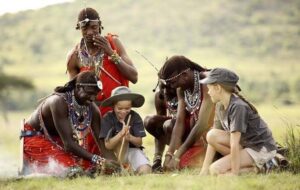
Planning a Kenya safari? Consider adding a Maasai cultural experience to your wildlife adventure. Visiting the Maasai gives travelers an opportunity to learn about one of East Africa’s best-known communities, experience traditional culture, discover community life, and understand the important relationship between people, wildlife, and conservation.
A Kenya safari is famous for incredible wildlife, including lions, elephants, leopards, cheetahs, buffaloes, giraffes, and the spectacular Great Migration. But the experience can become even more meaningful when you take time to meet local communities and learn about the people who have lived alongside wildlife for generations.
A visit to a Maasai community can therefore complement your time in destinations such as the Maasai Mara and Amboseli, creating a safari that combines wildlife, culture, conservation, and authentic human experiences.
At Mambo Gorilla Safaris, we help travelers plan memorable East African safari experiences and can assist with customized itineraries based on your interests, travel dates, budget, and preferred destinations.
Quick Answer: Why Visit the Maasai on a Kenya Safari?
You should consider visiting the Maasai during your Kenya safari because it adds a cultural dimension to your wildlife adventure. A well-organized community visit can allow you to:
- Learn about Maasai traditions and daily life
- Visit a traditional Maasai settlement or manyatta
- Meet local community members
- Learn about cattle and their importance to Maasai society
- Experience traditional songs and dances
- See traditional beadwork and crafts
- Understand the Maasai relationship with wildlife
- Learn about community-based conservation
- Support local livelihoods through responsible tourism
- Gain a deeper understanding of Kenya beyond its national parks
For travelers who want more than game drives, a Maasai cultural experience can become one of the highlights of a Kenya safari.
Why Add a Maasai Cultural Experience to Your Kenya Safari?
Kenya is not only a wildlife destination. It is also a country of diverse cultures, traditions, landscapes, and communities.
A safari allows you to observe wildlife in its natural environment, while a community visit gives you an opportunity to understand the people and traditions connected to the landscape.
Combining the two creates a more complete East African travel experience.
Instead of spending your entire safari moving between game drives and lodges, you can dedicate part of your itinerary to meeting local people, learning about their traditions, and understanding how tourism contributes to communities.
This is particularly meaningful around areas associated with the Maasai, including the wider Maasai Mara and Amboseli regions.
1. Learn About Authentic Maasai Culture
One of the main reasons travelers visit Maasai communities is to learn about their culture.
The Maasai have maintained many distinctive cultural traditions while adapting to changes brought by education, tourism, modern economic activities, and conservation.
During a responsible cultural visit, you may learn about:
- Maasai family structures
- Traditional clothing
- Cattle keeping
- Traditional ceremonies
- Food and daily life
- Community leadership
- Traditional homes
- Cultural beliefs
- Songs and dances
- Beadwork and handicrafts
A local guide or community representative can provide context and explain the meaning behind different traditions.
This makes the experience much more valuable than simply taking photographs.
2. Visit a Maasai Manyatta
A Maasai manyatta is a traditional settlement associated with Maasai communities.
Depending on the community and experience you choose, a visit may allow you to see traditional homes, learn how families organize daily life, and understand how people interact with their surrounding environment.
Travelers may also have an opportunity to meet community members and ask questions about their lifestyle.
Because communities differ, the exact experience can vary. This is why it is important to choose a cultural visit that is organized respectfully and with genuine community participation.
3. Understand the Importance of Cattle in Maasai Culture
Cattle have traditionally played a major role in Maasai society.
They can represent wealth, social status, food security, and cultural identity. Learning about cattle therefore provides visitors with a useful introduction to the economic and cultural traditions of Maasai communities.
A cultural guide can explain how livestock fits into everyday life and how traditional pastoral practices have changed over time.
This is an aspect of Maasai culture that you are unlikely to understand fully from a standard wildlife game drive.
4. Experience Maasai Songs and Traditional Dance
Music and dance can be an important part of a Maasai cultural experience.
Visitors may have an opportunity to watch or participate in traditional performances involving singing, rhythmic movement, and cultural storytelling.
These performances can be enjoyable, but they can also provide insight into community traditions.
Responsible travelers should remember that cultural performances are not simply entertainment. They are connected to the identity and traditions of the people presenting them.
5. Discover Maasai Beadwork and Handicrafts
Maasai beadwork is one of the most recognizable forms of traditional East African craft.
Beaded jewelry, ornaments, and other handmade products can carry cultural meaning, with colors and patterns sometimes associated with different ideas and traditions.
A community visit may provide an opportunity to meet artisans and learn how some traditional crafts are made.
Purchasing authentic locally made crafts can also provide direct economic benefits to participating communities when the experience is properly organized.
6. Learn About the Maasai Relationship With Wildlife
One of the most interesting aspects of a Maasai cultural experience is understanding the relationship between communities and wildlife.
Many wildlife areas in Kenya overlap with or border lands where local communities live and keep livestock.
This creates both opportunities and challenges.
Communities can benefit from tourism and conservation, but they may also experience challenges associated with wildlife, land use, livestock, and changing economic conditions.
Learning about these realities helps travelers understand that conservation is not simply about protecting animals. It also involves people and their livelihoods.
7. Discover the Connection Between Tourism and Conservation
Tourism can contribute to conservation when communities are meaningfully involved and benefit from tourism activities.
Community tourism can create opportunities through:
- Local guiding
- Cultural experiences
- Handicraft sales
- Employment
- Community projects
- Accommodation
- Conservation initiatives
- Small businesses
When choosing a Maasai village or cultural experience, travelers should look for responsible operators that work transparently with local communities.
The goal should be to create meaningful cultural exchange while ensuring that tourism provides tangible benefits to the people involved.
8. Make Your Maasai Mara Safari More Meaningful
The Maasai Mara National Reserve is one of Kenya’s most famous wildlife destinations.
It is renowned for its exceptional wildlife viewing and is part of the greater ecosystem associated with the annual wildebeest migration.
A game drive allows you to see the spectacular wildlife of the region. A cultural experience can then help you understand the people and communities living around this remarkable ecosystem.
Combining the two can make a Maasai Mara safari more memorable.
You could spend the morning looking for lions, elephants, cheetahs, giraffes, and other wildlife, then dedicate another part of your itinerary to learning about Maasai culture.
9. Add a Cultural Dimension to the Great Migration
If your Kenya safari is planned around the Great Migration, a Maasai cultural visit can provide a valuable contrast to the wildlife experience.
The migration is one of Africa’s most impressive natural spectacles, but it is only one part of the story of the Maasai Mara ecosystem.
Meeting local communities gives travelers an opportunity to understand how people, livestock, wildlife, tourism, and conservation interact within the broader landscape.
This combination can be particularly rewarding for travelers interested in photography, conservation, anthropology, culture, or responsible tourism.
10. Visit Maasai Communities Around Amboseli
The Amboseli ecosystem is another important area associated with Maasai communities.
Amboseli is particularly famous for its elephants and dramatic views toward Mount Kilimanjaro.
Adding a cultural experience in the region can complement wildlife activities and provide a broader understanding of life around the ecosystem.
For travelers interested in both wildlife and culture, an itinerary combining Amboseli and a Maasai community experience can be an excellent option.
Maasai Cultural Visit vs. Standard Kenya Safari
| Experience | Standard Safari | Safari + Maasai Visit |
|---|---|---|
| Wildlife viewing | ✓ | ✓ |
| Game drives | ✓ | ✓ |
| Maasai culture | Limited | ✓ |
| Community interaction | Limited | ✓ |
| Traditional crafts | Limited | ✓ |
| Cultural performances | Limited | ✓ |
| Conservation education | ✓ | ✓ |
| Local community experience | Limited | ✓ |
| Cultural understanding | Limited | ✓ |
The best choice depends on your interests. However, travelers who want a deeper understanding of Kenya may find that combining wildlife and culture creates a richer experience.
What Should You Expect During a Maasai Village Visit?
A Maasai cultural experience can vary depending on the community and tour arrangement.
A typical visit may include:
Meeting Community Members
You may be welcomed by local residents or a community guide who introduces you to the area and explains the experience.
Learning About Traditional Homes
You may see traditional structures and learn how homes are constructed and used.
Cultural Demonstrations
Some experiences include demonstrations of traditional practices, songs, dances, or crafts.
Learning About Daily Life
A guide may explain how families work, raise livestock, educate children, and interact with their environment.
Buying Local Crafts
You may have the opportunity to purchase locally produced beadwork or other handicrafts.
The exact activities should always be confirmed when booking.
Best Time to Visit the Maasai During a Kenya Safari
There is no single month that is perfect for every traveler.
Your ideal travel period depends on whether your main priority is wildlife viewing, the Great Migration, weather, photography, accommodation availability, or budget.
If your main goal is the Great Migration, your itinerary should be planned around the seasonal movement of wildebeest in the Maasai Mara ecosystem.
If cultural experiences are equally important, you can incorporate a Maasai community visit regardless of whether the migration is taking place.
For the best itinerary, consider your entire safari rather than choosing your travel dates based on one activity alone.
How to Visit the Maasai Responsibly
A cultural visit should benefit both travelers and the host community.
Before booking, consider the following:
Choose Community-Involved Experiences
Look for cultural experiences where local people are directly involved in hosting, guiding, or benefiting from tourism.
Ask Before Taking Photographs
Always respect people’s privacy and ask for permission before taking photographs.
Respect Local Customs
Dress appropriately, listen to your guide, and follow community guidelines.
Buy Locally Made Products
If you want souvenirs, consider purchasing authentic crafts directly through the community experience.
Avoid Treating Culture as a Show
Remember that you are visiting people’s homes and communities. Approach the experience with curiosity and respect.
Follow Your Guide’s Advice
Your local guide understands the community and can help you interact appropriately.
Responsible cultural tourism is about creating a genuine exchange rather than simply collecting photographs.
Can You Combine a Kenya Safari With Uganda Gorilla Trekking?
Yes. Travelers visiting East Africa can combine different countries and experiences into one longer safari, depending on border requirements, transport arrangements, available permits, and their budget.
For example, an East African adventure could combine:
Kenya:
Maasai Mara wildlife safari + Maasai cultural experience
Uganda:
Bwindi gorilla trekking + wildlife safari
Rwanda:
Volcanoes National Park gorilla trekking or other cultural and wildlife experiences
For travelers interested in gorillas, Mambo Gorilla Safaris also offers Uganda and Rwanda safari experiences that can complement a wider East African itinerary.
Combine Maasai Culture With Uganda Gorilla Trekking
Travelers who want to experience both wildlife and cultural tourism can consider extending their East African journey into Uganda.
Mambo Gorilla Safaris offers gorilla trekking experiences in Bwindi Impenetrable National Park, along with other wildlife and cultural safari options.
A Uganda extension could include:
- Mountain gorilla trekking in Bwindi
- Batwa cultural experiences
- Queen Elizabeth National Park
- Kibale Forest
- Murchison Falls National Park
- Lake Mburo National Park
This allows travelers to experience a wider range of East Africa’s landscapes, wildlife, cultures, and conservation initiatives.
Sample Kenya + Uganda Safari Idea
A customized itinerary could look like this:
Days 1–2: Nairobi
Arrive in Kenya and explore Nairobi or use the city as the starting point for your safari.
Days 3–5: Maasai Mara
Enjoy game drives in search of lions, elephants, leopards, cheetahs, giraffes, buffaloes, and other wildlife.
Day 6: Maasai Cultural Experience
Spend time with a Maasai community, learning about traditions, daily life, crafts, and conservation.
Days 7–8: Continue Your East African Adventure
Travel onward according to your chosen itinerary.
Days 9–11: Bwindi, Uganda
Travel to southwestern Uganda for a mountain gorilla trekking experience.
Additional Days
Extend your journey with Queen Elizabeth National Park, Kibale Forest, Lake Mburo, or another Ugandan destination.
The itinerary can be shortened or extended according to your interests and available time.
Why Choose Mambo Gorilla Safaris?
Mambo Gorilla Safaris specializes in East African safari experiences, with a strong focus on Uganda and Rwanda gorilla trekking, wildlife safaris, primate experiences, and cultural encounters.
The company can help travelers create customized safari arrangements based on their preferred destinations, activities, travel dates, and budget.
Whether your main interest is gorilla trekking, wildlife, primates, cultural experiences, or a combination of several East African destinations, discussing your travel plans with a safari specialist can help you create a practical itinerary.
For Kenya travel, request a current customized quotation so the available destinations, transport arrangements, accommodations, and activities can be confirmed for your travel dates.
Frequently Asked Questions About Visiting the Maasai on a Kenya Safari
Is visiting the Maasai worth it on a Kenya safari?
Yes. A Maasai cultural experience can add a valuable cultural dimension to a Kenya safari. It allows travelers to learn about traditional lifestyles, crafts, community life, and the relationship between people and wildlife.
Can I visit a Maasai village near the Maasai Mara?
Yes, cultural experiences are available in communities around the Maasai Mara region. The exact location and activities depend on the community and tour arrangement.
How long does a Maasai village visit take?
The duration varies depending on the experience. Some visits take a few hours, while others can be incorporated into longer cultural or community-based activities.
Can I take photographs during a Maasai cultural visit?
Photography may be possible, but always ask permission before photographing people and respect any community restrictions.
What can I buy during a Maasai cultural experience?
Depending on the community, visitors may find handmade beadwork, jewelry, ornaments, and other locally produced crafts.
Is a Maasai cultural visit suitable for families?
Yes. Cultural experiences can be particularly educational for families because children can learn about different traditions, lifestyles, wildlife conservation, and community tourism.
Can I combine a Maasai visit with a Maasai Mara safari?
Yes. A Maasai cultural experience can be incorporated into a wider Maasai Mara safari itinerary.
Can I combine a Kenya safari with Uganda gorilla trekking?
Yes. Kenya and Uganda can be combined in a longer East African itinerary, subject to transport, border, permit, and immigration arrangements.
How do I book a Maasai cultural experience with Mambo Gorilla Safaris?
Contact Mambo Gorilla Safaris with your preferred travel dates, number of travelers, budget, and destinations. The team can help you explore a suitable customized East African safari itinerary and confirm the currently available Kenya arrangements.
Final Thoughts: Make Your Kenya Safari More Than a Wildlife Adventure
A Kenya safari can be an unforgettable wildlife experience, but meeting the people and communities connected to the landscape can make the journey even more meaningful.
Visiting the Maasai gives travelers an opportunity to learn about culture, traditional lifestyles, crafts, community tourism, conservation, and the complex relationship between people and wildlife.
Whether you are exploring the Maasai Mara, visiting Amboseli, planning a family holiday, photographing wildlife, or combining Kenya with Uganda’s mountain gorillas, adding a cultural experience can give your East African adventure another dimension.
Ready to plan your East African safari? Contact Mambo Gorilla Safaris to discuss a customized itinerary combining wildlife, culture, gorilla trekking, and unforgettable experiences across the region.


