Email: info@mambogorillasafarisuganda.com | Call: +256772666331

Walking Safaris in Uganda: Best Places to Explore Wildlife on Foot

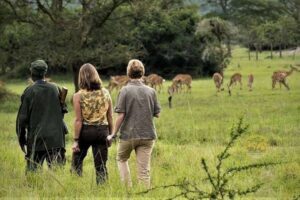
Uganda is one of East Africa’s most rewarding destinations for travelers who want to experience nature beyond traditional game drives. While safari vehicles offer excellent opportunities to spot large animals, walking safaris in Uganda allow visitors to slow down, explore the landscape on foot and discover the smaller details that make the wilderness fascinating.
Accompanied by an authorized guide or ranger, you can learn to recognize animal tracks, identify birds, understand native plants and appreciate the sounds and scents of the African bush. Depending on your destination, a walking experience may take you across open savannah, through a forest trail, around a wetland or along a mountain path.
From wildlife walks in Lake Mburo National Park to guided nature experiences in forest reserves and hikes in Uganda’s mountain regions, there are options for different interests and fitness levels.
At Mambo Gorilla Safaris Uganda, we help travelers plan customized safaris that combine walking experiences with wildlife viewing, mountain gorilla trekking, chimpanzee tracking and Uganda’s other natural attractions.
What Is a Walking Safari?
A walking safari is a guided outdoor experience in which visitors explore a natural area on foot instead of relying entirely on a vehicle.
Unlike a conventional game drive, a walking safari focuses on observing the environment at close range. Your guide may explain animal footprints, feeding signs, bird calls, vegetation and the relationships between wildlife and its habitat.
Depending on the location, a walking safari may involve:
- Guided walks through savannah landscapes
- Wildlife observation from a safe distance
- Bird watching and nature photography
- Forest walks and botanical interpretation
- Tracking animal signs with a trained guide
- Learning about conservation and local ecosystems
- Community or cultural walks near protected areas
Not every walking experience includes large wildlife. Forest walks, mountain hikes and wetland trails often focus more on birds, plants, scenery and smaller animals.
Walking routes, wildlife access and safety requirements differ between destinations. Always confirm that your selected activity is authorized and accompanied by the appropriate guide or ranger.
Why Choose Walking Safaris in Uganda?
Uganda offers a varied landscape of grasslands, forests, wetlands, mountains and lakes. This diversity creates opportunities for several types of guided walking experiences.
Here are some reasons to include a walking safari in your Uganda holiday.
1. Experience nature at a slower pace
On foot, you have more time to notice details that can be missed during a drive, from animal tracks in the soil to insects, plants and bird calls.
2. Learn from experienced guides
A knowledgeable guide can explain animal behaviour, the ecology of the area and how wildlife uses its habitat.
3. Enjoy a more active safari
Walking experiences provide an opportunity to stretch your legs and enjoy the outdoors between longer vehicle transfers and game drives.
4. Discover more than large mammals
Birds, butterflies, plants, animal footprints and other signs of life can make a walking experience rewarding even when large wildlife is not nearby.
5. Support responsible tourism
Authorized guided activities can contribute to conservation and local employment. Ask your operator how the activity is managed and whether local guides or community partners benefit.
1. Lake Mburo National Park: One of the Best Places for a Walking Safari in Uganda
Lake Mburo National Park is a strong choice for travelers interested in exploring Uganda’s savannah on foot.
Located in western Uganda, the park protects grassland, woodland, wetlands and lakeside habitats. It is known for animals such as zebras, impalas, elands, buffaloes and a variety of bird species.
The park is particularly popular with visitors who want a walking experience as part of a wider wildlife safari.
What can you see on a Lake Mburo walking safari?
Depending on the route, wildlife movements and conditions, you may encounter:
- Zebras grazing in open grassland
- Impalas and other antelopes
- Elands
- Buffaloes
- Birds of grassland and woodland habitats
- Animal tracks and other signs of wildlife
Sightings are never guaranteed, and the presence of potentially dangerous animals means visitors must remain with their authorized guide or ranger.
What makes Lake Mburo special?
A walking safari offers a different perspective on the park compared with a vehicle-based game drive. You can learn about animal behaviour, feeding patterns and the role of grasslands and woodland in supporting wildlife.
Lake Mburo is also a practical stop for many travelers driving between Kampala or Entebbe and southwestern Uganda.
You can combine a walking experience with a game drive, a boat excursion where available, bird watching or a visit to a nearby community.
Travel tip: Allow enough time to enjoy the walking activity rather than treating Lake Mburo only as a short stopover on the way to a gorilla trekking destination.
2. Kidepo Valley National Park: Walking in Remote Wilderness
Kidepo Valley National Park, in northeastern Uganda, is known for its remote location, broad landscapes and distinctive wildlife.
The park’s savannah and mountain scenery create a memorable setting for travelers seeking a quieter wilderness experience.
Guided walks may be available in designated areas, subject to park rules, ranger arrangements and current conditions. These are not unrestricted walks through the park; visitors must follow the route and instructions approved by park authorities.
What makes Kidepo attractive?
The park offers opportunities to experience:
- Wide savannah landscapes
- Mountain and valley scenery
- Bird watching
- Wildlife observation from authorized routes
- Cultural experiences in the wider Karamoja region, when appropriately arranged
Kidepo is also known for wildlife such as buffaloes, elephants, zebras, antelopes and predators, although the animals seen during a walking activity depend on location and conditions.
Because Kidepo is remote, it is best suited to travelers who can allocate additional time to reach the region or who arrange suitable flights.
Best for: Travelers seeking a remote wilderness experience, photographers and visitors planning a longer Uganda safari.
3. Murchison Falls National Park: Nature Walks and the Top of the Falls
Murchison Falls National Park is one of Uganda’s most celebrated wildlife destinations. The Victoria Nile flows through the park, creating dramatic scenery, river habitats and opportunities for wildlife viewing.
Although many visitors explore the park by vehicle or boat, authorized walking activities can add another dimension to the experience.
Hiking to the top of Murchison Falls
The walk to the top of Murchison Falls is one of the best-known walking experiences in the area. It offers views of the river forcing its way through a narrow rocky gorge before plunging into the falls below.
Visitors can appreciate the power of the water, the surrounding landscape and the viewpoints along the designated route.
This is primarily a scenic hike rather than a traditional savannah walking safari among large mammals.
What should you know before visiting?
- Confirm current access arrangements with your safari operator or park authorities.
- Follow designated paths and all safety instructions.
- Wear comfortable walking shoes with good grip.
- Be cautious around wet or slippery surfaces.
- Allow time for transfers between the falls and other park activities.
You can combine the falls experience with game drives and a boat cruise on the Nile, creating a varied wildlife holiday.
Explore Mambo Gorilla Safaris Uganda’s 3-Day Murchison Falls Safari.
4. Bwindi Impenetrable National Park: Guided Forest Walks
Bwindi Impenetrable National Park is internationally known for mountain gorilla trekking. However, its forest environment also offers opportunities to appreciate Uganda’s biodiversity through authorized nature and community experiences.
Forest walks can introduce visitors to the plants, birds, insects and habitats of the Albertine Rift.
Depending on the location and activity available, a guided walk may focus on:
- Forest ecology
- Bird watching
- Native plants and trees
- Smaller wildlife
- Conservation
- Community and cultural interpretation
A general nature walk is not the same as a gorilla trek. If you want to visit mountain gorillas, you must arrange the appropriate permit and follow the official trekking procedure.
Can you combine walking and gorilla trekking?
Yes. Travelers can combine suitable forest or community walks with gorilla trekking, subject to the activities available in their chosen area and the time required for the trek.
This is a rewarding option for visitors who want to understand the wider forest ecosystem rather than focusing exclusively on the gorillas.
See Mambo’s 3 Days Bwindi Gorilla Trekking Tour.
5. Kibale Forest: Nature Walks and Primate Habitats
Kibale Forest National Park is best known for chimpanzee tracking and its rich diversity of primates.
The forest also offers opportunities to explore tropical vegetation and learn about the ecological relationships that sustain its wildlife.
Depending on the authorized activity, a guided walk may include bird watching, plant identification and interpretation of forest habitats.
What makes a Kibale forest walk rewarding?
- Discovering tropical forest vegetation
- Learning about primate habitats
- Observing birds and smaller wildlife
- Understanding forest conservation
- Exploring the wider area around the park
The Bigodi Wetland area near Kibale also offers community-associated nature experiences, including bird watching and guided walks, depending on current local arrangements.
A forest walk is a good option for travelers who enjoy nature interpretation and do not necessarily want every activity to involve large mammals.
Important: Chimpanzee tracking has separate procedures and permit requirements. Confirm which activity you are booking so that you know what is included.
6. Semuliki National Park: Forest Trails and Bird Watching
Semuliki National Park in western Uganda protects lowland tropical forest and supports a range of bird species and other wildlife.
Its forest environment differs from the open savannah landscapes of Lake Mburo and Kidepo, making it an interesting addition to a nature-focused itinerary.
Guided walks may provide opportunities to explore forest vegetation, observe birds and learn about the ecosystem.
Who should visit Semuliki?
Semuliki is especially appealing to:
- Bird watchers
- Nature enthusiasts
- Photographers
- Travelers interested in tropical forest habitats
- Visitors planning a longer western Uganda safari
Walking conditions vary with rainfall and trail conditions. Wear appropriate footwear and ask your guide about the route, duration and expected terrain before setting out.
7. Mount Elgon: Hiking Through Forest and Mountain Landscapes
Mount Elgon National Park offers a different kind of walking experience. Rather than focusing mainly on savannah wildlife, many activities involve hiking through changing vegetation zones and mountainous landscapes.
The park has forest trails, scenic viewpoints and routes leading toward higher elevations.
Day hikes can be suitable for travelers who want to explore the mountain without undertaking a long expedition. More demanding treks require additional planning, equipment and time.
What can you experience?
- Forest and mountain vegetation
- Waterfalls and streams along suitable routes
- Bird watching
- Scenic viewpoints
- Local cultural experiences around the wider region
- Longer hiking routes for appropriately prepared visitors
The difficulty of a walk depends on the trail, elevation gain, weather and distance. Discuss your fitness level with your guide before choosing a route.
Mount Elgon is best described as a mountain hiking destination rather than a conventional big-game walking safari.
8. Rwenzori Mountains: Walking and Trekking in Uganda’s Mountains
The Rwenzori Mountains provide some of Uganda’s most spectacular mountain scenery.
At the foothills and on designated trails, visitors can enjoy nature walks and hikes without necessarily committing to a full summit expedition.
Longer routes require specialist planning and may involve several days of walking, changing weather and more challenging terrain.
What can you expect?
Depending on your chosen route, you may experience:
- Forested mountain slopes
- Streams and waterfalls
- Changing vegetation zones
- Bird watching
- Dramatic mountain scenery
- Guided multi-day trekking
The Rwenzori Mountains are not a conventional savannah walking safari, but they are an excellent option for travelers who want to make walking the main activity of their Uganda holiday.
Choose a route that matches your fitness and available time, and confirm current trail conditions before booking.
9. Mgahinga Gorilla National Park: Nature Walks and Volcanic Scenery
Mgahinga Gorilla National Park lies within Uganda’s Virunga Mountains and is known for mountain gorillas, golden monkeys and volcanic landscapes.
In addition to its primate experiences, the area offers guided nature and mountain activities, depending on park rules and availability.
Visitors may be able to explore forest habitats, enjoy bird watching or take a guided hike through the park’s mountainous environment.
The park’s three volcanoes are Mount Muhabura, Mount Gahinga and Mount Sabyinyo. Hiking these mountains is more demanding than a short nature walk and should be planned as a separate activity.
Mgahinga can be an excellent addition to a trip that includes gorilla trekking and cultural experiences in southwestern Uganda.
10. Enjoy Community and Cultural Walks Near Uganda’s National Parks
Not every rewarding walking experience needs to take place inside a national park.
Community-led walks near suitable destinations can introduce travelers to local livelihoods, cultural heritage, farming practices, traditional crafts and the relationship between communities and conservation areas.
Depending on the destination and the host, a community walk may include:
- Learning about local agriculture
- Visiting craft makers
- Exploring village paths
- Learning about local plants and their uses
- Listening to local history and storytelling
- Understanding community conservation projects
Choose experiences that are locally led and respectful of the people sharing their knowledge.
Ask permission before taking photographs and confirm whether the walk is operated by a community group, a local guide or another provider.
Which Walking Safari in Uganda Is Best for You?
The best destination depends on what you want to experience.
| Your interest | Destination to consider |
|---|---|
| Walking among savannah wildlife | Lake Mburo National Park |
| Remote wilderness and scenery | Kidepo Valley National Park |
| Waterfalls and dramatic landscapes | Murchison Falls National Park |
| Tropical forest and bird watching | Bwindi or Kibale Forest |
| Lowland forest trails | Semuliki National Park |
| Mountain hiking | Mount Elgon or Rwenzori Mountains |
| Gorillas and volcanic landscapes | Mgahinga Gorilla National Park |
| Local culture and community life | Suitable community walks near your route |
Availability and permitted routes vary, so confirm the exact activity with your safari operator before booking.
What Is the Difference Between a Walking Safari and a Game Drive?
A walking safari and a game drive offer different ways to experience wildlife.
A game drive covers more ground in a safari vehicle, allowing you to search for animals across a wider area. A walking safari moves at a slower pace and focuses on tracks, plants, birds, animal signs and the surrounding environment.
| Feature | Walking safari | Game drive |
|---|---|---|
| Main experience | Exploring nature on foot | Wildlife viewing from a vehicle |
| Pace | Slower and more detailed | Covers more ground |
| Physical effort | Depends on route and terrain | Usually less strenuous |
| Wildlife viewing | From authorized safe locations | From a vehicle |
| Guide | Authorized walking guide or ranger | Safari guide or ranger |
| Best for | Nature enthusiasts and active travelers | Broad wildlife viewing |
Many travelers enjoy combining both activities rather than choosing only one.
How Much Does a Walking Safari in Uganda Cost?
The cost of a walking safari depends on the destination, duration and services included.
Factors that may affect the price include:
- Park entry charges
- Guided activity or ranger fees
- Number of participants
- Private or shared transportation
- Accommodation
- Meals
- Additional activities such as boat cruises or game drives
- Whether the walk is part of a longer safari package
A short guided walk near Lake Mburo may involve different costs from a mountain trek or a multi-day safari in a remote destination.
Ask for an itemized quotation and confirm what is included before paying. Current park and activity charges should be checked for your travel dates.
Best Time for Walking Safaris in Uganda
Walking experiences are available in different parts of Uganda throughout the year, but weather can affect trail conditions, visibility and comfort.
Many travelers prefer generally drier periods for savannah walks and mountain hiking. However, conditions vary by region, and rain is possible even during drier months.
When choosing your travel dates, consider:
- The destination and elevation
- Your preferred activity
- Trail conditions
- Wildlife viewing interests
- The duration of your safari
- Your fitness level and comfort with rain
For forest walks and mountain hikes, waterproof footwear and rain protection are useful throughout the year.
Ask your operator about current conditions and whether an alternative route may be needed.
What to Pack for a Walking Safari in Uganda
Your packing list depends on whether you are exploring savannah, forest or mountain terrain.
Consider bringing:
- Comfortable walking or hiking boots
- Lightweight long trousers
- Long-sleeved shirts
- A waterproof jacket
- A hat or cap
- Sunscreen
- Insect repellent
- A reusable water bottle
- A small daypack
- Binoculars
- A camera
- Personal medication
- Snacks if permitted and recommended for the activity
For mountain hikes, additional warm clothing and suitable equipment may be necessary.
For guided wildlife walks, follow the ranger’s advice about clothing, equipment and what to carry. Do not bring food or other items that could attract or disturb wildlife unless your guide specifically advises otherwise.
Safety Tips for Walking Safaris in Uganda
Walking in wildlife areas requires more attention to safety than walking in a town or on an ordinary hiking trail.
Follow these important guidelines:
- Stay with your authorized guide or ranger. Never leave the designated group or route.
- Follow instructions immediately. Guides are trained to assess wildlife and environmental conditions.
- Keep a safe distance from wildlife. Do not approach, feed or attempt to touch animals.
- Choose a suitable activity. Match the distance and difficulty to your fitness and experience.
- Wear appropriate footwear. Trails may be muddy, slippery, steep or uneven.
- Carry water. Follow your guide’s advice on hydration and breaks.
- Check the weather. Rain, heat and changing conditions can affect the experience.
- Confirm activity authorization. Not every park or section of a park allows visitors to walk freely.
Walking safaris are not suitable for every visitor or every wildlife situation. The park authority determines where and under what conditions walking is permitted.
Can You Combine a Walking Safari With Gorilla Trekking?
Yes. A walking experience can be included in a longer Uganda itinerary that also features mountain gorilla trekking.
For example, you could combine Lake Mburo’s savannah landscape with gorilla trekking in Bwindi, or add suitable nature walks to a visit to Mgahinga.
Remember that gorilla trekking is a specific guided activity requiring a confirmed permit. A general forest walk does not include a gorilla encounter.
A wider itinerary can also include chimpanzee tracking in Kibale, wildlife viewing in Queen Elizabeth National Park or a boat cruise in Murchison Falls National Park.
Suggested 5-Day Walking and Wildlife Safari in Uganda
This sample itinerary combines walking, wildlife and scenic experiences. It should be adjusted according to activity availability, road conditions and your interests.
Day 1: Travel to Lake Mburo National Park
Travel from Kampala or Entebbe toward Lake Mburo. On arrival, check into your accommodation and enjoy a planned activity if time permits.
Overnight: Lake Mburo area.
Day 2: Guided Walking Safari and Wildlife Viewing
Join an authorized guided walking activity at the designated time and location.
Learn about the park’s grassland ecosystem, animal tracks, birds and wildlife. Depending on the itinerary, add a game drive or another suitable activity.
Overnight: Lake Mburo area.
Day 3: Transfer to Bwindi or Mgahinga
Travel toward southwestern Uganda, enjoying the scenic landscapes along the way.
Depending on the destination and your interests, arrange a suitable community or nature experience if time permits.
Overnight: Bwindi or Mgahinga area.
Day 4: Gorilla Trekking or an Alternative Nature Activity
If you have secured a gorilla trekking permit, join the authorized trekking activity. Otherwise, choose an appropriate guided nature or community experience.
The day’s schedule depends on the activity booked and local conditions.
Overnight: Bwindi or Mgahinga area.
Day 5: Departure or Safari Extension
Begin your journey to your next destination or return toward Kampala or Entebbe.
Because the road journey can be long, confirm your departure time and consider an additional overnight stay if required.
This itinerary is a starting point rather than a fixed package. A longer trip can include Queen Elizabeth National Park, Kibale Forest or Murchison Falls.
Why Book a Walking Safari With Mambo Gorilla Safaris Uganda?
A well-planned walking safari needs the right destination, authorized guides, appropriate accommodation and a route that matches your interests.
Mambo Gorilla Safaris Uganda can help you plan a wider Uganda holiday that combines walking experiences with wildlife viewing and primate adventures.
Your itinerary can be tailored around:
- Lake Mburo walking experiences
- Authorized nature walks in suitable destinations
- Forest and bird-watching activities
- Mountain hiking
- Mountain gorilla trekking
- Chimpanzee tracking
- Game drives and boat cruises
- Cultural and community experiences
You can choose a short walking and wildlife break or build a longer safari around Uganda’s national parks.
Explore our 3-Day Murchison Falls Safari or 10-Day Wildlife and Primate Trekking Safari in Uganda for ideas on combining different experiences.
Frequently Asked Questions About Walking Safaris in Uganda
Where is the best place for a walking safari in Uganda?
Lake Mburo National Park is one of the leading places to consider for a guided walking safari focused on savannah wildlife. Other destinations offer authorized nature walks, forest trails and mountain hikes, depending on the activity and current regulations.
Can I walk among wild animals in Uganda?
Some designated activities allow visitors to observe wildlife on foot under the supervision of an authorized guide or ranger. You must never approach animals independently or assume that walking is permitted throughout a national park.
Are walking safaris in Uganda safe?
They can be rewarding when conducted in authorized areas with qualified guides and appropriate safety procedures. Wildlife and terrain create inherent risks, so following instructions and staying with the group is essential.
Do walking safaris require special fitness?
The level of fitness required depends on the route. Short nature walks may be suitable for many visitors, while mountain hikes and longer trails require greater stamina. Confirm the distance, elevation and terrain before booking.
Can I combine walking safaris with gorilla trekking?
Yes. You can combine a suitable walking experience with gorilla trekking in Bwindi or Mgahinga, provided you arrange the correct permit and allow enough time for travel and activities.
What animals can I see on a walking safari?
Depending on the destination, you may see zebras, antelopes, buffaloes and other wildlife from a safe distance. Forest walks may focus more on birds, primates, plants and smaller wildlife. Sightings are never guaranteed.
What is the best time of year for a walking safari?
Walking safaris are possible throughout the year, but generally drier periods may provide more comfortable conditions on some routes. Weather varies by region, so check local trail conditions before traveling.
How do I book a walking safari in Uganda?
Choose your preferred destination, travel dates, group size and activity level. Contact Mambo Gorilla Safaris Uganda to discuss a customized itinerary and confirm the availability, safety requirements and costs of the selected walking experiences.
Final Thoughts: Discover Uganda on Foot
Walking safaris in Uganda offer an engaging way to discover wildlife, landscapes and ecosystems at a slower pace. From the savannah of Lake Mburo to forest trails and mountain routes, each destination provides a different perspective on the country’s natural beauty.
The best experience depends on your interests, fitness and available time. With an appropriate guide and a carefully planned route, walking can be a memorable addition to a wider Uganda safari.
Plan your walking safari in Uganda with Mambo Gorilla Safaris Uganda. Combine authorized nature walks with wildlife viewing, gorilla trekking, chimpanzee tracking or mountain hiking to create an itinerary tailored to your travel dates and interests.


