Email: info@mambogorillasafarisuganda.com | Call: +256772666331

Where Can I Have a Photography Safari in Tanzania?

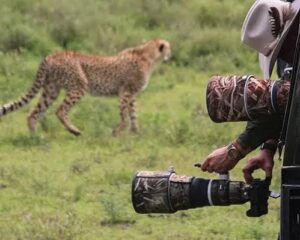
Tanzania is one of the best destinations in Africa for travelers who want to combine wildlife viewing with serious photography. From the endless plains of the Serengeti and elephant-filled landscapes of Tarangire to the dramatic scenery of Ngorongoro and the remote wilderness of Ruaha and Nyerere, Tanzania offers an exceptional variety of photographic opportunities.
For wildlife photographers, the attraction is not only the number of animals. Tanzania also offers dramatic landscapes, changing light, large herds, predators, birds, rivers, baobabs and intimate wildlife encounters that can produce memorable photographs.
So, where can you have a photography safari in Tanzania?
The best destinations include Serengeti National Park, Ngorongoro Conservation Area, Tarangire National Park, Nyerere National Park, Ruaha National Park and Lake Manyara National Park. The right destination depends on the animals you want to photograph, the type of landscapes you prefer and the time of year you plan to travel.
At Mambo Gorilla Safaris Uganda, we can help travelers combine East African wildlife experiences with gorilla trekking and other safari adventures across the region.
Quick Answer: Where Is the Best Place for a Photography Safari in Tanzania?
If you want one destination that offers exceptional variety, Serengeti National Park is one of the strongest choices.
The Serengeti is particularly attractive for photographers because it offers extensive plains, large herds, predators, birds and dramatic wildlife interactions. TANAPA identifies the park as a major destination for the Great Migration, Big Five wildlife, birdlife and filming and photography activities.
However, different parks are better suited to different photography interests.
| Tanzania destination | Best for photography |
|---|---|
| Serengeti National Park | Great Migration, predators, Big Five and landscapes |
| Ngorongoro Conservation Area | Wildlife, crater landscapes and bird photography |
| Tarangire National Park | Elephants, baobabs, birds and dramatic landscapes |
| Nyerere National Park | River wildlife, birds, wild dogs and boat photography |
| Ruaha National Park | Predators, elephants, birds and remote wilderness |
| Lake Manyara National Park | Birds, forest scenery and wildlife |
| Mikumi National Park | Accessible wildlife photography |
| Katavi National Park | Remote wilderness and large wildlife concentrations |
The best choice therefore depends on what you want to photograph.
1. Serengeti National Park – Best Overall for Wildlife Photography
If you are looking for the most famous destination for a Tanzania photography safari, Serengeti should be near the top of your list.
The Serengeti combines enormous open landscapes with abundant wildlife. It is especially famous for the Great Migration, when huge numbers of wildebeest and other herbivores move across the ecosystem.
TANAPA currently describes Serengeti as home to the world’s last remaining large mammal migration and records more than 500 bird species. The park also supports lions, leopards, elephants, buffaloes and rhinos.
What can you photograph in Serengeti?
Photographers can look for:
- Lions
- Leopards
- Cheetahs
- Elephants
- Buffaloes
- Rhinos
- Wildebeest
- Zebras
- Giraffes
- Hyenas
- Birds of prey
- Migrating herds
- Dramatic landscapes
- Sunrise and sunset scenes
The Serengeti is particularly rewarding for photographers interested in predator-prey interactions and wildlife behaviour.
Serengeti and the Great Migration
The Great Migration is one of the major reasons photographers visit Tanzania.
Different stages of the migration occur in different areas at different times, so it is important to plan the safari around the specific experience you want rather than assuming the animals will be in one location throughout the year.
TANAPA highlights June to October as a strong period for migration viewing and January to February for the calving season.
For photographers, migration planning should therefore consider:
- Time of year
- Herd location
- Predator activity
- River-crossing expectations
- Accommodation location
- Number of safari days
- Driving distances
2. Ngorongoro Conservation Area – Excellent for Wildlife and Landscapes
The Ngorongoro Conservation Area is another outstanding destination for photography.
Ngorongoro offers a combination of wildlife, crater scenery, grasslands, forests, birds and dramatic viewpoints.
The Ngorongoro Conservation Area Authority specifically describes the area as highly suitable for photographic safaris, with opportunities across woodlands, grasslands, crater environments and other landscapes.
What can you photograph in Ngorongoro?
Depending on your itinerary and conditions, photographic subjects can include:
- Lions
- Elephants
- Buffaloes
- Hippos
- Zebras
- Wildebeest
- Flamingos
- Birds of prey
- Crater landscapes
- Sunrise and atmospheric scenery
The crater’s changing light can create particularly impressive landscape photographs.
Photography tip for Ngorongoro
A telephoto lens is particularly useful because wildlife viewing conditions and park regulations can limit how close vehicles can get to animals. The Ngorongoro Conservation Area Authority recommends cameras with telescopic lenses and notes that off-road driving is prohibited.
3. Tarangire National Park – Best for Elephants and Baobabs
Tarangire is an excellent choice if your photography interests include elephants, birds and dramatic African landscapes.
The park is famous for its elephant herds and distinctive baobab-dotted scenery.
TANAPA describes Tarangire as a major elephant destination and highlights its baobabs, wildlife and birdlife. The park also offers photographic safaris as one of its visitor activities.
Why photographers love Tarangire
Tarangire can produce excellent images of:
- Elephants
- Lions
- Leopards
- Zebras
- Buffaloes
- Giraffes
- Birds
- Baobab trees
- Savannah landscapes
- Wildlife silhouettes
The combination of elephants and baobabs can create some of the most recognizable Tanzania safari photographs.
Best photography opportunities
Early morning and late afternoon are particularly valuable for photography because softer light can add depth and warmth to landscapes and wildlife portraits.
The dry season can also concentrate animals around important water sources, increasing photographic opportunities.
4. Nyerere National Park – Best for River and Boat Photography
For photographers who want something different from the classic northern Tanzania safari, Nyerere National Park is an excellent option.
The Rufiji River and its channels provide opportunities to photograph wildlife from the water as well as during traditional game drives.
TANAPA highlights boat safaris, game drives, photographic safaris, birdlife and African wild dogs among Nyerere’s attractions.
What can you photograph in Nyerere?
Potential subjects include:
- Elephants
- Hippos
- Crocodiles
- Lions
- African wild dogs
- Giraffes
- Buffaloes
- Water birds
- Kingfishers
- Fish eagles
- River landscapes
Why boat photography is special
A boat safari gives you a different photographic perspective.
Instead of photographing wildlife only from a vehicle, you can capture:
- Hippos in the water
- Crocodiles along the riverbanks
- Birds near the water
- Elephants approaching the river
- Reflections
- Sunset scenes
- River landscapes
This makes Nyerere particularly attractive to photographers who want more varied images.
5. Ruaha National Park – Best for Remote Wilderness Photography
Ruaha is a strong option for experienced wildlife photographers who want dramatic wilderness and fewer conventional safari crowds.
TANAPA describes Ruaha as one of Tanzania’s outstanding wilderness areas and highlights its elephants, lions, leopards, buffaloes, hippos, crocodiles, birds and Great Ruaha River.
Photography subjects in Ruaha
You may photograph:
- Elephants
- Lions
- Leopards
- Greater kudu
- Lesser kudu
- Buffaloes
- Giraffes
- Hippos
- Crocodiles
- Birds
- River landscapes
Ruaha is also interesting for photographers who enjoy photographing wildlife in wide environmental compositions, rather than only close-up animal portraits.
6. Lake Manyara National Park – Excellent for Birds and Diverse Scenery
Lake Manyara can be a useful addition to a northern Tanzania photography itinerary.
The park combines lake environments, woodland, wildlife and bird habitats.
It can be particularly appealing to photographers interested in:
- Bird photography
- Waterbirds
- Landscapes
- Elephants
- Giraffes
- Monkeys
- Forest environments
For travelers combining several northern Tanzania destinations, Lake Manyara can add variety to a photography-focused itinerary.
7. Mikumi National Park – A Practical Wildlife Photography Option
Mikumi National Park can be considered by travelers who want a wildlife experience in southern Tanzania without necessarily building their entire trip around the more remote parks.
Photography opportunities can include:
- Elephants
- Lions
- Giraffes
- Zebras
- Buffaloes
- Hippos
- Birds
- Savannah landscapes
Mikumi can also be combined with other southern Tanzania destinations depending on your travel schedule.
8. Katavi National Park – For Remote Safari Photography
Katavi is worth considering for photographers who prioritize wilderness, remote landscapes and less conventional safari routes.
It is particularly suited to travelers who want to move beyond the most heavily visited northern safari circuit.
Because remote safari destinations require more careful logistics, photographers should work with an experienced operator when planning transport, accommodation and photography time.
Best Tanzania Photography Safari Destinations Compared
| Destination | Best for | Photography style |
|---|---|---|
| Serengeti | Migration and predators | Wildlife action and landscapes |
| Ngorongoro | Wildlife and crater scenery | Wildlife portraits and landscapes |
| Tarangire | Elephants and baobabs | Wildlife and environmental portraits |
| Nyerere | River wildlife and birds | Boat and wildlife photography |
| Ruaha | Wilderness and predators | Environmental wildlife photography |
| Lake Manyara | Birds and varied habitats | Bird and nature photography |
| Mikumi | General wildlife | Classic safari photography |
| Katavi | Remote wilderness | Specialist wildlife photography |
What Is the Best Time for a Photography Safari in Tanzania?
There is no single best month for every photographer.
The best time depends on your photographic goals.
January to February
This period can be attractive for photographers interested in:
- Green landscapes
- Calving-season wildlife
- Young animals
- Birds
- Dramatic skies
Serengeti’s official tourism information highlights January and February for the calving season.
June to October
The dry season is popular for wildlife photography because animals can become easier to locate around water sources, while vegetation may be less dense.
TANAPA identifies June to October as an important Serengeti migration-viewing period.
November to December
The short rains can transform landscapes and produce dramatic skies and fresh vegetation.
Photographers who enjoy environmental images, landscapes and vibrant colours may find this period particularly rewarding.
March to May
The long rains can bring fewer travelers and lush scenery.
Rain can create challenging photography conditions, but it can also produce:
- Dramatic clouds
- Green landscapes
- Reflections
- Fresh vegetation
- Atmospheric photographs
What Camera Equipment Should You Take on a Tanzania Photography Safari?
You do not need the most expensive camera to enjoy a photography safari.
However, suitable equipment can make wildlife photography much easier.
Recommended camera equipment
Consider carrying:
- DSLR or mirrorless camera
- Telephoto lens
- Wide-angle lens
- Spare batteries
- Multiple memory cards
- Lens cleaning cloth
- Beanbag or suitable camera support
- Camera backpack
- Waterproof protection
- Extra batteries or charging equipment
A telephoto lens is particularly useful
Wild animals should always be photographed respectfully and from a safe distance.
A telephoto lens allows you to create close-looking wildlife portraits without approaching animals unnecessarily.
This is especially important in protected areas where wildlife regulations control how visitors interact with animals.
What Makes a Good Photography Safari Vehicle?
The vehicle can have a major effect on your photography experience.
A good photographic safari vehicle should provide:
- Good visibility
- Large windows
- Comfortable seating
- Easy access to camera equipment
- A knowledgeable driver-guide
- Enough space for photographic equipment
- Good positioning opportunities
For photographers, vehicle layout can be almost as important as the destination.
Mambo Gorilla Safaris Uganda uses 4×4 safari vehicles designed for game viewing and photography on its safari programs, with options that can provide good viewing positions and photography opportunities.
Should I Book a Private or Group Photography Safari?
For serious wildlife photography, a private safari is often preferable.
Private photography safari
Advantages include:
- More control over your schedule
- More flexibility with photography stops
- More space for equipment
- Greater ability to wait for interesting wildlife behaviour
- Easier communication with your guide
- More flexibility around sunrise and sunset
Group safari
A group safari can be more affordable, but the itinerary is generally less flexible.
It can still be a good choice for travelers who want to experience Tanzania without paying for a private vehicle.
Which is better?
If photography is the main purpose of your trip, consider a private safari designed around photography.
How Many Days Do You Need for a Tanzania Photography Safari?
A short safari can provide excellent photographs, but more days generally give you more opportunities.
3–4 days
Suitable for:
- Tarangire
- Ngorongoro
- A short Serengeti experience
5–7 days
Better for:
- Serengeti
- Ngorongoro
- Tarangire
- More relaxed photography
8–10 days
Ideal for photographers who want:
- Multiple parks
- More time in the Serengeti
- Different landscapes
- More wildlife encounters
- More flexibility
10+ days
Suitable for serious photographers who want to explore several regions or combine Tanzania with Uganda, Kenya or Rwanda.
Sample 7-Day Tanzania Photography Safari
A photography-focused itinerary can be customized according to your interests.
Day 1: Arusha to Tarangire National Park
Travel to Tarangire for your first game drive.
Focus on:
- Elephants
- Baobabs
- Birds
- Savannah landscapes
Spend the night near Tarangire.
Day 2: Tarangire Photography
Enjoy a full day of wildlife photography.
Spend more time observing animal behaviour instead of rushing between sightings.
Day 3: Tarangire to Ngorongoro
Travel toward the Ngorongoro area.
Use the day for landscapes, scenery and selected wildlife photography opportunities.
Day 4: Ngorongoro Crater
Enjoy a crater wildlife experience.
Look for:
- Lions
- Buffaloes
- Zebras
- Wildebeest
- Birds
- Hippos
- Landscape compositions
Day 5: Ngorongoro to Serengeti
Travel into the Serengeti.
Photograph the changing landscapes and wildlife along the way.
Day 6: Full-Day Serengeti Photography
Spend a full day photographing wildlife.
A full day gives you more time to wait for interesting behaviour and make the most of changing light.
Day 7: Serengeti and Departure
Enjoy a final morning photography session before beginning your onward journey.
The itinerary can be extended when migration photography or specialist wildlife photography is the primary objective.
Can I Combine a Tanzania Photography Safari With Gorilla Trekking in Uganda?
Yes.
This is an excellent option for travelers who want to experience both classic East African wildlife and mountain gorillas.
A combined Tanzania-Uganda safari can give you two very different photographic experiences:
Tanzania
Photograph:
- Lions
- Leopards
- Elephants
- Wildebeest
- Zebras
- Giraffes
- Birds
- Savannah landscapes
Uganda
Experience:
- Mountain gorillas
- Chimpanzees
- Forest birds
- Wildlife
- Lakes
- Savannah
- Primates
- Cultural experiences
Mambo Gorilla Safaris Uganda specializes in East African safari experiences and has Uganda itineraries combining wildlife and primate experiences, including Kibale, Queen Elizabeth, Bwindi and Lake Mburo.
Tanzania Photography Safari and Uganda Gorilla Safari
For travelers arriving in East Africa with enough time, Mambo can help design a multi-country itinerary combining Tanzania wildlife photography with a Uganda gorilla trekking experience.
A possible trip could include:
Tanzania
Arusha → Tarangire → Ngorongoro → Serengeti
Uganda
Entebbe → Queen Elizabeth → Bwindi → Lake Bunyonyi
This combination provides a remarkable contrast between open savannah wildlife photography and intimate rainforest primate experiences.
Mambo’s Uganda safari programs already combine wildlife viewing, chimpanzee trekking and gorilla trekking in multi-day itineraries.
Photography Safari vs Ordinary Wildlife Safari
A photography safari is different from a standard wildlife safari.
| Photography safari | Standard wildlife safari |
|---|---|
| Photography is a major priority | Wildlife viewing is the main priority |
| More attention to light | General sightseeing |
| More time at selected sightings | More movement between sightings |
| Equipment is important | Minimal equipment may be sufficient |
| Vehicle positioning matters greatly | General viewing position may be enough |
| Private vehicle is often preferred | Group safari can work well |
| Guide should understand photography | General wildlife knowledge may be sufficient |
If photography is the main reason for your Tanzania trip, tell your safari operator before booking.
Tips for Taking Better Wildlife Photos in Tanzania
1. Shoot during good light
Early morning and late afternoon often provide softer and more attractive light.
2. Be patient
Do not leave immediately after seeing an animal.
Interesting behaviour can happen after several minutes of waiting.
3. Photograph animal behaviour
A photograph of an animal simply standing can be good.
A photograph showing interaction, movement or behaviour can be much more powerful.
4. Include the environment
Do not photograph only close-up portraits.
Include trees, mountains, grasslands, rivers or other landscape features when they strengthen the composition.
5. Carry extra batteries
Long game drives can make charging difficult.
Carry enough batteries and memory cards for the entire day.
6. Protect your equipment
Dust, rain and humidity can affect cameras and lenses.
Keep your equipment protected when it is not being used.
7. Listen to your guide
Your guide’s knowledge of wildlife behaviour and the local area can help you anticipate photographic opportunities.
8. Never sacrifice safety for a photograph
Wild animals are unpredictable.
Always follow your guide’s instructions and park regulations.
What Should You Pack for a Tanzania Photography Safari?
A useful photography safari packing list includes:
Photography equipment
- Camera body
- Backup camera if available
- Telephoto lens
- Wide-angle lens
- Spare batteries
- Memory cards
- Lens cleaning kit
- Beanbag or camera support
- Camera bag
- Rain protection
Safari clothing
- Neutral-coloured clothing
- Lightweight trousers
- Comfortable walking shoes
- Light jacket
- Hat
- Sunglasses
Personal items
- Sunscreen
- Insect repellent
- Binoculars
- Reusable water bottle
- Personal medication
- Travel documents
Who Is a Tanzania Photography Safari Best For?
A photography safari is ideal for:
- Wildlife photographers
- Amateur photographers
- Professional photographers
- Bird photographers
- Nature lovers
- First-time safari travelers
- Couples
- Families interested in wildlife
- Content creators
- Bloggers
- Filmmakers
You do not need to be a professional photographer.
A Tanzania safari can be just as rewarding for someone using a smartphone or entry-level camera.
Why Choose Mambo Gorilla Safaris Uganda for a Tanzania Photography Safari?
Choosing the right safari operator is important when photography is one of the main reasons for your trip.
Mambo Gorilla Safaris Uganda can help travelers plan customized East African safari experiences based on:
- Travel dates
- Budget
- Preferred destinations
- Wildlife interests
- Photography interests
- Accommodation level
- Number of travelers
- Safari duration
Mambo also offers safari programs that combine wildlife, primates, gorilla trekking and other East African experiences.
For photographers, the itinerary can be planned with greater attention to:
- Early morning game drives
- Late afternoon photography
- Wildlife viewing time
- Suitable accommodation locations
- Vehicle comfort
- Photography equipment
- Private safari arrangements
The goal is not simply to visit Tanzania.
The goal is to create a safari that gives you time and opportunities to photograph the places and animals you care about most.
Frequently Asked Questions About Photography Safaris in Tanzania
Where is the best place for a photography safari in Tanzania?
Serengeti National Park is one of the best overall choices because of its wildlife diversity, Great Migration, predators, landscapes and photographic activities.
What is the best Tanzania safari for wildlife photography?
A safari combining Serengeti, Ngorongoro and Tarangire provides an excellent variety of wildlife and landscapes.
Is Tanzania good for professional wildlife photography?
Yes. Tanzania offers large wildlife populations, dramatic landscapes, specialist photographic opportunities and destinations such as Serengeti, Ngorongoro, Tarangire, Nyerere and Ruaha.
What camera lens should I take to Tanzania?
A telephoto lens is strongly recommended for wildlife photography. A wide-angle lens is also useful for landscapes and environmental portraits.
Can I take professional camera equipment on safari?
Yes. Professional camera equipment can be used, but it should be protected from dust, rain and rough road conditions.
Is a private safari better for photography?
Usually, yes. A private vehicle gives photographers greater flexibility over timing, positioning and how long they spend at wildlife sightings.
How many days should I spend on a Tanzania photography safari?
A 5–7 day safari is a good starting point, while 8–10 days or longer is preferable for photographers wanting multiple parks and more time in the Serengeti.
What is the best month for wildlife photography in Tanzania?
There is no single best month. June to October is popular for dry-season wildlife viewing, while January and February are important for the Serengeti calving season.
Can I combine Tanzania with Uganda?
Yes. A Tanzania safari can be combined with a Uganda gorilla trekking safari, creating a broader East African wildlife and primate experience.
Can Mambo organize a customized photography safari?
Yes. Mambo Gorilla Safaris Uganda can help design customized East African safari itineraries around your preferred destinations, travel dates, budget and activities.
Plan Your Tanzania Photography Safari With Mambo Gorilla Safaris Uganda
Tanzania offers some of Africa’s most exciting opportunities for wildlife and nature photography.
Whether your dream is to photograph lions in the Serengeti, elephants beneath Tarangire’s baobabs, wildlife in the Ngorongoro Crater, wild dogs and river scenes in Nyerere, or the remote landscapes of Ruaha, the country offers a remarkable range of photographic experiences.
The key to a successful photography safari is choosing the right destination, traveling at a suitable time, allowing enough days, using appropriate equipment and working with an experienced safari team.
If you want to go beyond Tanzania, you can also combine your photography safari with Uganda gorilla trekking, chimpanzee trekking and wildlife viewing for a complete East African adventure.
Contact Mambo Gorilla Safaris Uganda today to start planning your customized Tanzania photography safari.
Tell us:
- Your preferred travel dates
- Number of travelers
- Photography interests
- Preferred Tanzania destinations
- Safari duration
- Accommodation preference
- Your budget
We can then help create a safari itinerary designed around your interests.


